ASUS TUF Gaming FX506HCB-HN271W RAM upgrade specifications
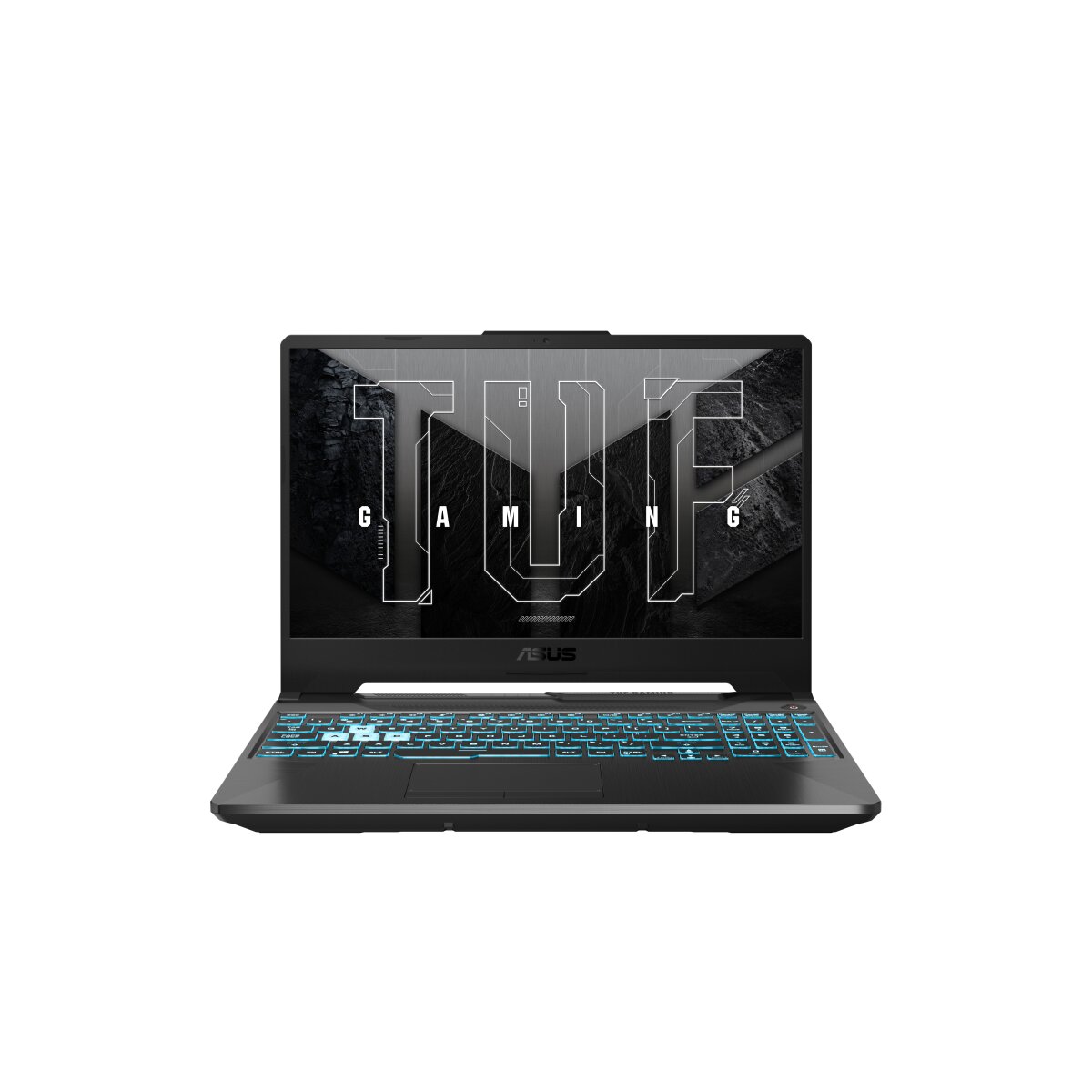

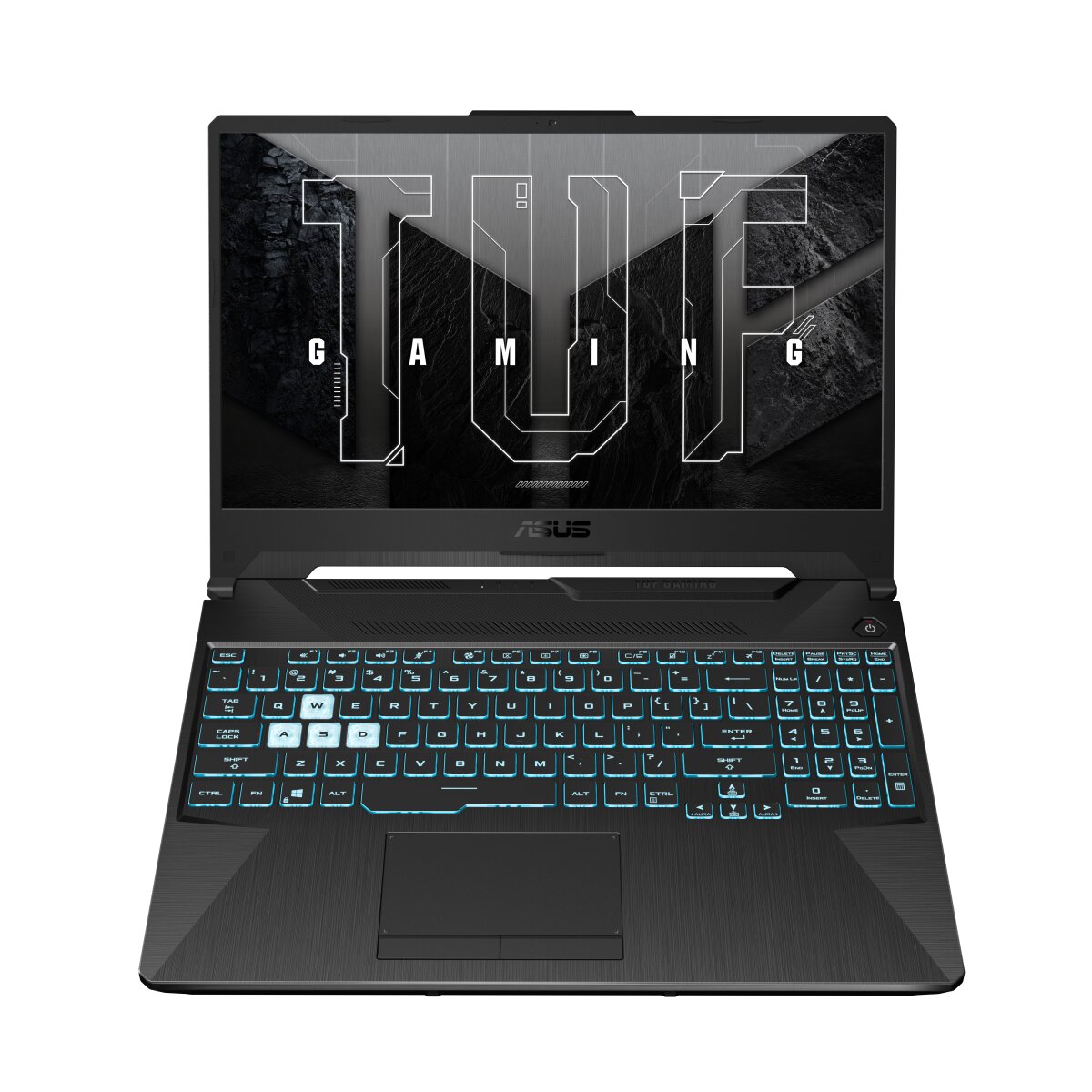
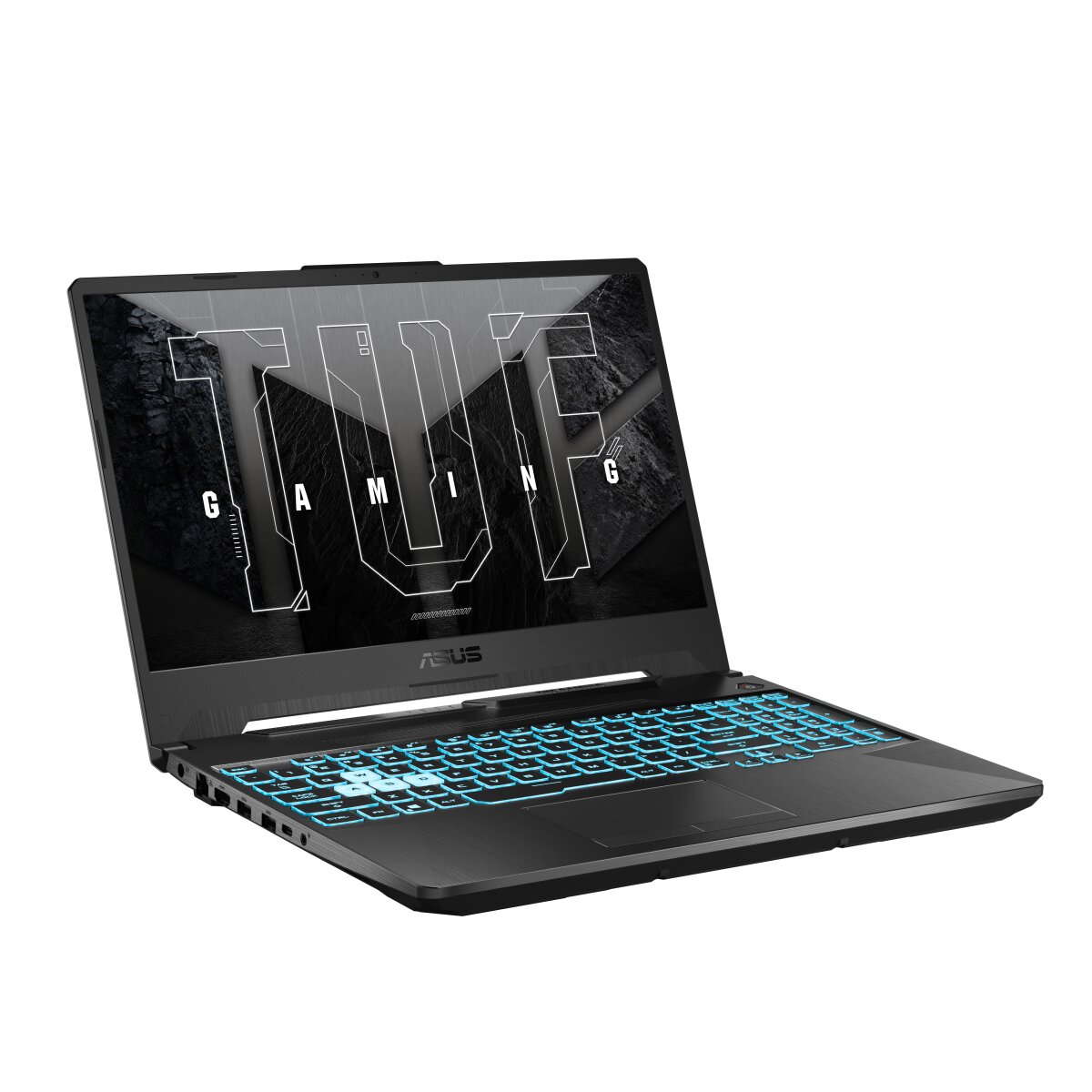
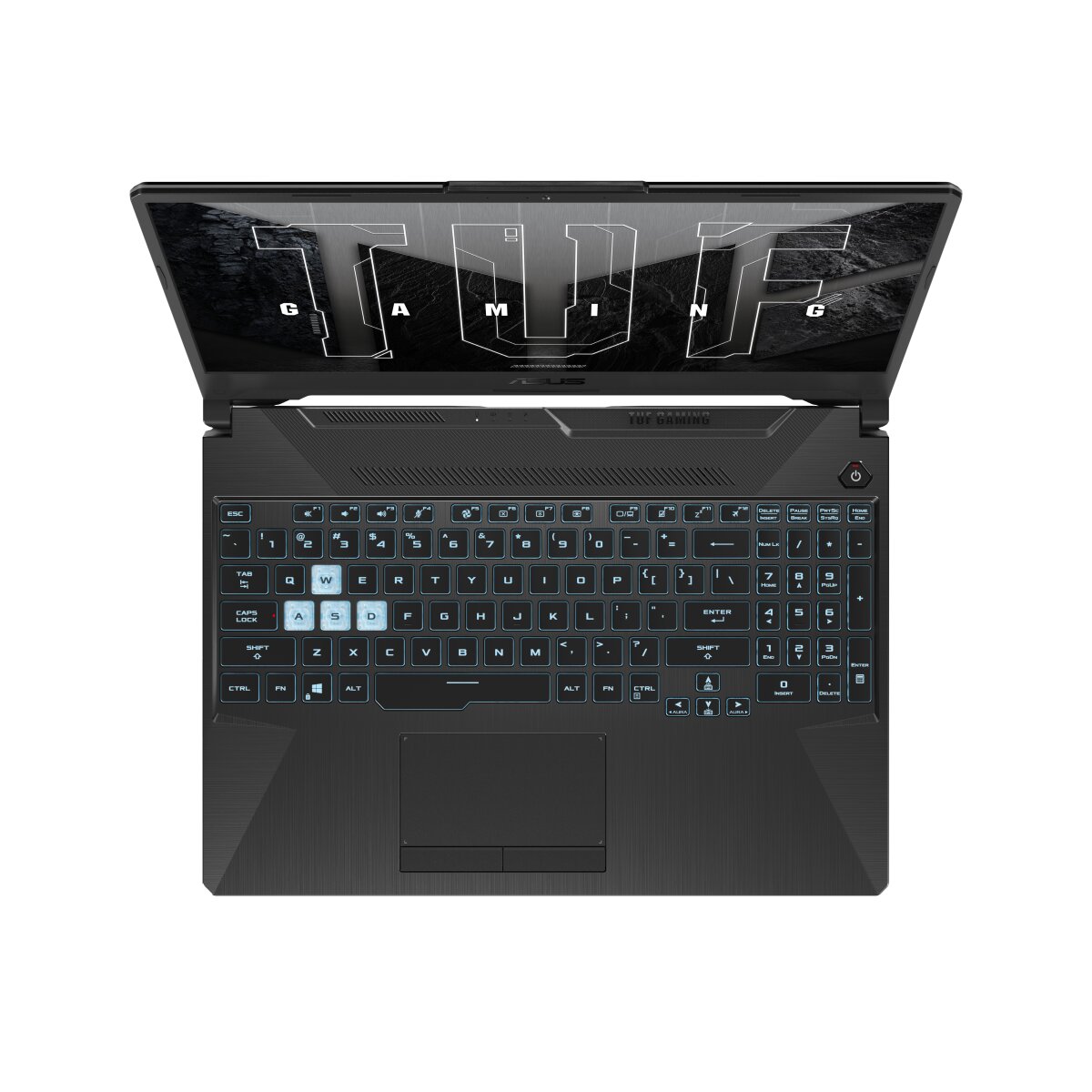
ASUS TUF Gaming F15 series FX506HCB-HN271W laptop features DDR4-SDRAM memory with two SO-DIMM slots supporting maximum capacity of 32 GB. Compatible RAM upgrade specifications include DDR4 modules operating at 3200 MHz frequency. SO-DIMM form factor memory modules provide upgrade capability for enhanced system performance. Maximum RAM specifications indicate dual-slot configuration allows installation of higher-capacity memory modules. ASUS FX506HCB-HN271W memory upgrade remains DDR4 based with specifications limited to stated frequency and slot configuration.
Memory Upgrade Specifications
| Specification | Value |
|---|---|
| Memory slots | 2x SO-DIMM |
| Form factor | SO-DIMM |
| Memory type | DDR4-SDRAM |
| Frequency | 3200 MHz |
| Maximum RAM | 32 GB |
| Voltage | 1.2V |
| Number of pins | 260-pin |
| Interface | PC4 |
| PC Speed Rating | PC4-3200 (PC4-25600) |
| Bandwidth | 25.6 GB/s |
| Laptop Release date | 13 November 2021 |
Additional Notes
- The ASUS TUF Gaming FX506HCB-HN271W implements a dual-channel architecture that requires matched memory modules to achieve full bandwidth potential of 51.2 GB/s per channel.
- Installing modules with mismatched frequencies will force both to operate at the slower speed, negating any performance advantage from a higher-rated module.
- The 32 GB ceiling represents a chipset limitation rather than a physical socket constraint, meaning modules exceeding 16 GB per slot will either fail POST or operate with reduced capacity.
- Third-generation Ryzen mobile processors in this chassis benefit significantly from 3200 MHz operation compared to JEDEC fallback speeds, particularly in GPU-dependent workloads where system memory serves as video buffer.
- SO-DIMM installation requires accessing the bottom panel which typically contains warranty seals in this product line, though memory upgrades generally fall under user-serviceable exceptions in most regions.
- Single-channel configurations halve memory bandwidth to approximately 25.6 GB/s, creating measurable frame rate reductions in integrated graphics scenarios and 1% low performance metrics.
- DDR4-3200 CAS latency variations between CL20 and CL22 modules produce 1-2 nanosecond differences in first-word latency that rarely manifest in real-world gaming scenarios.
- Module height exceeding 32mm may interfere with thermal solutions in compact gaming chassis, though standard 30mm SO-DIMMs maintain universal compatibility.
- Power consumption differences between standard 1.2V DDR4 modules remain negligible for battery life, typically representing less than 0.5W variation under sustained load.
- Populating both slots with 16 GB modules enables rank interleaving on dual-rank configurations, providing minor latency improvements over single-rank alternatives in memory-intensive applications.