ASUS TUF Gaming FX506HF-HN014 RAM upgrade specifications
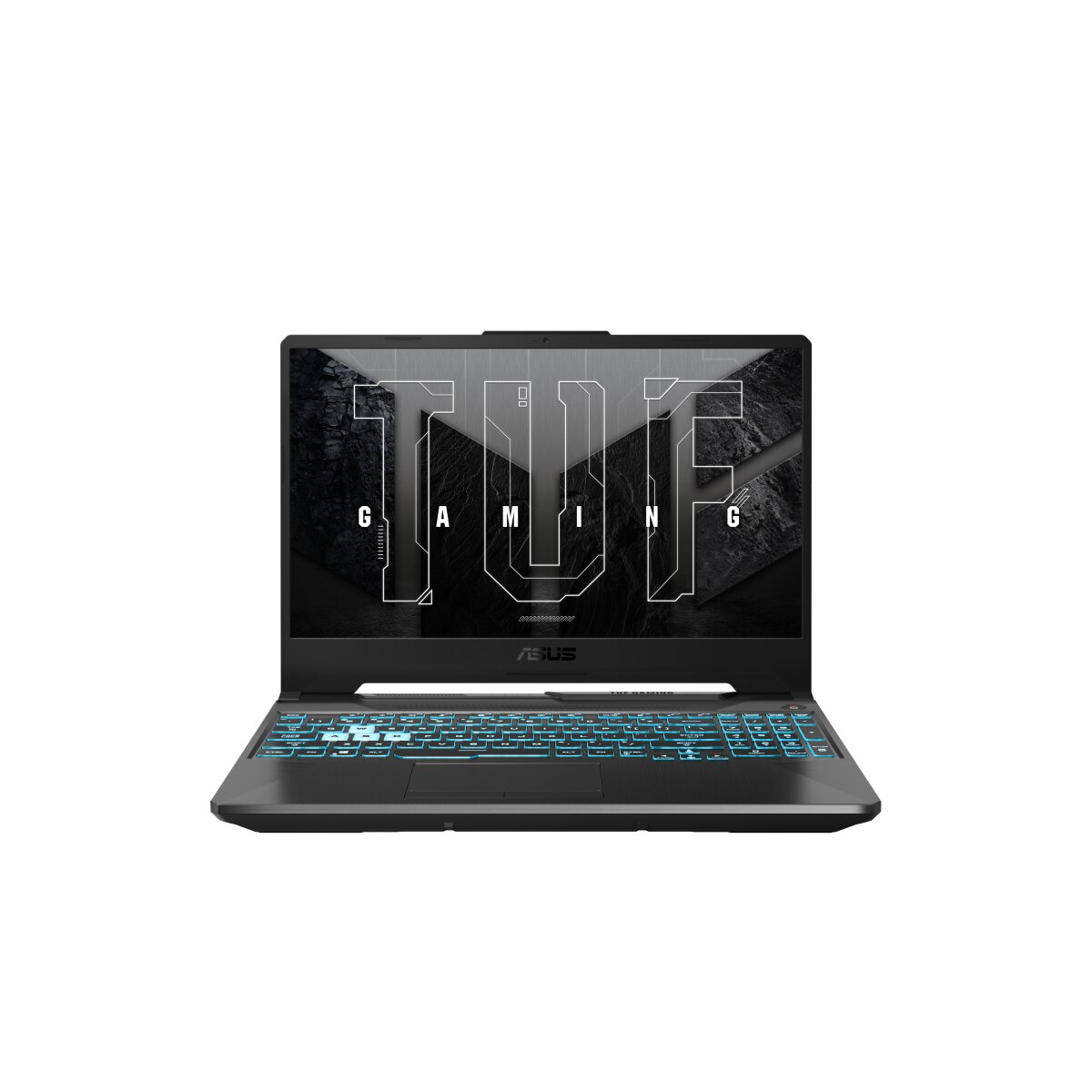
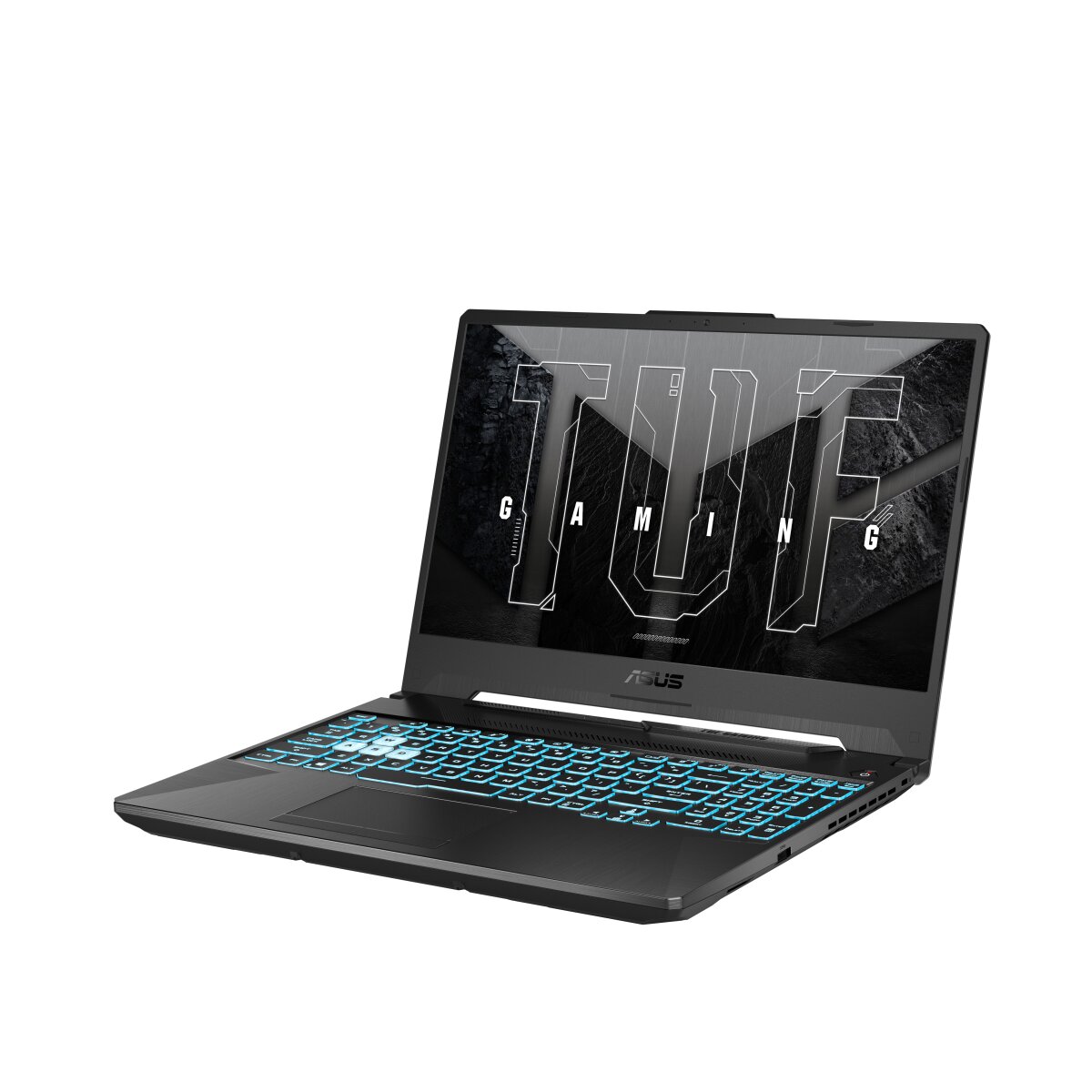
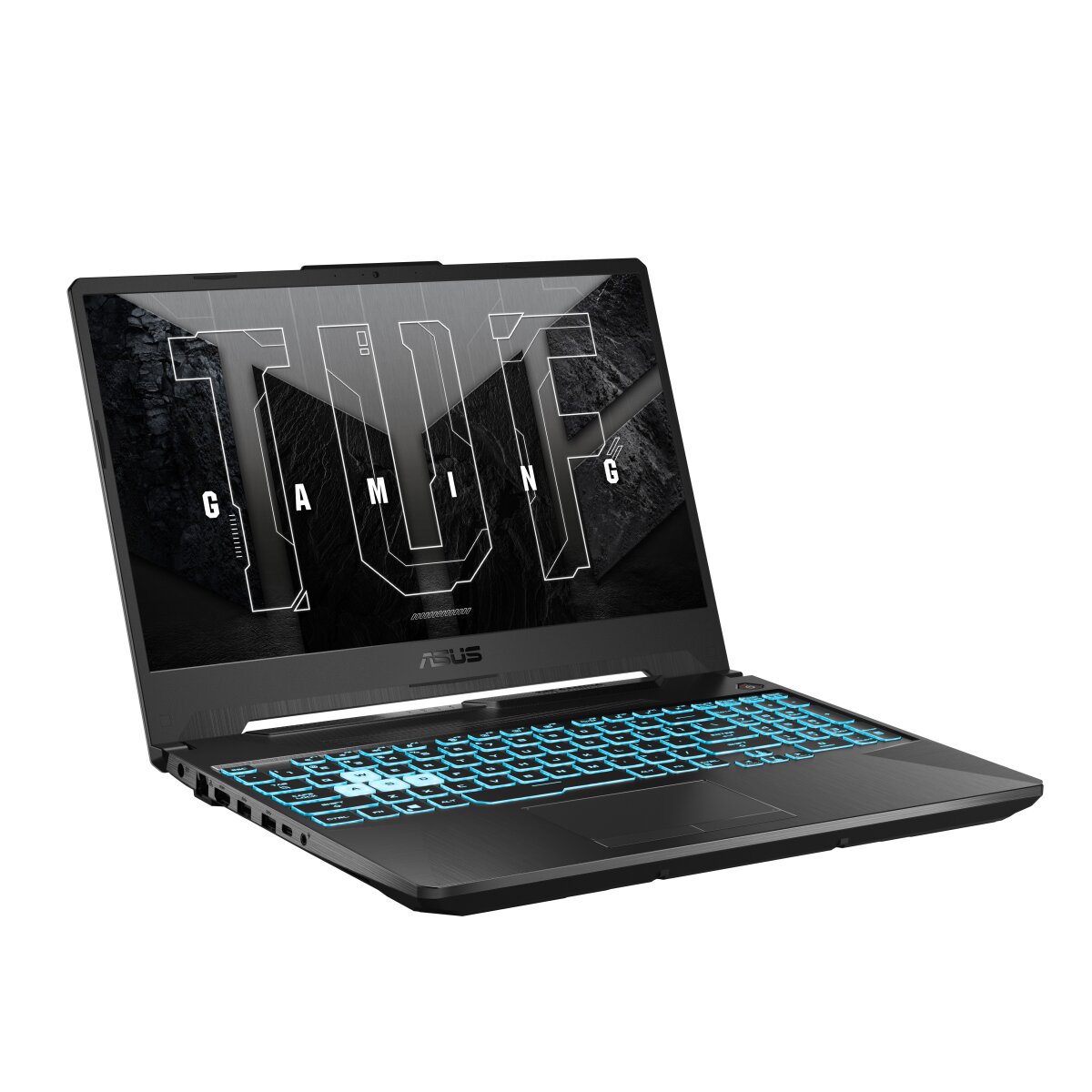
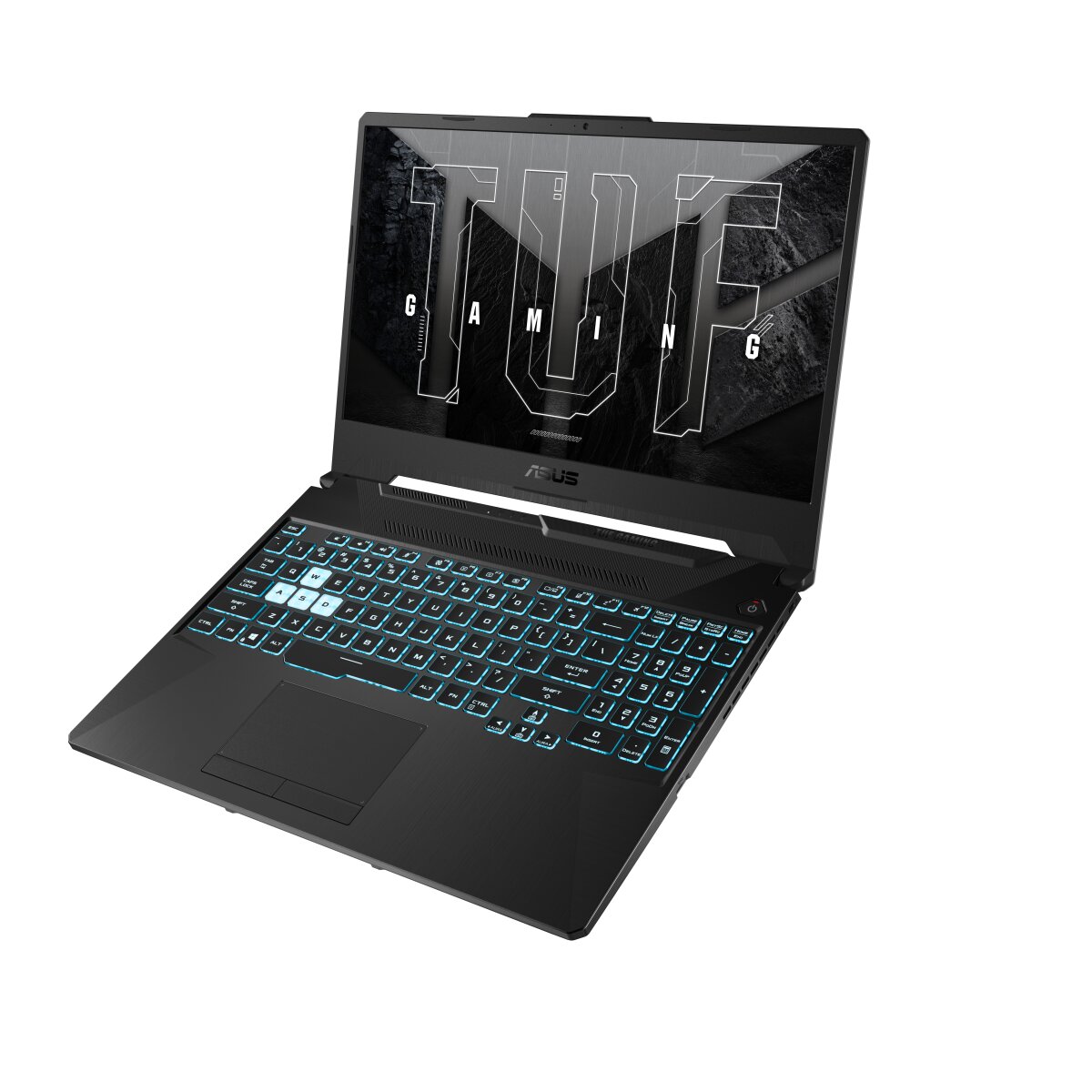
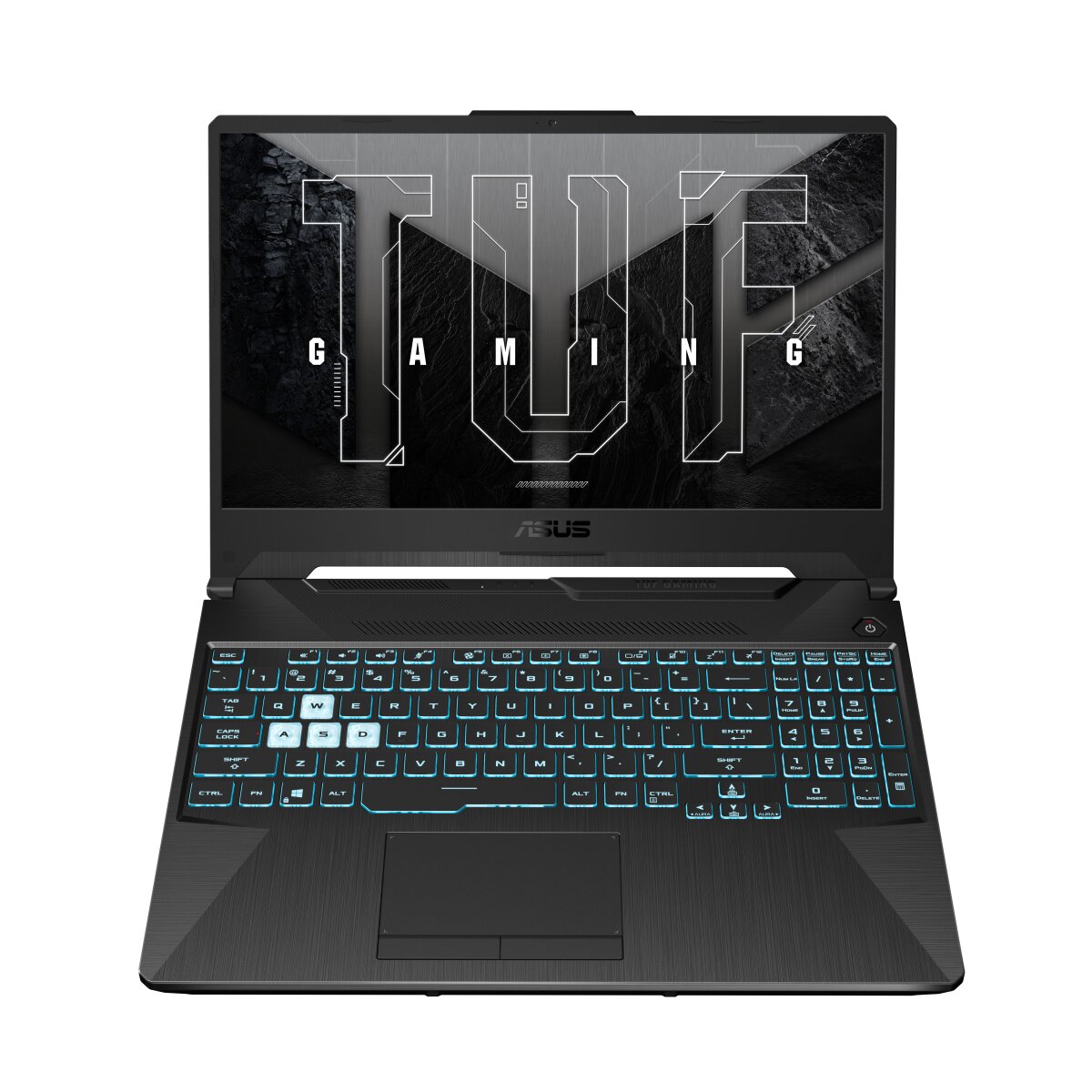
ASUS TUF Gaming F15 FX506HF-HN014 supports DDR4-SDRAM memory upgrades with two SO-DIMM slots. Maximum RAM capacity reaches 32 GB total. Compatible memory modules operate at 3200 MHz frequency. Upgrade specifications indicate support for standard SO-DIMM form factor modules. Current memory configurations on this laptop model can be expanded up to the 32 GB maximum capacity through compatible DDR4 RAM upgrades in the available slots.
Memory Upgrade Specifications
| Specification | Value |
|---|---|
| Memory slots | 2x SO-DIMM |
| Form factor | SO-DIMM |
| Memory type | DDR4-SDRAM |
| Frequency | 3200 MHz |
| Maximum RAM | 32 GB |
| Voltage | 1.2V |
| Number of pins | 260-pin |
| Interface | PC4 |
| PC Speed Rating | PC4-3200 (PC4-25600) |
| Bandwidth | 25.6 GB/s |
| Laptop Release date | 28 February 2023 |
Additional Notes
- The 2 SO-DIMM slot configuration on the ASUS TUF Gaming FX506HF-HN014 means both memory modules must be replaced simultaneously to reach the 32 GB maximum; adding a single stick to an existing module will not be possible.
- DDR4-3200 MHz represents the qualified standard for this platform; memory modules rated above 3200 MHz will operate at reduced frequency to maintain system stability and compatibility with the chipset controller.
- SO-DIMM form factor requires laptop-specific memory modules rather than desktop DDR4 sticks; desktop memory physically will not fit the slot connector despite using the same DDR4 protocol.
- Upgrading from factory configuration to 32 GB requires sourcing 2x16 GB matched pairs; mismatched capacity or frequency between slots can trigger memory channel imbalance, degrading latency performance on the second channel.
- The 3200 MHz frequency specification indicates the memory controller is bound to this speed threshold; swapping modules without voltage verification against JEDEC DDR4 standards risks BIOS compatibility even if physical installation succeeds.
- SO-DIMM slots typically support warranty-safe replacement when performed without chassis deformation; improper socket contact during installation can cause intermittent boot failures that appear unrelated to memory upgrades.