ASUS TUF Gaming FX506HM-HN004T RAM upgrade specifications



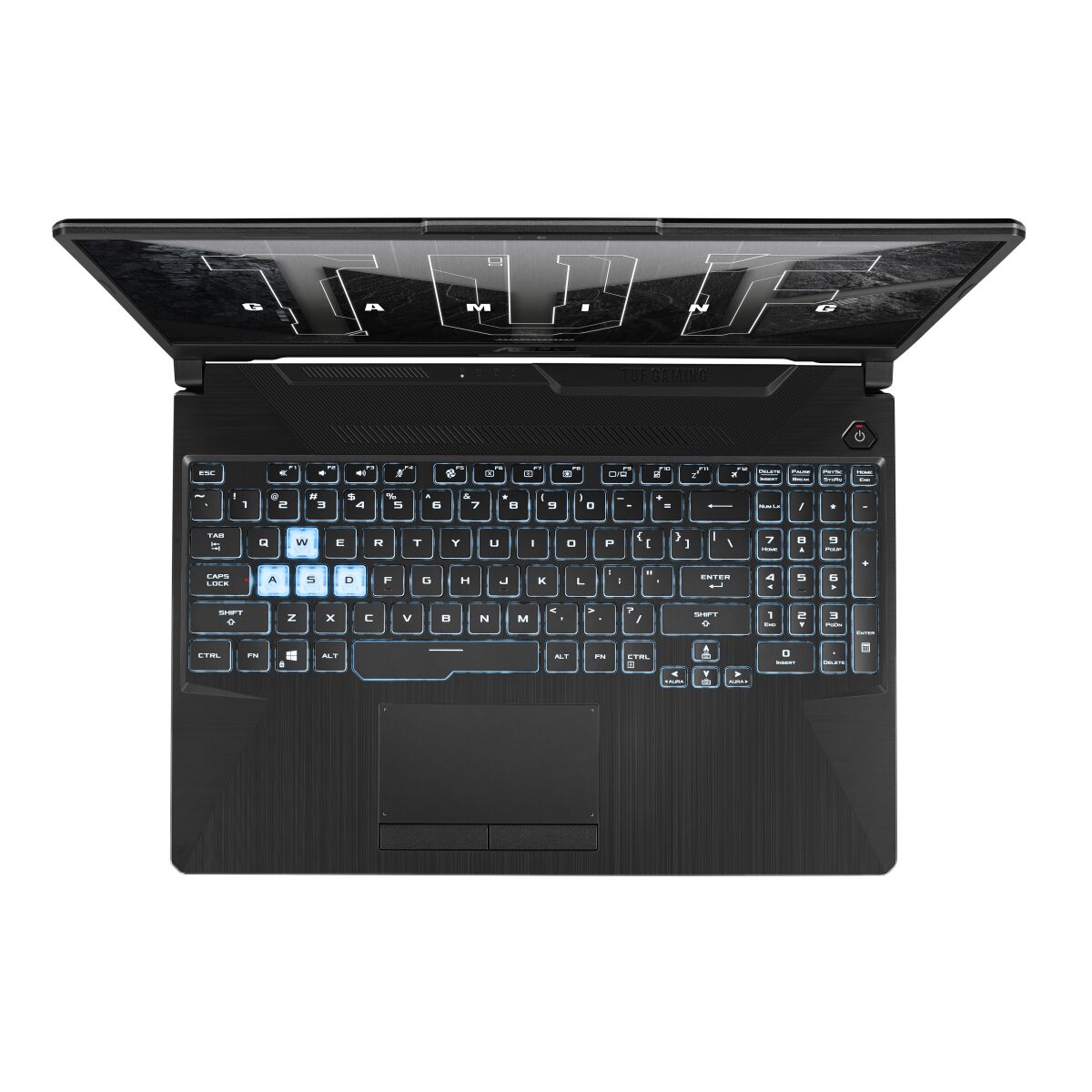
ASUS TUF Gaming F15 FX506HM-HN004T laptop features two SO-DIMM slots for DDR4-SDRAM memory upgrades. Maximum RAM capacity reaches 32 GB with compatible modules operating at 3200 MHz frequency. Specifications support dual-channel memory configuration for enhanced performance. Upgrade options accommodate standard SO-DIMM form factor modules meeting DDR4 standards, allowing users to expand memory capacity according to system requirements and compatibility parameters.
Memory Upgrade Specifications
| Specification | Value |
|---|---|
| Memory slots | 2x SO-DIMM |
| Form factor | SO-DIMM |
| Memory type | DDR4-SDRAM |
| Frequency | 3200 MHz |
| Maximum RAM | 32 GB |
| Voltage | 1.2V |
| Number of pins | 260-pin |
| Interface | PC4 |
| PC Speed Rating | PC4-3200 (PC4-25600) |
| Bandwidth | 25.6 GB/s |
| Laptop Release date | 28 February 2021 |
Additional Notes
- Dual channel mode requires pairs of identical modules to achieve peak memory bandwidth and prevent processor bottlenecks during heavy gaming or rendering tasks.
- The 32 GB ceiling necessitates replacing both existing modules if the factory configuration occupies both slots, as there are no additional ports for expansion.
- Mixing modules with different CAS latencies will force the system to default to the slower timing, potentially increasing overall memory latency.
- Operating at the maximum frequency requires the BIOS to support the specific JEDEC profile of the new hardware to avoid automatic downclocking to 2666 or 2933 MHz.
- The ASUS TUF Gaming FX506HM-HN004T motherboard utilizes a standard 260 pin physical interface which excludes the use of desktop style DIMMs or older Low Voltage DDR3 memory.
- Internal access for hardware modification requires a Phillips head screwdriver and a plastic prying tool to release the underside clips without causing structural damage to the chassis.
- Capacity upgrades beyond the specified limit are not guaranteed to function due to potential firmware restrictions within the chipset architecture.
- Installing high performance modules with integrated heat spreaders may cause fitment issues if the vertical clearance between the motherboard and the bottom case is insufficient.