ASUS TUF Gaming FX506HM-HN019T RAM upgrade specifications



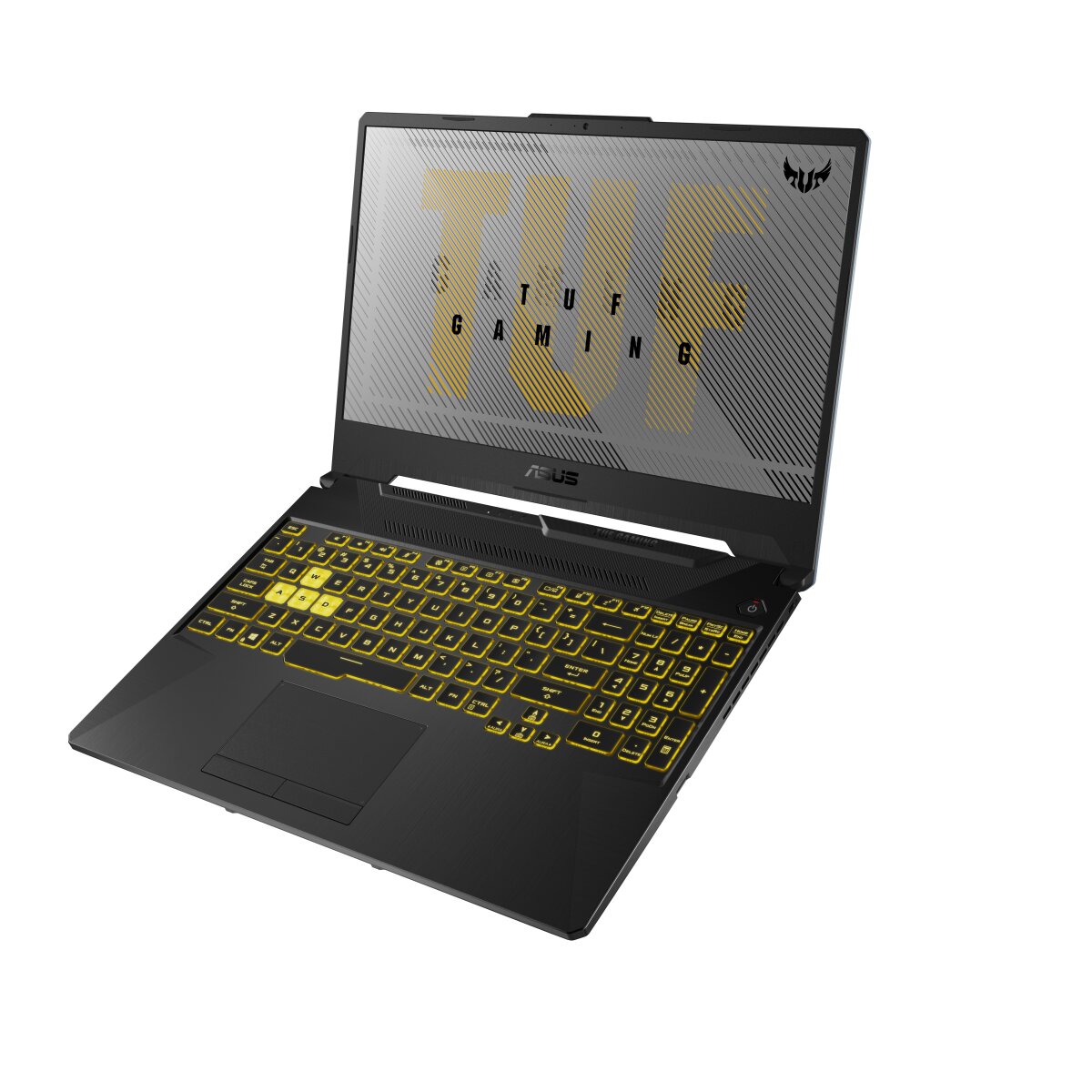

The ASUS TUF Gaming F15 FX506HM-HN019T laptop features DDR4-SDRAM memory upgrade capacity with 2x SO-DIMM slots supporting maximum RAM of 32 GB total. Memory specifications include DDR4-3200 MHz frequency compatibility. Upgrade configurations allow installation of DDR4 SO-DIMM modules to expand system memory capacity. Compatible memory modules must match DDR4 specifications and SO-DIMM form factor for proper functionality within available slots.
Memory Upgrade Specifications
| Specification | Value |
|---|---|
| Memory slots | 2x SO-DIMM |
| Form factor | SO-DIMM |
| Memory type | DDR4-SDRAM |
| Frequency | 3200 MHz |
| Maximum RAM | 32 GB |
| Voltage | 1.2V |
| Number of pins | 260-pin |
| Interface | PC4 |
| PC Speed Rating | PC4-3200 (PC4-25600) |
| Bandwidth | 25.6 GB/s |
| Laptop Release date | 23 August 2021 |
Additional Notes
- The ASUS TUF Gaming FX506HM-HN019T supports dual-channel memory architecture through its 2 SO-DIMM slots, enabling potential bandwidth doubling when matched modules are installed in both slots.
- The 32 GB maximum capacity limitation stems from chipset and BIOS constraints rather than physical slot restrictions, meaning individual module density is capped at 16 GB per slot.
- Operating at 3200 MHz requires modules rated for JEDEC DDR4-3200 standard or higher, as lower-speed modules will cause the memory controller to downclock all installed RAM to match the slowest module.
- SO-DIMM form factor modules measure 67.6 mm in length compared to standard desktop DIMM modules at 133.35 mm, making desktop memory physically incompatible with this system.
- Mixing modules with different CAS latencies will force the memory controller to operate all modules at the highest latency timing, potentially reducing performance below the capability of faster modules.
- DDR4 operates at 1.2V standard voltage, and attempting to install DDR3L or DDR3 modules will result in incompatibility due to different notch positions and voltage requirements.
- Accessing memory slots typically requires bottom panel removal, and some manufacturers void warranties when non-certified technicians perform upgrades, necessitating verification of warranty terms before modification.
- Single-channel configuration with one populated slot will halve memory bandwidth compared to dual-channel mode, creating potential bottlenecks in bandwidth-sensitive applications despite adequate capacity.
- The memory controller supports non-ECC unbuffered modules only, as SO-DIMM ECC or registered modules are electrically incompatible with consumer-grade mobile platforms.
- Thermal considerations require modules with standard height heat spreaders under 30 mm to ensure chassis clearance and avoid contact with the bottom panel when reassembled.