ASUS TUF Gaming FX506HM-HN043T RAM upgrade specifications

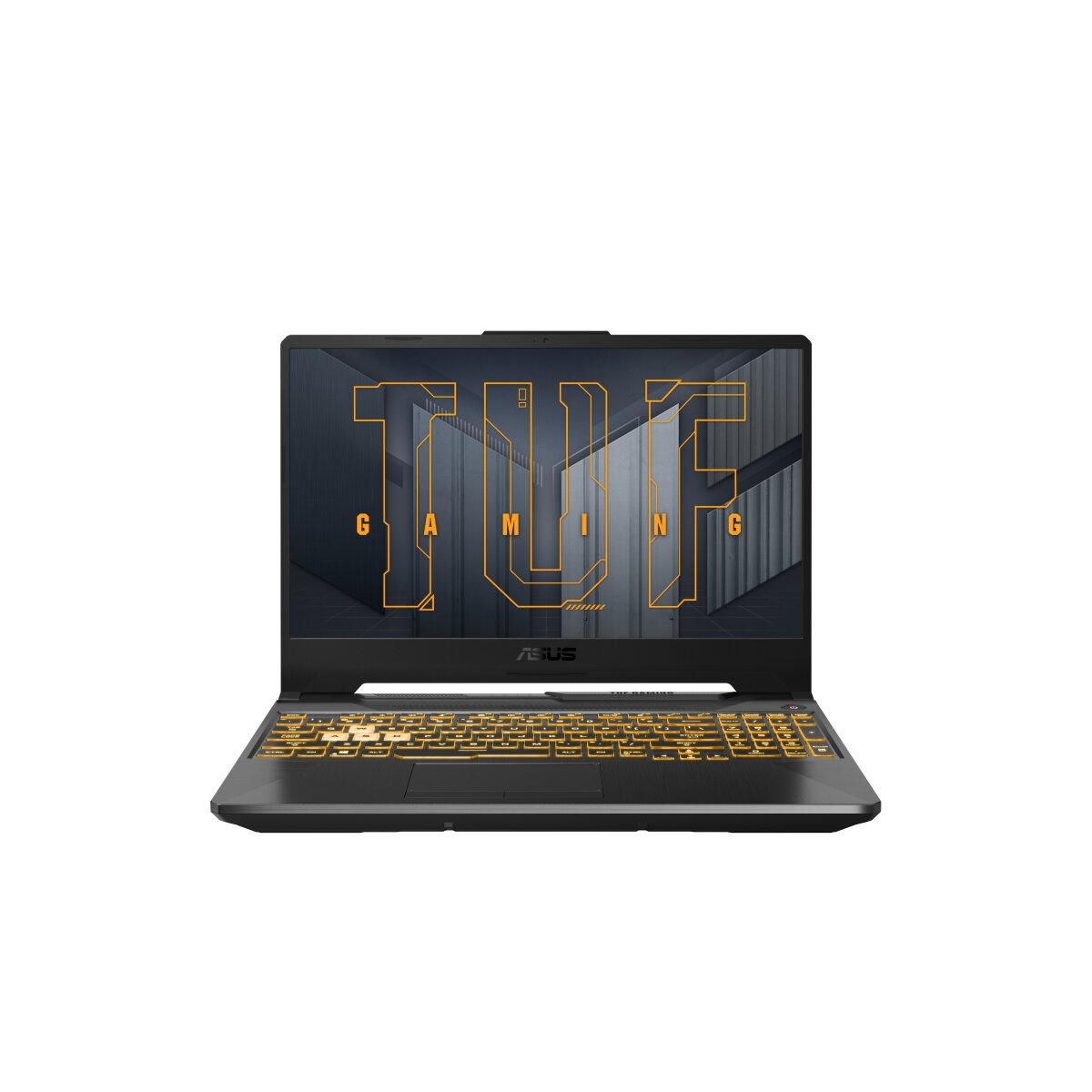
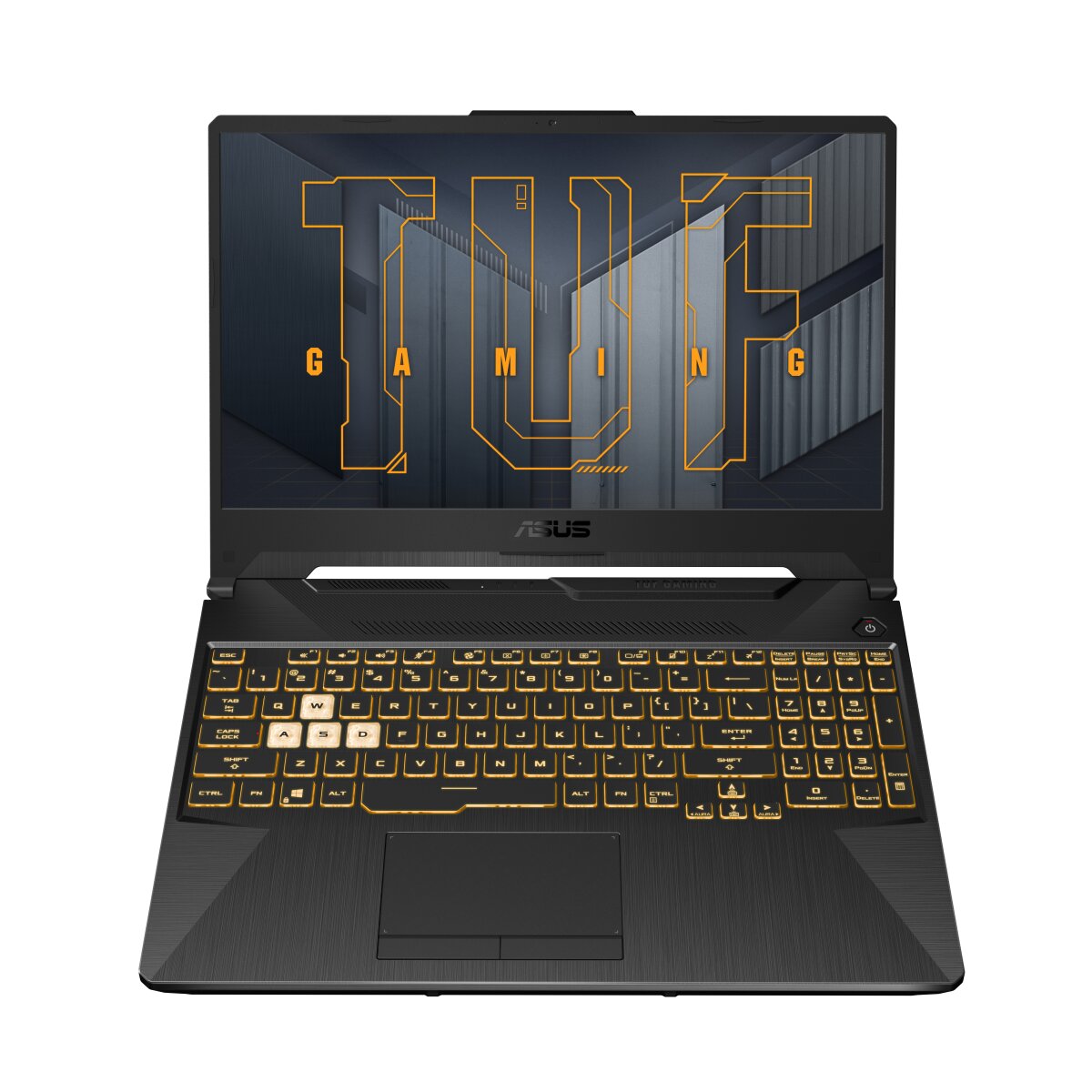
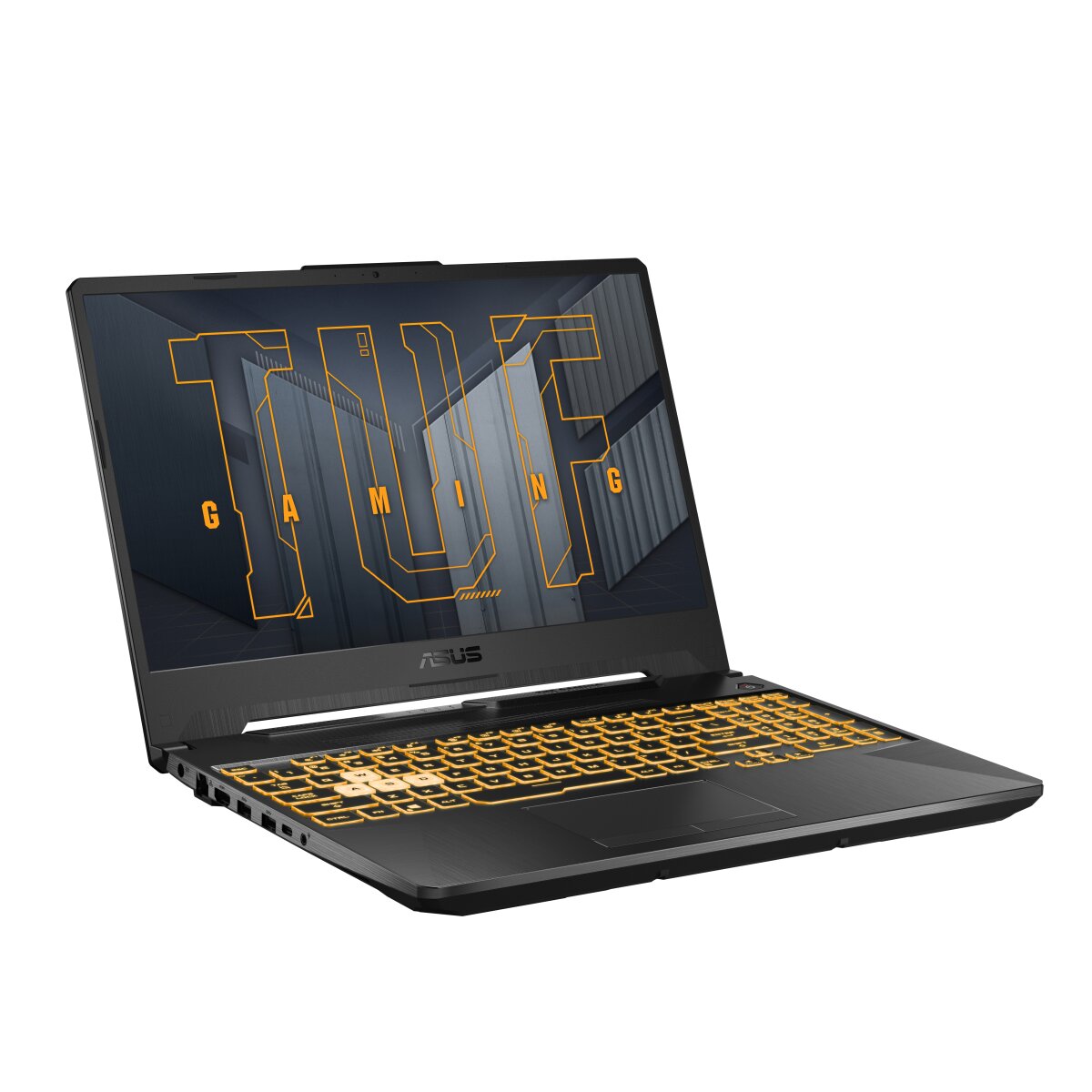
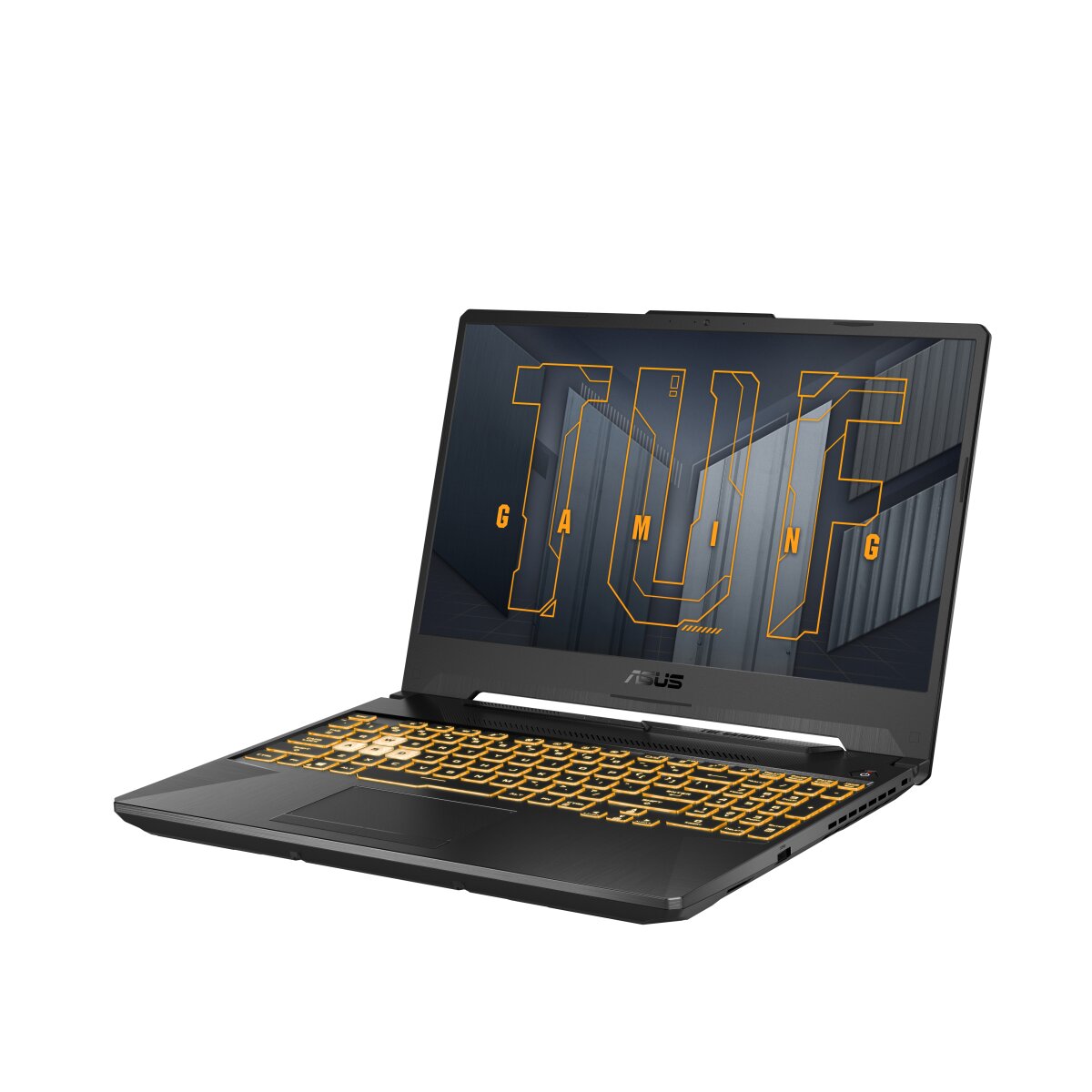
ASUS TUF Gaming F15 FX506HM-HN043T laptop RAM upgrade specifications include two SO-DIMM slots supporting DDR4-SDRAM memory modules. Maximum RAM capacity reaches 32 GB with compatible memory operating at 3200 MHz frequency. Upgrade options utilize SO-DIMM form factor modules. Specifications enable memory expansion for enhanced multitasking and performance capabilities in gaming and productivity applications.
Memory Upgrade Specifications
| Specification | Value |
|---|---|
| Memory slots | 2x SO-DIMM |
| Form factor | SO-DIMM |
| Memory type | DDR4-SDRAM |
| Frequency | 3200 MHz |
| Maximum RAM | 32 GB |
| Voltage | 1.2V |
| Number of pins | 260-pin |
| Interface | PC4 |
| PC Speed Rating | PC4-3200 (PC4-25600) |
| Bandwidth | 25.6 GB/s |
| Laptop Release date | 28 March 2021 |
Additional Notes
- The ASUS TUF Gaming FX506HM-HN043T contains 2 SO-DIMM slots, meaning both memory modules must be replaced simultaneously to achieve the 32 GB maximum, rather than adding a single module to existing RAM.
- DDR4-3200 MHz memory is no longer mainstream production stock; sourcing matched pairs with identical latency profiles may require purchasing from secondary markets or accepting older inventory, increasing lead time for upgrades.
- The 32 GB ceiling reflects 16-bit addressing constraints in this generation's memory controller; applications exceeding this threshold cannot be addressed through RAM expansion and require architectural hardware changes.
- SO-DIMM modules occupy significantly less thermal mass than standard DIMM equivalents, creating proximity constraints if aftermarket heatspreaders exceed 1.8 cm in height near the keyboard area or system cooling intakes.
- Mixing single-rank and dual-rank SO-DIMM configurations within the 2-slot architecture may trigger suboptimal memory interleaving, reducing effective bandwidth by 10-15% despite both modules meeting DDR4-3200 specifications.
- DDR4-3200 operates at 1.35 V nominal; Samsung M471B and Kingston KCP426SS8 modules commonly shipped in this laptop generation run native 2666 MHz timings, requiring manual BIOS frequency adjustment to reach rated 3200 MHz performance.