ASUS TUF Gaming FX506HM-HN045 RAM upgrade specifications

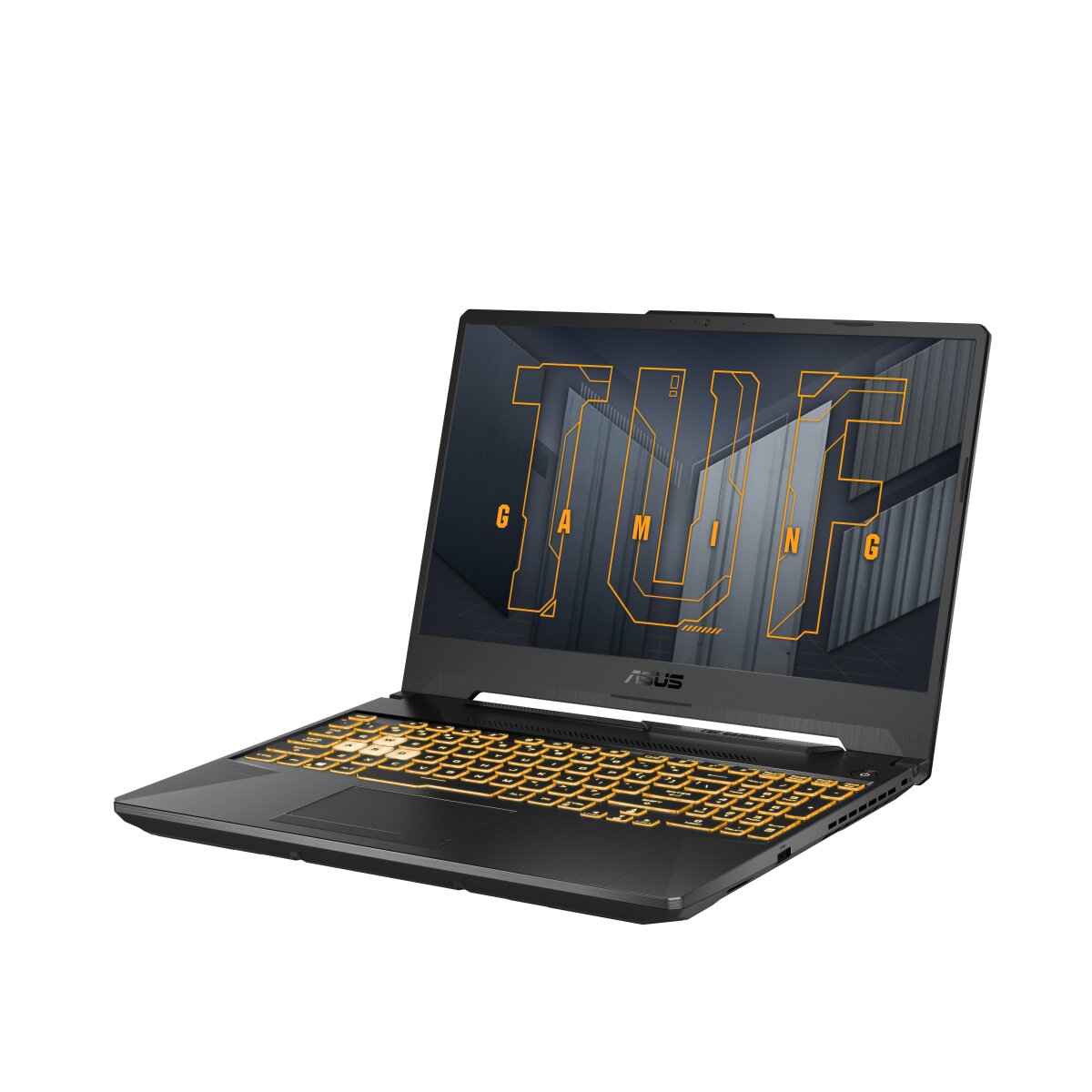
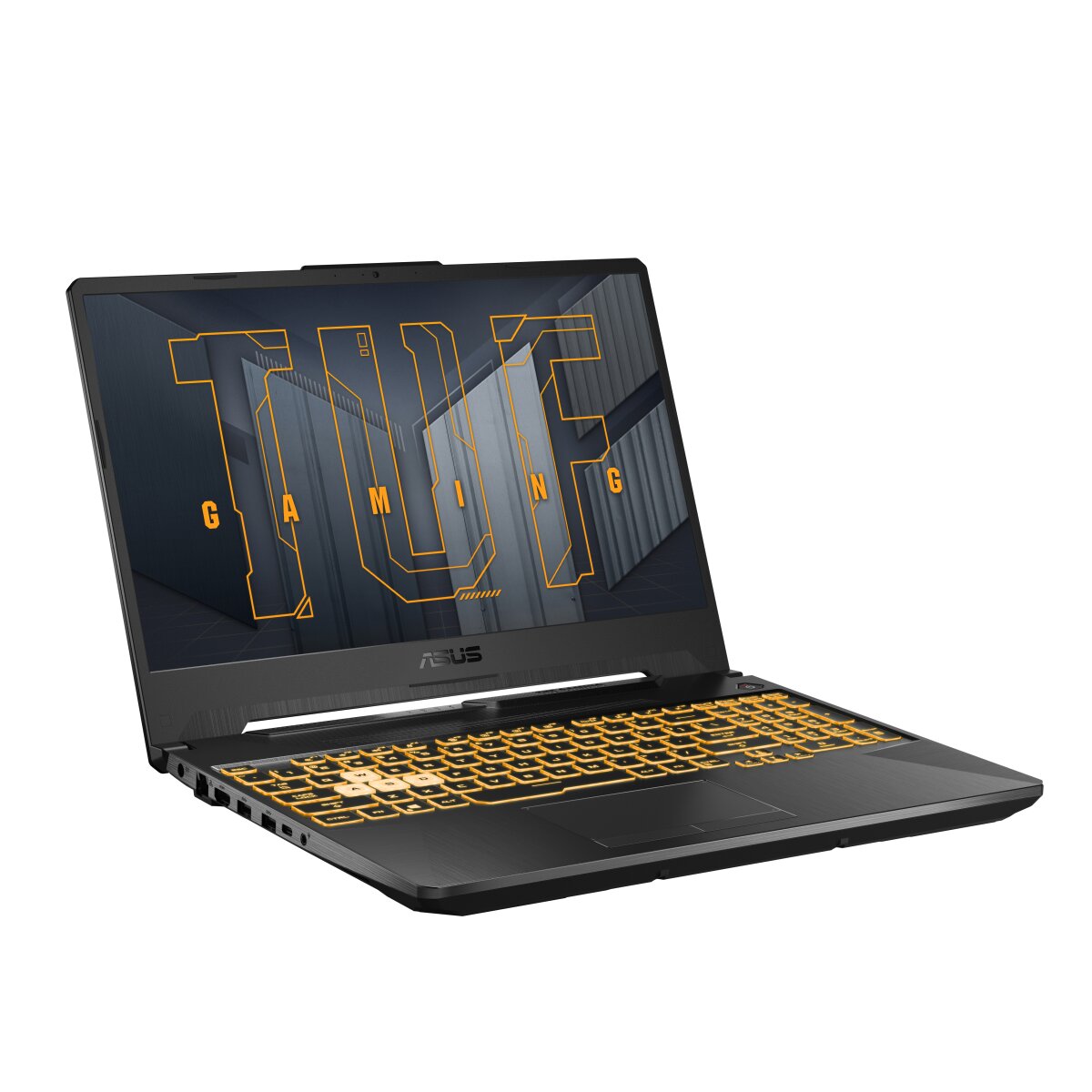
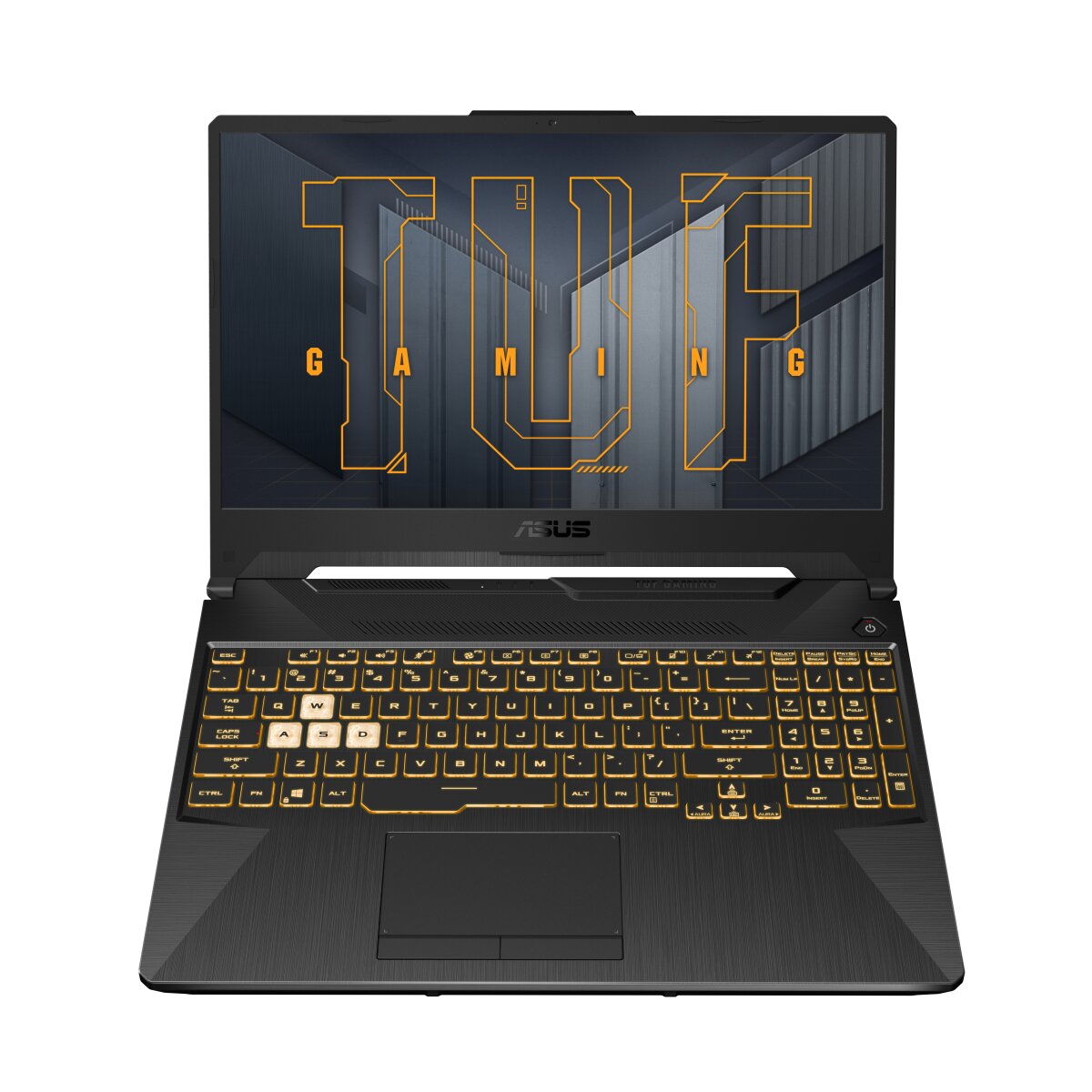
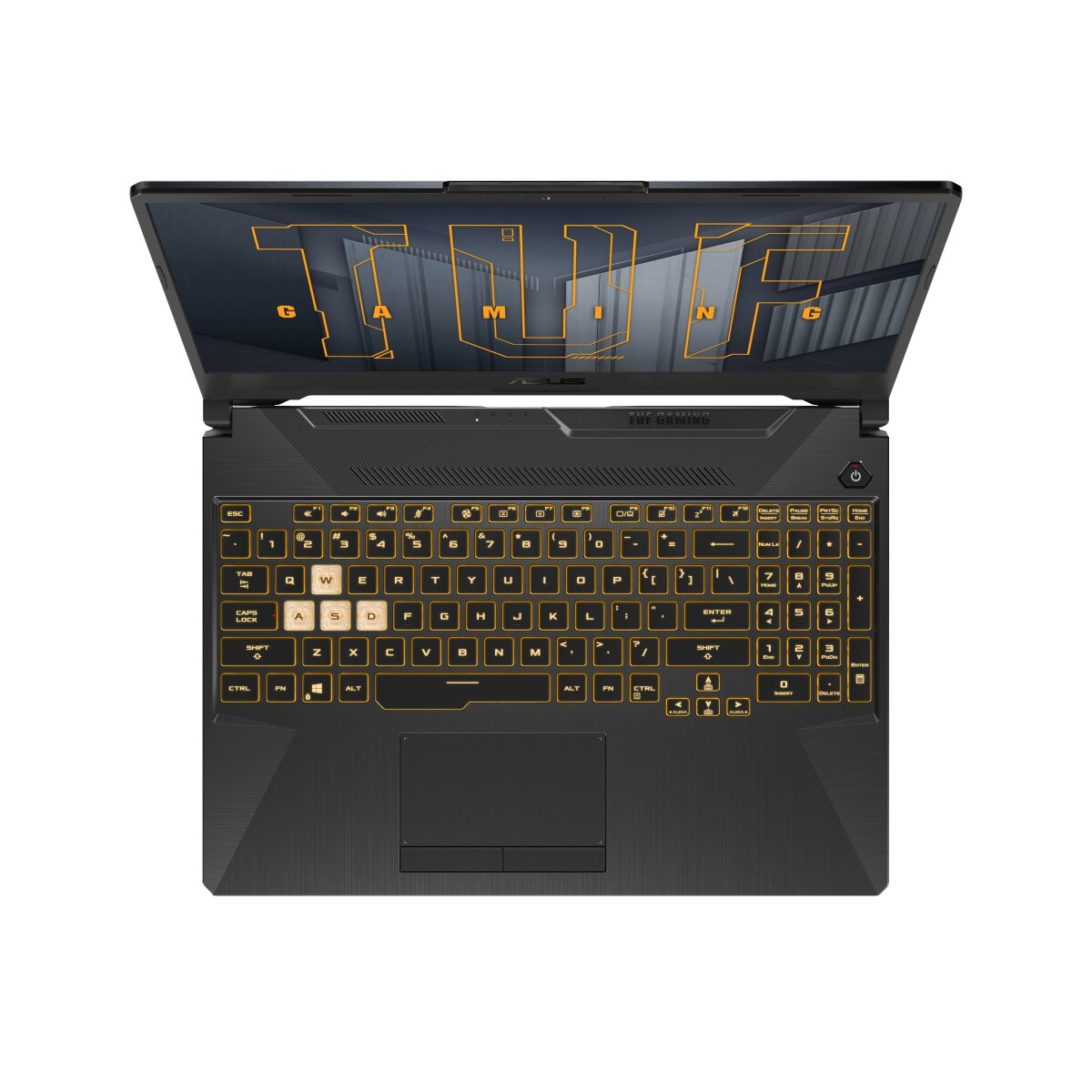
The ASUS TUF Gaming F15 FX506HM-HN045 features two SO-DIMM slots for DDR4-SDRAM memory upgrades. The laptop supports maximum RAM capacity of 32 GB total, with compatible memory specifications operating at 3200 MHz frequency. Upgrade slots accommodate standard SO-DIMM form factor modules, enabling users to expand the system's memory configuration from the factory installation to the maximum supported capacity of 32 GB.
Memory Upgrade Specifications
| Specification | Value |
|---|---|
| Memory slots | 2x SO-DIMM |
| Form factor | SO-DIMM |
| Memory type | DDR4-SDRAM |
| Frequency | 3200 MHz |
| Maximum RAM | 32 GB |
| Voltage | 1.2V |
| Number of pins | 260-pin |
| Interface | PC4 |
| PC Speed Rating | PC4-3200 (PC4-25600) |
| Bandwidth | 25.6 GB/s |
| Laptop Release date | 10 July 2021 |
Additional Notes
- The ASUS TUF Gaming FX506HM-HN045 utilizes SO-DIMM modules instead of standard desktop DIMMs, requiring physically smaller memory sticks with 260 pins rather than the 288-pin desktop variants.
- Both memory channels must be populated with identical capacity modules to enable dual-channel operation, which doubles the theoretical memory bandwidth from 25.6 GB/s to 51.2 GB/s per channel.
- The 3200 MHz frequency specification indicates DDR4-3200 or PC4-25600 rating, which establishes a minimum data transfer rate requirement for compatible modules.
- Mixing modules with different speeds will force all installed memory to operate at the frequency of the slowest module, negating any bandwidth advantages of higher-rated sticks.
- The 32 GB maximum capacity constraint limits individual module size to 16 GB each, making 8 GB paired configurations the mid-range option and anything below 4 GB per slot underutilization of available capacity.
- Non-matching timings between modules, even at identical frequencies, can introduce latency penalties or prevent the system from booting until BIOS defaults to conservative timing settings.
- Upgrading from single-channel to dual-channel configuration typically requires removing existing memory rather than simply adding a second module, unless the factory configuration already reserves one slot.
- Memory voltage specification for DDR4-3200 standardizes at 1.2V, though modules requiring 1.35V or higher XMP profiles may not achieve rated speeds without BIOS support or manual configuration.
- The SO-DIMM form factor requires clearance verification between memory modules and any bottom-panel components, though this chassis design typically accommodates standard module heights of 30mm.
- Installing non-JEDEC standard speeds above 3200 MHz will likely result in the system defaulting to 2933 MHz or 3200 MHz unless the chipset and BIOS support overclocked memory profiles.