ASUS TUF Gaming FX506LH-BQ034 RAM upgrade specifications
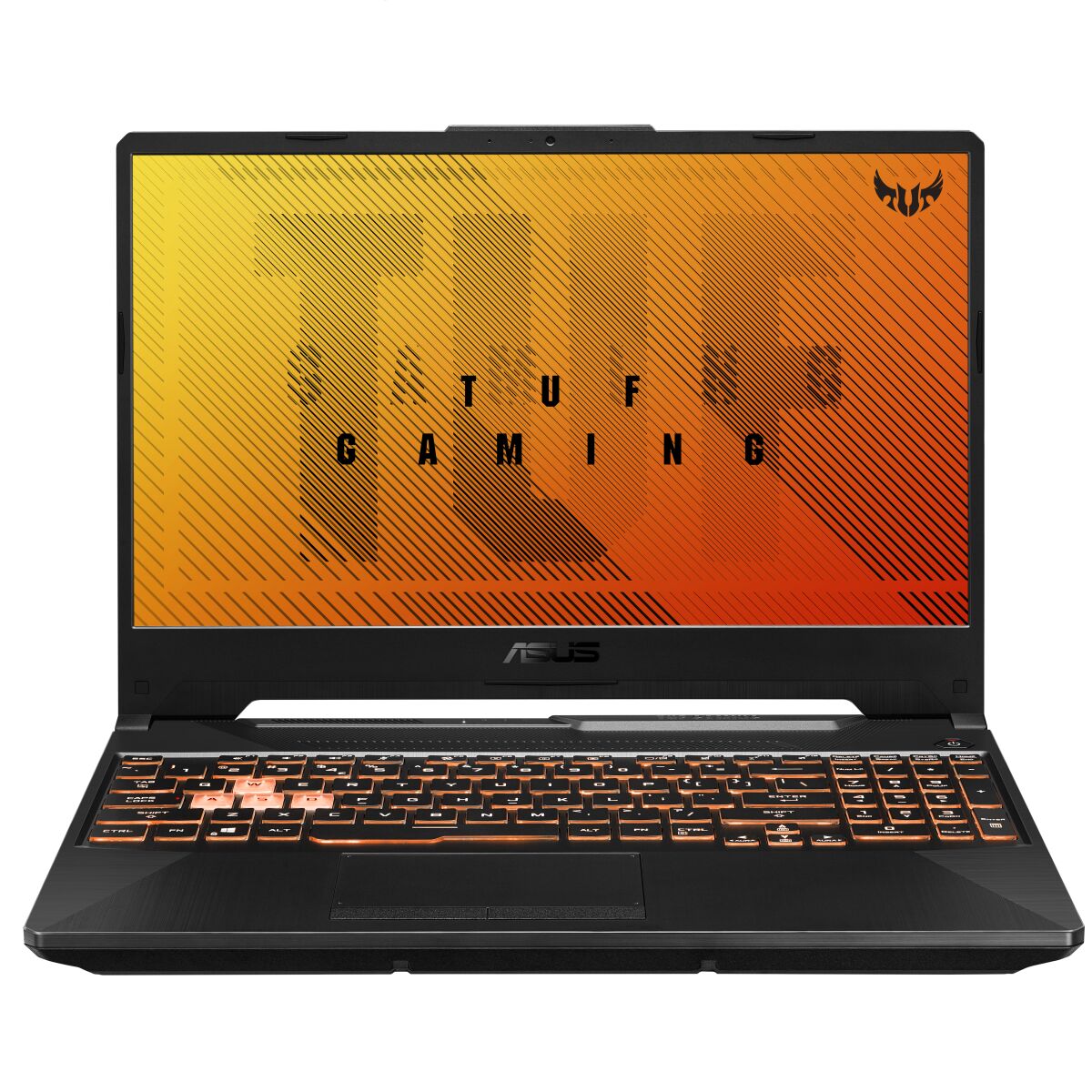

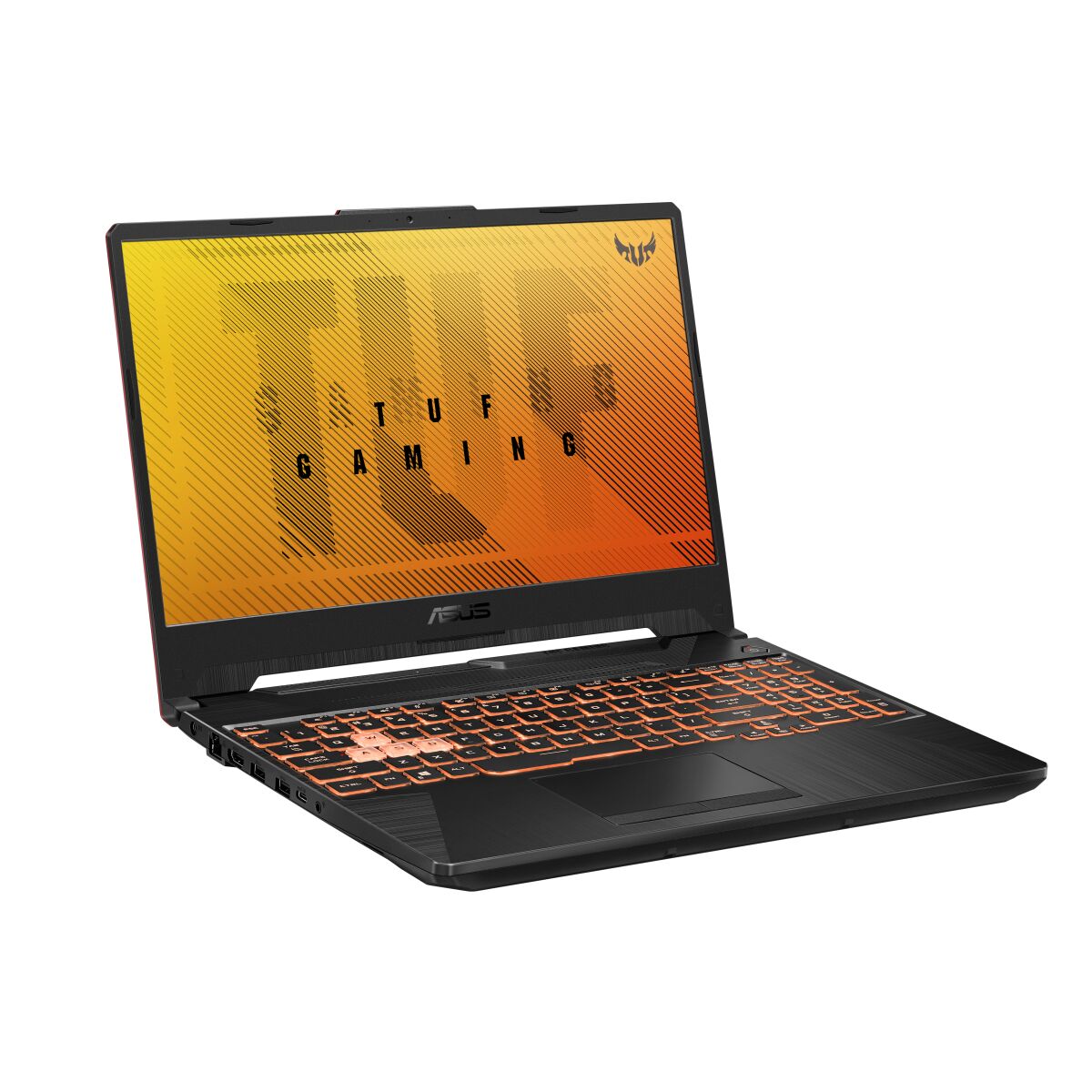
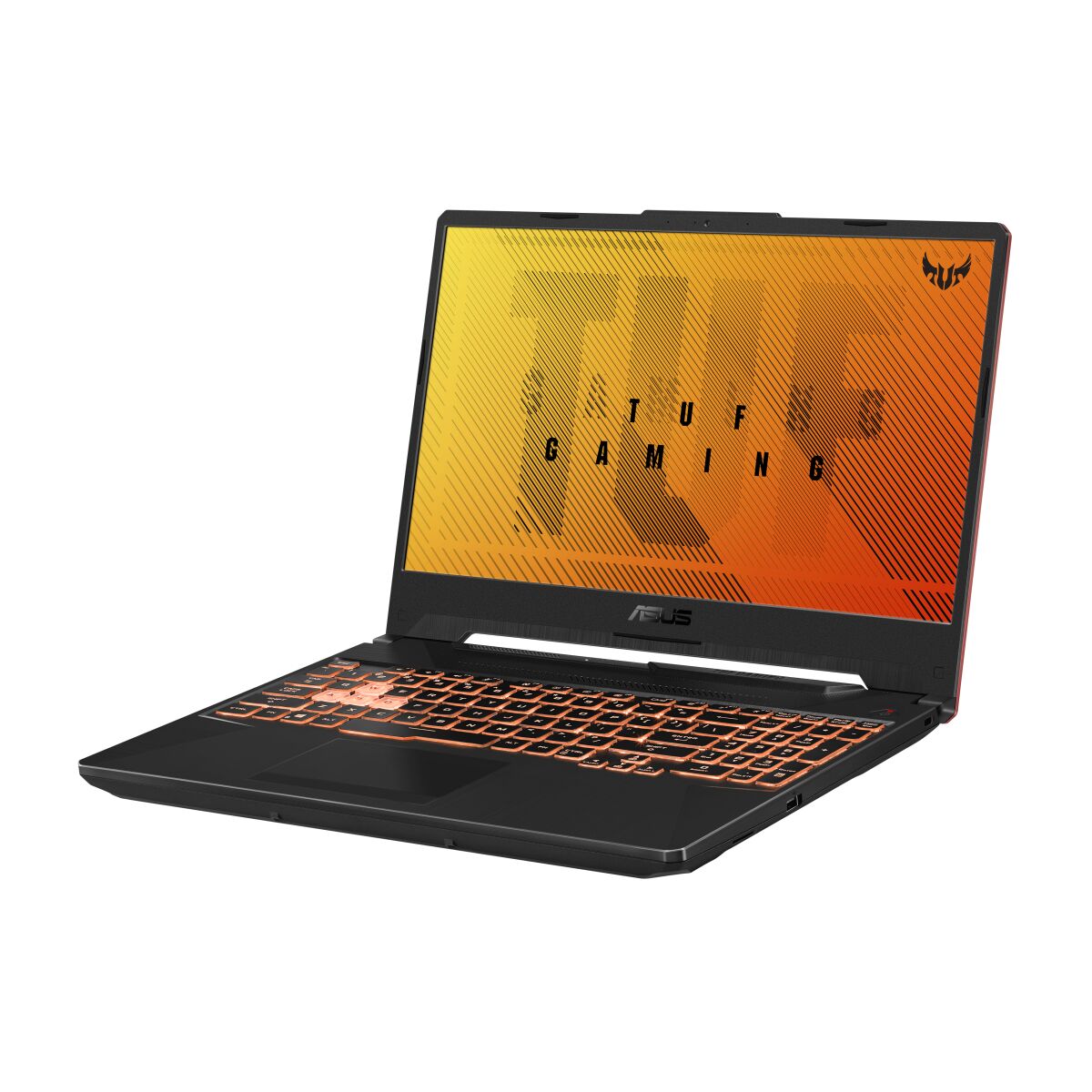
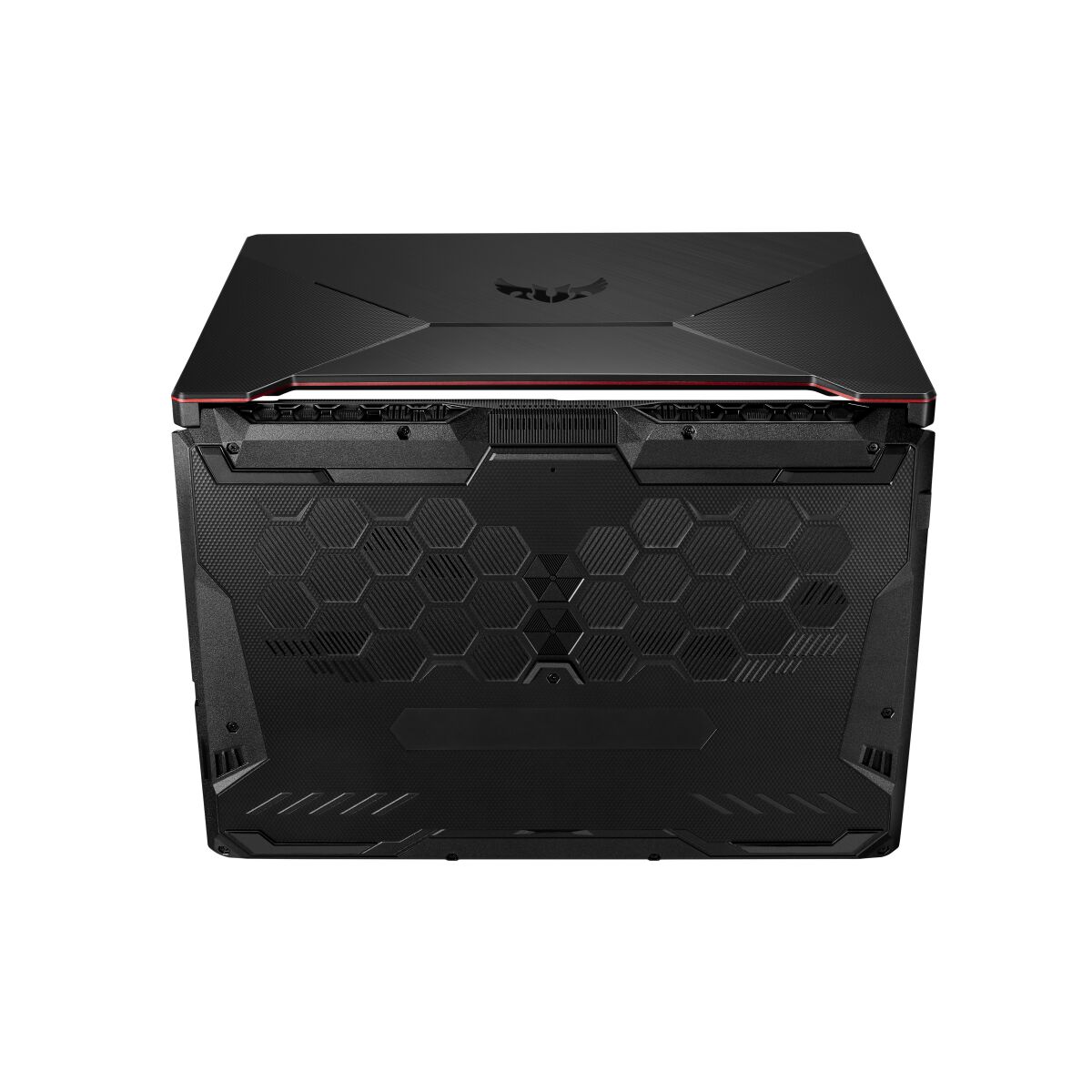
ASUS TUF Gaming F15 FX506LH-BQ034 laptop features two SO-DIMM memory slots supporting DDR4-SDRAM upgrades. The system specifications indicate maximum RAM capacity of 32 GB, with compatible memory operating at 2933 MHz frequency. Upgrade slots accommodate DDR4 SO-DIMM modules, enabling users to expand memory capacity beyond factory configuration. Specifications allow for dual-channel memory configuration to enhance system performance on the FX506LH-BQ034 model.
Memory Upgrade Specifications
| Specification | Value |
|---|---|
| Memory slots | 2x SO-DIMM |
| Form factor | SO-DIMM |
| Memory type | DDR4-SDRAM |
| Frequency | 2933 MHz |
| Maximum RAM | 32 GB |
| Voltage | 1.2V |
| Number of pins | 260-pin |
| Interface | PC4 |
| PC Speed Rating | PC4-2933 (PC4-23464) |
| Bandwidth | 23.5 GB/s |
| Laptop Release date | 01 March 2021 |
Additional Notes
- The 2x SO-DIMM slot configuration permits dual-channel memory operation only when both slots contain matching capacity modules, otherwise single-channel bandwidth degradation occurs.
- DDR4-2933 MHz frequency on the ASUS TUF Gaming FX506LH-BQ034 operates below standard DDR4-3200 speeds, reducing memory bandwidth available to the processor and discrete GPU by approximately 8 percent compared to faster DDR4 variants.
- The 32 GB maximum capacity ceiling restricts future expansion; adding a single 32 GB module to one slot leaves the second slot empty, creating an asymmetrical memory configuration that may reduce performance relative to balanced dual-channel setup.
- SO-DIMM form factor requires laptop-specific memory modules rather than desktop counterparts, limiting sourcing flexibility and typically increasing cost per gigabyte versus standard DIMM alternatives.
- Warranty coverage remains intact during RAM upgrades on this model since memory is classified as user-replaceable; however, installation must avoid contact with other internal components to prevent accidental damage claims.
- The 2933 MHz specification indicates this generation laptop predates DDR4-3200 standardization, meaning newer high-frequency RAM modules operate at reduced clock speeds when installed, providing no performance benefit over native-speed equivalents.
- Populating both slots symmetrically with matching capacity modules (either 2x8 GB or 2x16 GB configurations) is mandatory to maintain inter-channel latency parity and achieve rated system performance.