ASUS TUF Gaming FX506LH-BQ034T RAM upgrade specifications


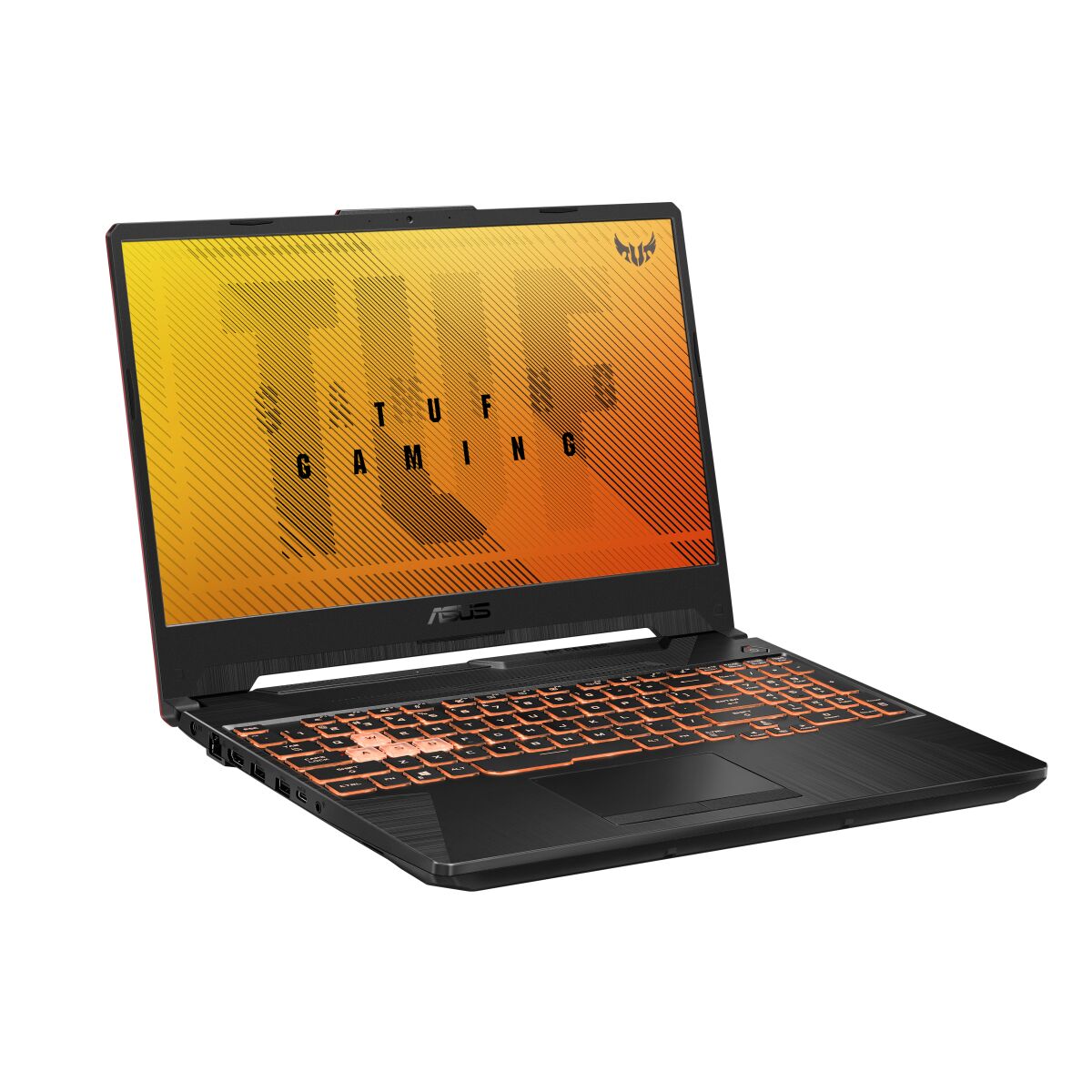
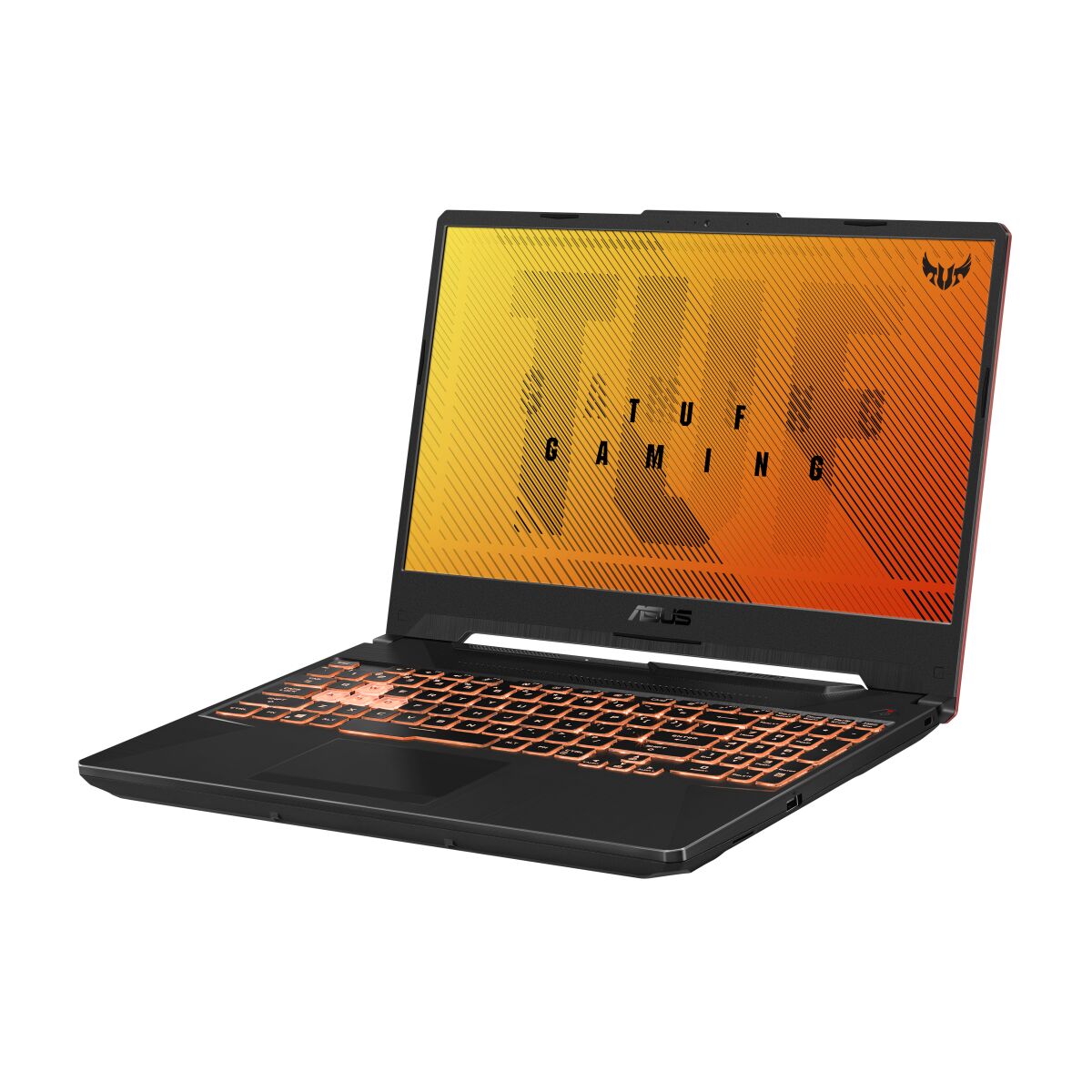
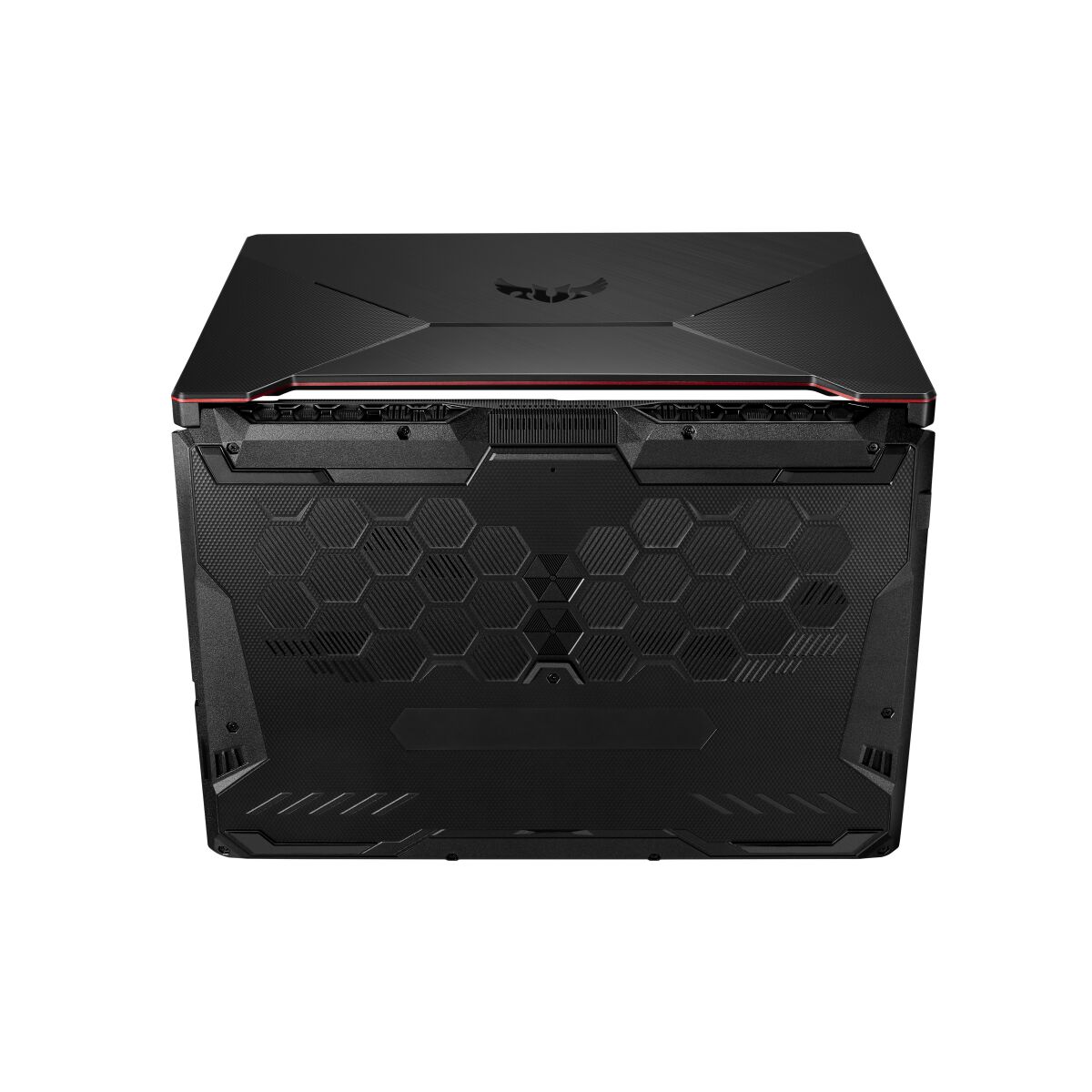
The ASUS TUF Gaming F15 FX506LH-BQ034T features DDR4-SDRAM memory with 2x SO-DIMM slots supporting maximum capacity of 32 GB. Upgrade specifications indicate compatible memory modules operate at 2933 MHz frequency. The laptop supports DDR4 SO-DIMM form factor for memory expansion, allowing users to increase system RAM from factory configuration. Maximum memory capacity reaches 32 GB when both upgrade slots accommodate compatible DDR4 modules at specified frequencies.
Memory Upgrade Specifications
| Specification | Value |
|---|---|
| Memory slots | 2x SO-DIMM |
| Form factor | SO-DIMM |
| Memory type | DDR4-SDRAM |
| Frequency | 2933 MHz |
| Maximum RAM | 32 GB |
| Voltage | 1.2V |
| Number of pins | 260-pin |
| Interface | PC4 |
| PC Speed Rating | PC4-2933 (PC4-23464) |
| Bandwidth | 23.5 GB/s |
| Laptop Release date | 01 March 2021 |
Additional Notes
- The ASUS TUF Gaming FX506LH-BQ034T supports dual-channel memory architecture through its 2 SO-DIMM slots, enabling theoretical bandwidth doubling compared to single-channel configurations when matched modules are installed.
- Native 2933 MHz operation requires 10th generation Intel Core processors or newer, as earlier CPU generations will downclock modules to their maximum supported frequency.
- The 32 GB ceiling translates to a maximum of 2 modules at 16 GB each, as SO-DIMM physical limitations prevent higher-density consumer modules in DDR4 standard.
- Mixing modules with different speeds will force all installed memory to operate at the lowest common frequency, potentially underutilizing faster modules.
- Non-matching CAS latency timings between modules may cause system instability or POST failure, even when frequency specifications align.
- SO-DIMM installation requires accessing the bottom panel, which typically involves removing warranty-sealed screws on gaming laptops of this generation.
- Voltage deviations from the standard DDR4 1.2V specification may reduce module lifespan or trigger thermal throttling in confined laptop chassis.
- Single-rank versus dual-rank module topology affects memory interleaving performance, with mixed configurations potentially degrading bandwidth efficiency.
- The memory controller on compatible processors supports ECC detection but not correction in consumer variants, limiting error recovery capabilities.
- Installing maximum capacity reduces future upgrade flexibility, as both slots become occupied with no expansion path beyond replacement.