ASUS TUF Gaming FX506LH-HN042W-BE RAM upgrade specifications



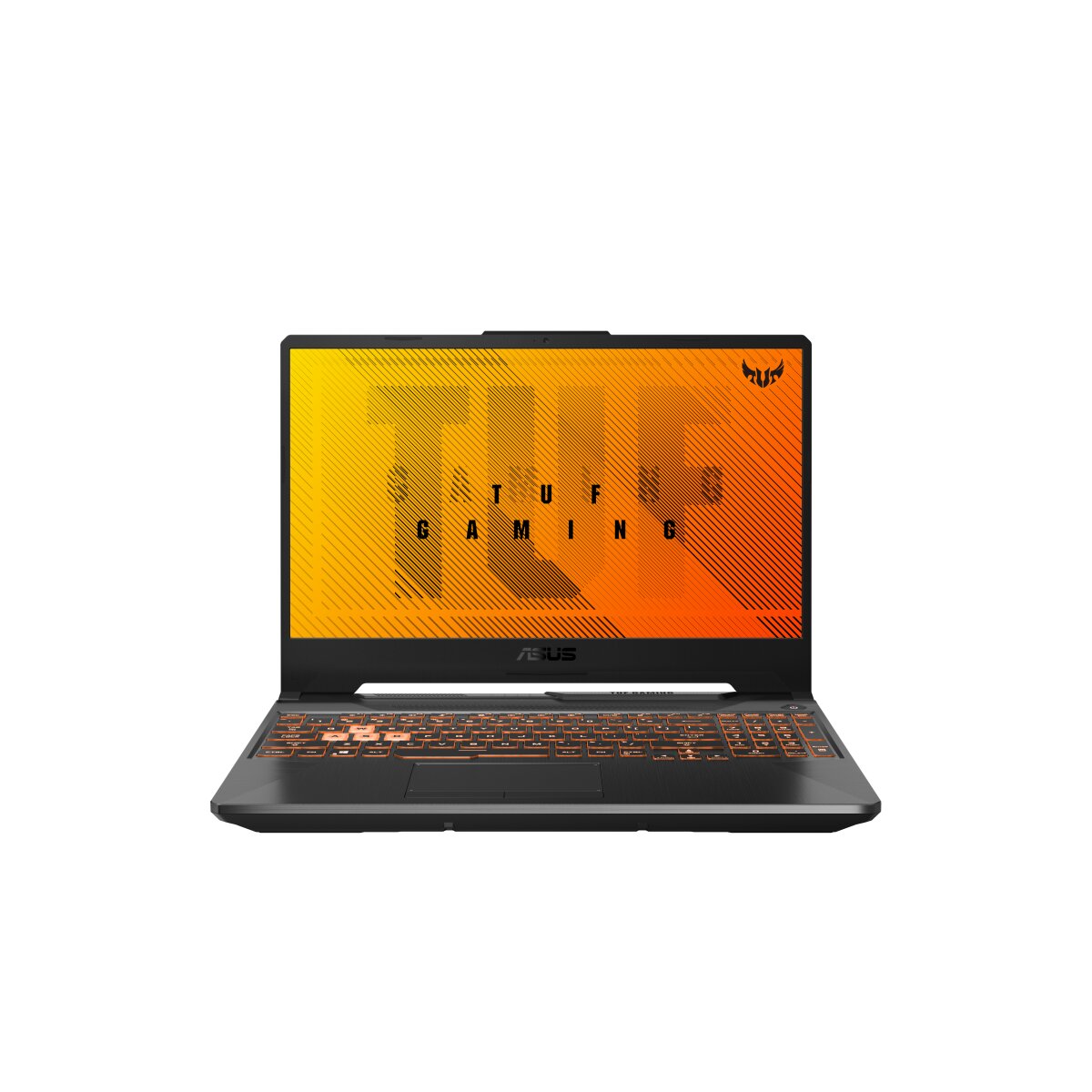

The ASUS TUF Gaming F15 series FX506LH-HN042W-BE features DDR4-SDRAM memory upgradeable through 2x SO-DIMM slots. Maximum RAM capacity reaches 32 GB total, with memory specifications operating at 2933 MHz frequency. Compatible SO-DIMM modules enable memory upgrades to expand system performance and multitasking capabilities on this gaming laptop model.
Memory Upgrade Specifications
| Specification | Value |
|---|---|
| Memory slots | 2x SO-DIMM |
| Form factor | SO-DIMM |
| Memory type | DDR4-SDRAM |
| Frequency | 2933 MHz |
| Maximum RAM | 32 GB |
| Voltage | 1.2V |
| Number of pins | 260-pin |
| Interface | PC4 |
| PC Speed Rating | PC4-2933 (PC4-23464) |
| Bandwidth | 23.5 GB/s |
| Laptop Release date | 20 January 2022 |
Additional Notes
- The ASUS TUF Gaming FX506LH-HN042W-BE supports dual-channel memory architecture, enabling symmetric bandwidth delivery across both slots; operating with mismatched capacities forces single-channel operation on the smaller module.
- DDR4-2933 MHz operation represents JEDEC standard timing rather than overclocked performance; third-party DDR4-3000 or DDR4-3200 modules will downclock to 2933 MHz unless BIOS manually overrides the memory profile, which may void certain manufacturer protections.
- The 32 GB ceiling translates to 16 GB per slot maximum; upgrading beyond factory configuration requires both SO-DIMM sockets populated to achieve the full 32 GB capacity.
- SO-DIMM dimensions (67.6 x 30 mm) create tight clearance constraints near CPU cooler mounting brackets; taller aftermarket heatsinks may physically interfere with module installation or removal, necessitating cooler removal during memory service.
- Latency penalties emerge when populating empty slots; transitioning from single to dual-channel configuration reduces per-core L3 cache effectiveness by approximately 5-8 percent during bandwidth-saturated workloads, offsetting some throughput gains.
- Memory firmware incompatibility occurs when mixing generations; pairing older DDR4-2666 stock modules with newer DDR4-3000 variants causes the system to operate at 2933 MHz while reporting CAS latency conflicts in BIOS reporting utilities.