ASUS TUF Gaming FX506LH-HN042 RAM upgrade specifications
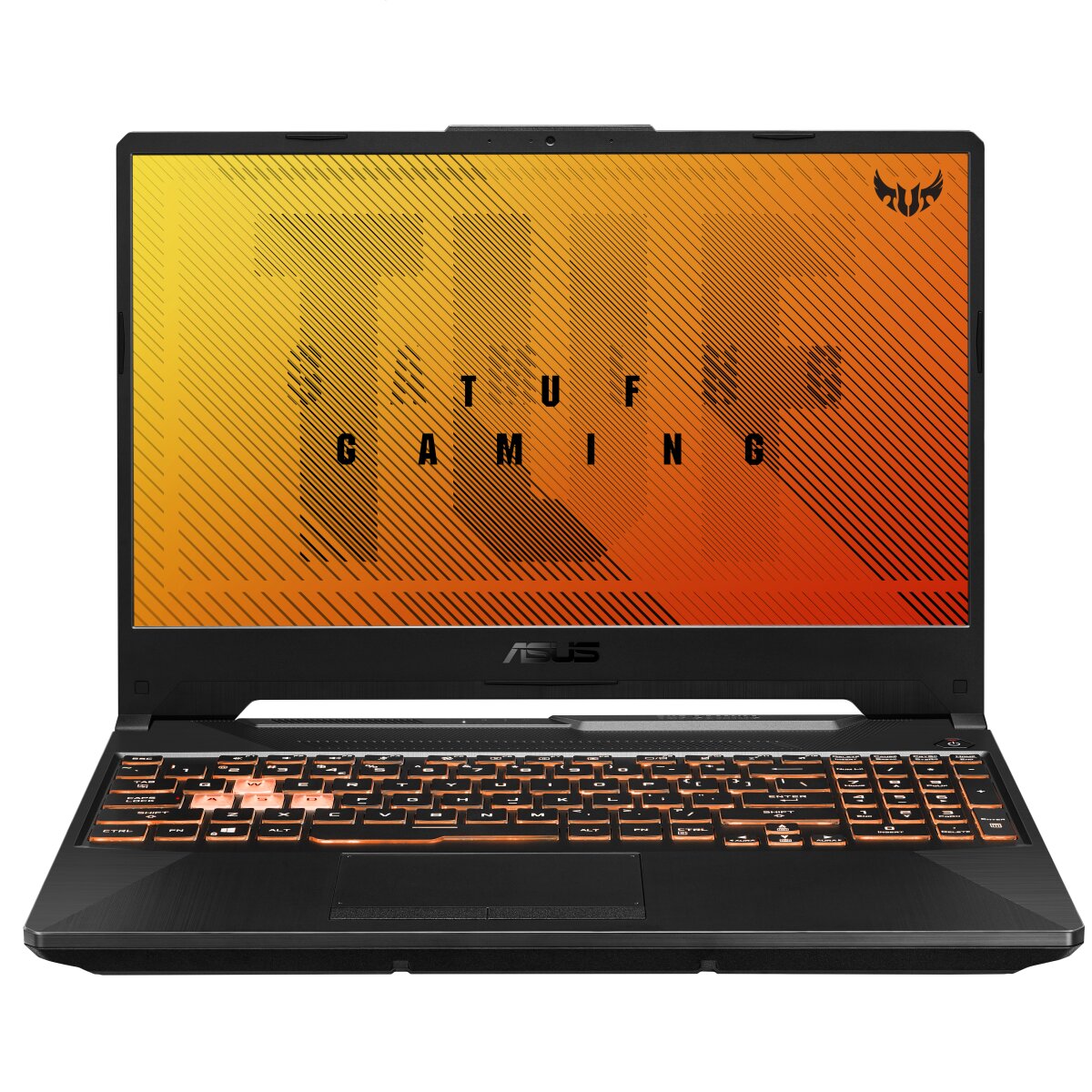
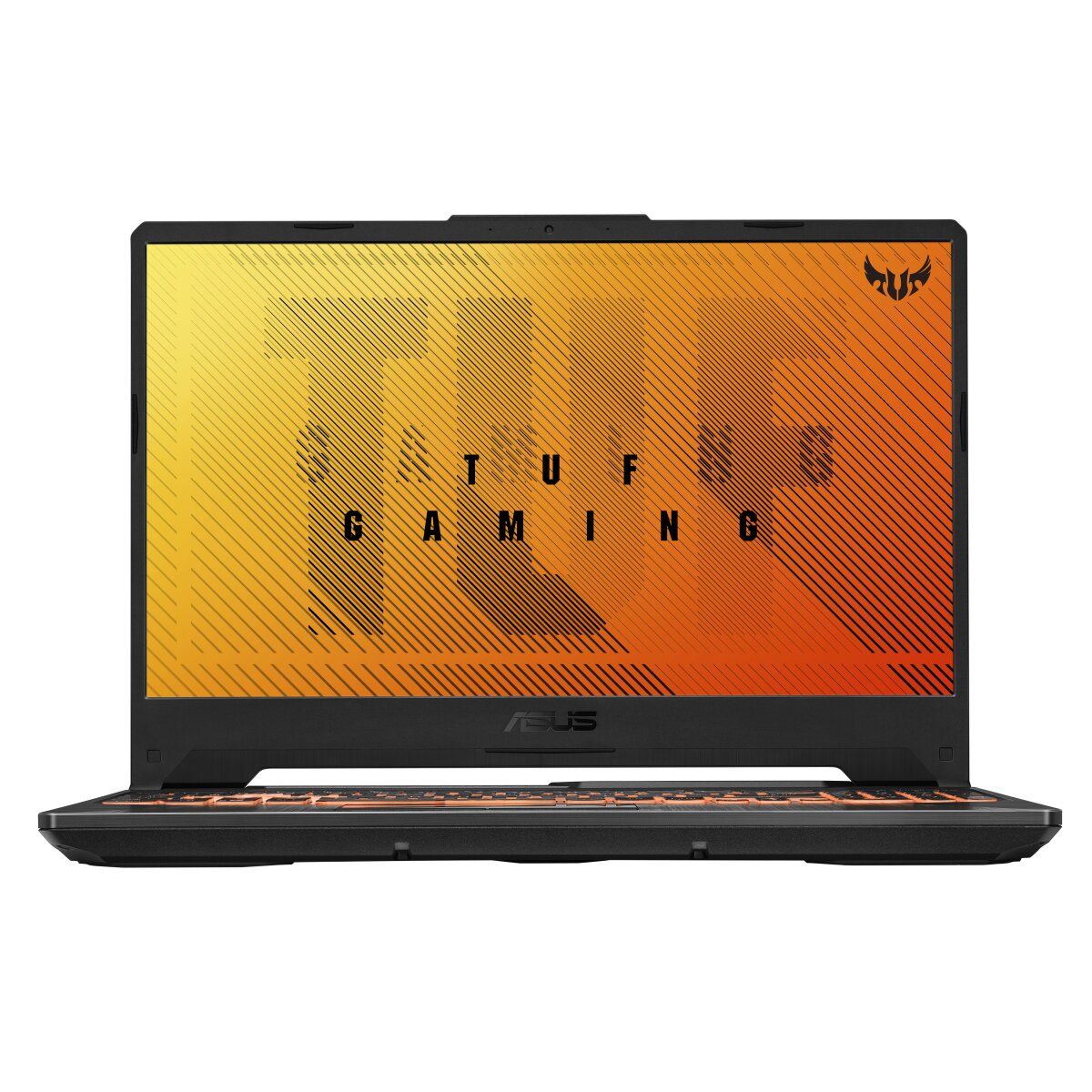
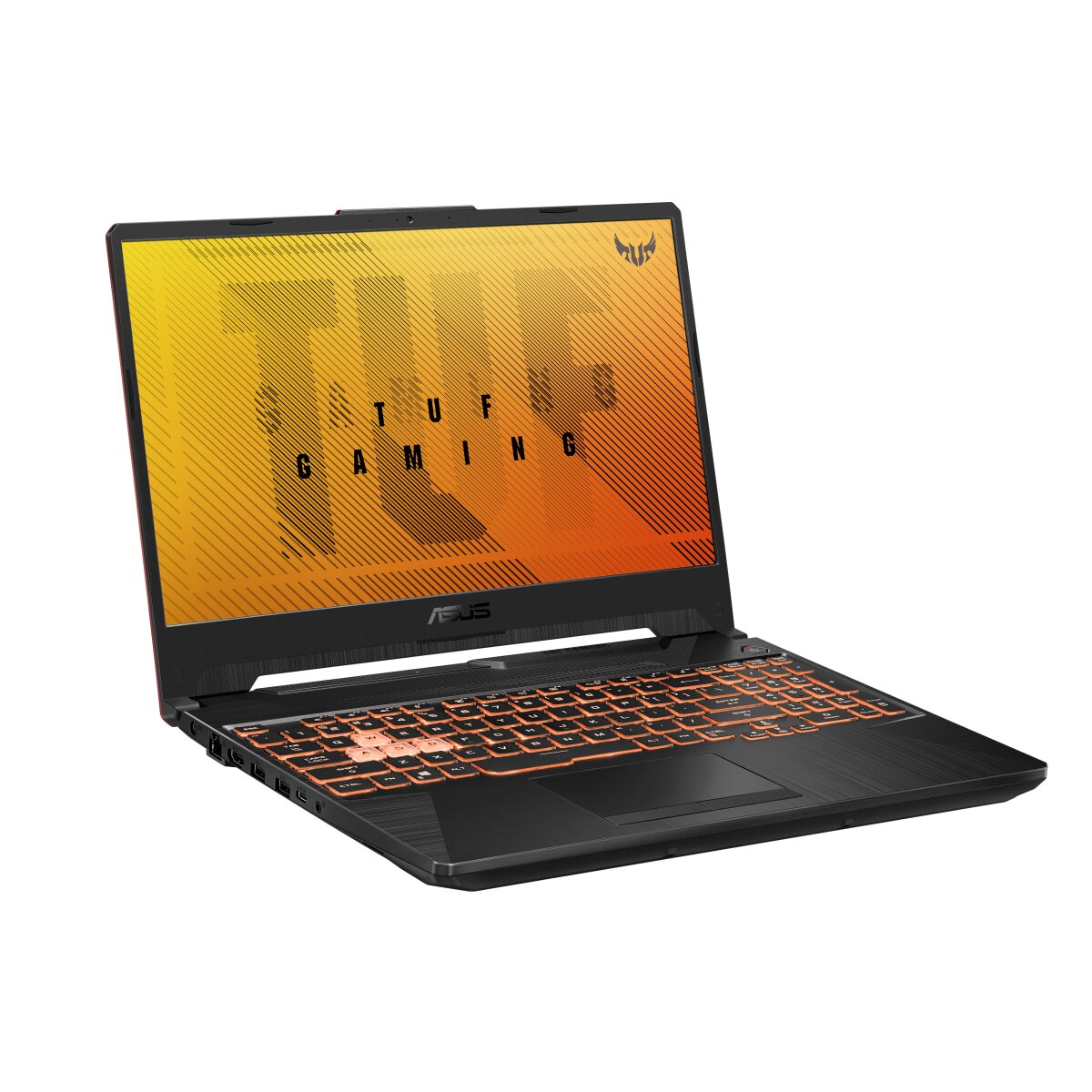
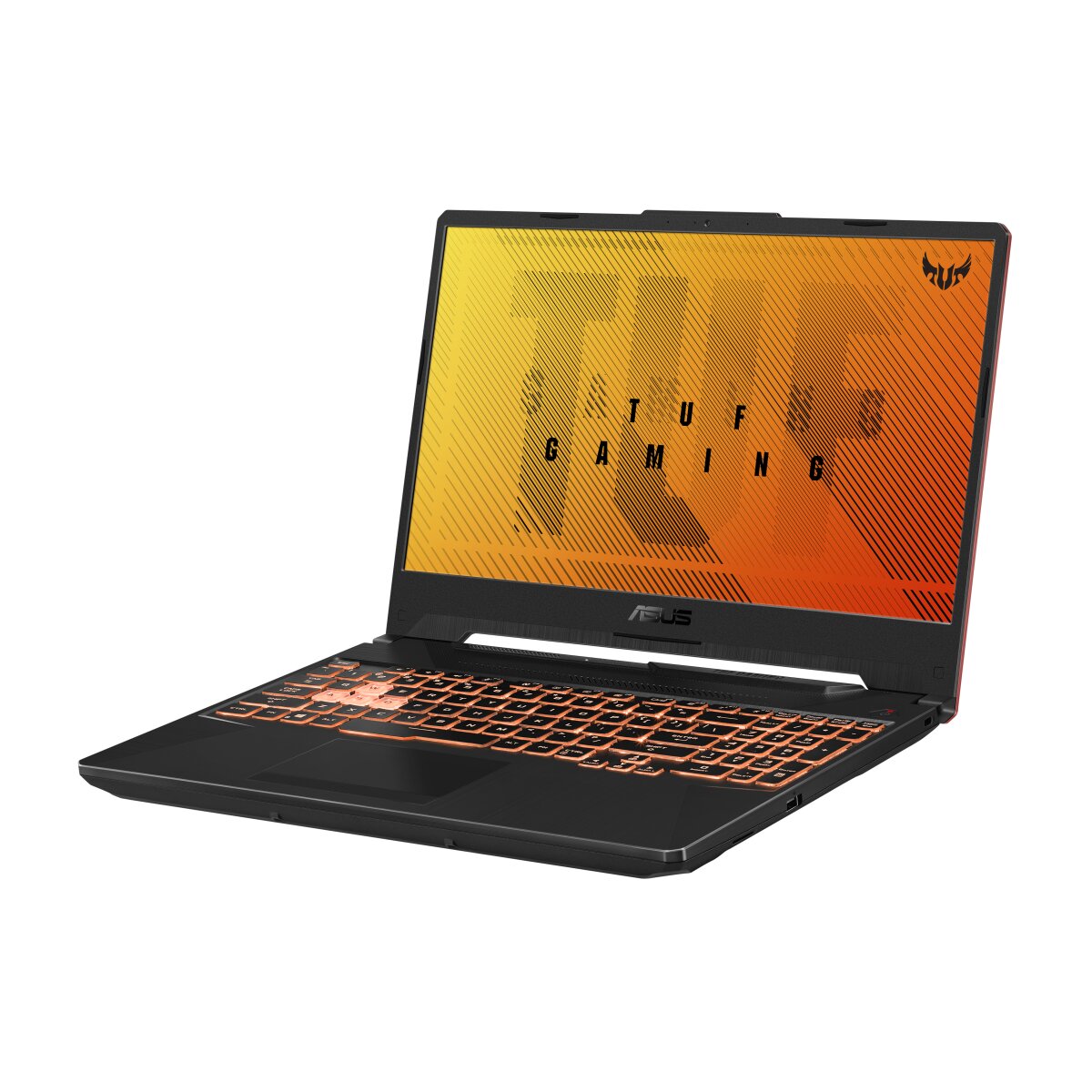
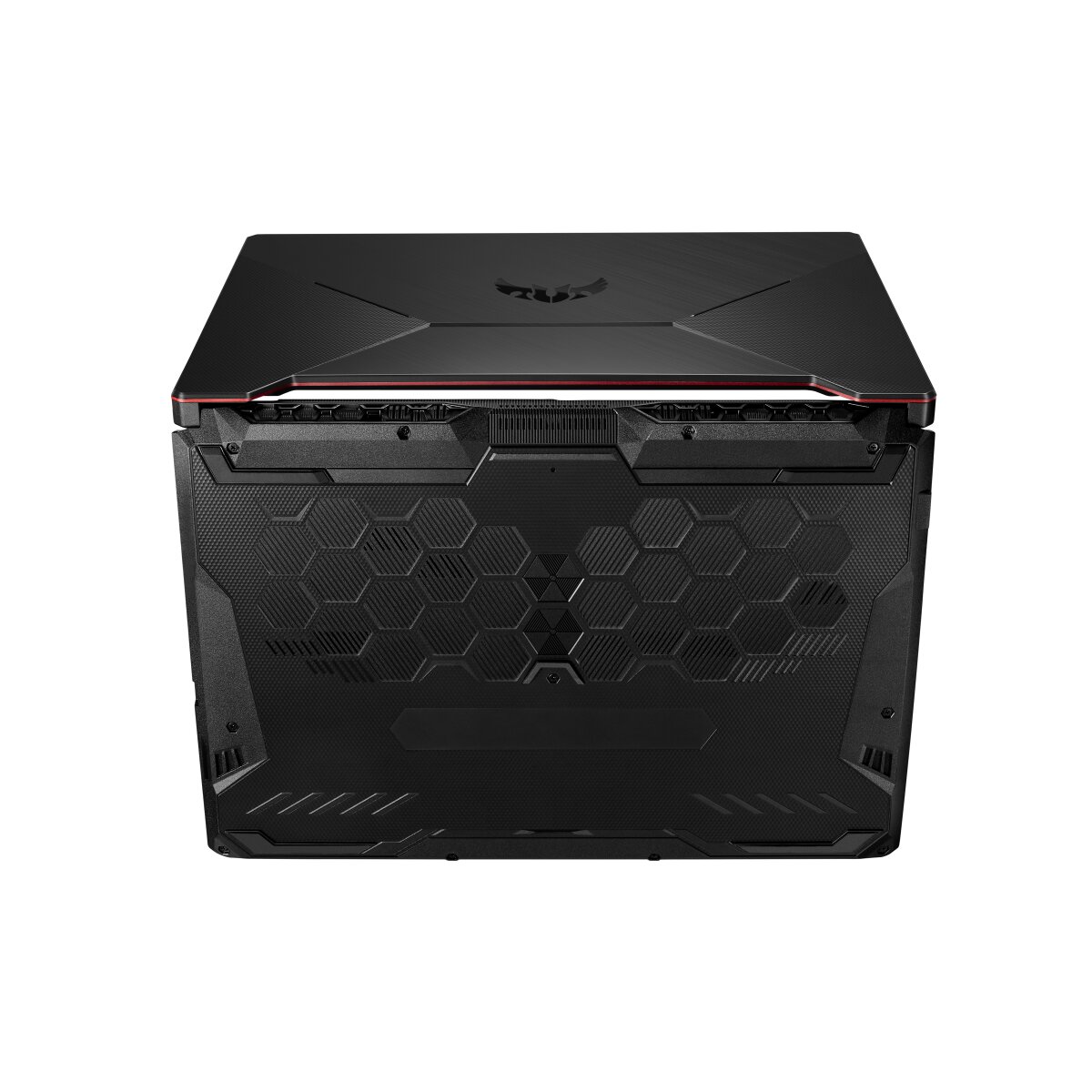
The ASUS TUF Gaming F15 FX506LH-HN042 features DDR4-SDRAM memory with 2x SO-DIMM slots for RAM upgrades. Maximum supported memory capacity reaches 32 GB total. Each slot accommodates SO-DIMM form factor modules operating at 2933 MHz frequency. Memory upgrade specifications enable users to expand system RAM within these compatible slot and capacity parameters.
Memory Upgrade Specifications
| Specification | Value |
|---|---|
| Memory slots | 2x SO-DIMM |
| Form factor | SO-DIMM |
| Memory type | DDR4-SDRAM |
| Frequency | 2933 MHz |
| Maximum RAM | 32 GB |
| Voltage | 1.2V |
| Number of pins | 260-pin |
| Interface | PC4 |
| PC Speed Rating | PC4-2933 (PC4-23464) |
| Bandwidth | 23.5 GB/s |
| Laptop Release date | 01 February 2021 |
Additional Notes
- The ASUS TUF Gaming FX506LH-HN042 utilizes DDR4-SDRAM operating at 2933 MHz, which means aftermarket modules rated for 3200 MHz or higher will downclock to this native frequency, eliminating performance gains from premium memory specifications.
- Dual SO-DIMM slots create a symmetrical upgrade path where both slots must be populated identically to maintain dual-channel bandwidth; installing a single module in either slot will halve memory throughput and reduce gaming and content creation performance.
- The 32 GB capacity ceiling represents the maximum addressable memory for this generation architecture; any SO-DIMM modules exceeding 16 GB per stick will not be recognized, restricting users to matched pairs of 16 GB sticks as the sole path to maximum capacity.
- SO-DIMM form factor constrains the upgrade market to notebook-class memory; desktop DDR4 UDIMM modules cannot be physically installed, eliminating opportunities to repurpose surplus components from other systems.
- Memory frequency is fixed at 2933 MHz through BIOS parameters tied to this mobile processor generation and cannot be adjusted higher, meaning no overclocking headroom exists for memory subsystem tuning.
- Installation of non-compatible memory speeds or capacities beyond 16 GB per module risks boot failure or system instability; warranty coverage depends on using approved memory specifications from the OEM compatibility matrix.