ASUS TUF Gaming FX507VI-LP071W RAM upgrade specifications




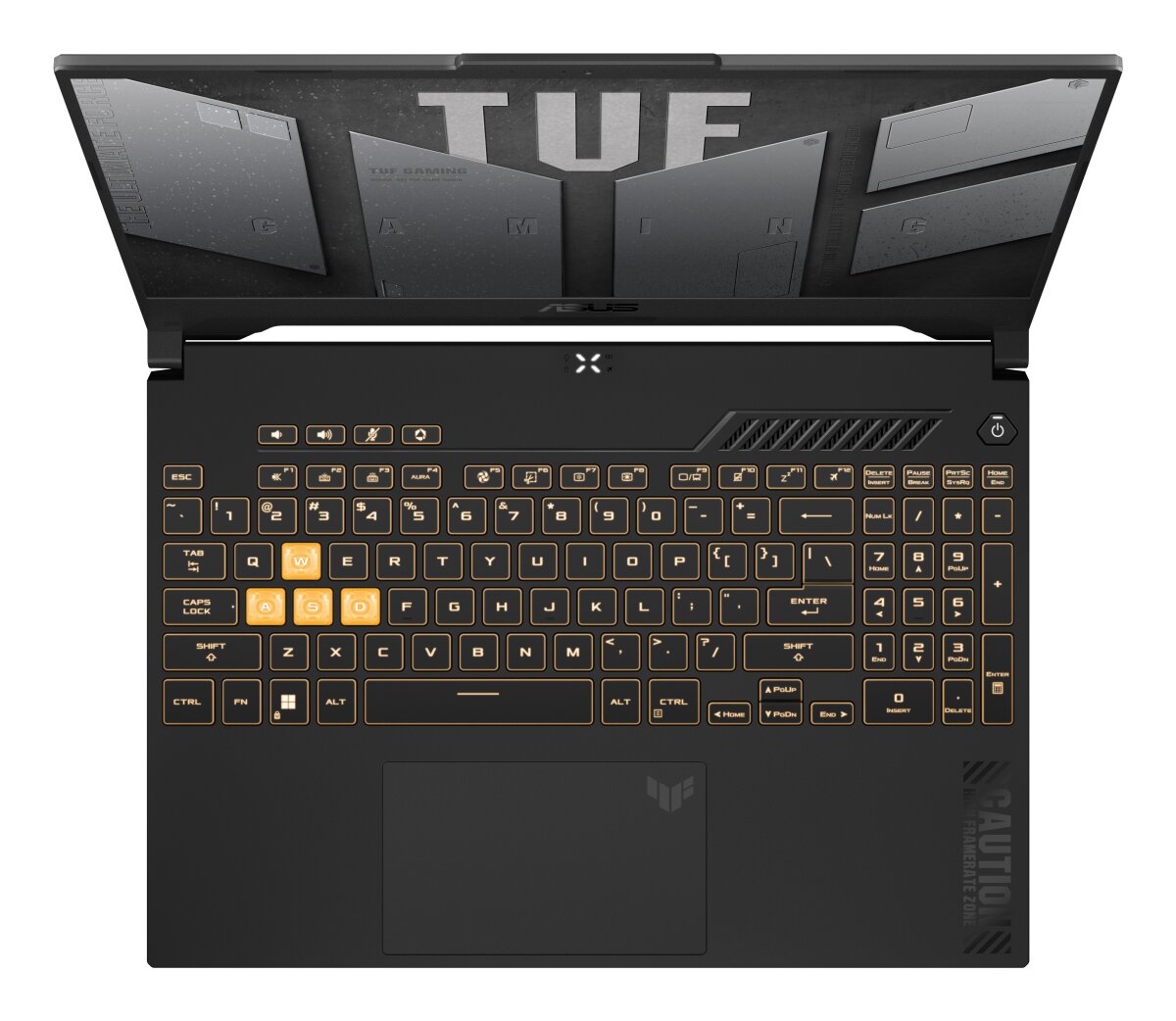
The ASUS TUF Gaming F15 FX507VI-LP071W features DDR5-SDRAM memory upgrade specifications with two SO-DIMM slots supporting maximum RAM capacity of 32 GB. Compatible memory modules operate at 4800 MHz frequency. The laptop's memory upgrade slots accommodate SO-DIMM form factor modules, enabling users to expand system memory up to the maximum supported capacity for enhanced performance and multitasking capabilities.
Memory Upgrade Specifications
| Specification | Value |
|---|---|
| Memory slots | 2x SO-DIMM |
| Form factor | SO-DIMM |
| Memory type | DDR5-SDRAM |
| Frequency | 4800 MHz |
| Maximum RAM | 32 GB |
| Voltage | 1.1V |
| Number of pins | 262-pin |
| Interface | PC5 |
| PC Speed Rating | PC5-4800 (PC5-38400) |
| Bandwidth | 38.4 GB/s |
Additional Notes
- The ASUS TUF Gaming FX507VI-LP071W uses DDR5 SO-DIMM modules, meaning DDR4 modules from previous systems cannot be installed due to physical notch positioning and voltage differences.
- The 32 GB maximum capacity indicates a chipset or CPU-imposed limit, restricting users to 16 GB modules per slot regardless of higher density module availability.
- DDR5-4800 represents JEDEC baseline speed, suggesting potential for higher frequency modules to run at rated speeds if enabled through XMP profiles in BIOS.
- Dual-channel architecture requires matched module pairs for optimal memory bandwidth, with mismatched capacities forcing single-channel operation on the higher capacity portion.
- SO-DIMM installation typically requires bottom panel removal, which may void warranty seals depending on regional consumer protection laws and manufacturer policies.
- Native DDR5-4800 operation provides approximately 38.4 GB/s bandwidth per channel, totaling 76.8 GB/s in dual-channel mode under ideal conditions.
- The 2-slot configuration limits upgrade flexibility compared to 4-slot systems, forcing complete replacement of existing modules when expanding beyond initial capacity.
- DDR5 modules incorporate onboard voltage regulation, eliminating compatibility with motherboard-level voltage adjustments used in DDR4 overclocking.
- Thermal considerations become relevant at maximum capacity, as two populated slots generate more heat within the confined laptop chassis than single-slot configurations.
- Memory latency at DDR5-4800 typically ranges from CL40 to CL46, representing higher absolute latency than DDR4-3200 CL22 despite greater bandwidth.