ASUS TUF Gaming FX507VI-LP071W-GAMING RAM upgrade specifications

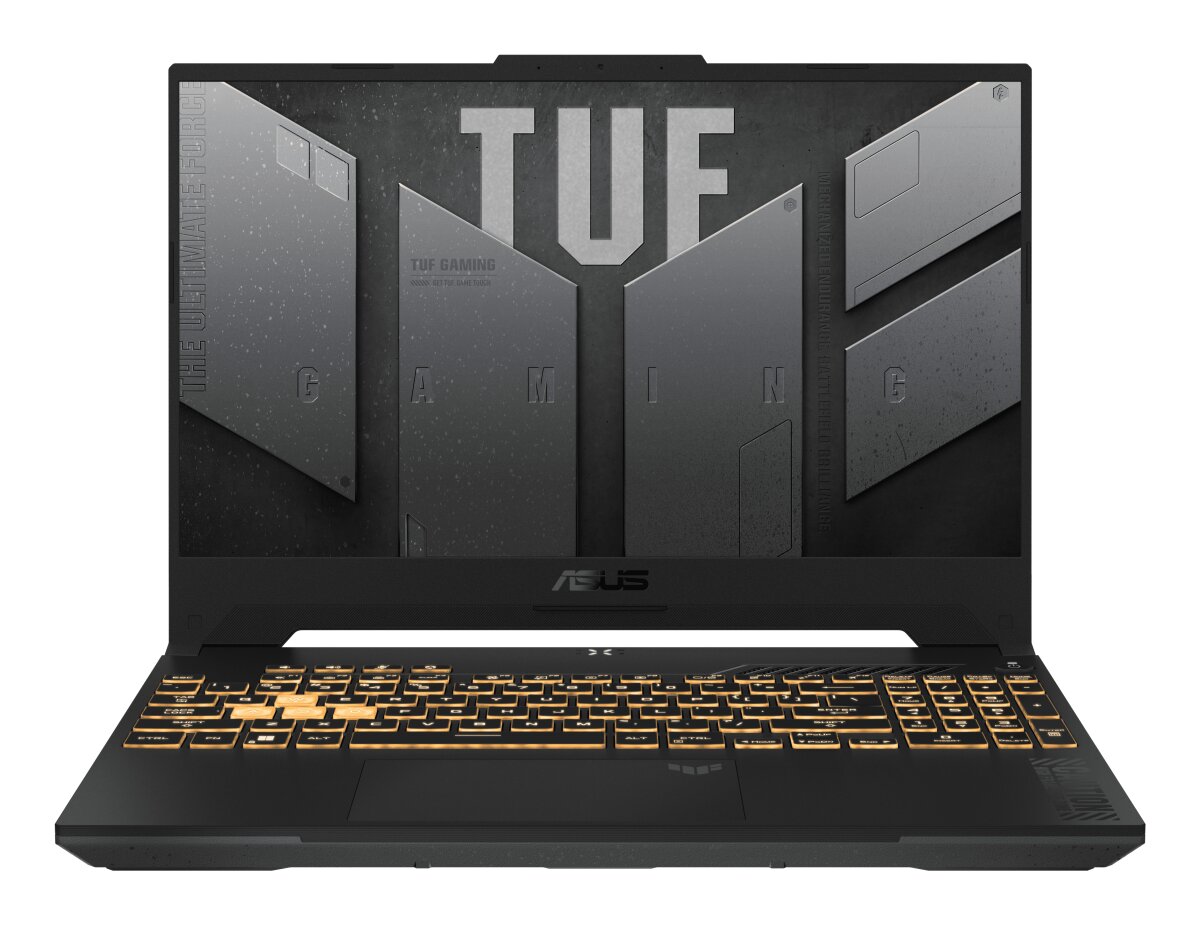
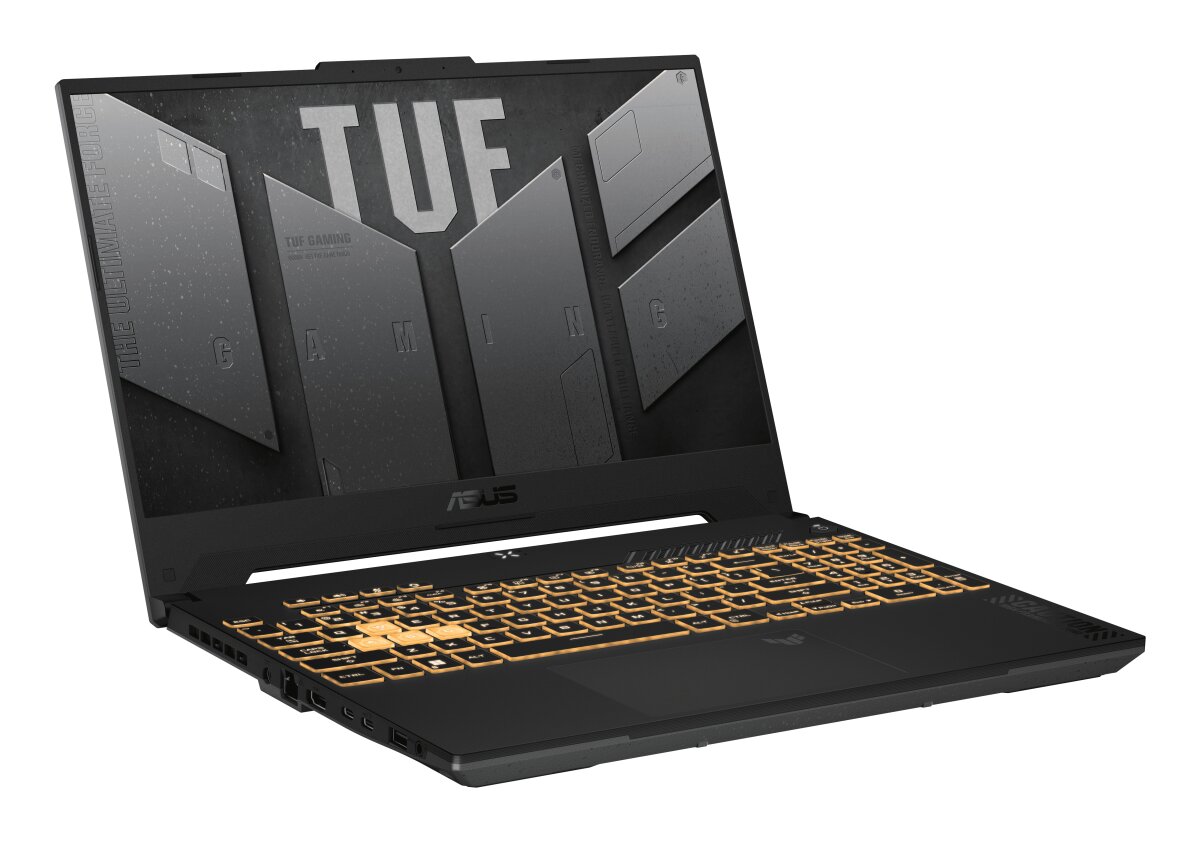

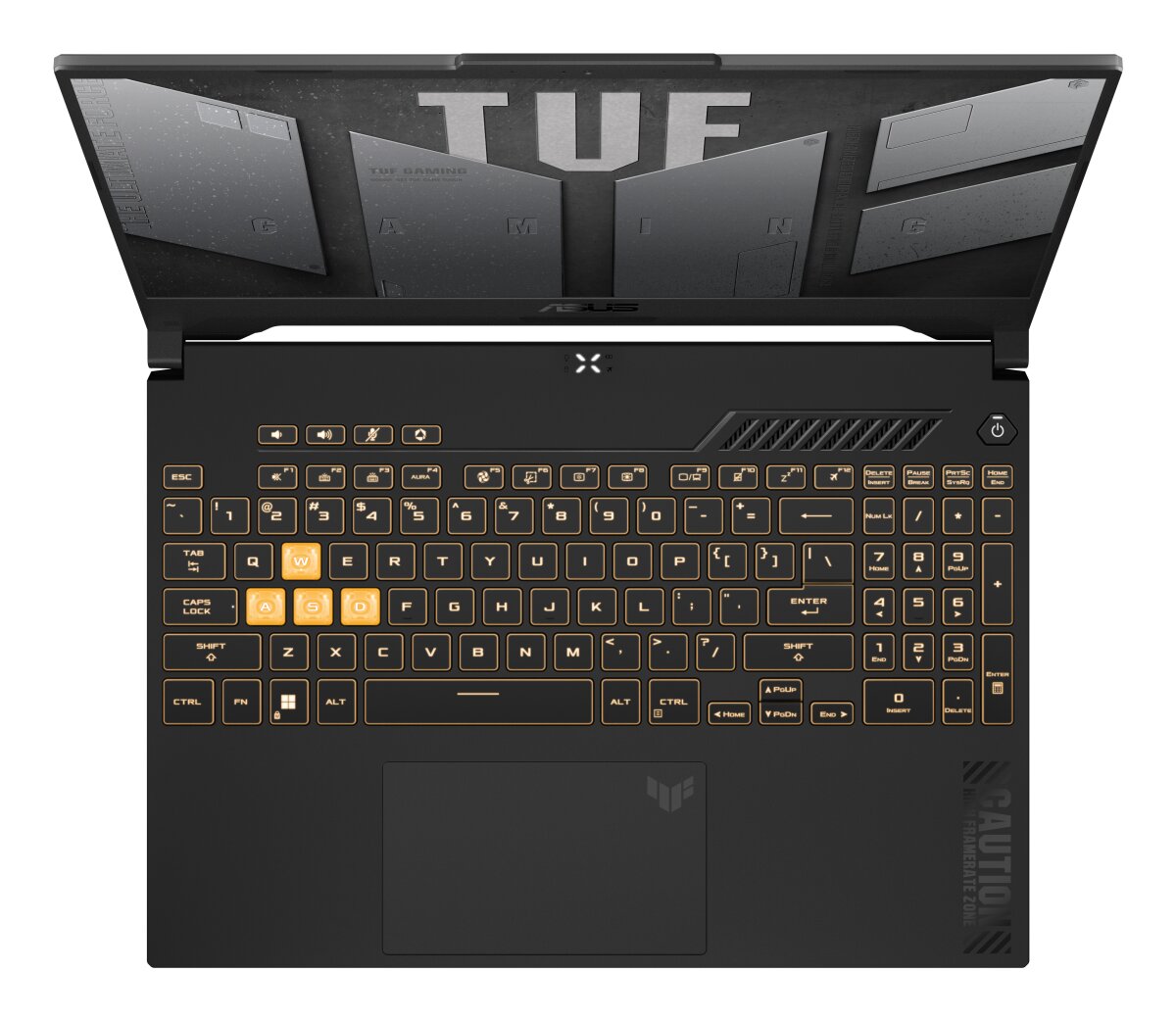
ASUS TUF Gaming F15 series model FX507VI-LP071W-GAMING features DDR5-SDRAM memory upgrade specifications. The laptop contains 2x SO-DIMM slots with maximum RAM capacity of 32 GB. Compatible memory modules operate at 4800 MHz frequency and utilize SO-DIMM form factor. Upgrade specifications indicate DDR5 memory type with dual slot configuration, supporting up to 32 GB total capacity for enhanced system performance.
Memory Upgrade Specifications
| Specification | Value |
|---|---|
| Memory slots | 2x SO-DIMM |
| Form factor | SO-DIMM |
| Memory type | DDR5-SDRAM |
| Frequency | 4800 MHz |
| Maximum RAM | 32 GB |
| Voltage | 1.1V |
| Number of pins | 262-pin |
| Interface | PC5 |
| PC Speed Rating | PC5-4800 (PC5-38400) |
| Bandwidth | 38.4 GB/s |
Additional Notes
- DDR5-SDRAM operating at 4800 MHz requires BIOS firmware support; systems shipped with older BIOS versions may default to lower frequencies or fail to recognize full capacity, necessitating a firmware update prior to installation.
- The 2 SO-DIMM slot configuration provides no expansion flexibility beyond the 32 GB maximum ceiling; both slots must be populated simultaneously to reach this limit, eliminating staged upgrade options.
- SO-DIMM modules occupy significantly less physical space than desktop DIMM counterparts, creating installation accessibility constraints in tight internal chassis layouts; thermal clearance above memory slots may restrict heatspreader height on certain DDR5 modules.
- The ASUS TUF Gaming FX507VI-LP071W-GAMING lacks a third slot for incremental memory additions; replacing existing modules rather than adding to them becomes the only path to capacity increases, requiring disposal or repurposing of functional hardware.
- DDR5 at 4800 MHz introduces a 50% bandwidth increase over DDR4-3200, but sustained gains manifest only in workloads performing sequential memory access patterns; gaming and standard productivity applications typically demonstrate minimal real-world performance delta compared to DDR5 at lower frequencies.
- Warranty coverage typically extends only to manufacturer-approved memory modules; third-party DDR5-4800 SO-DIMMs may trigger support denial if system instability occurs post-installation, even when hardware specifications align.
- Mixed-capacity configurations (16 GB and 8 GB modules in different slots) operate in single-channel mode rather than dual-channel, halving effective memory bandwidth and negating the frequency advantage of DDR5-4800.