ASUS TUF Gaming FX507VI-LP075W RAM upgrade specifications




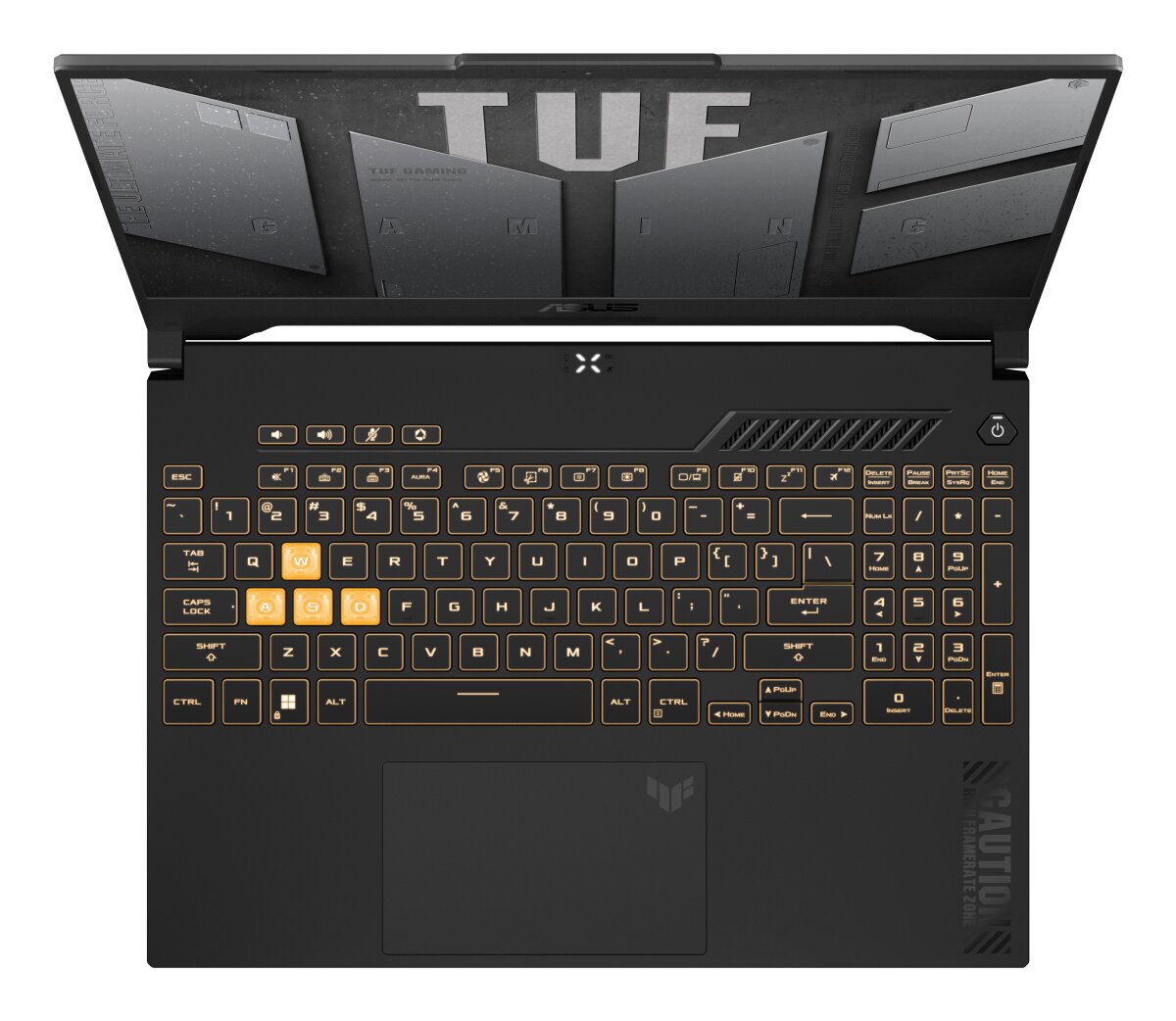
ASUS TUF Gaming F15 model FX507VI-LP075W supports DDR5-SDRAM memory upgrades with dual SO-DIMM slots. Maximum compatible capacity reaches 32 GB total. Memory specifications include 4800 MHz frequency operation with SO-DIMM form factor. RAM upgrade slots accommodate standard laptop memory modules. Specifications detail compatible memory types and maximum expandable capacity for the FX507VI-LP075W model.
Memory Upgrade Specifications
| Specification | Value |
|---|---|
| Memory slots | 2x SO-DIMM |
| Form factor | SO-DIMM |
| Memory type | DDR5-SDRAM |
| Frequency | 4800 MHz |
| Maximum RAM | 32 GB |
| Voltage | 1.1V |
| Number of pins | 262-pin |
| Interface | PC5 |
| PC Speed Rating | PC5-4800 (PC5-38400) |
| Bandwidth | 38.4 GB/s |
Additional Notes
- The ASUS TUF Gaming FX507VI-LP075W implements DDR5 technology, which operates at higher voltages than legacy DDR4 modules and requires physically incompatible slot designs that prevent cross-generation installation attempts.
- The 4800 MHz specification represents the baseline JEDEC standard for DDR5, meaning faster aftermarket modules rated at 5200 MHz or 5600 MHz will downclock to 4800 MHz when installed due to chipset limitations or BIOS restrictions.
- The 32 GB maximum capacity constraint indicates a dual-channel configuration limited to 16 GB per slot, preventing the use of higher-density 24 GB or 32 GB individual modules even though DDR5 SO-DIMM specifications support such capacities.
- SO-DIMM form factor installation typically requires bottom panel removal to access the memory compartment, though some gaming chassis designs provide dedicated hinged doors for tool-free access to RAM slots without full disassembly.
- Dual-slot population with matched capacity modules enables symmetric dual-channel memory interleaving, which doubles theoretical bandwidth to 76.8 GB/s compared to single-channel configurations that halve performance in memory-intensive workloads.
- DDR5's on-die ECC functionality operates independently of traditional system-level error correction, providing internal data integrity without requiring ECC-specific module variants or motherboard support validation.
- Mixing modules with different latency timings or subtimings will force the memory controller to adopt the slowest common denominator values across both channels, potentially degrading performance below the specifications of the faster module.
- Warranty preservation typically requires avoiding physical damage to retention clips or gold contacts during installation, while the upgrade process itself does not void coverage unless the manufacturer explicitly restricts user-serviceable memory access.
- The absence of soldered memory components on this configuration allows complete replacement of factory-installed modules, unlike hybrid designs that permanently allocate a portion of total capacity to non-removable onboard chips.
- Thermal considerations become relevant at full 32 GB capacity under sustained workloads, as DDR5 modules generate more heat than DDR4 predecessors due to integrated voltage regulation and higher operating frequencies.