ASUS TUF Gaming FX507VI-LP075W-BE RAM upgrade specifications




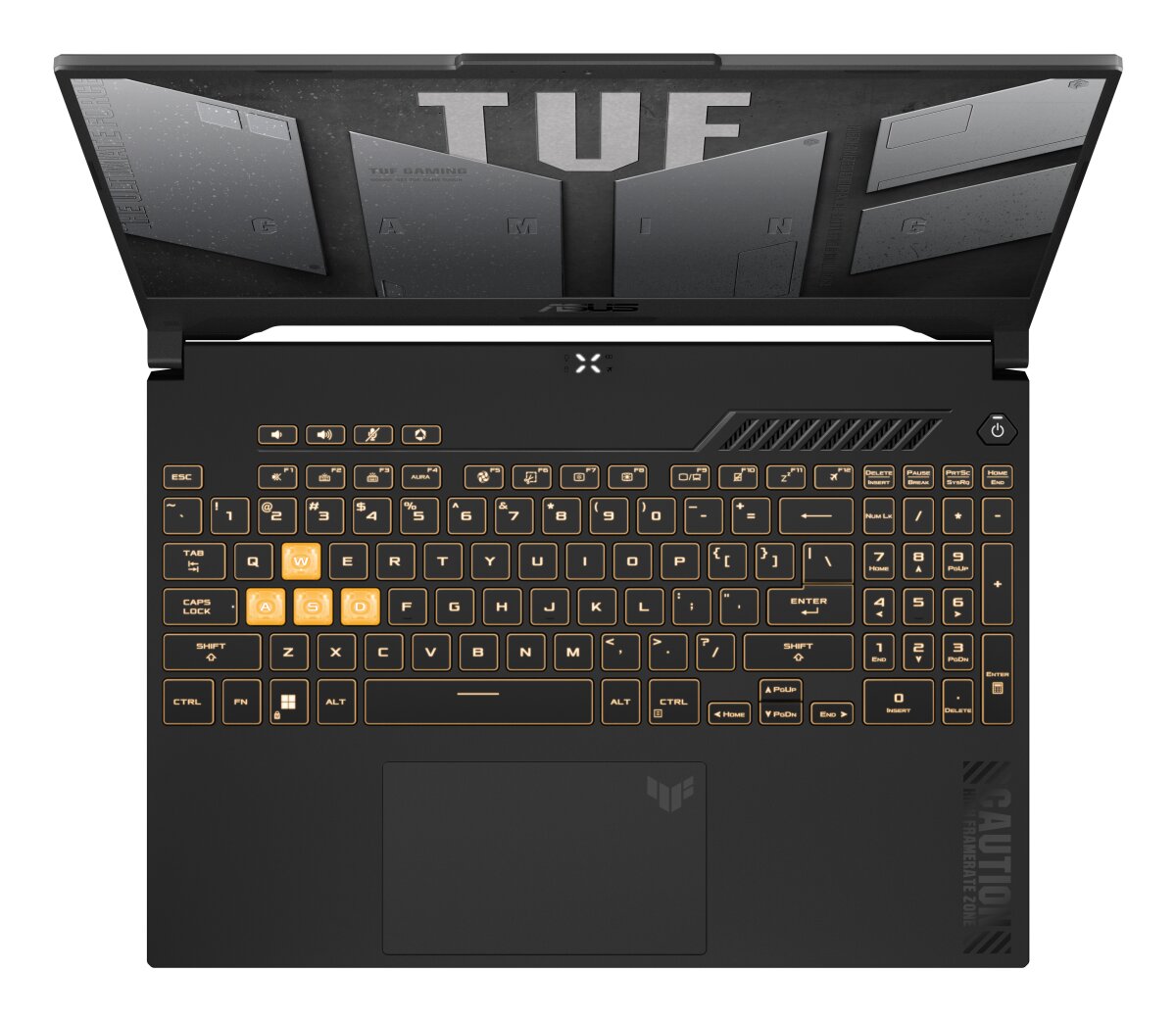
ASUS TUF Gaming F15 FX507VI-LP075W-BE features DDR5-SDRAM memory upgrade compatibility with 2x SO-DIMM slots supporting maximum capacity of 32 GB RAM. Specifications indicate SO-DIMM form factor modules operating at 4800 MHz frequency. Compatible memory upgrades for this laptop model utilize DDR5 technology with dual slot configuration enabling RAM expansion to specifications' maximum threshold.
Memory Upgrade Specifications
| Specification | Value |
|---|---|
| Memory slots | 2x SO-DIMM |
| Form factor | SO-DIMM |
| Memory type | DDR5-SDRAM |
| Frequency | 4800 MHz |
| Maximum RAM | 32 GB |
| Voltage | 1.1V |
| Number of pins | 262-pin |
| Interface | PC5 |
| PC Speed Rating | PC5-4800 (PC5-38400) |
| Bandwidth | 38.4 GB/s |
Additional Notes
- The ASUS TUF Gaming FX507VI-LP075W-BE enforces a 32 GB total memory ceiling due to chipset or processor limitations, preventing future expansion beyond dual 16 GB modules regardless of individual module capacity availability.
- DDR5-SDRAM operates exclusively at 1.1V compared to DDR4's 1.2V standard, making any DDR4 modules physically incompatible despite identical SO-DIMM slot dimensions.
- Native 4800 MHz operation requires no manual BIOS adjustments or XMP profile activation, as DDR5 JEDEC specifications include this frequency as a base speed rather than an overclocked state.
- Dual-channel configuration mandates identical capacity modules in both slots to achieve maximum theoretical bandwidth of 76.8 GB/s, while mismatched capacities force single-channel operation at half that throughput.
- SO-DIMM form factor restricts aftermarket module selection compared to desktop UDIMM availability, typically limiting choices to fewer manufacturers and higher per-gigabyte costs.
- Thermal throttling risk increases with maximum 32 GB population density in compact gaming laptop chassis, as DDR5's higher power draw under sustained load may exceed factory cooling design tolerances.
- Warranty preservation requires non-destructive installation, meaning modules must seat without forcing clips or removing permanently affixed components, as evidence of physical case damage voids manufacturer coverage.
- ECC support absence in standard DDR5 SO-DIMM variants means unbuffered modules remain the only compatible option, as registered or load-reduced types target server platforms with different electrical signaling.
- Latency penalties emerge when mixing modules with different CAS timings, as the memory controller defaults to the slower module's specifications across both channels to maintain stability.
- 4800 MHz represents the minimum DDR5 speed tier, offering no headroom for installations requiring slower legacy compatibility modes common in DDR4 systems.