ASUS TUF Gaming FX507VU-LP186W RAM upgrade specifications




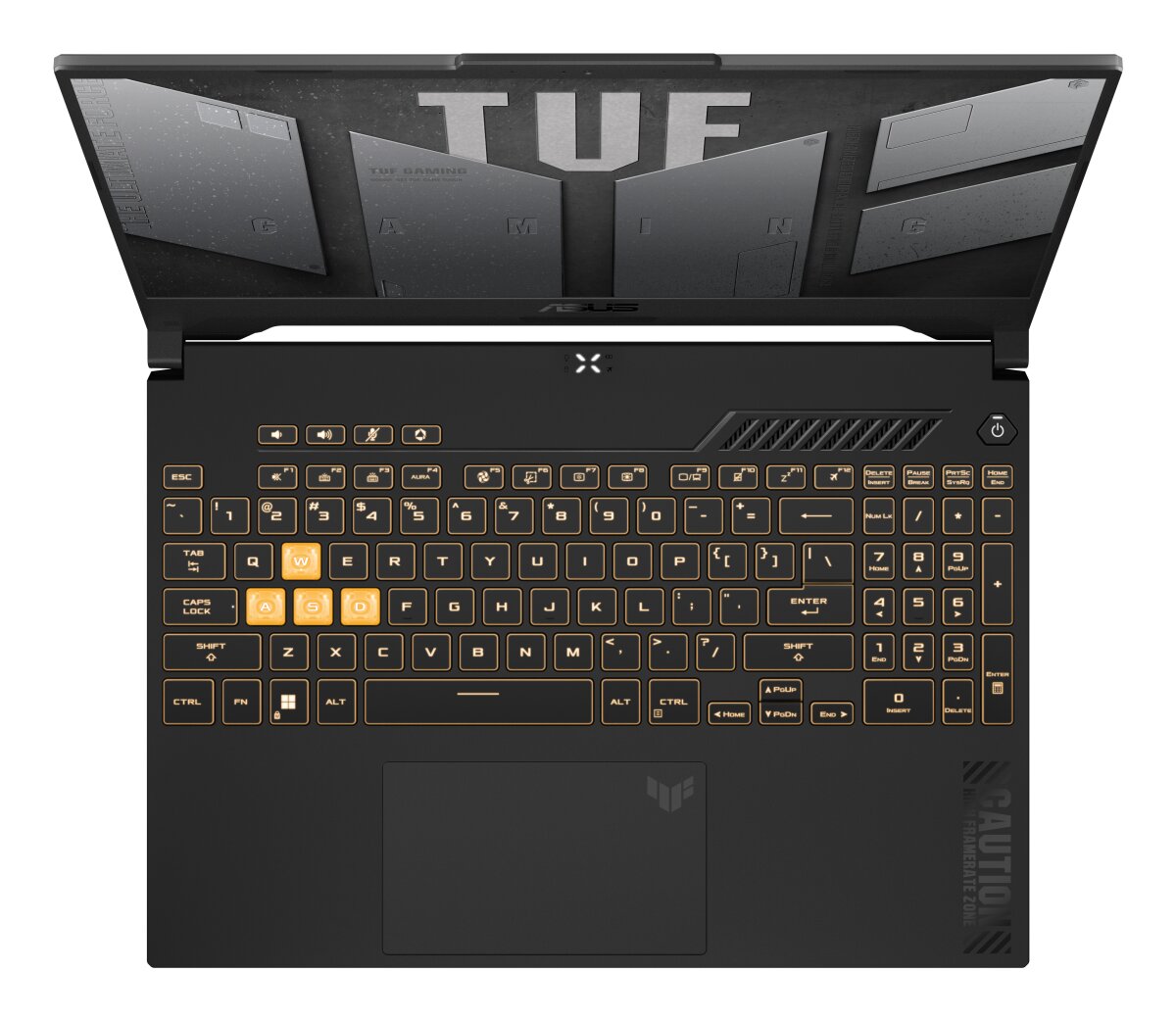
ASUS TUF Gaming F15 FX507VU-LP186W RAM upgrade specifications include DDR5-SDRAM memory compatible with 2x SO-DIMM slots. Maximum memory capacity reaches 32 GB total. The laptop supports DDR5-4800 MHz frequency specifications. Memory upgrades utilize SO-DIMM form factor modules. Compatible RAM modules must meet DDR5-SDRAM standards and specifications for this TUF Gaming series model.
Memory Upgrade Specifications
| Specification | Value |
|---|---|
| Memory slots | 2x SO-DIMM |
| Form factor | SO-DIMM |
| Memory type | DDR5-SDRAM |
| Frequency | 4800 MHz |
| Maximum RAM | 32 GB |
| Voltage | 1.1V |
| Number of pins | 262-pin |
| Interface | PC5 |
| PC Speed Rating | PC5-4800 (PC5-38400) |
| Bandwidth | 38.4 GB/s |
Additional Notes
- The ASUS TUF Gaming FX507VU-LP186W implements a dual-channel SO-DIMM configuration that requires matched memory modules to achieve optimal bandwidth utilization, as asymmetric configurations will force the controller into single-channel mode and halve theoretical throughput.
- The 32 GB capacity ceiling represents a chipset-level restriction rather than a physical slot limitation, meaning individual 32 GB modules will not function even when technically compatible with DDR5 standards.
- DDR5-4800 operates as the JEDEC baseline specification, allowing installation of higher-speed modules rated at 5200 MHz, 5600 MHz, or beyond, though the memory controller will downclock these to 4800 MHz without firmware intervention.
- SO-DIMM modules designed for DDR4 architectures are physically incompatible due to altered notch positioning and voltage requirements, preventing accidental insertion of previous-generation components.
- Mixing modules with different primary timings (CL40 versus CL46, for instance) forces the controller to adopt the slower timing profile across both channels, degrading latency-sensitive workloads despite maintaining advertised frequency.
- The DDR5 standard eliminates the need for 1.35V low-voltage variants common in DDR4 systems, as all compliant modules operate at 1.1V with onboard power management integrated into the DIMM substrate.
- Consumer-grade memory replacement does not void manufacturer warranty provided installation follows electrostatic discharge protocols and avoids chassis damage, though third-party module failures remain the responsibility of their respective manufacturers.
- Capacity expansion to the 32 GB threshold requires 2 matched 16 GB modules rather than mixing 8 GB and 24 GB configurations, as no 24 GB SO-DIMM variants exist within current DDR5 production standards.
- Single-module installations populate only one channel and reduce memory bandwidth to 38.4 GB/s from the theoretical dual-channel maximum of 76.8 GB/s at DDR5-4800 speeds.
- The SO-DIMM form factor restricts physical clearance to 30mm module height, though virtually all consumer DDR5 SO-DIMMs conform to this standard unlike desktop DIMM variants with extended heat spreaders.