ASUS TUF Gaming FX507VU-LP240W RAM upgrade specifications




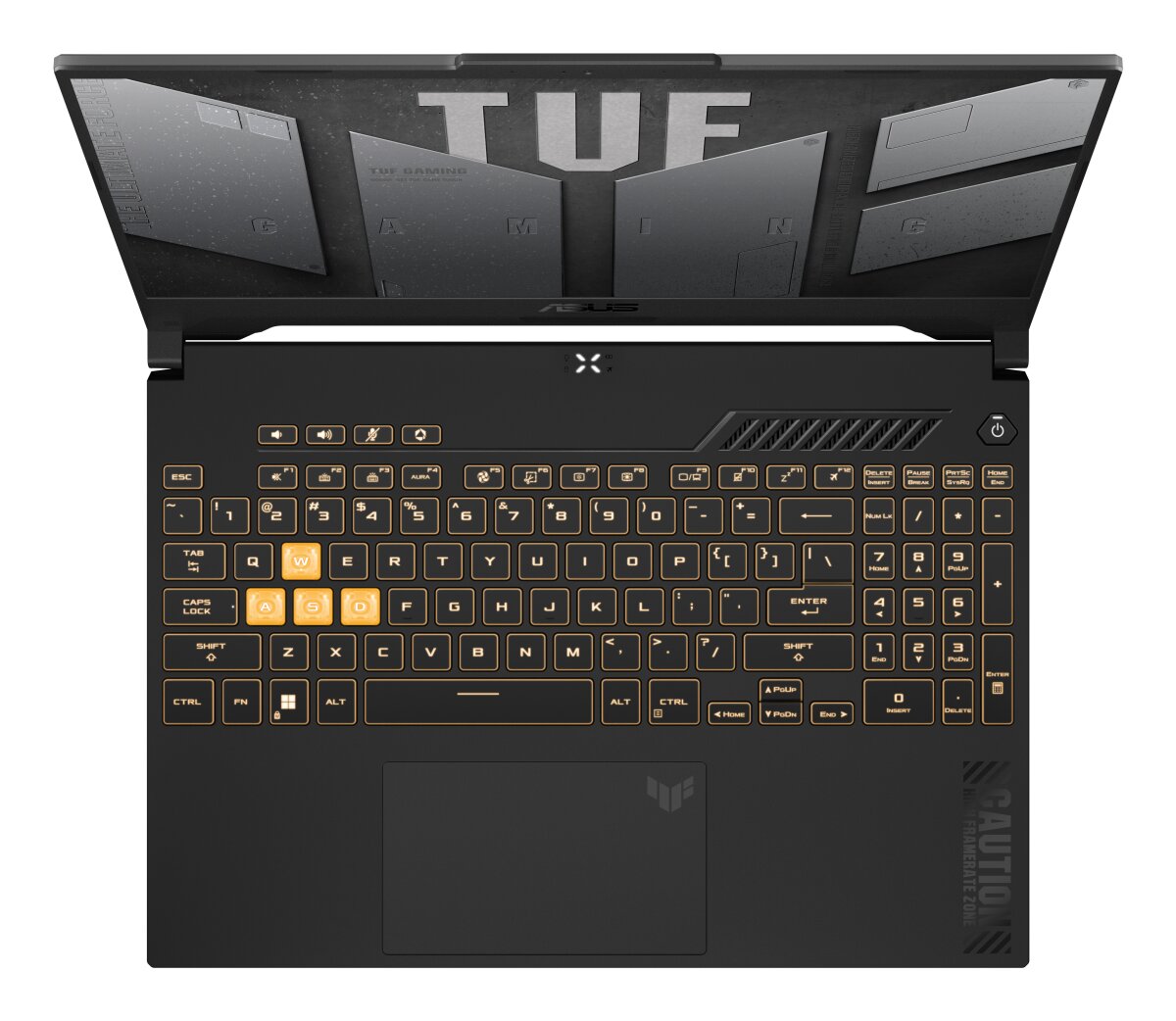
The ASUS TUF Gaming F15 FX507VU-LP240W features DDR5-SDRAM memory upgrade specifications with two SO-DIMM slots supporting maximum capacity of 32 GB total RAM. Compatible memory modules operate at 4800 MHz frequency. The laptop accepts SO-DIMM form factor memory upgrades, enabling users to expand system memory for enhanced multitasking and performance. Specifications indicate support for DDR5 technology standard across available memory slots.
Memory Upgrade Specifications
| Specification | Value |
|---|---|
| Memory slots | 2x SO-DIMM |
| Form factor | SO-DIMM |
| Memory type | DDR5-SDRAM |
| Frequency | 4800 MHz |
| Maximum RAM | 32 GB |
| Voltage | 1.1V |
| Number of pins | 262-pin |
| Interface | PC5 |
| PC Speed Rating | PC5-4800 (PC5-38400) |
| Bandwidth | 38.4 GB/s |
Additional Notes
- The ASUS TUF Gaming FX507VU-LP240W supports DDR5 SO-DIMM modules exclusively, preventing the use of any DDR4 memory due to different pin configurations and voltage requirements.
- The 32 GB maximum capacity limitation is enforced at the chipset level, making configurations with 2x32 GB modules incompatible regardless of module availability.
- The 4800 MHz frequency represents the baseline DDR5 speed, meaning faster modules rated at 5200 MHz or 5600 MHz will downclock to match this specification.
- Dual-channel operation requires matching pairs in both SO-DIMM slots for optimal memory bandwidth, as asymmetric configurations will force single-channel mode with reduced throughput.
- The SO-DIMM form factor limits thermal headroom compared to desktop DIMMs, making sustained high-bandwidth operations more susceptible to thermal throttling under extended workloads.
- Upgrading from soldered memory configurations is not applicable here since both slots use socketed SO-DIMMs, allowing user-serviceable replacement without board-level rework.
- Mixing module densities such as 8 GB and 16 GB across the 2 slots will function but may introduce latency penalties through flex mode rather than true dual-channel interleaving.
- The native DDR5-4800 speed operates at higher latency timings than equivalent DDR4-3200, offsetting some bandwidth advantages in latency-sensitive applications.
- Accessing the SO-DIMM slots typically requires bottom panel removal, with potential warranty implications if security seals are present over retention screws.
- Non-XMP standard modules are recommended since SO-DIMM DDR5 overclocking support varies by BIOS version and may introduce stability issues with gaming workloads.