ASUS TUF Gaming FX507VU-LP259 RAM upgrade specifications

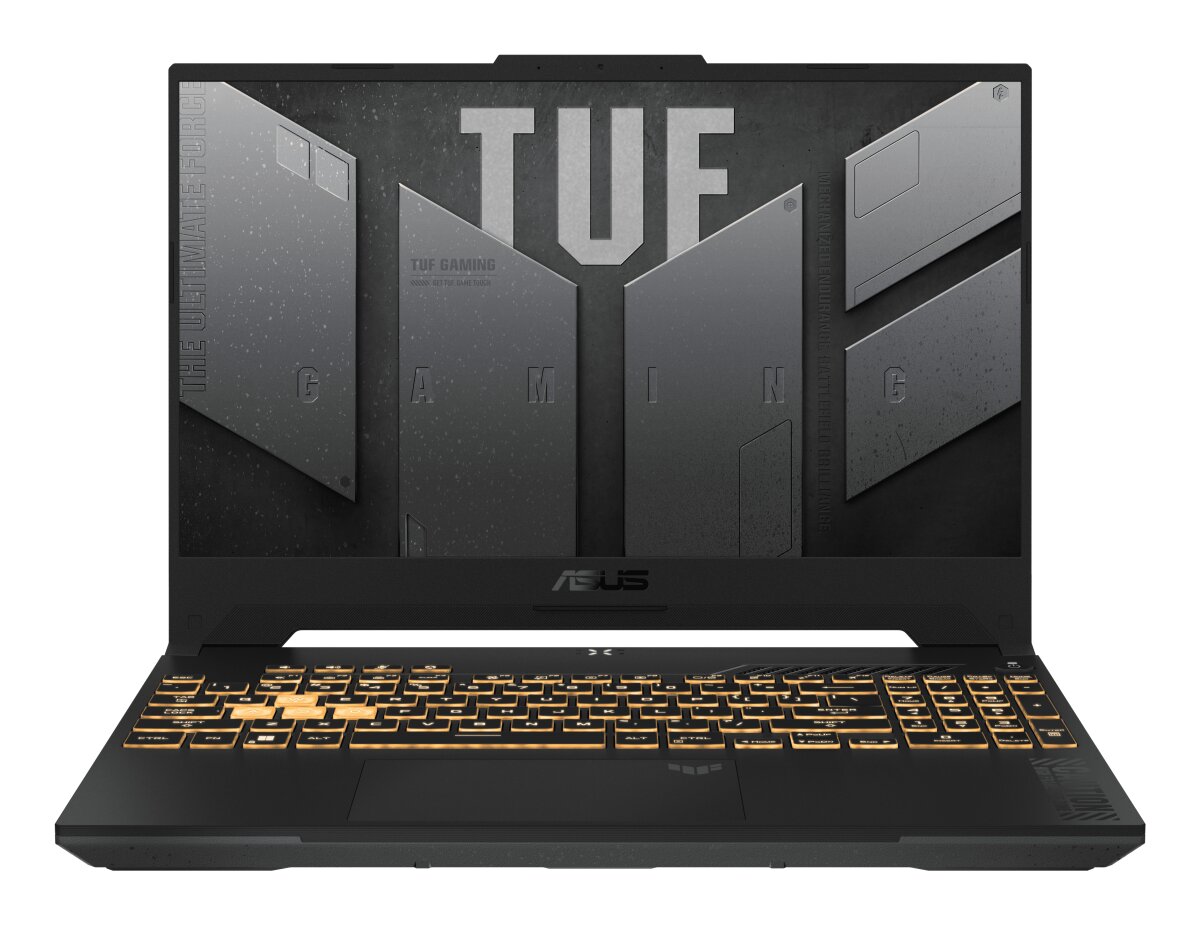
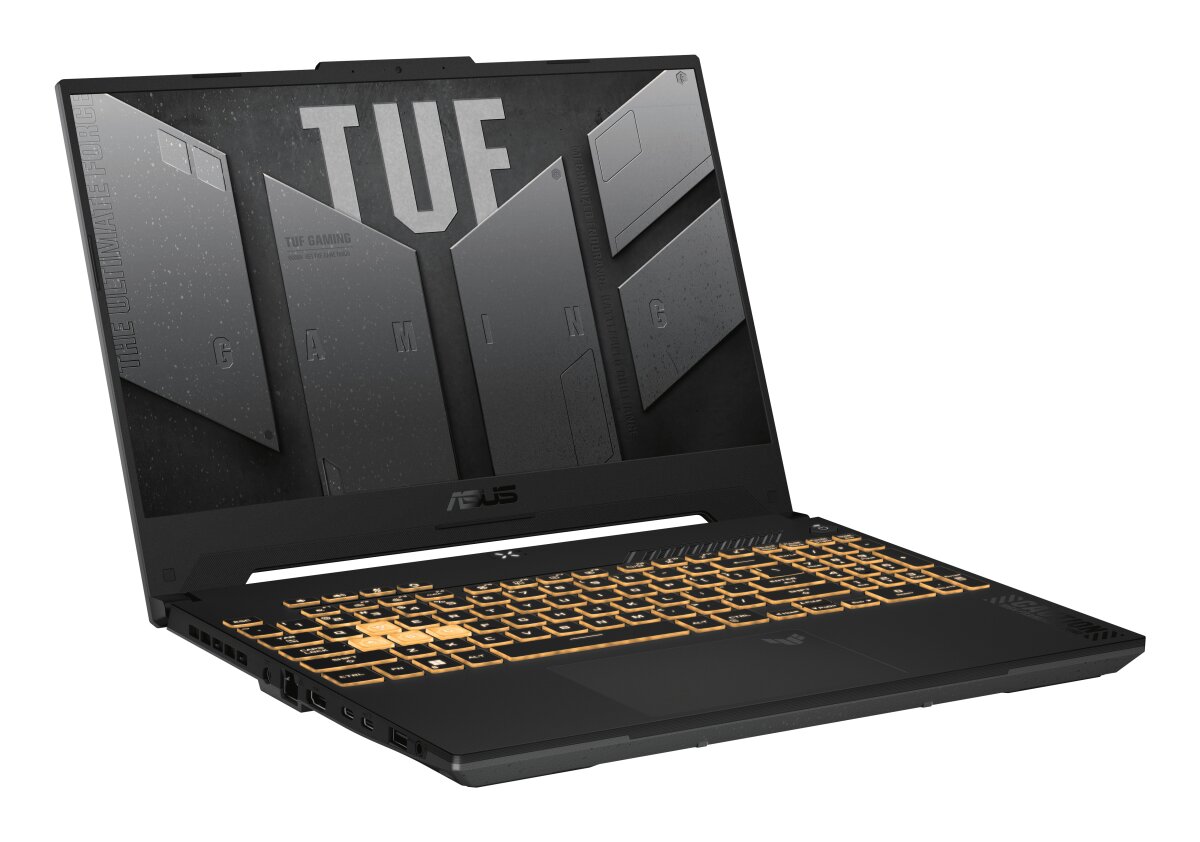

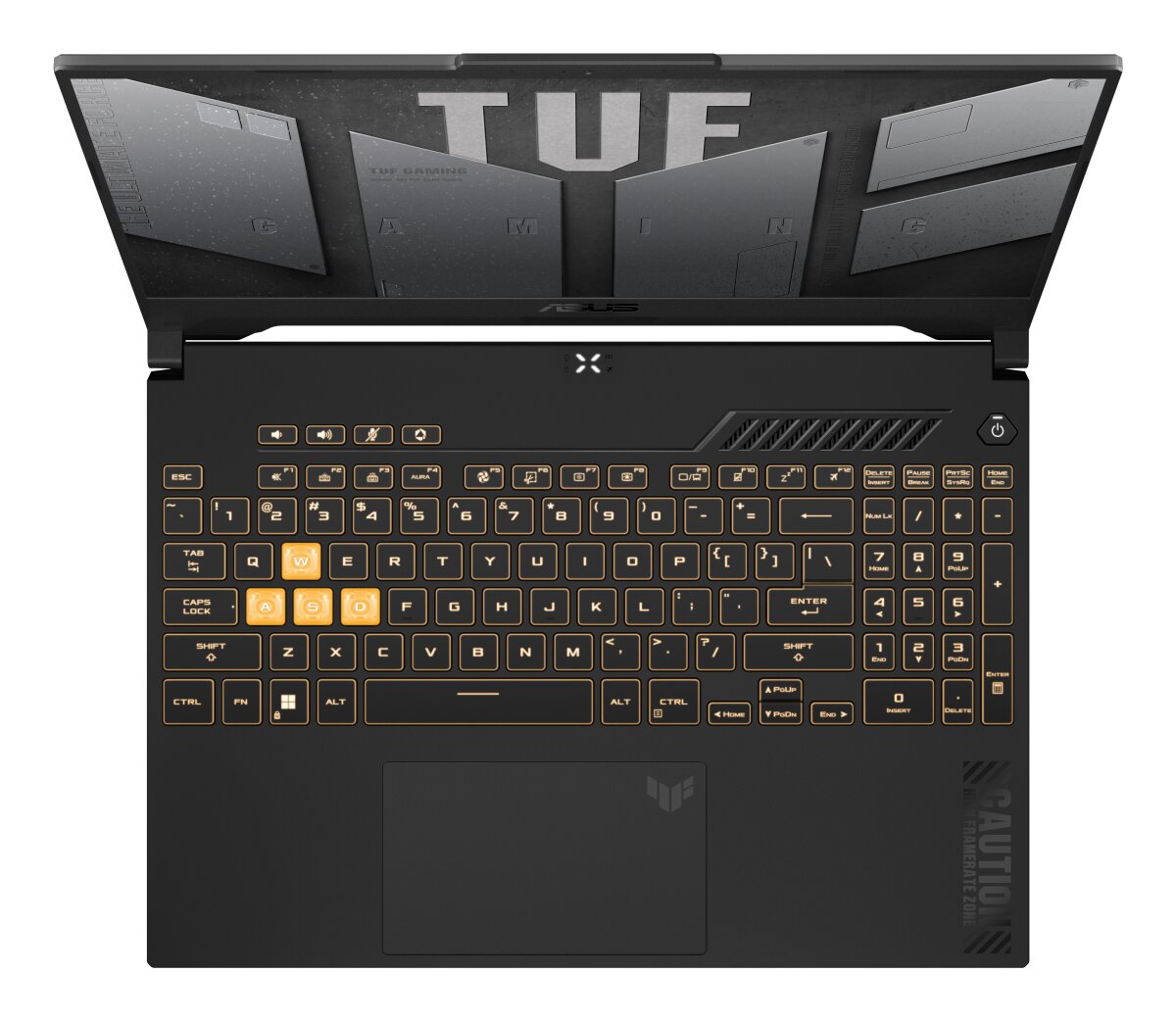
The ASUS TUF Gaming F15 FX507VU-LP259 features two SO-DIMM memory slots supporting DDR5-SDRAM specifications. The laptop accommodates a maximum RAM capacity of 32 GB when upgraded. Compatible memory operates at 4800 MHz frequency. Upgrade specifications confirm DDR5 technology with dual slot configuration, enabling users to expand the system memory to the maximum supported capacity of 32 GB total. The SO-DIMM form factor designates the memory upgrade type for the FX507VU-LP259 model.
Memory Upgrade Specifications
| Specification | Value |
|---|---|
| Memory slots | 2x SO-DIMM |
| Form factor | SO-DIMM |
| Memory type | DDR5-SDRAM |
| Frequency | 4800 MHz |
| Maximum RAM | 32 GB |
| Voltage | 1.1V |
| Number of pins | 262-pin |
| Interface | PC5 |
| PC Speed Rating | PC5-4800 (PC5-38400) |
| Bandwidth | 38.4 GB/s |
Additional Notes
- The ASUS TUF Gaming FX507VU-LP259 accepts DDR5 memory exclusively, making backward compatibility with DDR4 modules impossible. Existing DDR4 inventory cannot be repurposed for this system.
- With 2 SO-DIMM slots and a 32 GB ceiling, the maximum capacity per module is 16 GB. Single-module upgrades leave one slot unfilled, reducing dual-channel performance and limiting future expansion to only a second 16 GB module.
- The 4800 MHz specification represents the standard JEDEC frequency for DDR5. Memory modules rated above 4800 MHz require BIOS-level XMP/DOCP profile activation to achieve advertised speeds; without manual overclocking, faster modules default to 4800 MHz operation.
- SO-DIMM form factor is physically incompatible with desktop UDIMM slots. Upgrades require laptop-specific memory; desktop DDR5 modules will not fit mechanically regardless of electrical compatibility.
- Operating system and chipset impose bandwidth constraints independent of memory speed. DDR5-4800 on this mobile platform saturates typical laptop I/O bottlenecks; upgrading to faster JEDEC or XMP profiles yields minimal performance gains in most workloads outside of memory-intensive applications.
- Most manufacturers classify RAM replacement as user-serviceable and warranty-safe. Opening the bottom panel to access SO-DIMM slots typically does not void coverage, provided no other components are disturbed.