ASUS TUF Gaming FX507VU-LP261 RAM upgrade specifications


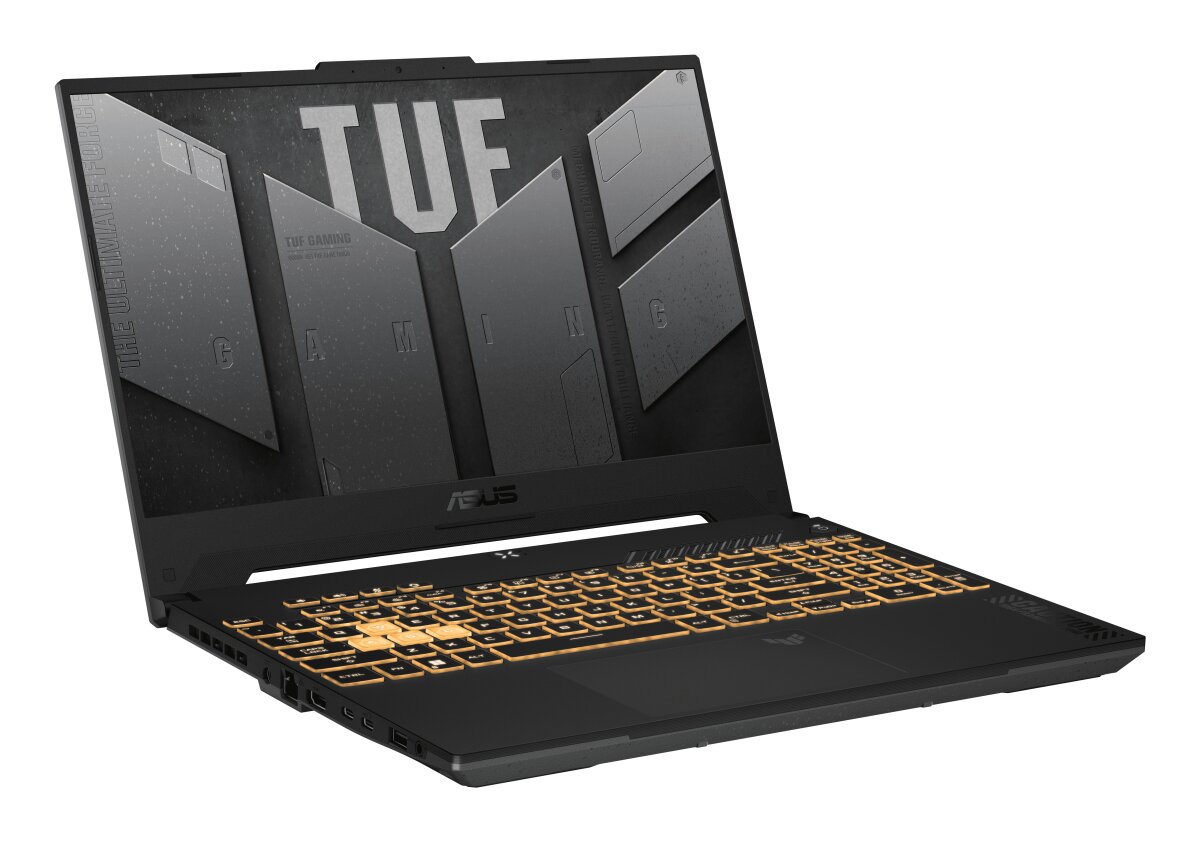

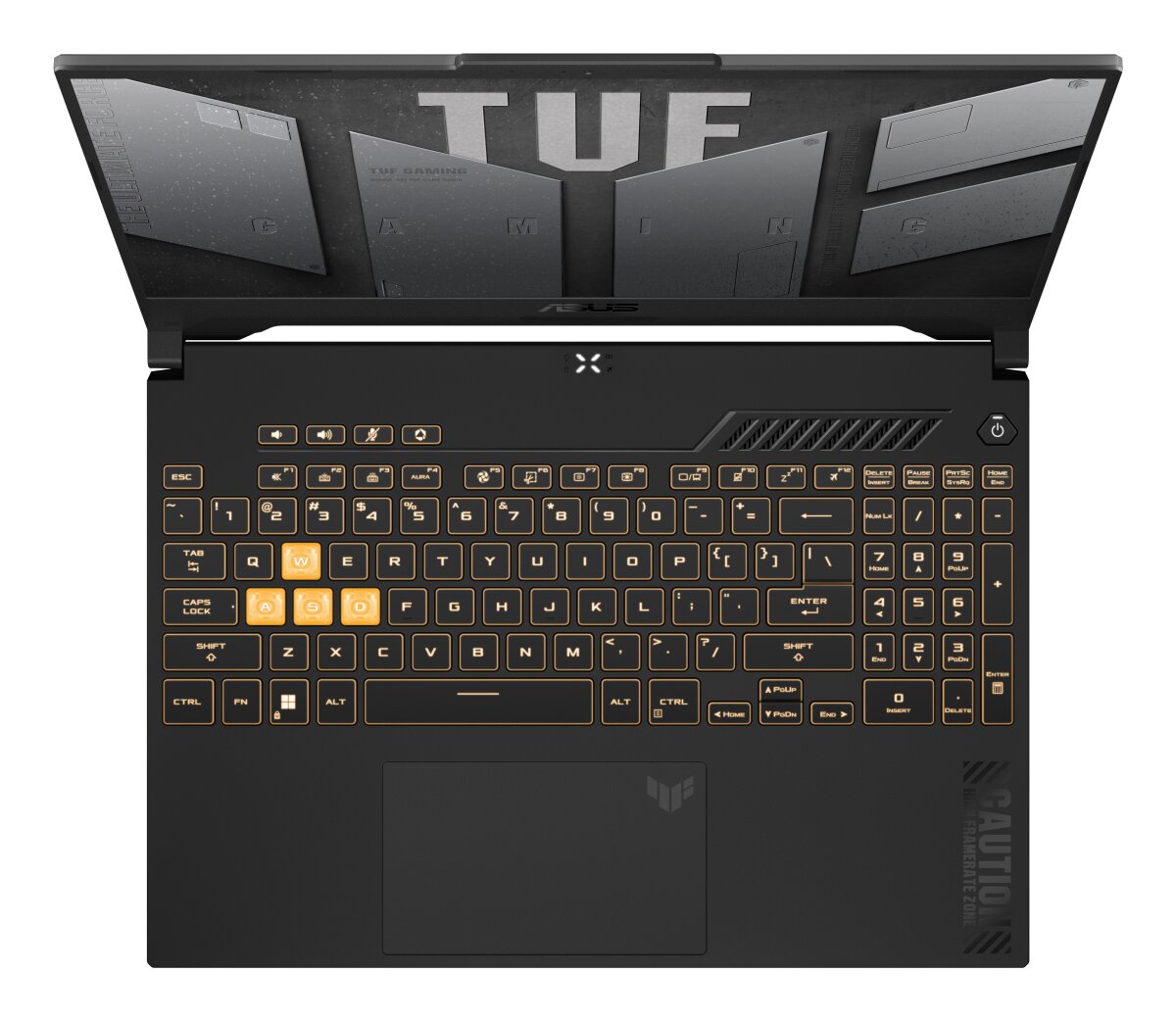
The ASUS TUF Gaming F15 FX507VU-LP261 laptop features DDR5-SDRAM memory specifications with two SO-DIMM slots supporting maximum upgrade capacity of 32 GB. The memory operates at 4800 MHz frequency. Compatible RAM modules utilize the SO-DIMM form factor. Upgrade specifications enable configurations up to the maximum supported capacity through compatible DDR5-SDRAM modules in either single or dual-slot configurations.
Memory Upgrade Specifications
| Specification | Value |
|---|---|
| Memory slots | 2x SO-DIMM |
| Form factor | SO-DIMM |
| Memory type | DDR5-SDRAM |
| Frequency | 4800 MHz |
| Maximum RAM | 32 GB |
| Voltage | 1.1V |
| Number of pins | 262-pin |
| Interface | PC5 |
| PC Speed Rating | PC5-4800 (PC5-38400) |
| Bandwidth | 38.4 GB/s |
Additional Notes
- The ASUS TUF Gaming FX507VU-LP261 accommodates DDR5-SDRAM exclusively, rendering DDR4 modules incompatible regardless of physical appearance similarity to SO-DIMM form factors.
- Dual SO-DIMM slots enable symmetric configuration up to 32 GB total capacity, achievable through 2 x 16 GB modules operating at 4800 MHz within JEDEC specifications.
- Single-module installations trigger asymmetric memory access patterns, causing performance degradation in dual-channel architecture due to one vacant slot forcing single-channel operation on the populated DIMM.
- DDR5-4800 MHz frequency represents the baseline standard for this generation; higher-frequency aftermarket modules may initialize at 4800 MHz unless BIOS enables XMP/DOCP profiles, which voids certain manufacturer warranties on non-OEM components.
- SO-DIMM form factor constrains maximum individual module capacity to 48 GB in desktop-class DDR5, meaning the 32 GB ceiling reflects laptop thermal and power delivery architecture rather than technology limitations.
- Memory controller latency increases with SO-DIMM electrical path length compared to UDIMM variants; bandwidth saturation occurs sooner under sustained workloads despite identical frequency ratings.
- Factory-sealed SO-DIMM slots typically contain OEM-validated modules; third-party replacements may exhibit compatibility issues with integrated graphics memory allocation if BIOS does not auto-detect capacity changes.
- Thermal dissipation constraints of the chassis may prevent reliable operation of high-performance DDR5 modules with integrated heatspreaders exceeding 11 mm thickness under sustained loads above 95 degrees Celsius ambient temperature.