ASUS TUF Gaming FX507VU4-LP048W RAM upgrade specifications
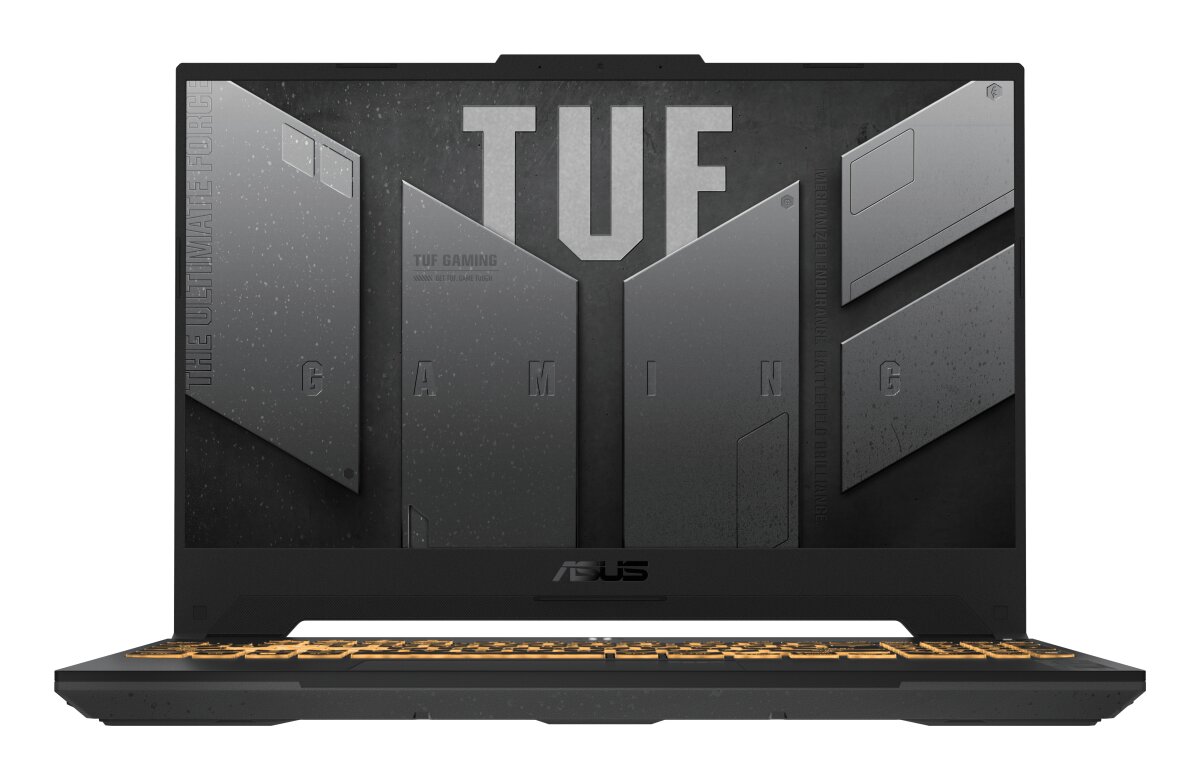
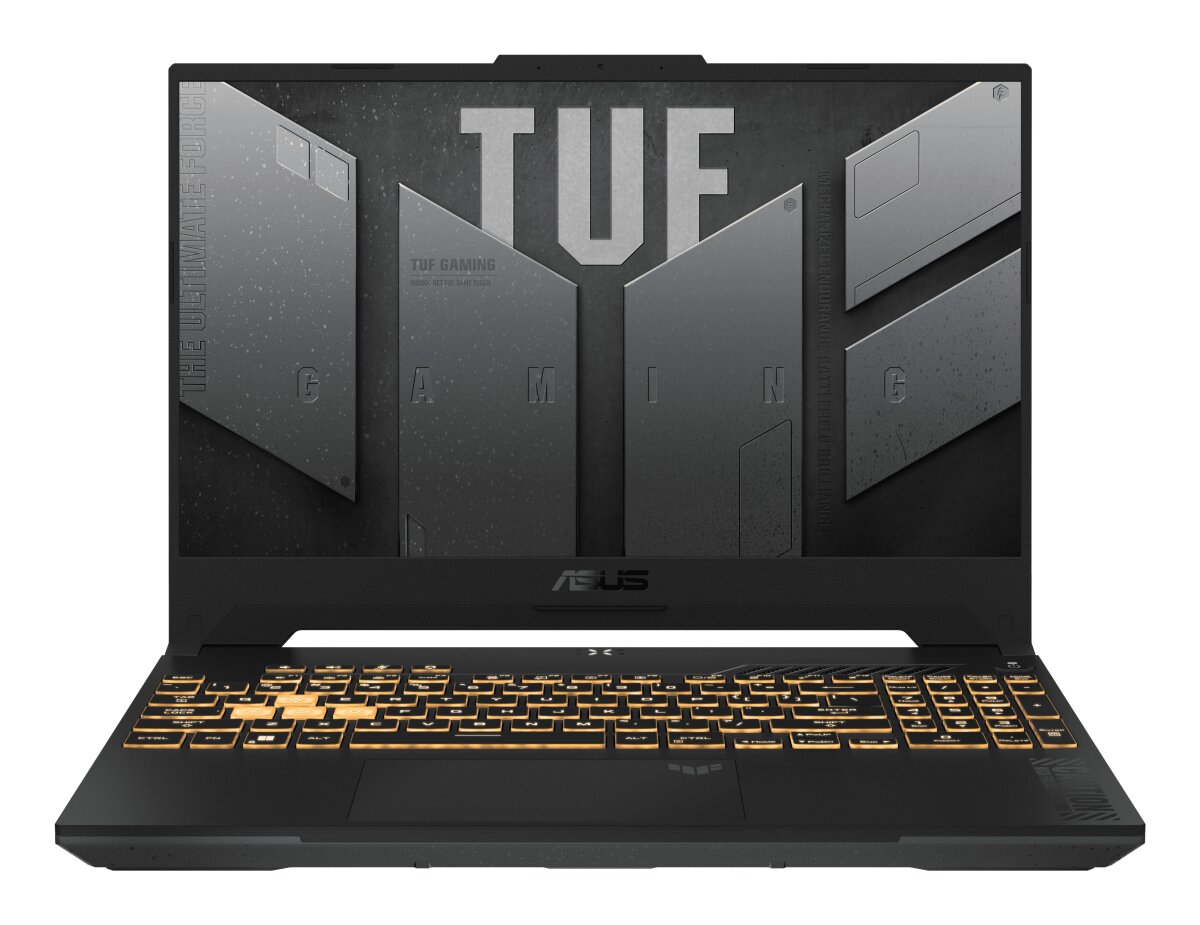
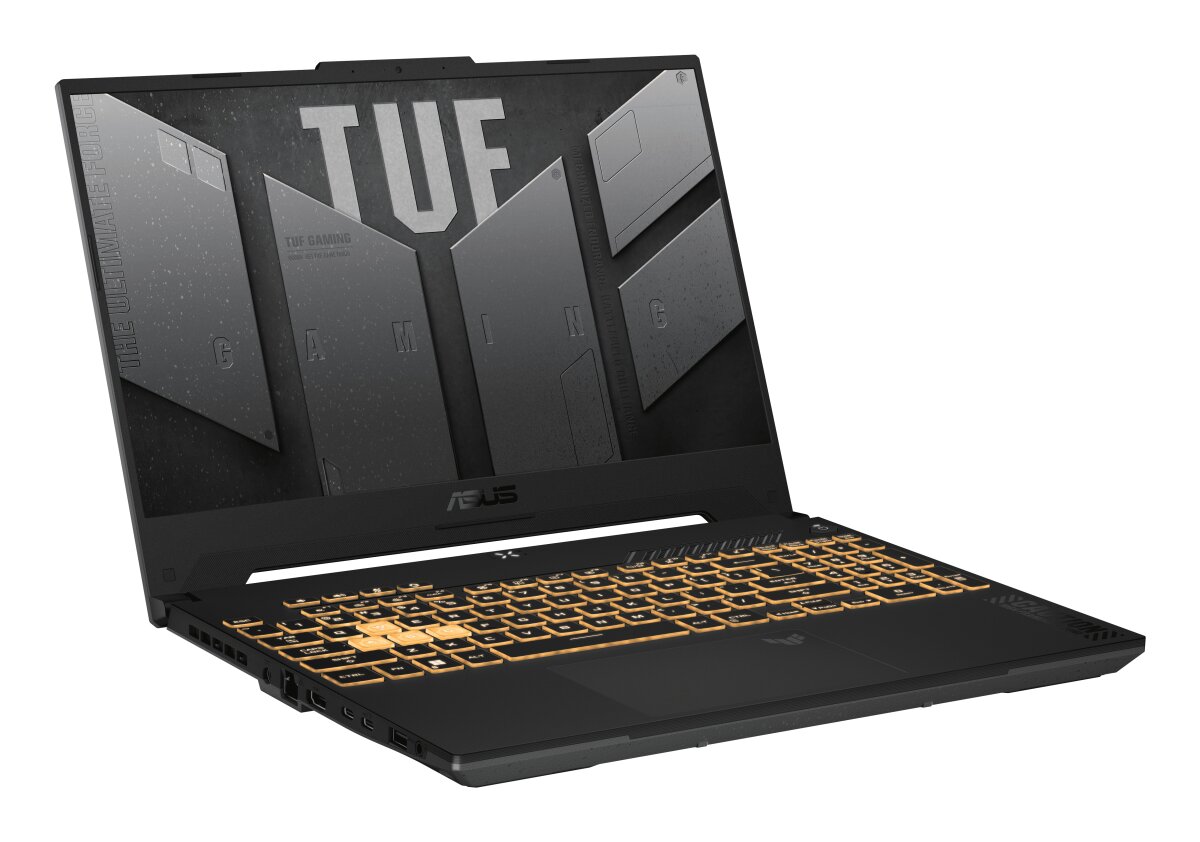
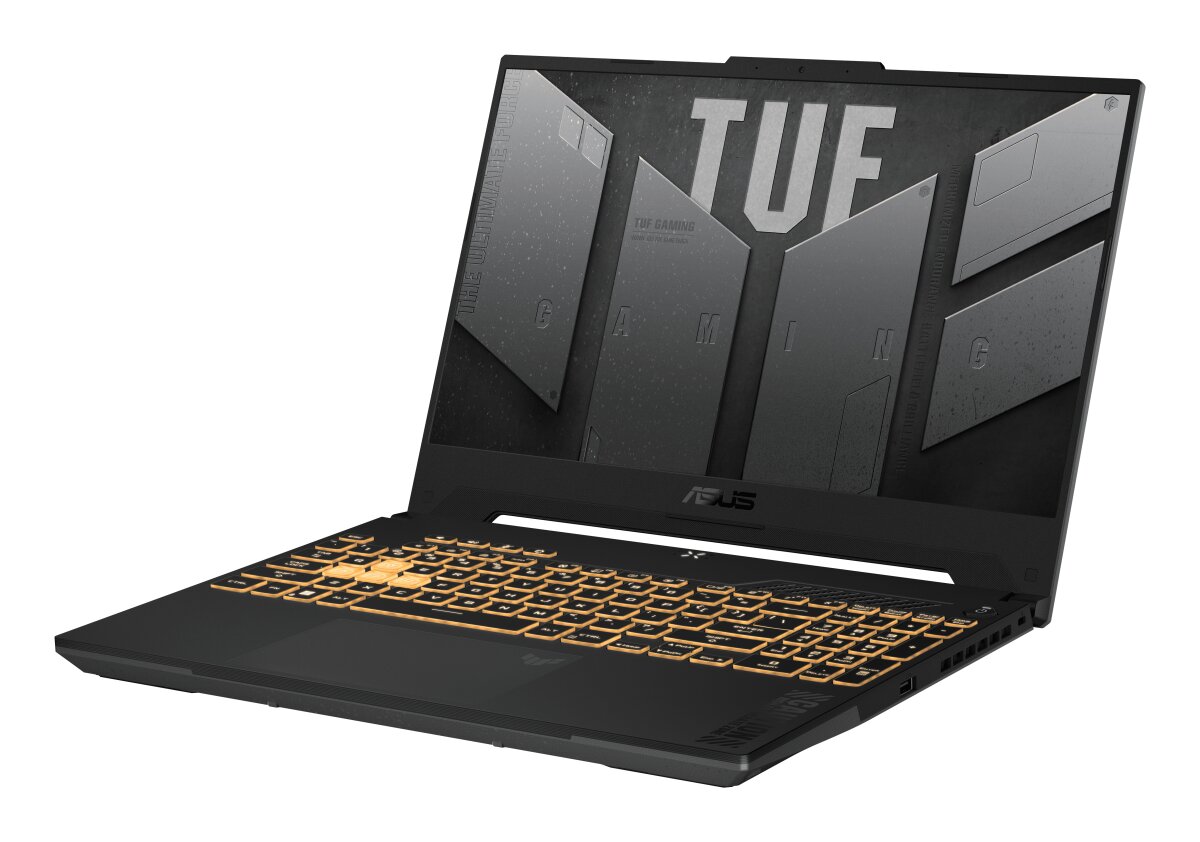
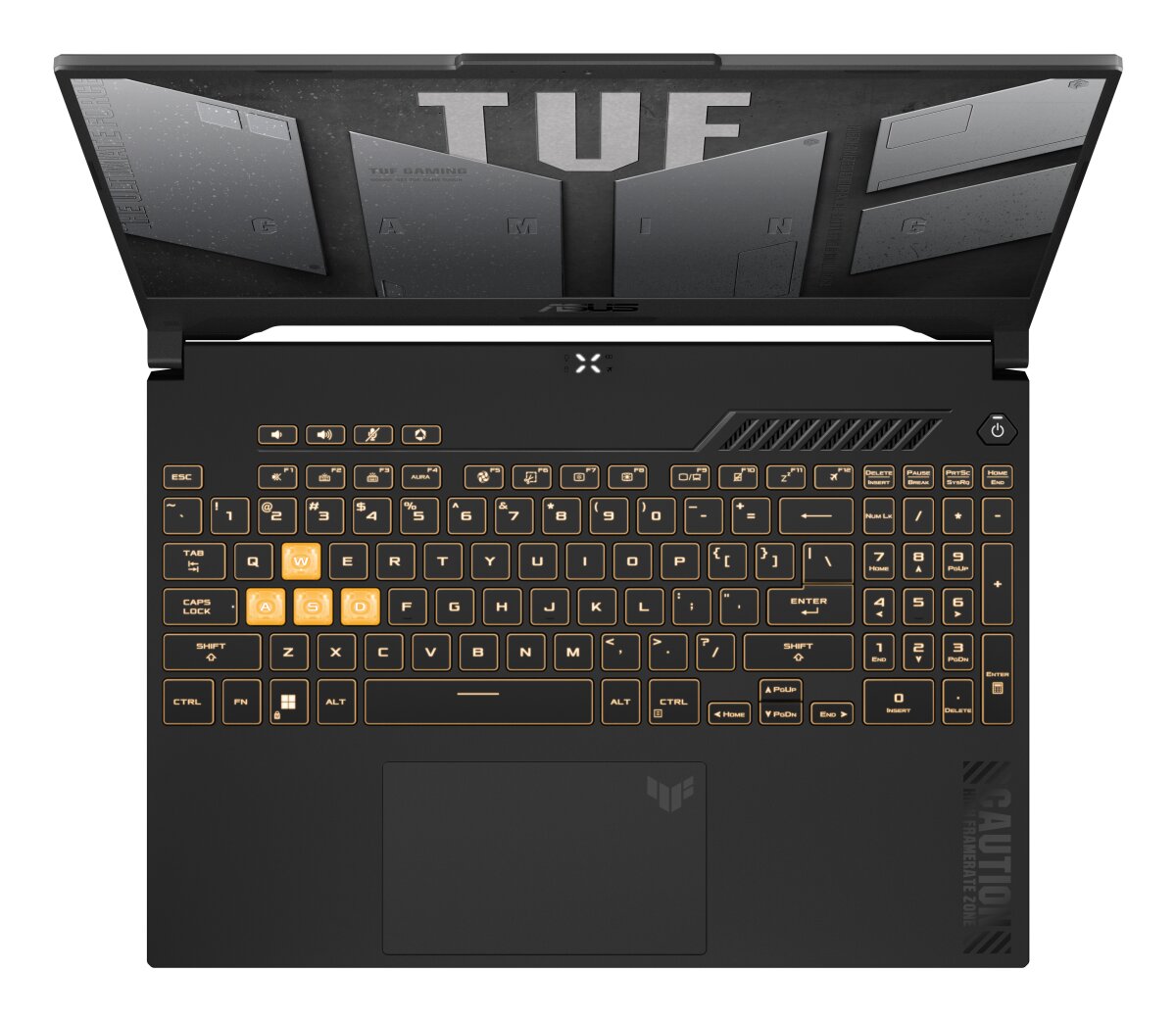
The ASUS TUF Gaming F15 FX507VU4-LP048W supports DDR4-SDRAM memory upgrades through two SO-DIMM slots. Maximum RAM capacity reaches 32 GB total. Memory specifications include DDR4 operating at 3200 MHz frequency. Compatible upgrades utilize SO-DIMM form factor modules. Existing memory configuration may be expanded by replacing or supplementing current modules within the available slots. RAM upgrade compatibility requires DDR4-SDRAM specifications matching the laptop's designated frequency and form factor parameters.
Memory Upgrade Specifications
| Specification | Value |
|---|---|
| Memory slots | 2x SO-DIMM |
| Form factor | SO-DIMM |
| Memory type | DDR4-SDRAM |
| Frequency | 3200 MHz |
| Maximum RAM | 32 GB |
| Voltage | 1.2V |
| Number of pins | 260-pin |
| Interface | PC4 |
| PC Speed Rating | PC4-3200 (PC4-25600) |
| Bandwidth | 25.6 GB/s |
Additional Notes
- The DDR4-3200 specification indicates this ASUS TUF Gaming FX507VU4-LP048W operates on a dual-channel architecture with a theoretical maximum bandwidth of 51.2 GB/s when both slots are populated with matching modules.
- The 32 GB ceiling suggests the memory controller supports 16 GB density modules per slot, eliminating compatibility with higher-capacity single-DIMM configurations that may become available in DDR4 form factors.
- SO-DIMM slots in this chassis require modules with 260-pin connectors and 1.2V operating voltage, which differs from desktop DIMM standards and restricts sourcing to laptop-specific components.
- Mixing modules with different CAS latencies or timings will force both modules to operate at the slower specification, potentially degrading performance below the 3200 MHz rating.
- Single-channel configurations using only 1 occupied slot will halve memory bandwidth to approximately 25.6 GB/s, creating bottlenecks in GPU-intensive tasks and integrated graphics workloads.
- Non-soldered SO-DIMM slots permit field replacement without voiding warranties in most regions, provided the upgrade uses JEDEC-compliant DDR4 modules within the specified frequency and voltage parameters.
- The 3200 MHz frequency represents the maximum supported speed, meaning modules rated at 3600 MHz or higher will downclock to 3200 MHz and provide no performance advantage despite increased cost.
- Thermal considerations in gaming laptops may cause DDR4 modules to throttle under sustained loads, making low-profile heat spreader designs preferable to taller aftermarket variants that risk chassis clearance issues.
- Asymmetric population with different capacities per slot maintains dual-channel operation only up to the capacity of the smaller module, with excess capacity on the larger module reverting to slower single-channel mode.
- DDR4 backward compatibility does not extend to DDR3 or DDR5 standards, requiring exact generation matching during sourcing and eliminating cross-platform module reuse.