ASUS TUF Gaming FX507ZC-HN118W RAM upgrade specifications
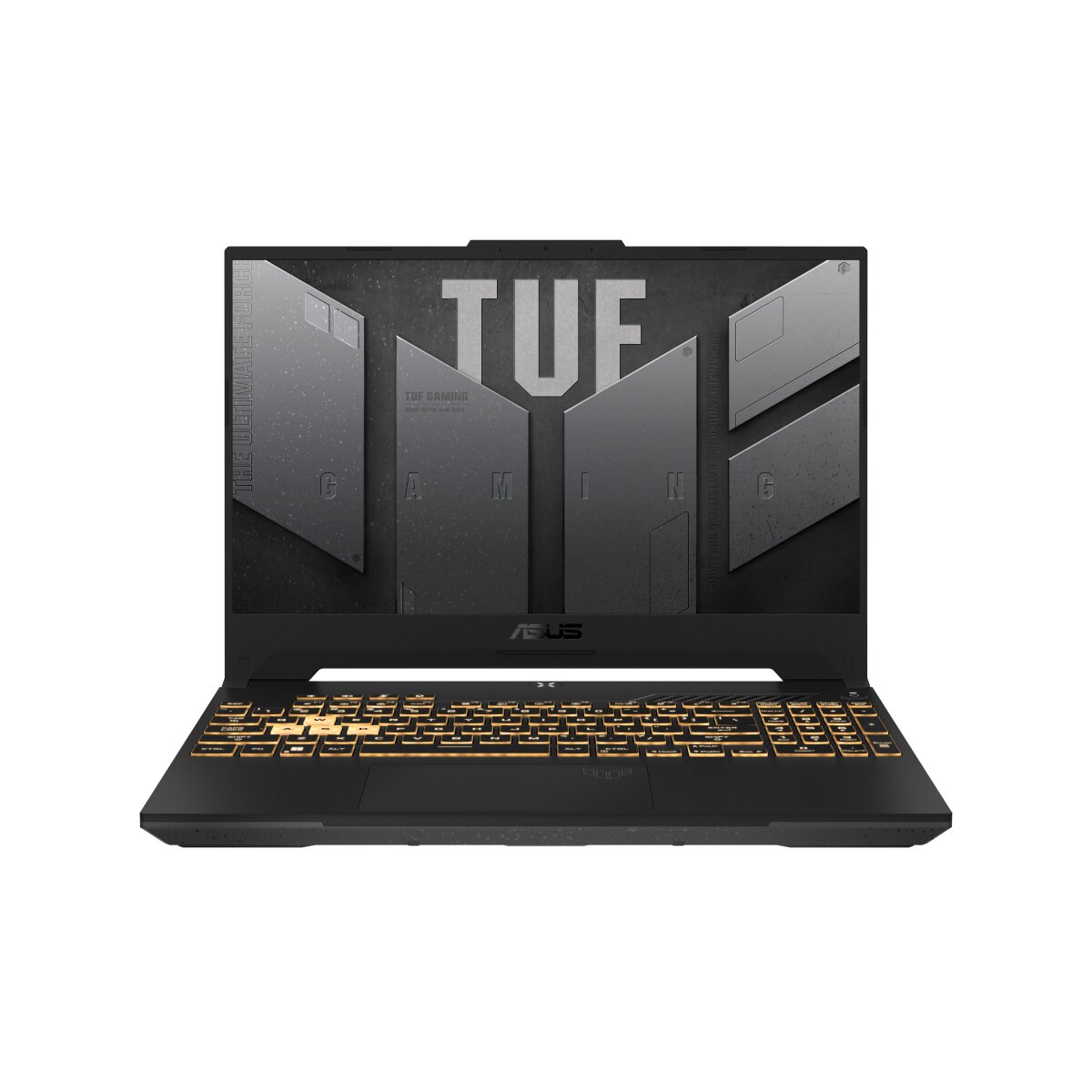
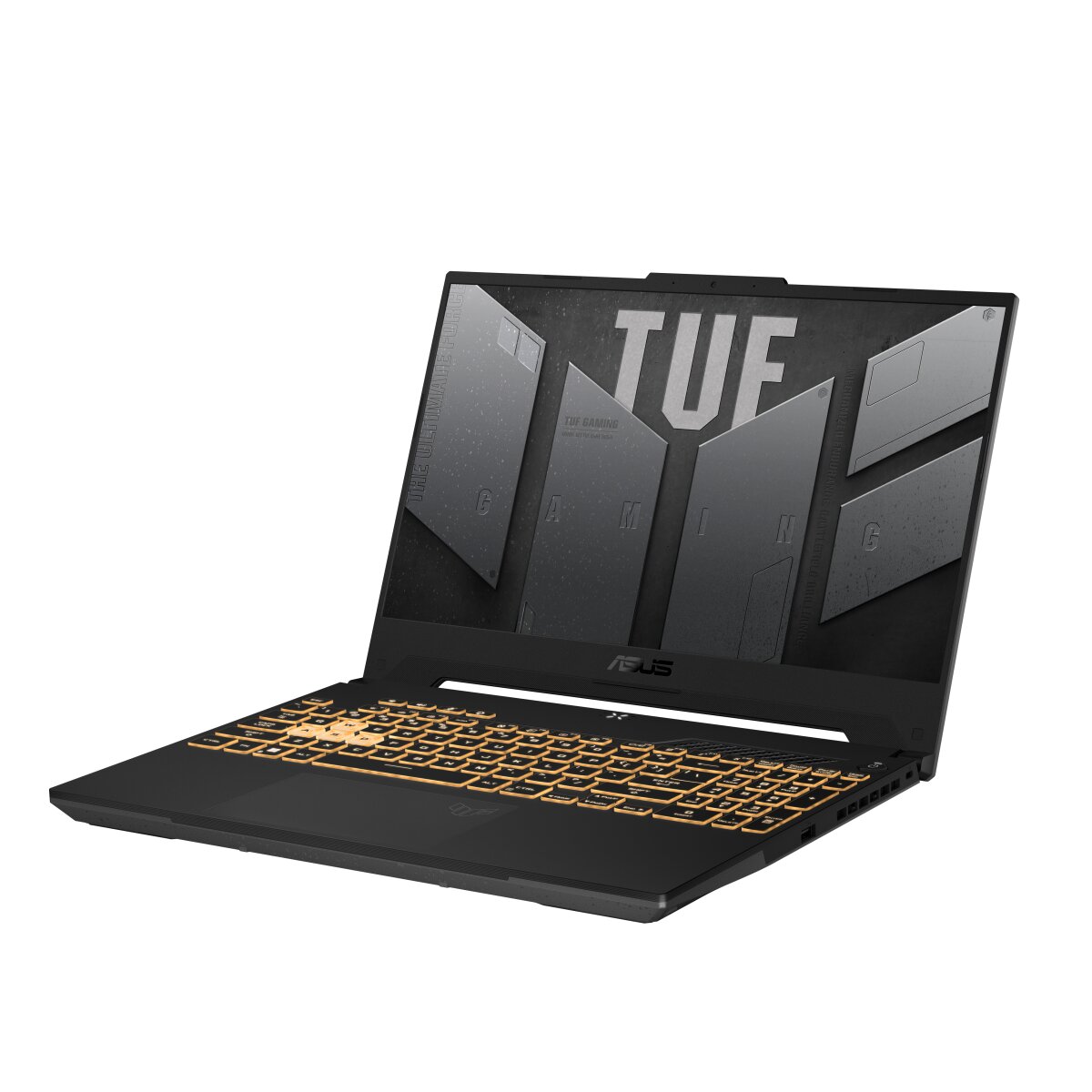
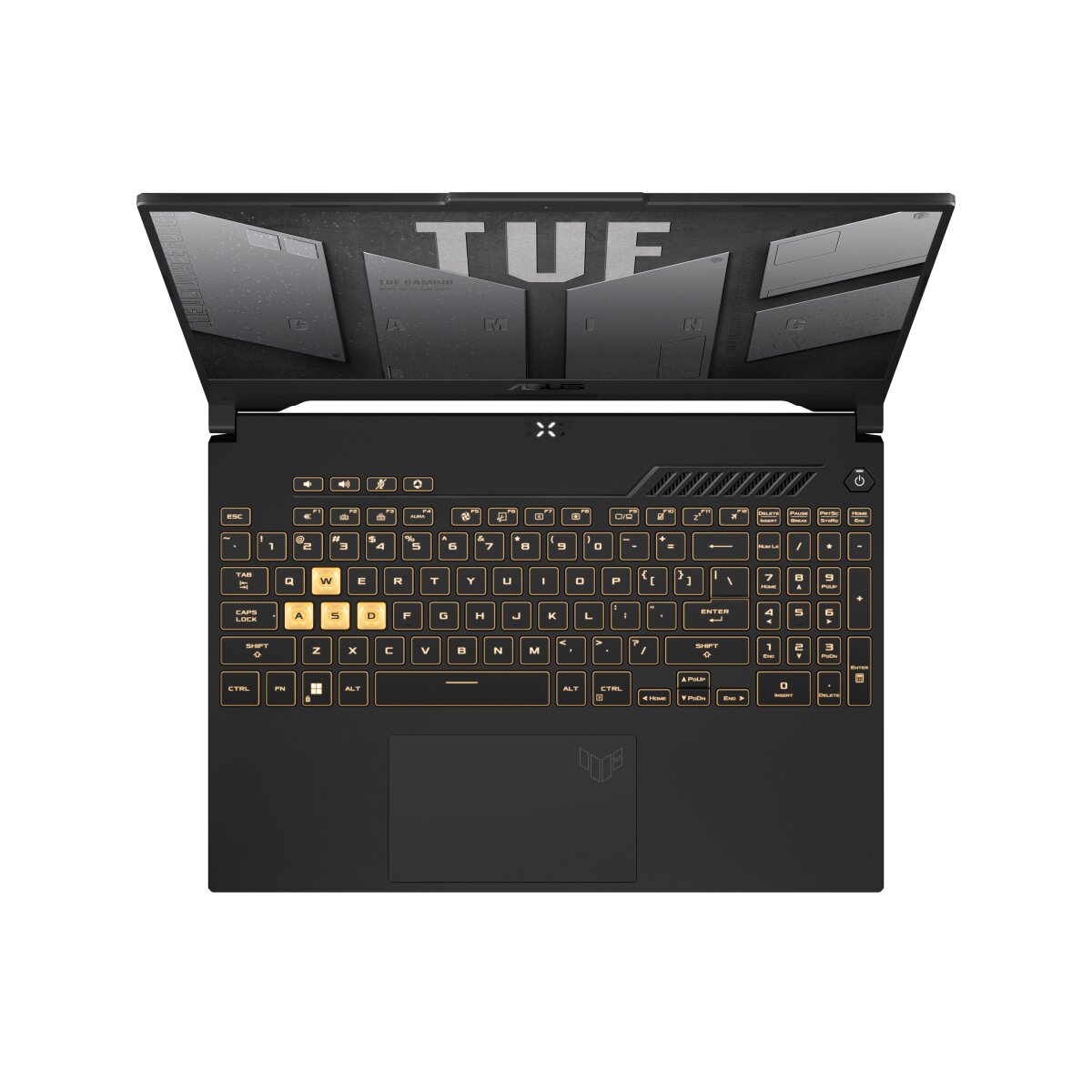
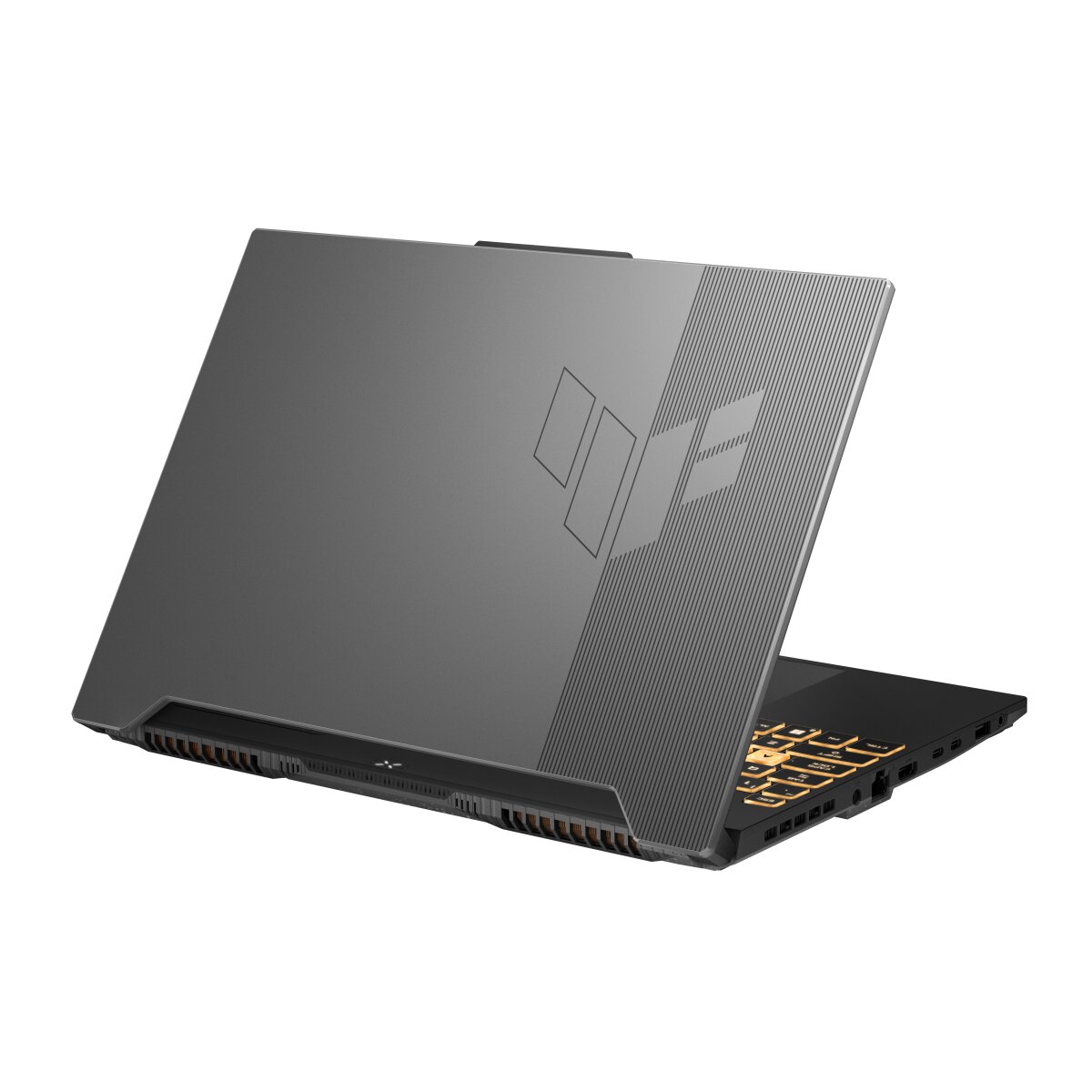
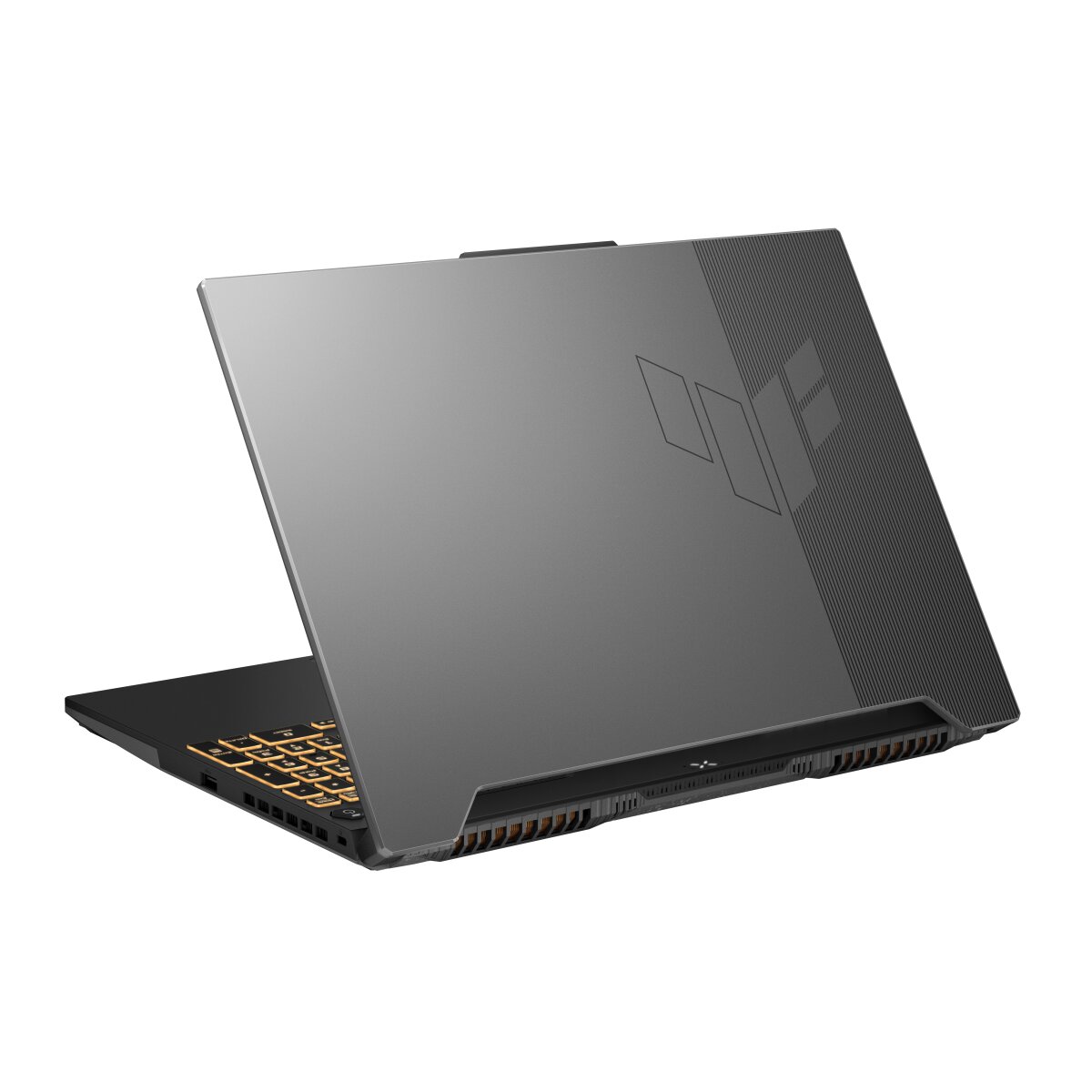
ASUS TUF Gaming F15 FX507ZC-HN118W laptop specifications indicate DDR5-SDRAM memory upgrade capability. The system features 2x SO-DIMM memory slots with maximum RAM capacity of 32 GB. Compatible upgrades support DDR5-SDRAM modules operating at 4800 MHz frequency. SO-DIMM form factor memory modules are required for compatible RAM upgrades on this laptop model.
Memory Upgrade Specifications
| Specification | Value |
|---|---|
| Memory slots | 2x SO-DIMM |
| Form factor | SO-DIMM |
| Memory type | DDR5-SDRAM |
| Frequency | 4800 MHz |
| Maximum RAM | 32 GB |
| Voltage | 1.1V |
| Number of pins | 262-pin |
| Interface | PC5 |
| PC Speed Rating | PC5-4800 (PC5-38400) |
| Bandwidth | 38.4 GB/s |
| Laptop Release date | 17 June 2022 |
Additional Notes
- The ASUS TUF Gaming FX507ZC-HN118W accepts DDR5 memory exclusively, rendering DDR4 modules incompatible regardless of physical similarities.
- Dual SO-DIMM slots enable symmetric dual-channel configuration when populated identically, which is required to achieve rated 4800 MHz performance; mismatched capacity or speed between slots triggers single-channel operation on the second module.
- Maximum addressable capacity of 32 GB establishes an upgrade ceiling; units shipped with less than 32 GB total can be expanded only to this limit, not beyond.
- The 4800 MHz specification represents JEDEC standard performance for this generation; third-party modules rated above this frequency operate at Intel XMP profiles, which fall outside manufacturer warranty coverage for this system.
- SO-DIMM slot clearance constraints typical of 15.6-inch gaming laptops may restrict compatible module heights; tall heat spreaders or aftermarket coolers on DIMMs risk contact with internal chassis components or cooling systems.
- DDR5 modules consume approximately 1.1V compared to DDR4's 1.2V, reducing thermal load marginally but offering no practical advantage for upgrade selection given the laptop's thermal design already accommodates this specification.
- Bandwidth saturation occurs when both slots operate in parallel at 4800 MHz; gaming workloads rarely saturate this bandwidth ceiling, meaning single-module upgrades to 16 GB or 32 GB show negligible performance differentiation versus dual-module configurations in typical usage patterns.