ASUS TUF Gaming FX507ZC-RS51 RAM upgrade specifications
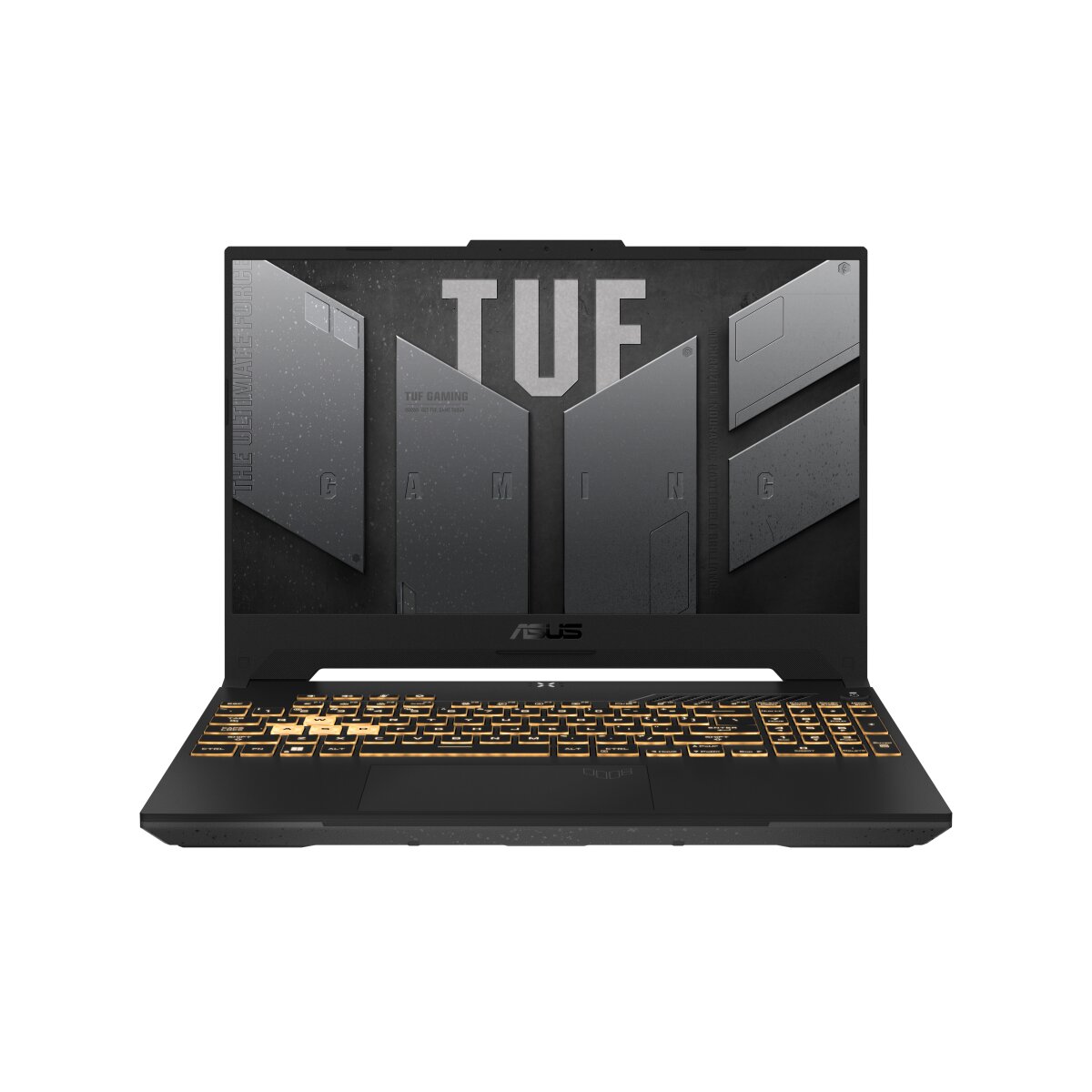

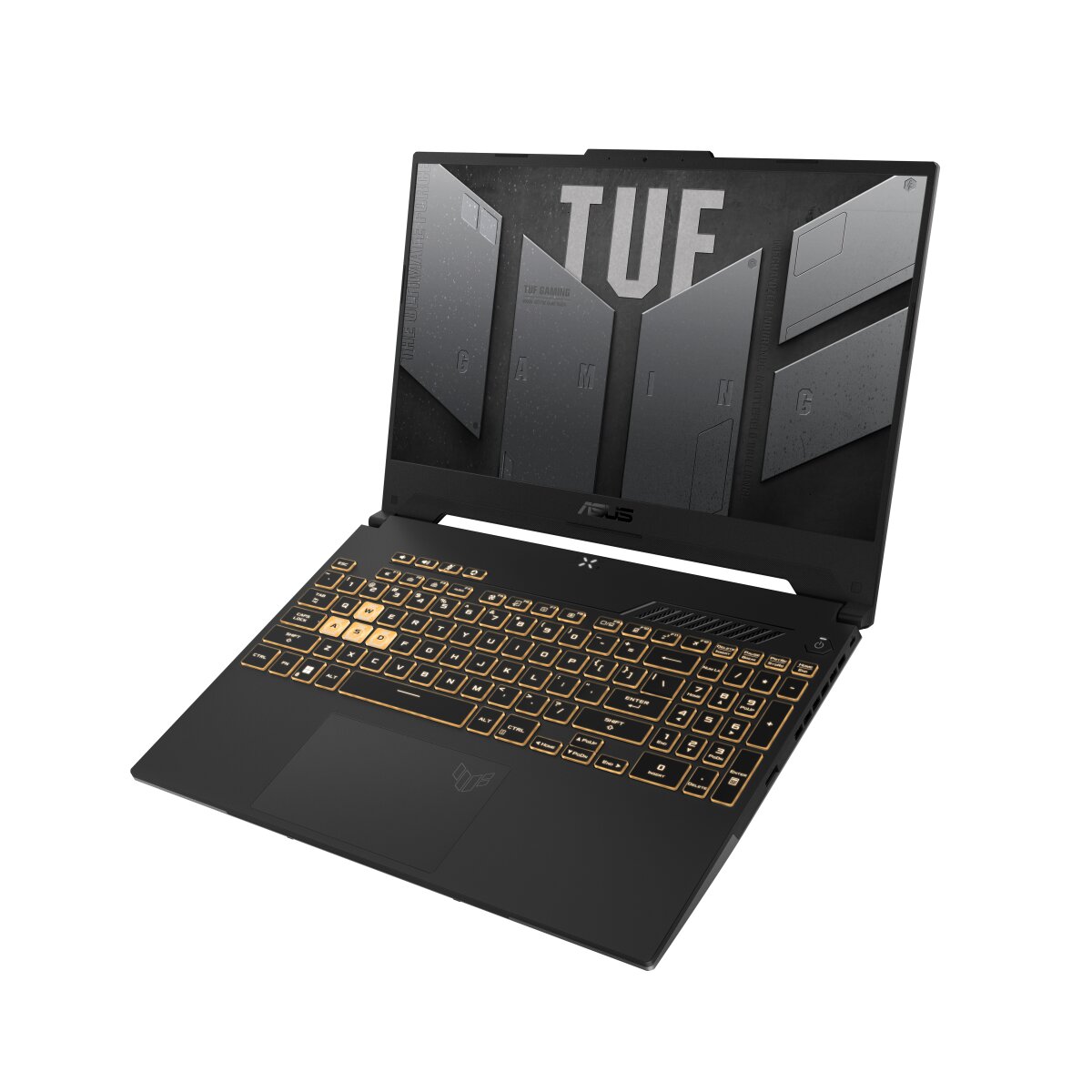
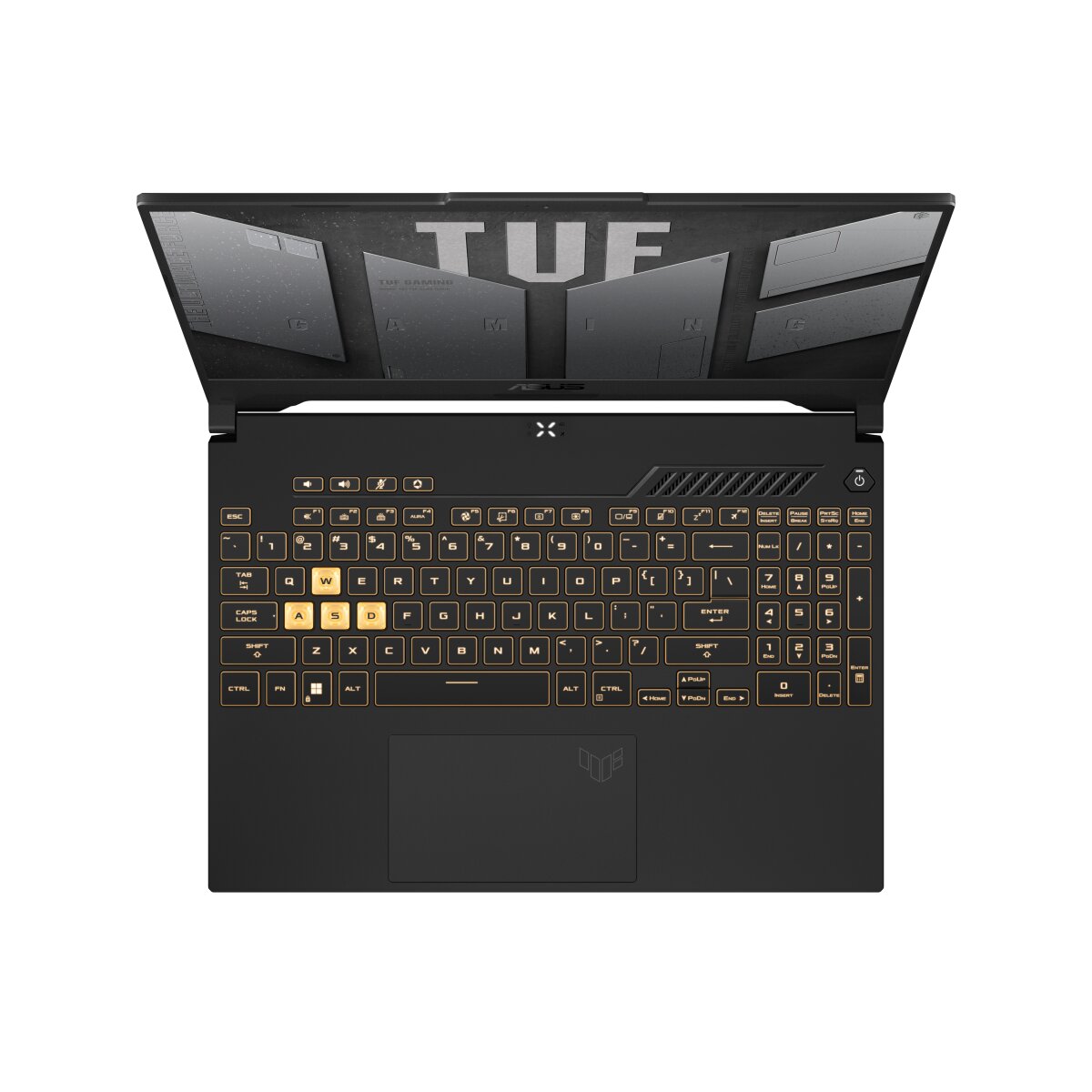
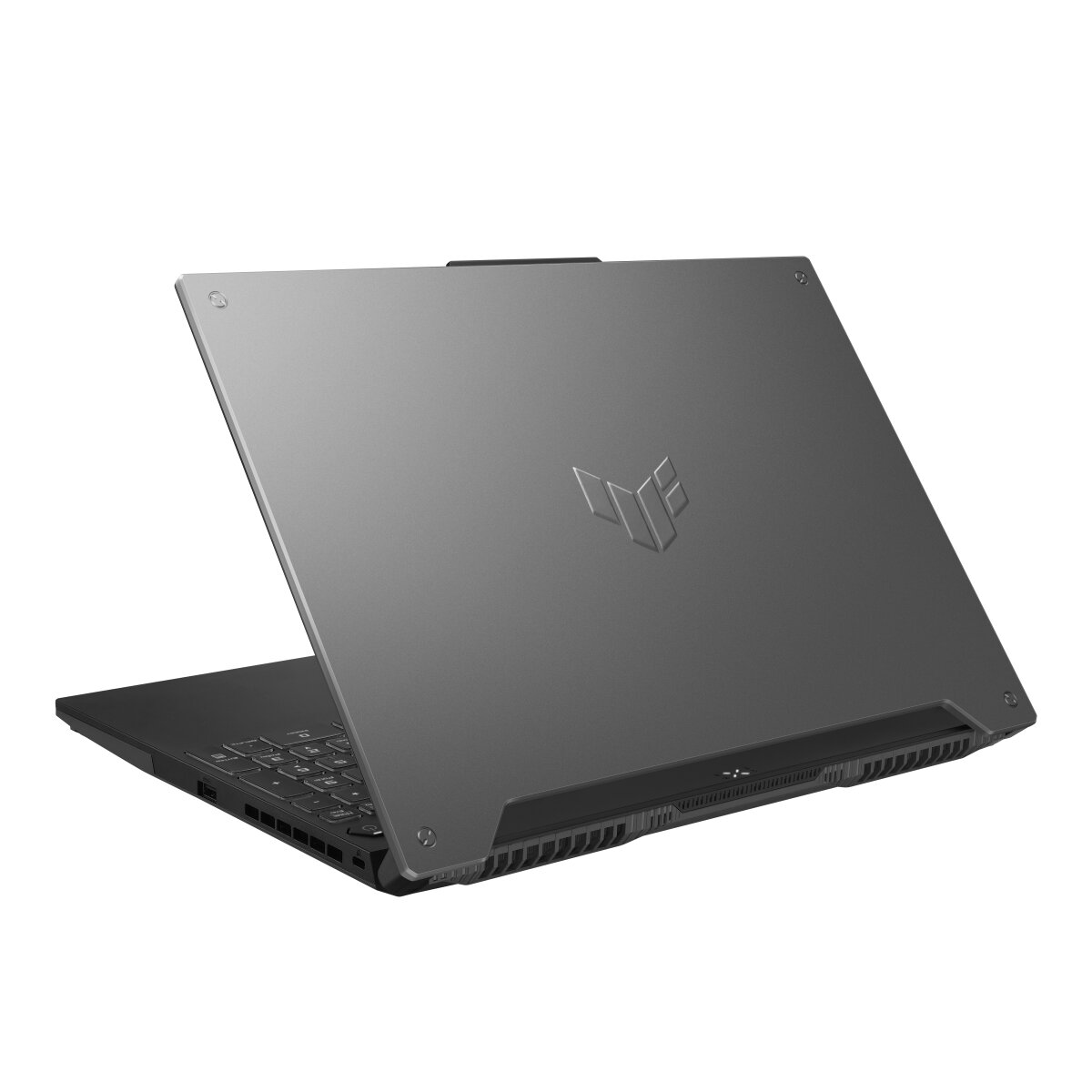
ASUS TUF Gaming F15 model FX507ZC-RS51 supports DDR4-SDRAM memory upgrades with two SO-DIMM slots. The laptop accommodates a maximum RAM capacity of 32 GB total, with memory specifications operating at 3200 MHz frequency. Compatible upgrades utilize SO-DIMM form factor modules, enabling users to expand system memory for enhanced multitasking and performance capabilities on the FX507ZC-RS51 gaming platform.
Memory Upgrade Specifications
| Specification | Value |
|---|---|
| Memory slots | 2x SO-DIMM |
| Form factor | SO-DIMM |
| Memory type | DDR4-SDRAM |
| Frequency | 3200 MHz |
| Maximum RAM | 32 GB |
| Voltage | 1.2V |
| Number of pins | 260-pin |
| Interface | PC4 |
| PC Speed Rating | PC4-3200 (PC4-25600) |
| Bandwidth | 25.6 GB/s |
Additional Notes
- The ASUS TUF Gaming FX507ZC-RS51 accepts only DDR4 modules, preventing the installation of DDR5 or older DDR3 generations due to physical notch incompatibility and voltage differences.
- Both memory slots must remain accessible after factory configuration, though accessing them typically requires bottom panel removal and may involve disconnecting the battery to prevent electrical damage during installation.
- The 32 GB ceiling restricts configuration options to either 2x16 GB modules for balanced dual-channel operation or asymmetric combinations like 8 GB plus 16 GB, which still enable dual-channel mode up to the capacity of the smaller module.
- Installing modules slower than 3200 MHz will cause the entire memory subsystem to downclock to the speed of the slowest module, creating a performance bottleneck in memory-intensive applications.
- Modules rated above 3200 MHz may physically install but will operate at 3200 MHz maximum due to chipset and processor memory controller limitations, offering no performance benefit over standard-speed components.
- Mixing modules with different CAS latencies will force all installed memory to operate at the highest (slowest) latency timing, potentially degrading performance compared to matched pairs.
- Single-channel operation with only 1 occupied slot reduces memory bandwidth by approximately 50 percent compared to dual-channel configurations, significantly impacting integrated graphics performance and memory-bound workloads.
- Non-standard voltage modules rated at 1.2V or 1.5V instead of the DDR4 standard 1.2V may cause stability issues or fail to initialize during POST.
- The SO-DIMM form factor physically prevents installation of standard DIMM desktop modules, which are approximately 40mm longer and use different connector pin counts.
- Installing third-party memory modules may void certain warranty terms depending on regional service policies, though memory upgrades typically fall under user-serviceable components in most markets.