ASUS TUF Gaming FX507ZC4-HN002W RAM upgrade specifications
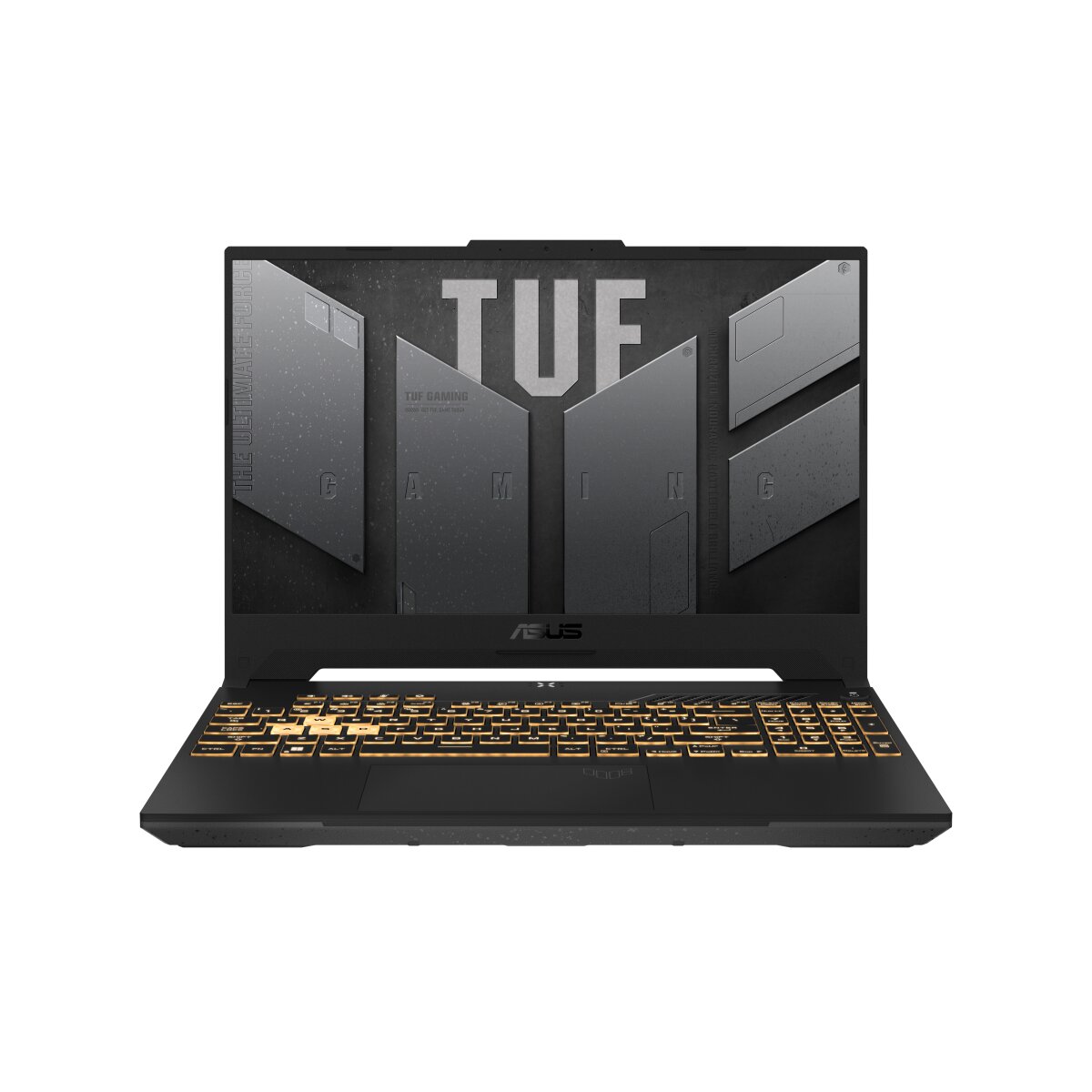
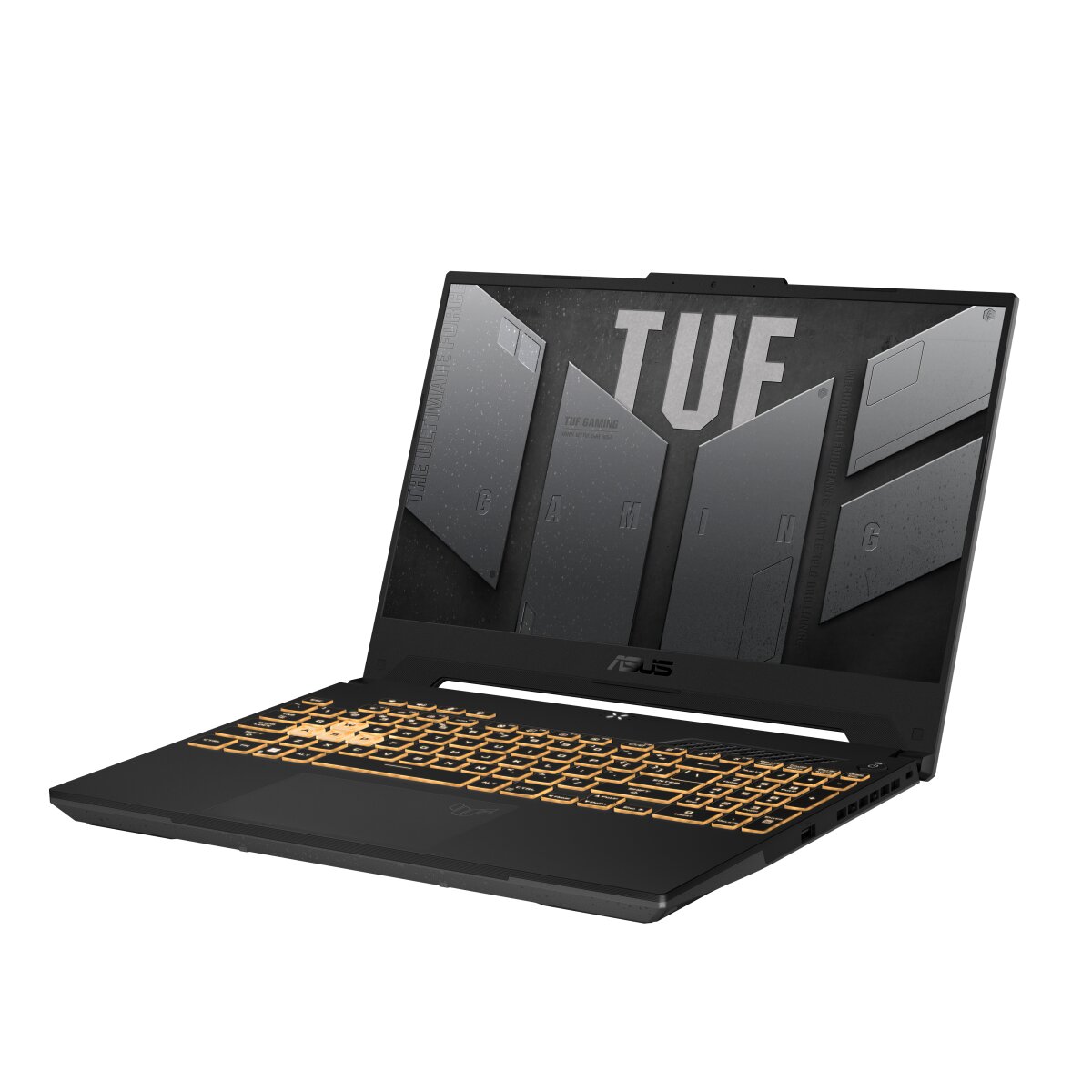
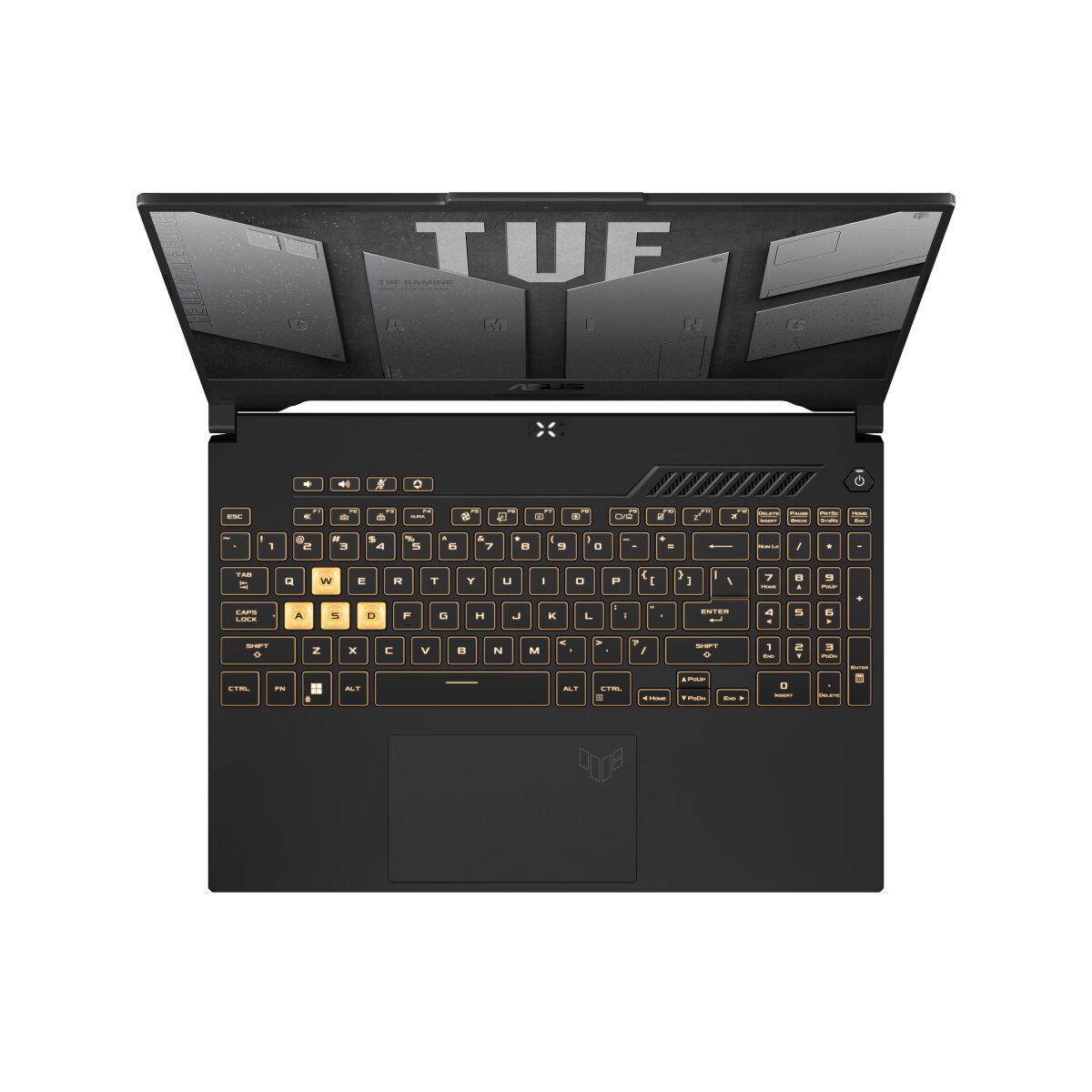
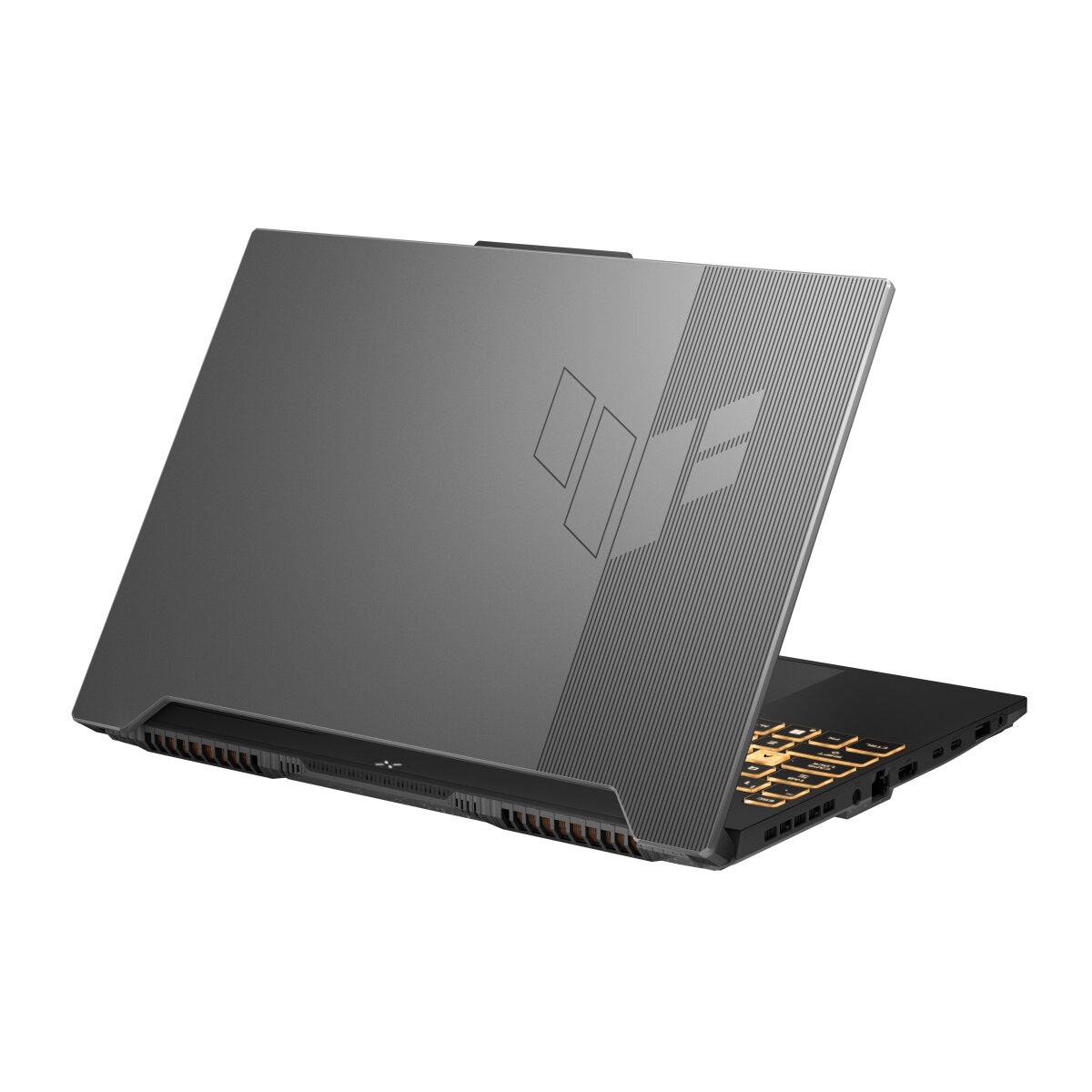
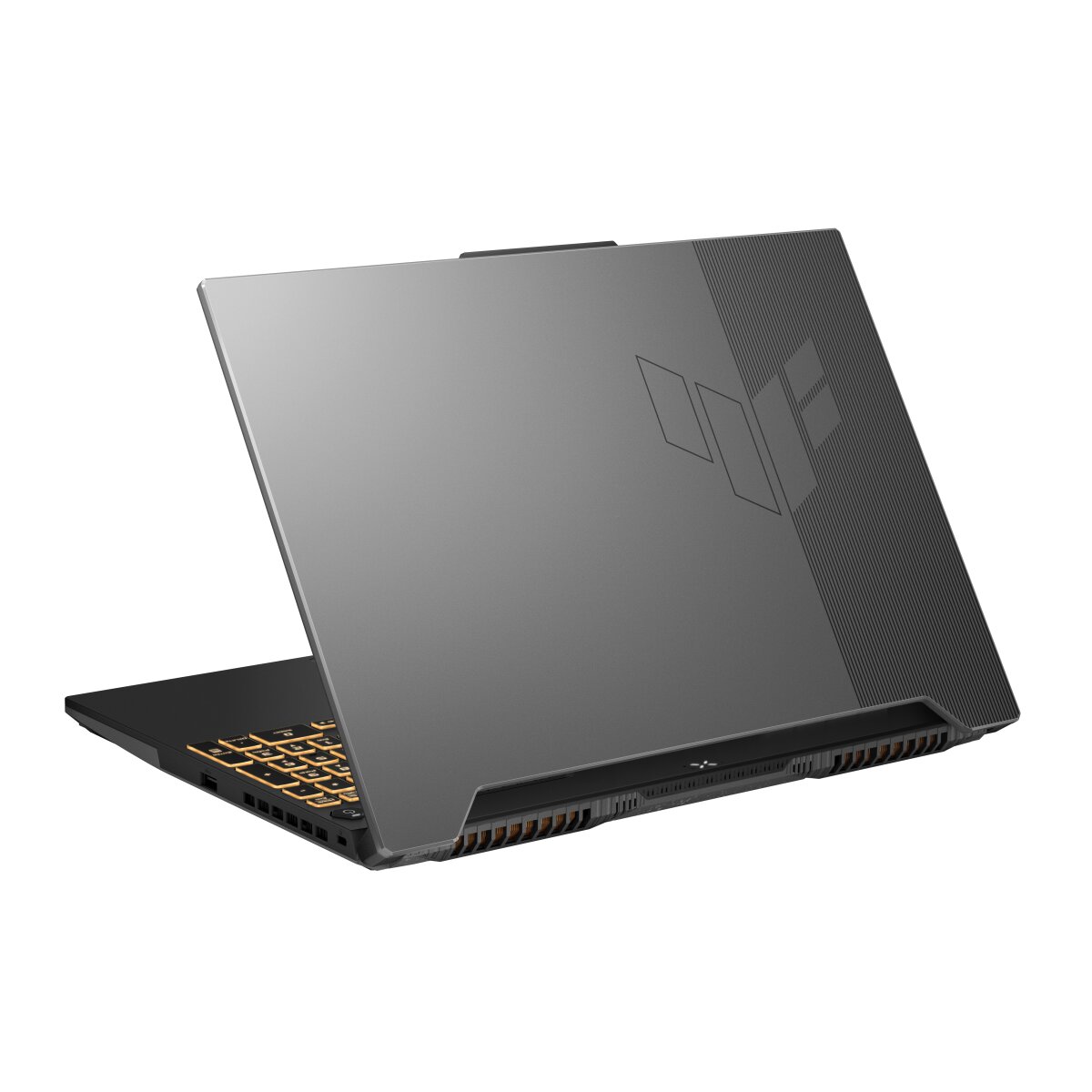
The ASUS TUF Gaming F15 FX507ZC4-HN002W features DDR4-SDRAM memory with 2x SO-DIMM upgrade slots supporting maximum capacity of 32 GB. Compatible memory specifications include DDR4 modules at 3200 MHz frequency. The laptop's dual SO-DIMM slots accommodate standard memory upgrades for users requiring increased RAM capacity. Current configuration allows for flexible memory expansion within the supported specifications and maximum RAM limitations of this gaming model.
Memory Upgrade Specifications
| Specification | Value |
|---|---|
| Memory slots | 2x SO-DIMM |
| Form factor | SO-DIMM |
| Memory type | DDR4-SDRAM |
| Frequency | 3200 MHz |
| Maximum RAM | 32 GB |
| Voltage | 1.2V |
| Number of pins | 260-pin |
| Interface | PC4 |
| PC Speed Rating | PC4-3200 (PC4-25600) |
| Bandwidth | 25.6 GB/s |
| Laptop Release date | 08 February 2023 |
Additional Notes
- The 32 GB maximum capacity limit indicates a chipset or BIOS restriction that prevents recognition of higher-density modules, even if physically compatible SO-DIMM slots could accept them.
- DDR4-3200 represents the highest JEDEC standard speed for this memory generation, meaning modules rated above this frequency would downclock to 3200 MHz regardless of their XMP profile capabilities.
- The SO-DIMM form factor physically measures 67.6 mm compared to standard DIMM's 133.35 mm length, making desktop memory modules incompatible despite identical DDR4 electrical specifications.
- Dual SO-DIMM configuration enables dual-channel operation when paired modules are installed, potentially doubling memory bandwidth from approximately 25.6 GB/s to 51.2 GB/s compared to single-channel configurations.
- Memory installation in the ASUS TUF Gaming FX507ZC4-HN002W requires bottom panel removal, which may involve multiple screw types and careful cable routing around thermal management components.
- Mixing different capacity modules between slots remains functional but may disable dual-channel mode or force asymmetric flex mode operation, reducing bandwidth efficiency during high-capacity memory operations.
- Non-ECC unbuffered modules represent the only compatible type, as SO-DIMM slots in consumer gaming platforms lack the additional circuitry required for error-correcting code or registered memory operation.
- Voltage specification remains locked at 1.2V for DDR4 operation, preventing low-voltage DDR4L modules and eliminating compatibility with DDR3L legacy memory despite similar physical SO-DIMM dimensions.
- CAS latency tolerance varies by installed capacity, where higher-density 32 GB configurations may require more relaxed timing parameters than 16 GB configurations running identical frequencies.
- Thermal considerations become relevant above 16 GB total capacity, as increased module density generates additional heat within the confined laptop chassis space adjacent to CPU thermal zones.