ASUS TUF Gaming FX507ZC4-HN104W RAM upgrade specifications




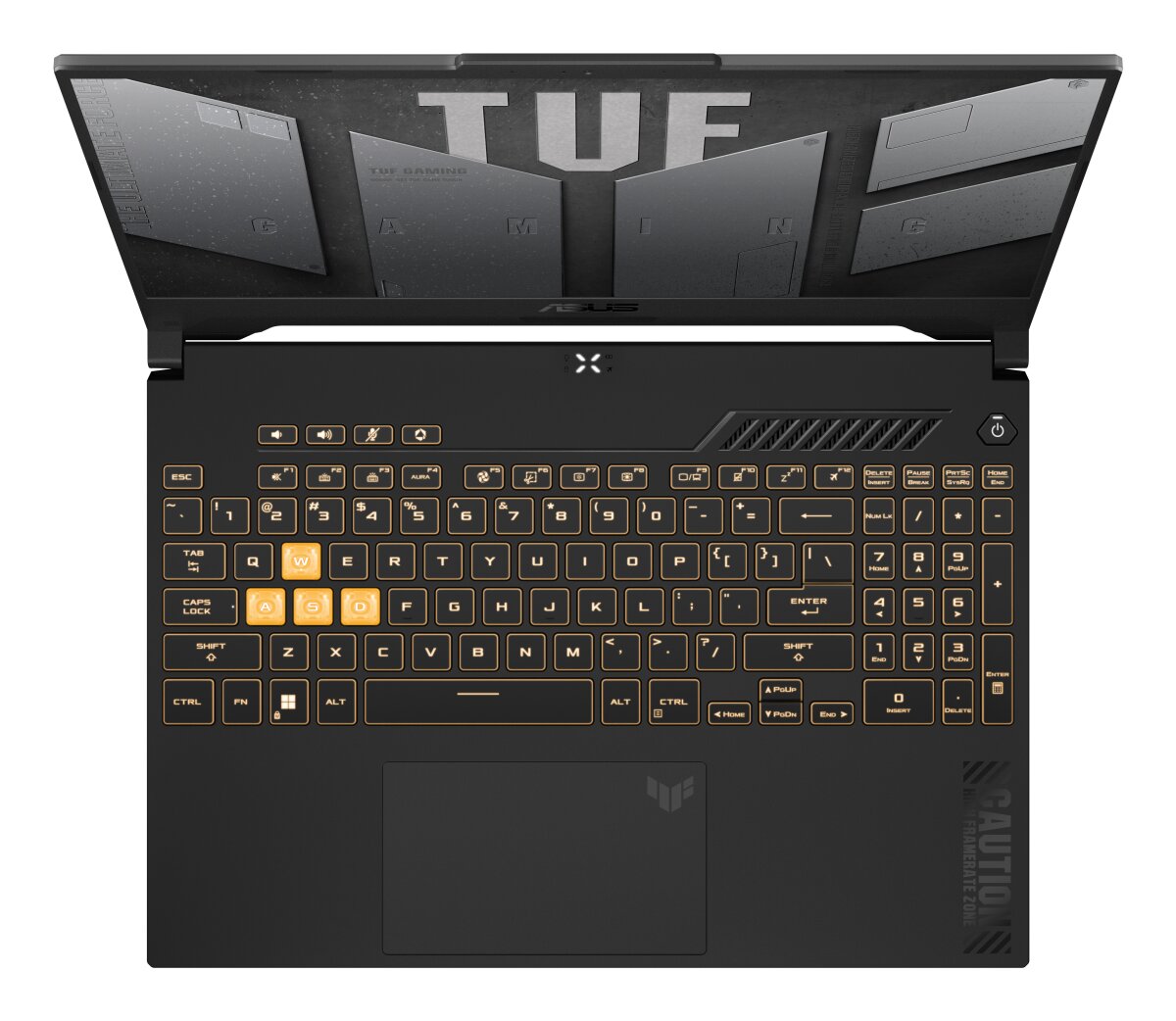
ASUS TUF Gaming F15 FX507ZC4-HN104W RAM upgrade specifications detail DDR4-SDRAM memory configuration. The laptop contains 2x SO-DIMM memory slots with maximum capacity of 32 GB total. Compatible RAM modules operate at 3200 MHz frequency. Upgrade specifications support DDR4 SO-DIMM form factor memory modules, enabling users to expand system memory up to the maximum 32 GB threshold. Memory slots accommodate standard laptop RAM upgrades for enhanced multitasking and performance capabilities.
Memory Upgrade Specifications
| Specification | Value |
|---|---|
| Memory slots | 2x SO-DIMM |
| Form factor | SO-DIMM |
| Memory type | DDR4-SDRAM |
| Frequency | 3200 MHz |
| Maximum RAM | 32 GB |
| Voltage | 1.2V |
| Number of pins | 260-pin |
| Interface | PC4 |
| PC Speed Rating | PC4-3200 (PC4-25600) |
| Bandwidth | 25.6 GB/s |
Additional Notes
- The ASUS TUF Gaming FX507ZC4-HN104W supports DDR4 memory exclusively, which lacks compatibility with DDR5 modules available in newer systems and prevents future migration to faster memory standards without motherboard replacement.
- SO-DIMM slots limit upgrade capacity relative to desktop SODIMM counterparts; achieving the 32 GB maximum requires 2x 16 GB modules, leaving no expansion slots for phased upgrades or redundancy.
- The 3200 MHz frequency ceiling creates a bandwidth constraint; sustained workloads in video editing or 3D rendering may experience latency bottlenecks if paired with high-bandwidth GPU operations, as DDR4-3200 delivers approximately 51.2 GB/s theoretical throughput.
- Third-party memory modules must match DDR4-3200 specifications exactly; installing faster rated modules defaults to 3200 MHz operation, negating performance gains and potentially voiding warranty if non-qualified components cause instability.
- Removing factory-installed memory to install aftermarket upgrades may trigger warranty disclaimers if not performed by authorized service technicians; documentation review is required before opening the chassis.
- The 2-slot architecture provides no headroom for dual-channel performance recovery if a single module fails; system operation on 1 active module halves memory bandwidth from 51.2 GB/s to 25.6 GB/s.