ASUS TUF Gaming FX507ZC4-HN105W RAM upgrade specifications



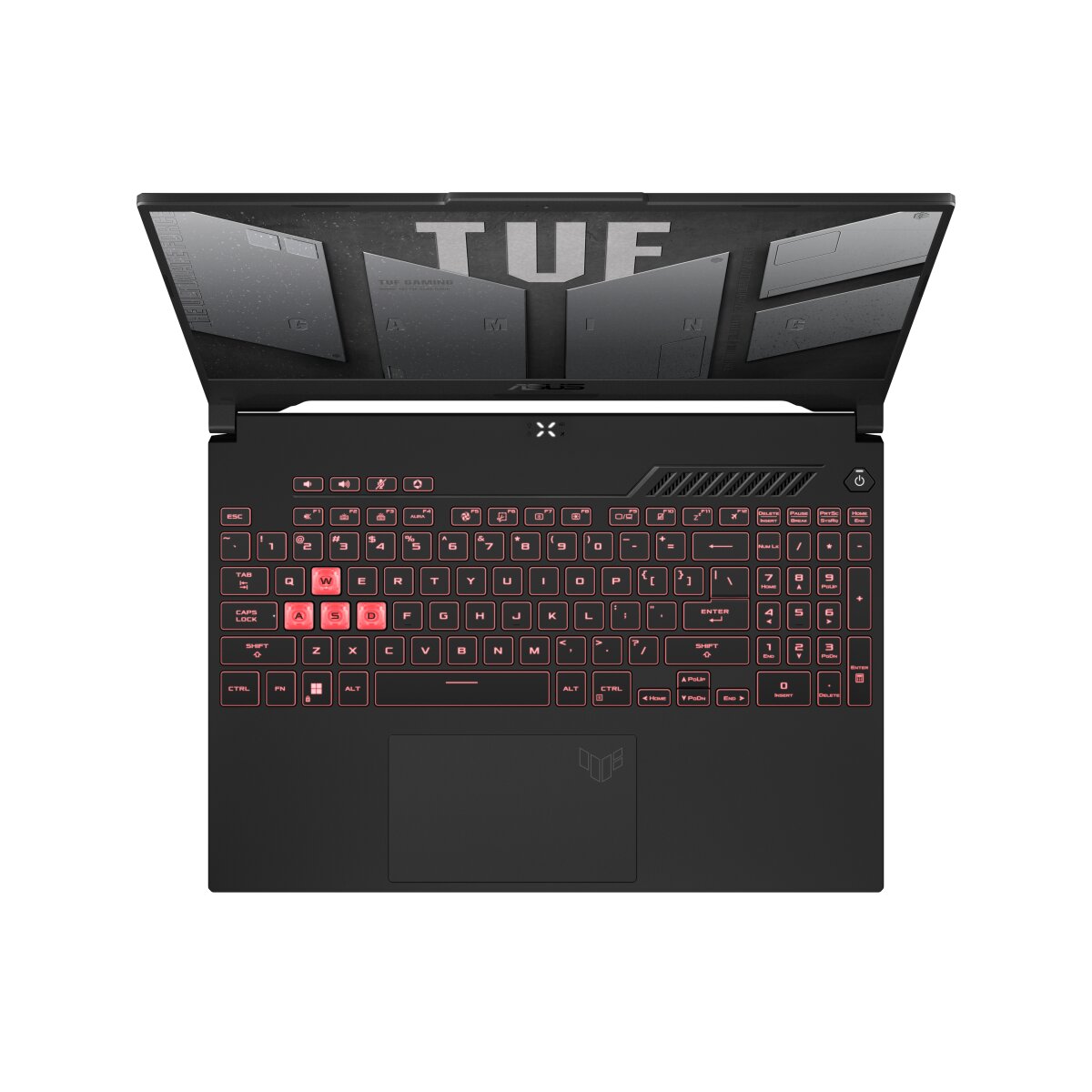

The ASUS TUF Gaming F15 series FX507ZC4-HN105W laptop features two SO-DIMM memory slots supporting DDR5-SDRAM upgrades. Maximum RAM capacity reaches 32 GB total, with compatible modules operating at 4800 MHz frequency. The upgrade specifications indicate SO-DIMM form factor memory modules are required for this gaming laptop model. Users seeking to expand system memory should reference compatible DDR5-SDRAM specifications within the 32 GB maximum capacity constraint.
Memory Upgrade Specifications
| Specification | Value |
|---|---|
| Memory slots | 2x SO-DIMM |
| Form factor | SO-DIMM |
| Memory type | DDR5-SDRAM |
| Frequency | 4800 MHz |
| Maximum RAM | 32 GB |
| Voltage | 1.1V |
| Number of pins | 262-pin |
| Interface | PC5 |
| PC Speed Rating | PC5-4800 (PC5-38400) |
| Bandwidth | 38.4 GB/s |
| Laptop Release date | 19 January 2023 |
Additional Notes
- The 32 GB ceiling exists because the chipset or CPU architecture limits addressable memory per channel, preventing recognition of higher-capacity modules even if physically installed.
- DDR5-4800 represents the JEDEC baseline speed for this generation, meaning the memory controller lacks XMP/EXPO profile support that would enable overclocking to 5200 MHz or beyond.
- Mixing modules with different die densities or rank configurations may force the controller to downclock all sticks to the lowest common specification, negating any speed advantage from premium modules.
- The dual-channel SO-DIMM configuration requires matched pairs for optimal bandwidth, as mismatched capacities will operate in asymmetric mode with reduced throughput on the smaller module's channel.
- DDR5's on-die ECC operates independently of user configuration but does not provide the same error correction as server-grade registered modules, limiting protection to single-bit transient errors.
- Voltage regulation shifted to the module itself with DDR5, meaning incompatible PMIC firmware on third-party RAM could cause POST failures despite correct speed and capacity specifications.
- The ASUS TUF Gaming FX507ZC4-HN105W lacks soldered memory, preserving both slots for user upgrades without requiring specialized tools to bypass factory-installed components.
- Thermal constraints in gaming laptops may throttle DDR5 modules under sustained loads, particularly when both slots are populated with high-density chips that generate additional heat in confined spaces.
- BIOS updates may alter memory training algorithms, potentially resolving instability with certain module brands or enabling better support for non-QVL components that initially failed compatibility tests.
- Single-rank versus dual-rank modules at identical frequencies produce measurable performance deltas in memory-sensitive workloads, though dual-rank configurations consume marginally more power at idle.