ASUS TUF Gaming FX507ZC4-HN119W RAM upgrade specifications
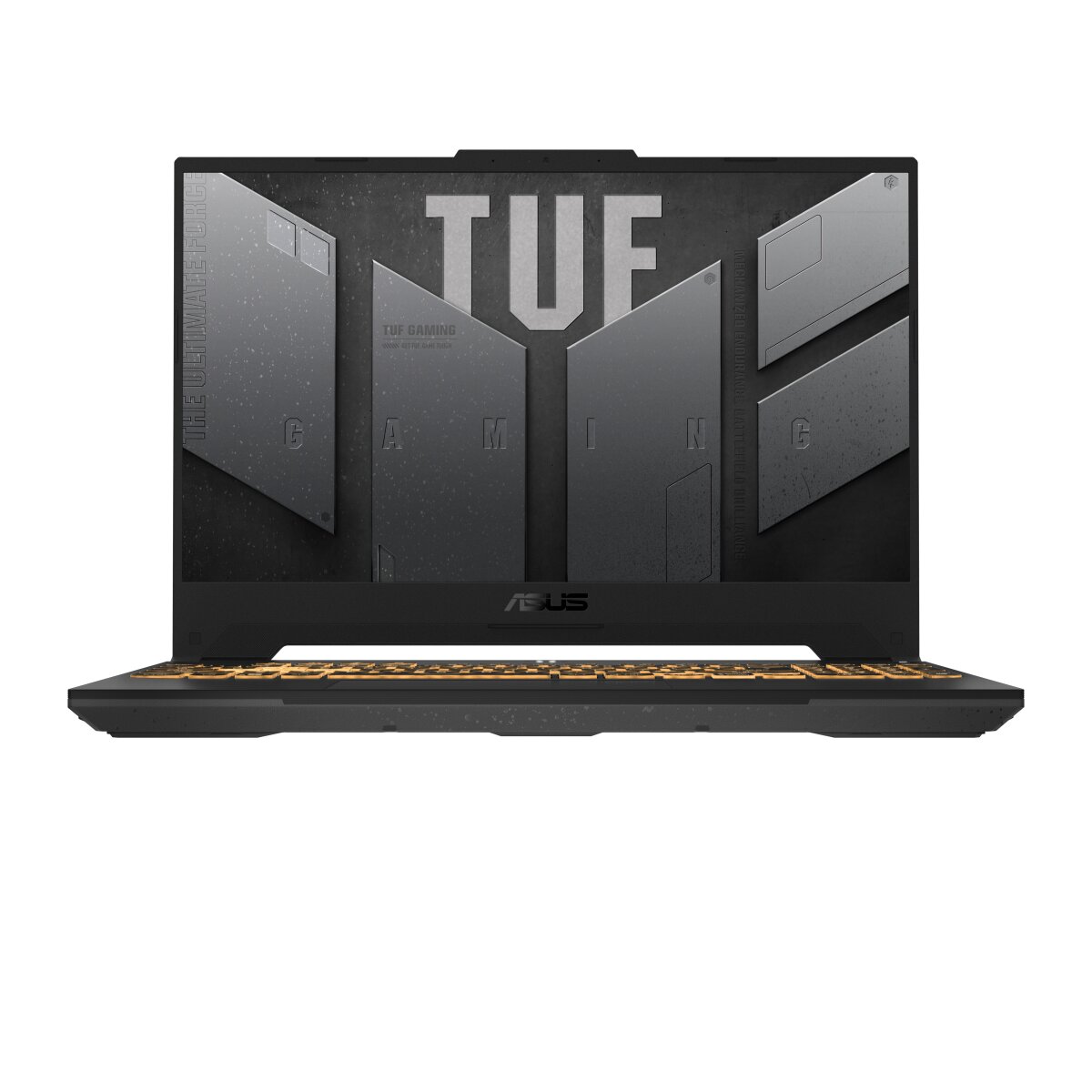
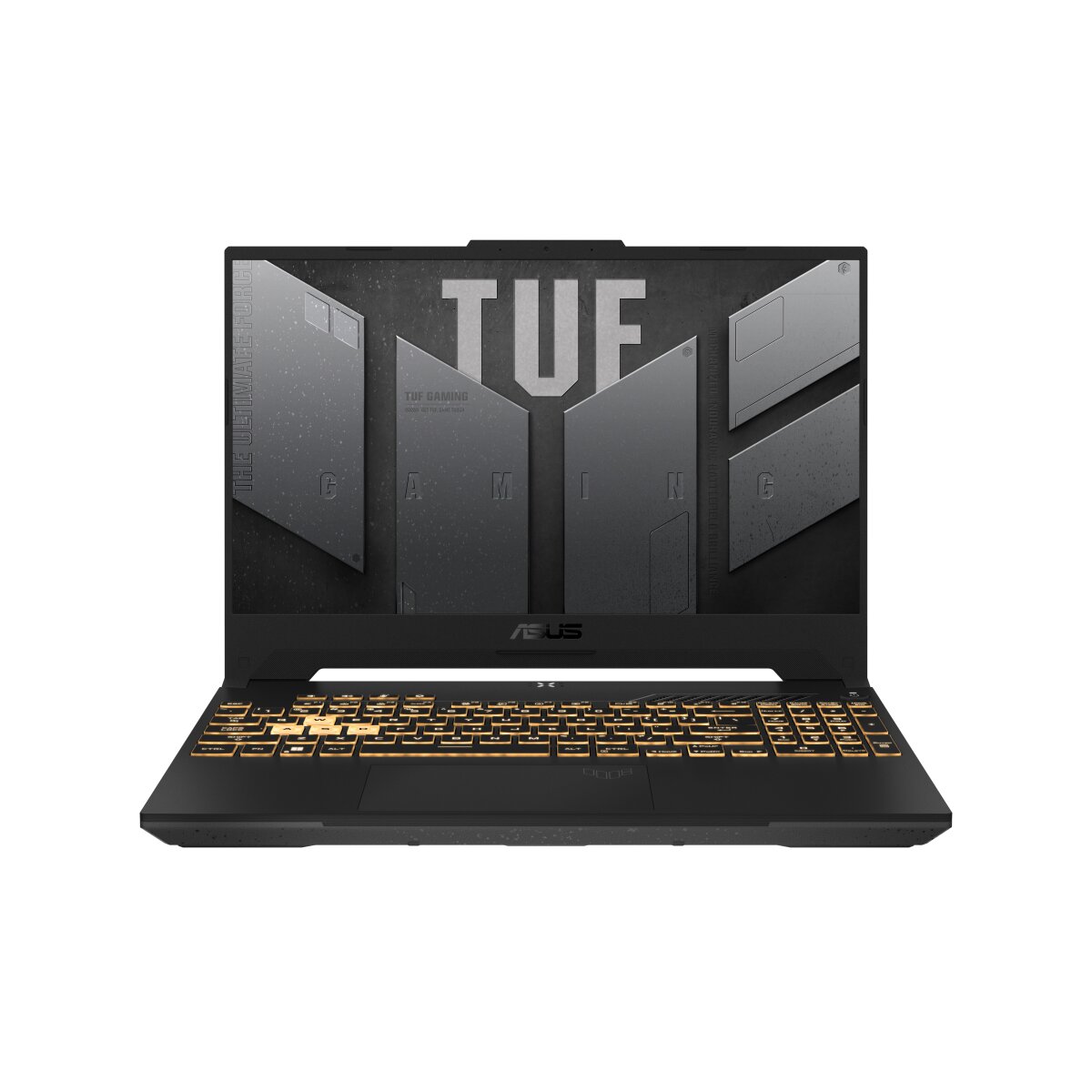
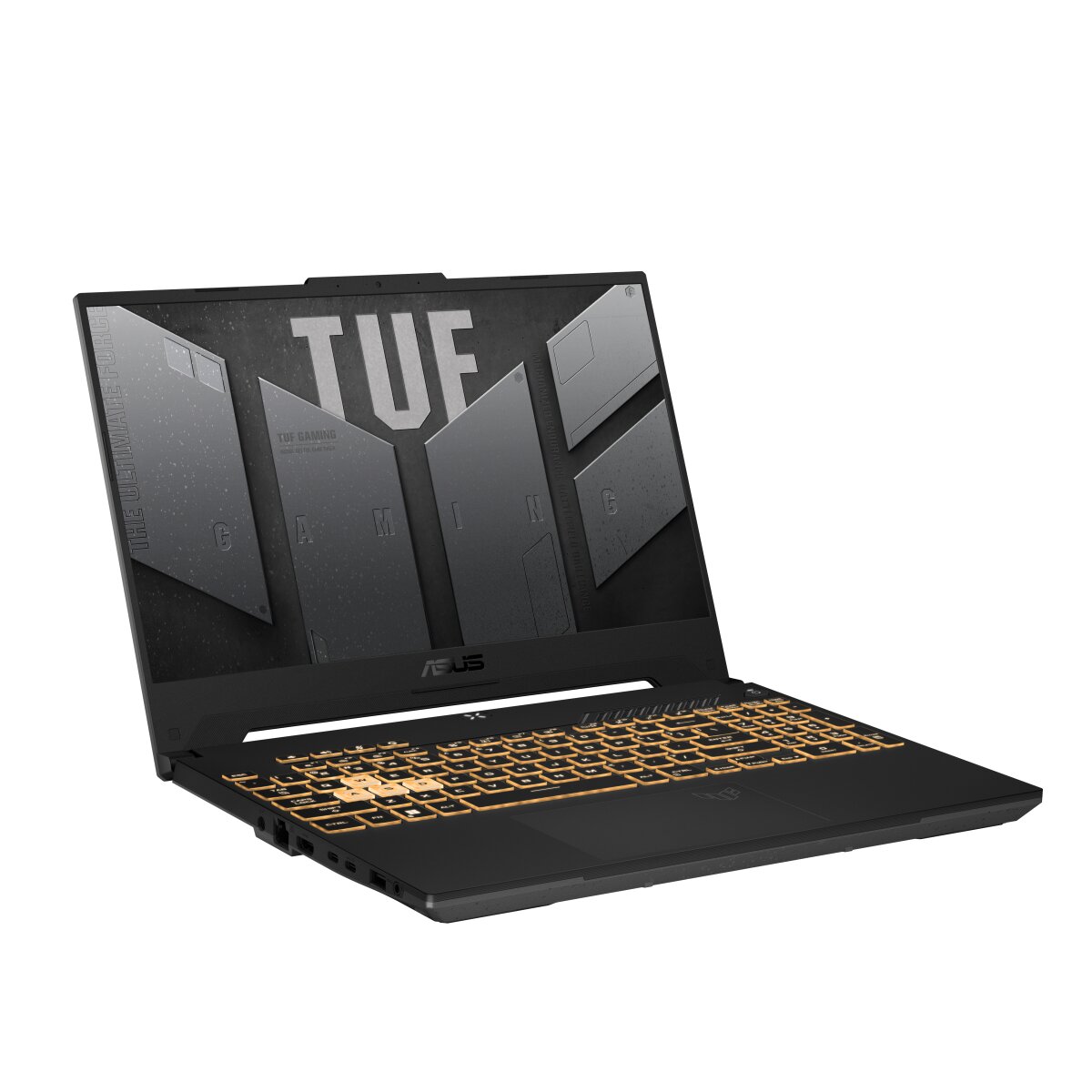
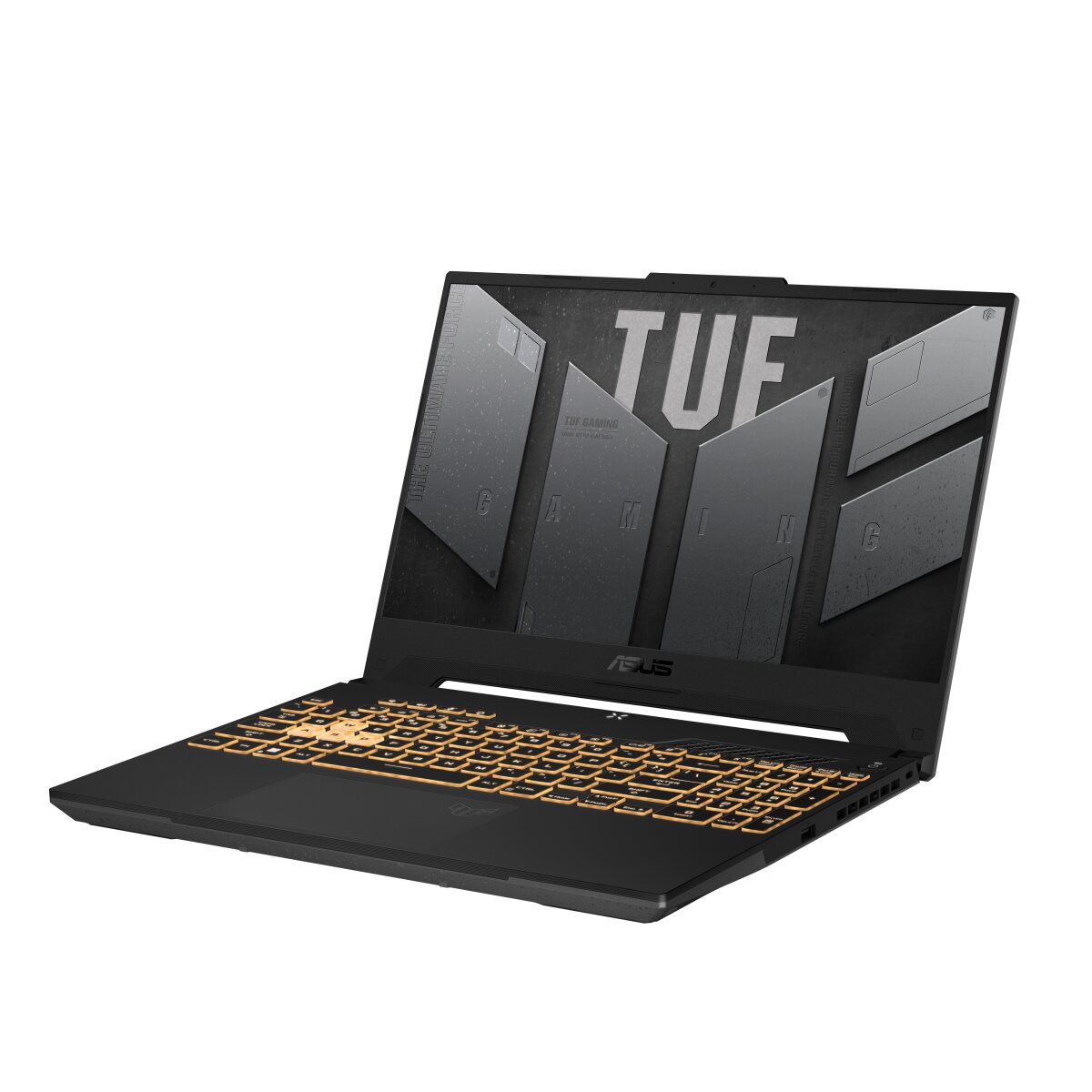
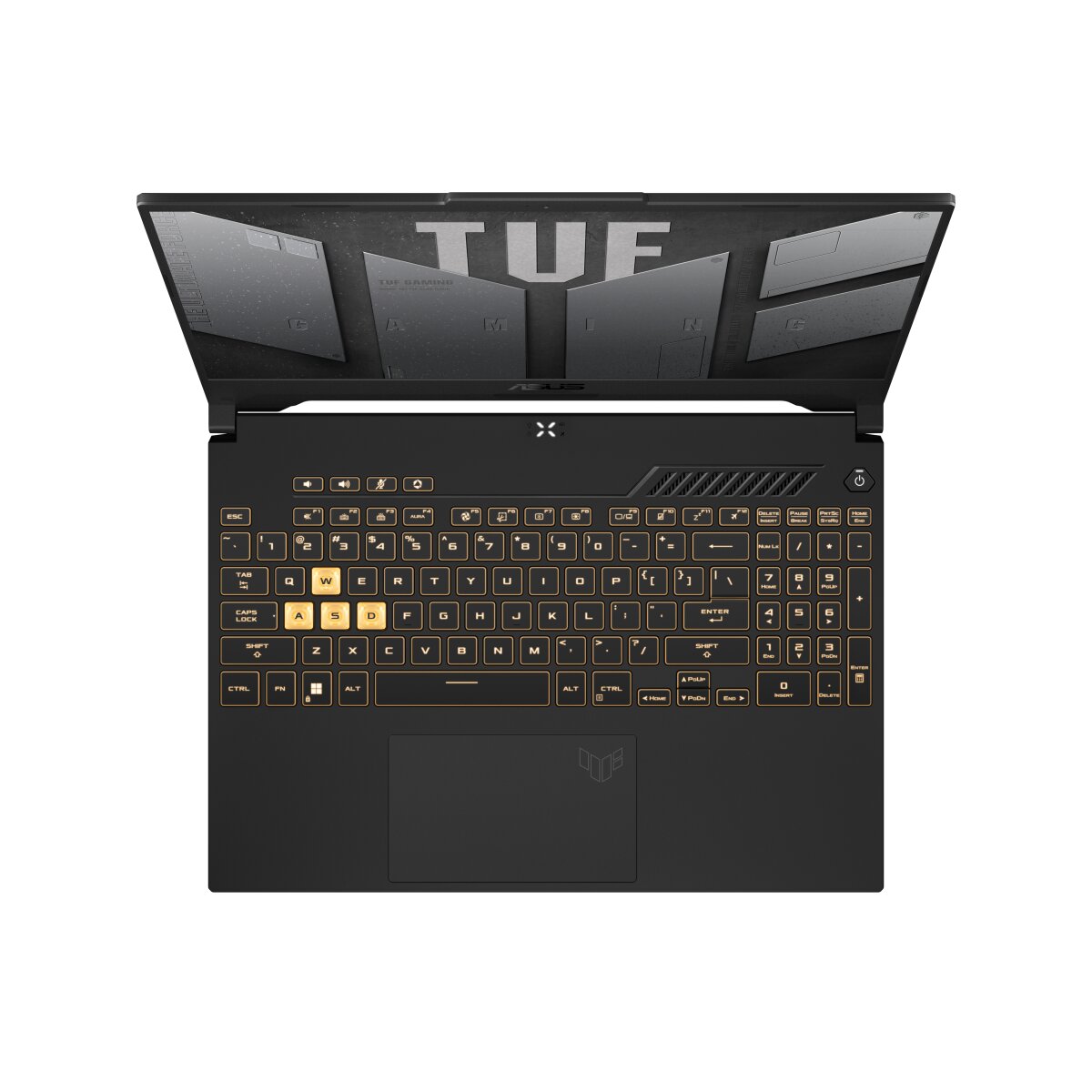
The ASUS TUF Gaming F15 FX507ZC4-HN119W features DDR4-SDRAM memory with 2x SO-DIMM slots for RAM upgrade capability. Maximum memory capacity reaches 32 GB total, with compatible modules operating at 3200 MHz frequency. The SO-DIMM form factor specifications enable straightforward memory expansion for enhanced multitasking and performance. Existing memory configurations support upgrade pathways to maximize laptop processing efficiency through additional RAM slots utilization.
Memory Upgrade Specifications
| Specification | Value |
|---|---|
| Memory slots | 2x SO-DIMM |
| Form factor | SO-DIMM |
| Memory type | DDR4-SDRAM |
| Frequency | 3200 MHz |
| Maximum RAM | 32 GB |
| Voltage | 1.2V |
| Number of pins | 260-pin |
| Interface | PC4 |
| PC Speed Rating | PC4-3200 (PC4-25600) |
| Bandwidth | 25.6 GB/s |
| Laptop Release date | 05 April 2023 |
Additional Notes
- The ASUS TUF Gaming FX507ZC4-HN119W supports DDR4-3200 memory, which operates at bandwidth limited by the 12th-generation Intel processor architecture rather than the DDR4 standard itself. This frequency ceiling means third-party modules rated for DDR4-3600 or higher will downclock to 3200 MHz, resulting in no performance gain from premium-tier memory purchases.
- With 2 SO-DIMM slots and a 32 GB maximum capacity, only single-rank 16 GB modules will reach the system ceiling. Dual-rank modules may function but could trigger marginal latency increases due to electrical load on the memory controller. Verification of module rank specifications before purchase prevents incompatibility surprises.
- SO-DIMM form factor installations require complete system power-down and battery disconnection before slot access. Unlike desktop DIMM installations, SO-DIMM swapping involves greater handling risk for static discharge and accidental damage to retention clip mechanisms, which are more fragile than full-size equivalents.
- Filling both slots to the 32 GB maximum may reduce memory frequency stability margins during sustained multi-threaded workloads, particularly in demanding gaming or rendering scenarios. Single-slot population at 16 GB often provides more stable performance headroom than dual-slot maxed configurations on this platform generation.
- Factory-original SO-DIMM modules cannot be reused as secondary storage or transferred to other systems without compatibility verification, as OEM-variant modules sometimes incorporate non-standard timings or vendor-specific firmware that limit interoperability with aftermarket systems.