ASUS TUF Gaming FX507ZM-ES74 RAM upgrade specifications
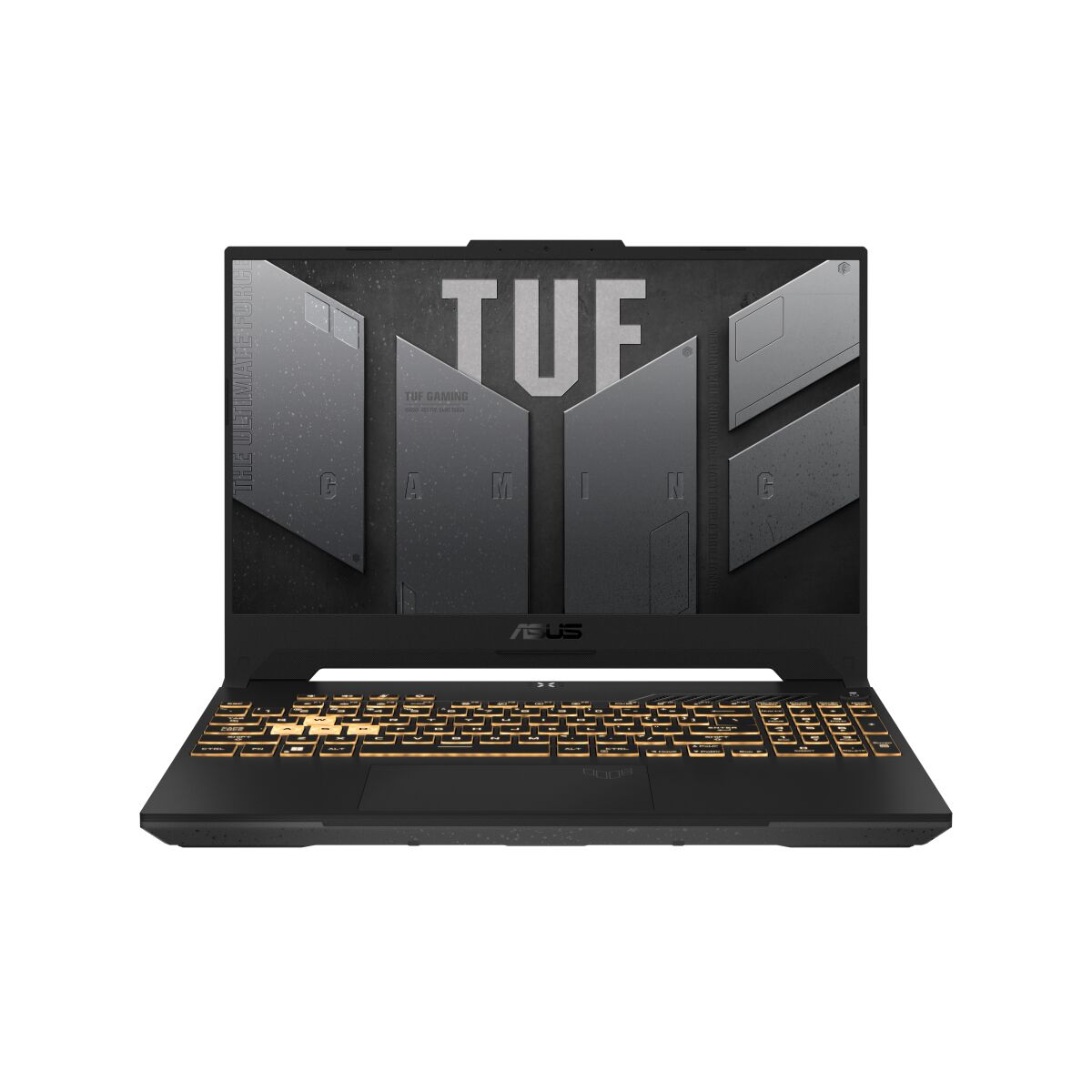
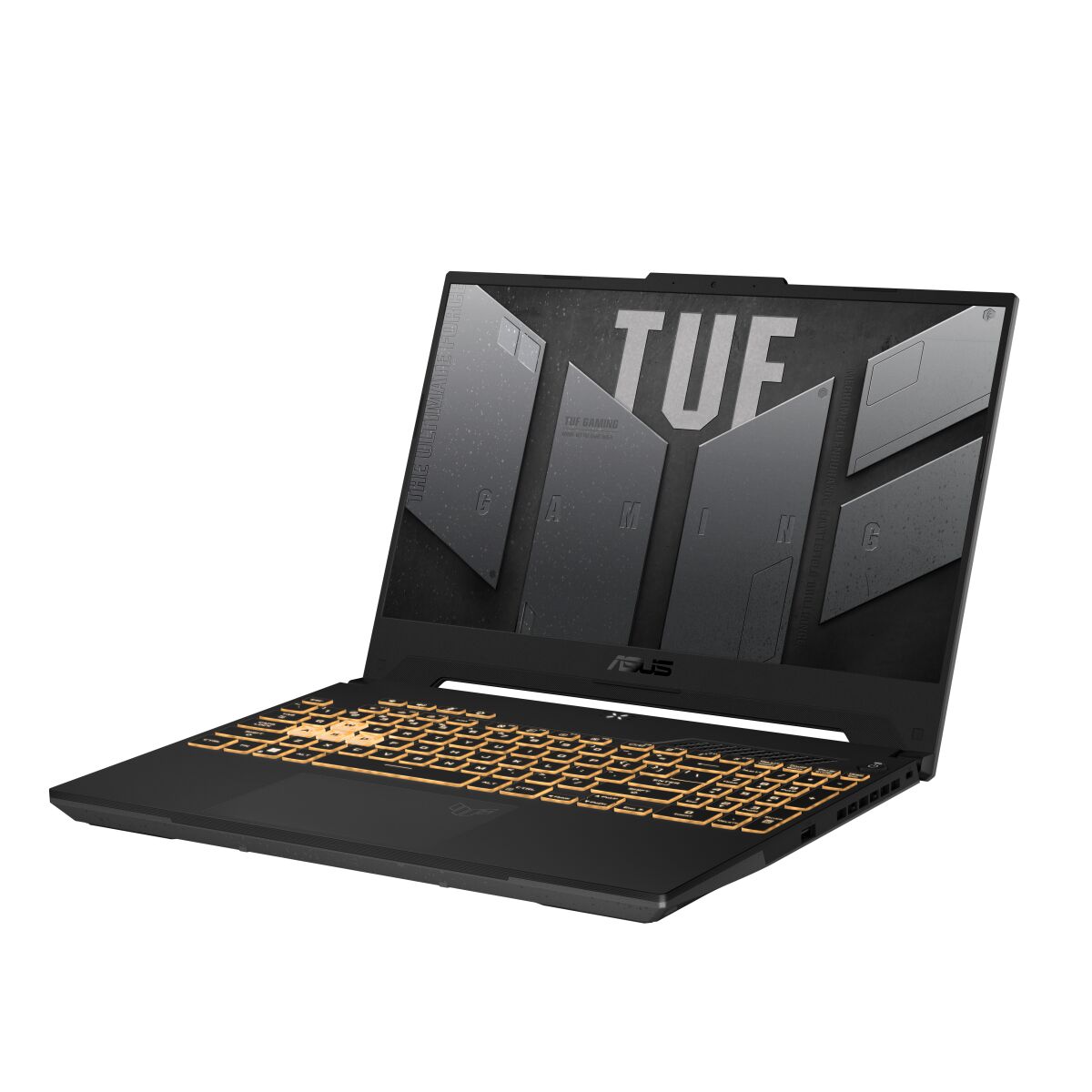
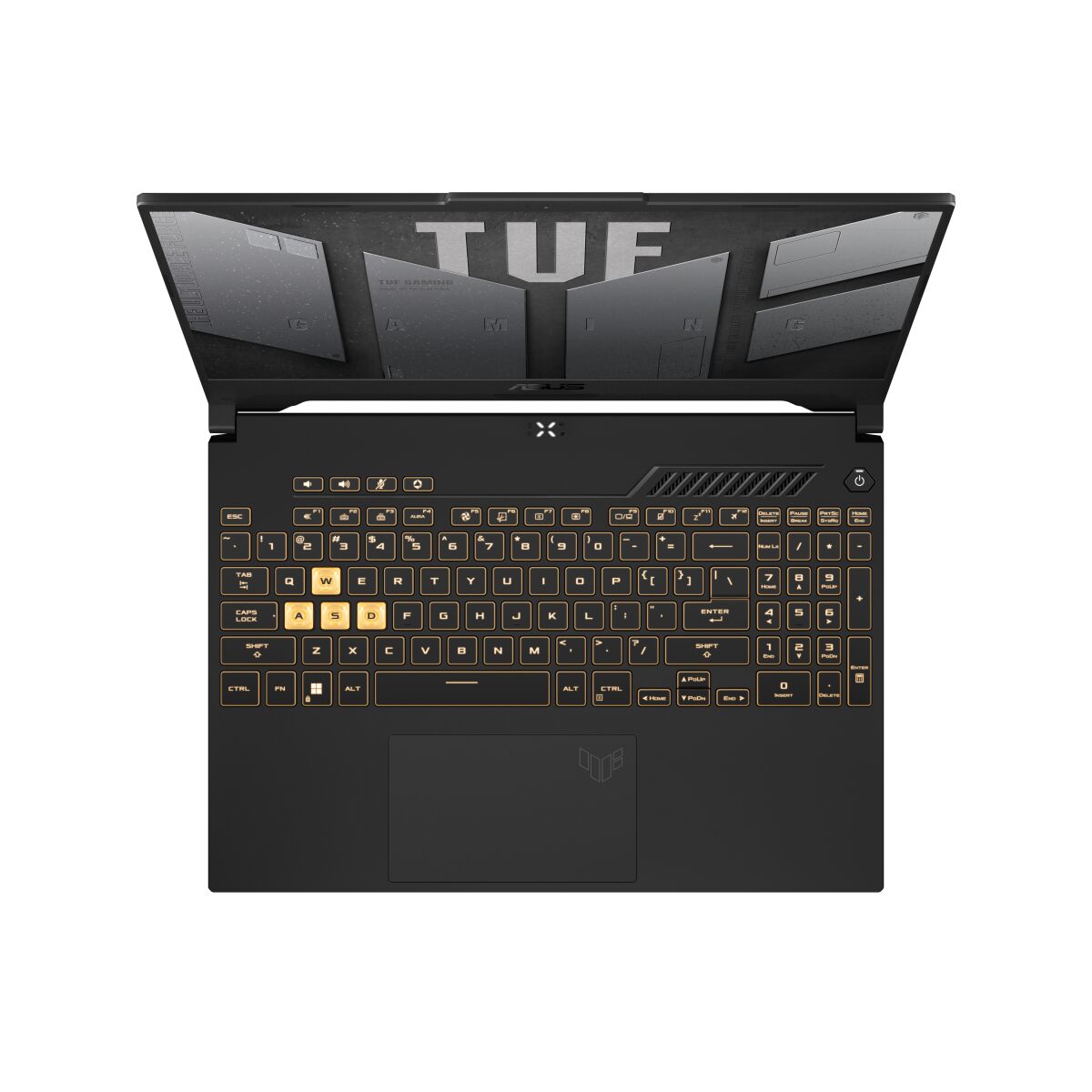
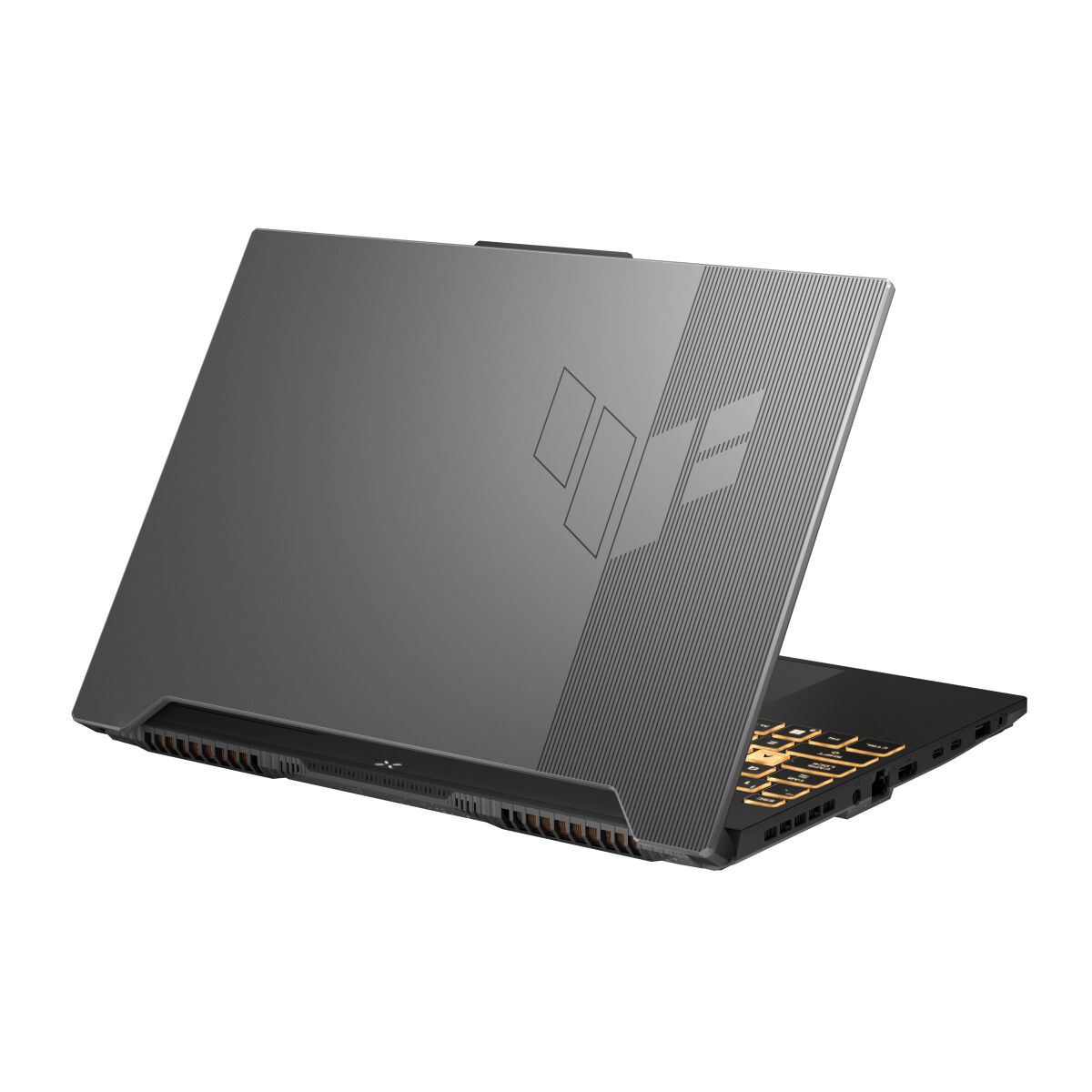
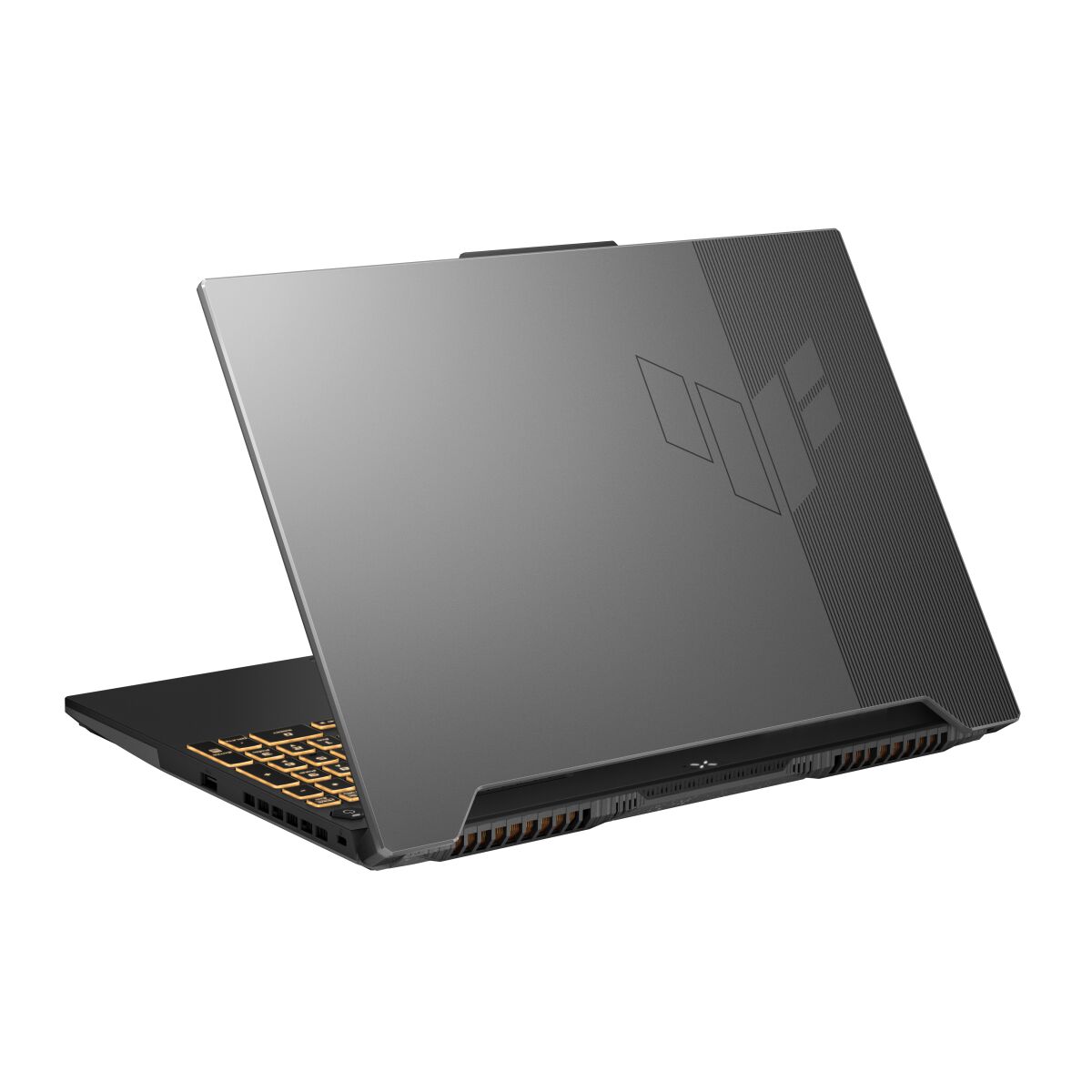
ASUS TUF Gaming F15 FX507ZM-ES74 laptop supports DDR5-SDRAM memory upgrades with two SO-DIMM slots. Maximum RAM capacity reaches 32 GB total, with compatible modules operating at 4800 MHz frequency. Specifications indicate SO-DIMM form factor memory slots for upgrade configurations. The FX507ZM-ES74 model accommodates DDR5 memory standard, allowing users to expand system memory to 32 GB maximum capacity through available upgrade slots.
Memory Upgrade Specifications
| Specification | Value |
|---|---|
| Memory slots | 2x SO-DIMM |
| Form factor | SO-DIMM |
| Memory type | DDR5-SDRAM |
| Frequency | 4800 MHz |
| Maximum RAM | 32 GB |
| Voltage | 1.1V |
| Number of pins | 262-pin |
| Interface | PC5 |
| PC Speed Rating | PC5-4800 (PC5-38400) |
| Bandwidth | 38.4 GB/s |
| Laptop Release date | 20 January 2022 |
Additional Notes
- The ASUS TUF Gaming FX507ZM-ES74 accepts DDR5 SO-DIMM modules exclusively, rendering DDR4 upgrades incompatible regardless of physical slot appearance.
- A 32 GB ceiling with 2 slots means each module must reach 16 GB capacity for maximum addressable memory, limiting upgrade flexibility to single-configuration solutions rather than mixed-capacity pairings.
- DDR5-4800 MHz native frequency support creates a performance floor; modules exceeding this speed will operate at factory specifications without overclocking benefit in this system configuration.
- SO-DIMM form factor dictates that standard desktop DDR5 UDIMMs cannot physically install, necessitating laptop-grade modules sourced through specialized channels.
- Dual-channel architecture requires matched pairs for optimal performance; installing a single module leaves the second channel inactive, resulting in approximately 50 percent bandwidth reduction for memory-intensive workloads.
- DDR5 stock frequencies on this platform operate at reduced voltage specifications compared to earlier DDR4 generations, meaning voltage adjustments beyond factory ratings may void thermal stability warranties without performance gains.
- Thermal constraints inherent to laptop enclosures limit passive heat dissipation for high-frequency DDR5 modules; performance-oriented RAM with integrated heat spreaders may create clearance conflicts with system cooling infrastructure.