ASUS TUF Gaming FX507ZI4-LP035W-BE RAM upgrade specifications
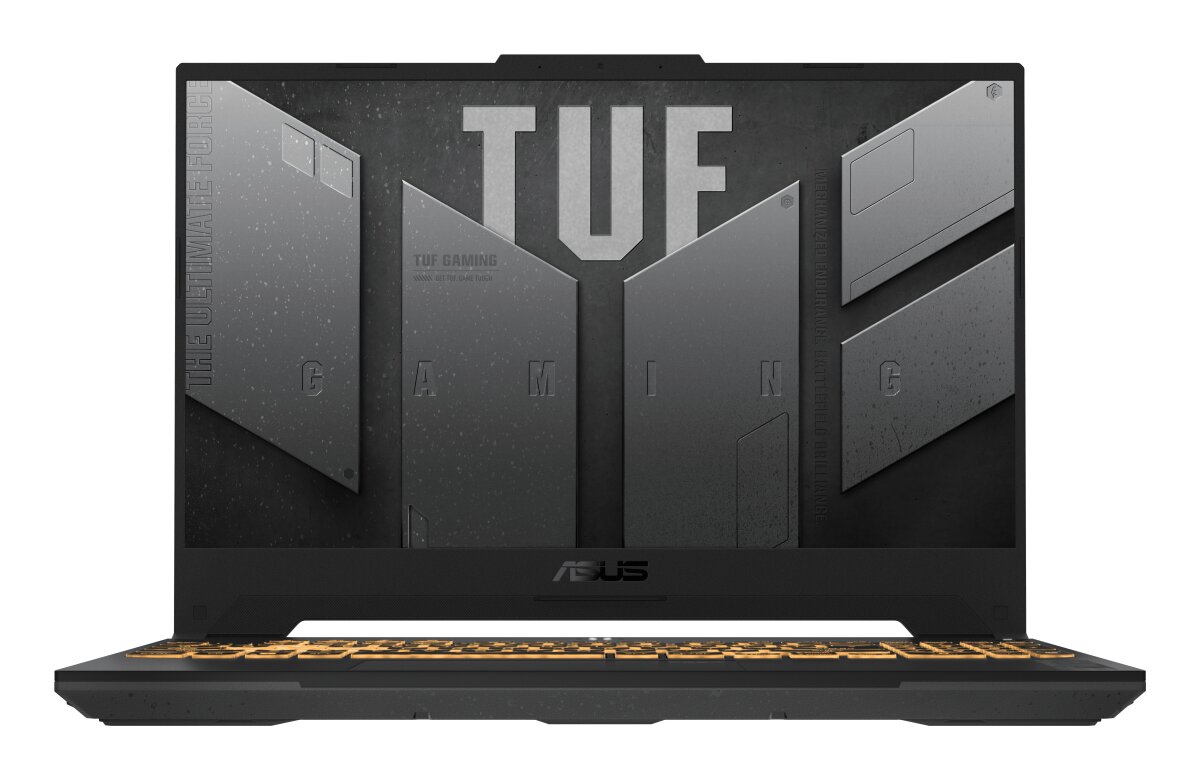
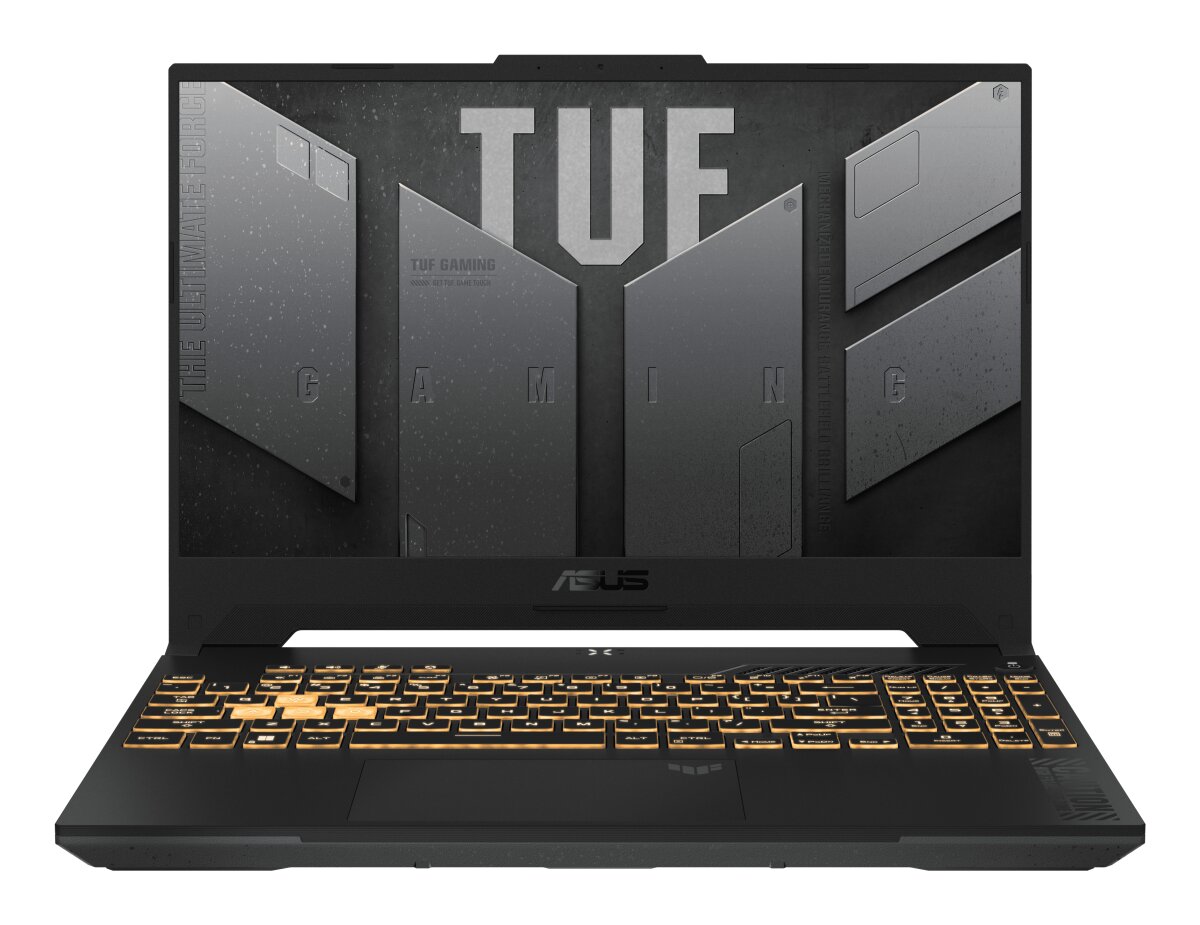
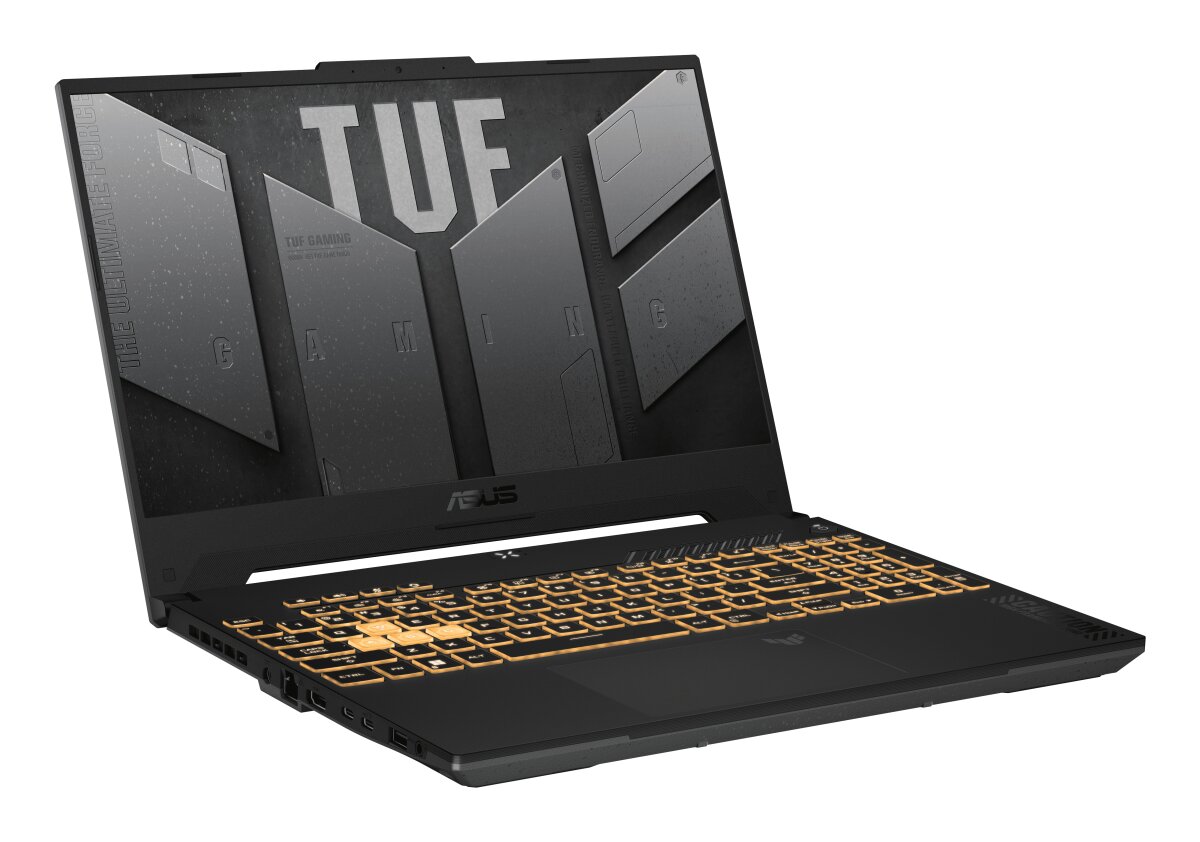
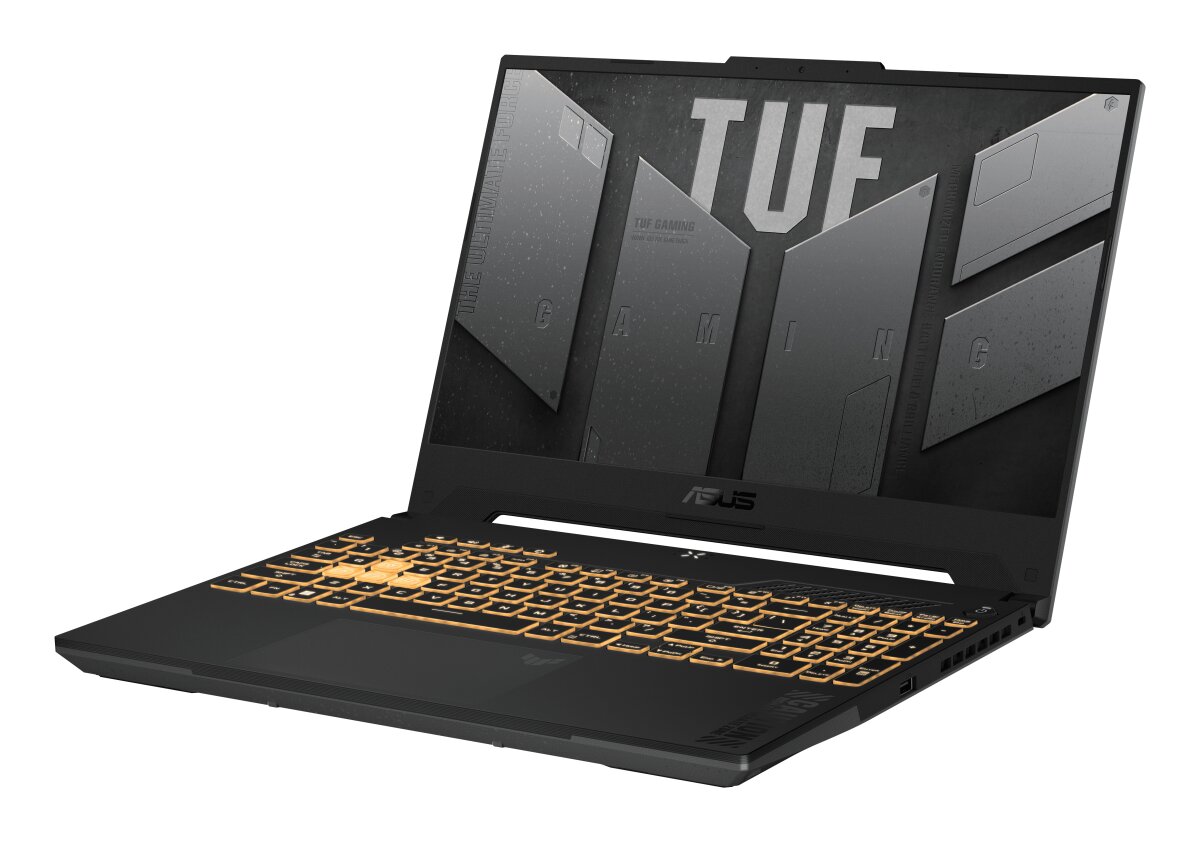
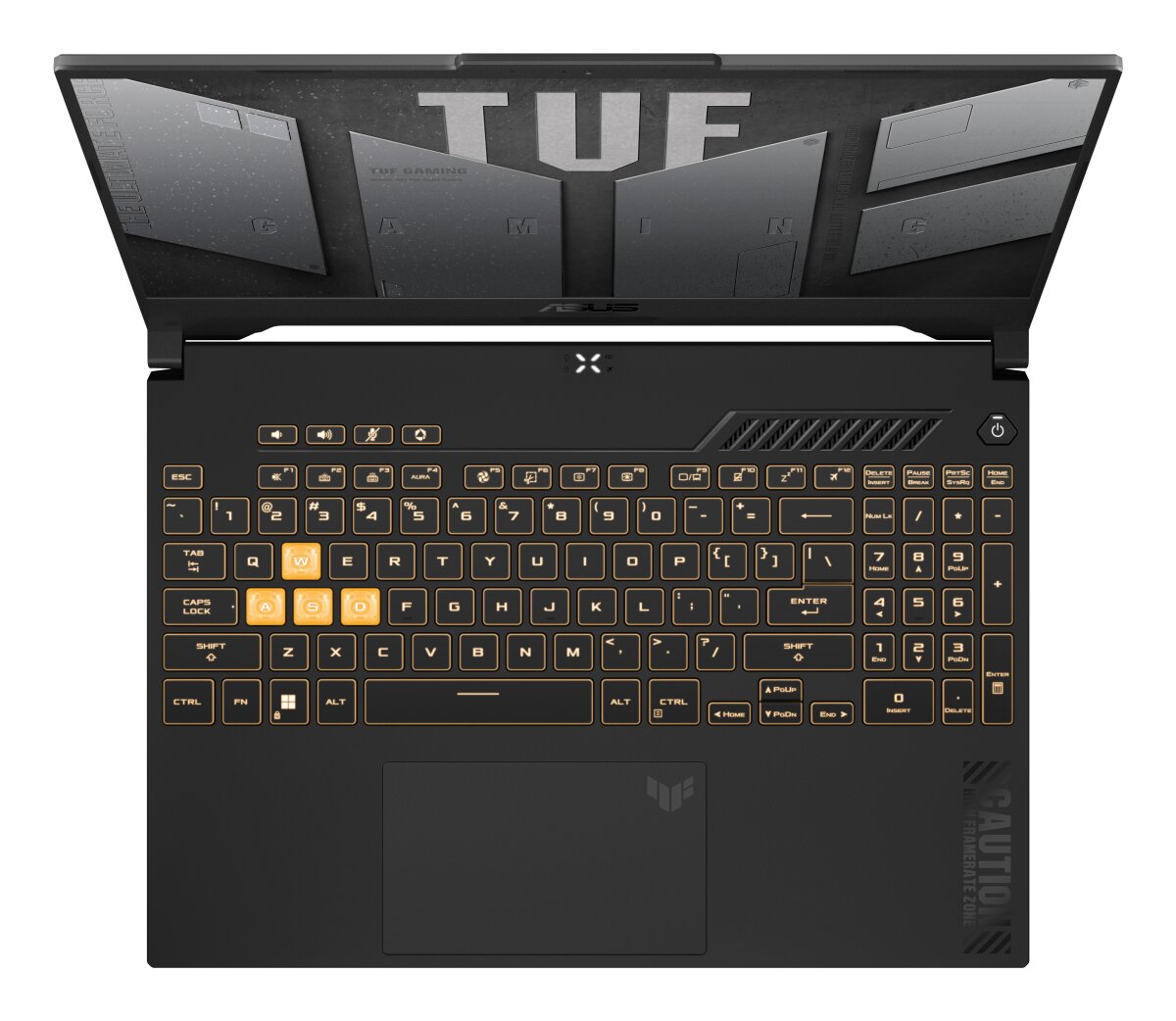
ASUS TUF Gaming F15 FX507ZI4-LP035W-BE laptop supports DDR4-SDRAM memory upgrades. The device contains 2x SO-DIMM slots for RAM expansion, accommodating a maximum capacity of 32 GB total memory. Compatible upgrades utilize DDR4 modules operating at 3200 MHz frequency. SO-DIMM form factor specifications define the physical dimensions of compatible RAM modules. Users seeking memory upgrades should reference these specifications to ensure compatibility with the FX507ZI4-LP035W-BE model.
Memory Upgrade Specifications
| Specification | Value |
|---|---|
| Memory slots | 2x SO-DIMM |
| Form factor | SO-DIMM |
| Memory type | DDR4-SDRAM |
| Frequency | 3200 MHz |
| Maximum RAM | 32 GB |
| Voltage | 1.2V |
| Number of pins | 260-pin |
| Interface | PC4 |
| PC Speed Rating | PC4-3200 (PC4-25600) |
| Bandwidth | 25.6 GB/s |
Additional Notes
- The ASUS TUF Gaming FX507ZI4-LP035W-BE supports a maximum of 32 GB total capacity, which translates to a 16 GB limitation per SO-DIMM slot due to the 2-slot configuration and DDR4 memory controller constraints.
- DDR4-3200 represents the officially validated speed ceiling; higher frequency modules may function but could downclock to 3200 MHz or fail POST depending on BIOS memory training capabilities.
- SO-DIMM form factor requirements exclude standard DIMM modules, limiting upgrade options to laptop-specific memory products with the 260-pin connector layout.
- Both memory slots must maintain identical speed specifications to avoid asynchronous operation, which forces the memory controller to run all modules at the lowest installed frequency.
- Single-rank versus dual-rank module architecture affects memory interleaving efficiency, with dual-channel population of matched modules providing optimal bandwidth utilization.
- Non-ECC unbuffered modules are implicitly required for consumer laptop platforms, as ECC or registered memory types introduce incompatibility with the mobile chipset's memory controller.
- CAS latency variations within DDR4-3200 specification (typically CL22 or CL19) impact real-world access times, though JEDEC-compliant modules ensure functional compatibility regardless of timing differences.
- Voltage requirements must stay within the DDR4 standard 1.2V specification, as low-voltage or overclocking-oriented modules rated for higher voltages may cause thermal or stability issues in the laptop's power delivery system.
- Physical slot access requires bottom panel removal, with potential warranty implications depending on regional consumer protection laws and manufacturer-specific seal placement around memory compartments.
- Maximum capacity utilization at 32 GB requires both slots occupied with 16 GB modules, eliminating future expandability beyond this configuration without replacing existing memory.