ASUS TUF Gaming FX507ZM-HF018W RAM upgrade specifications


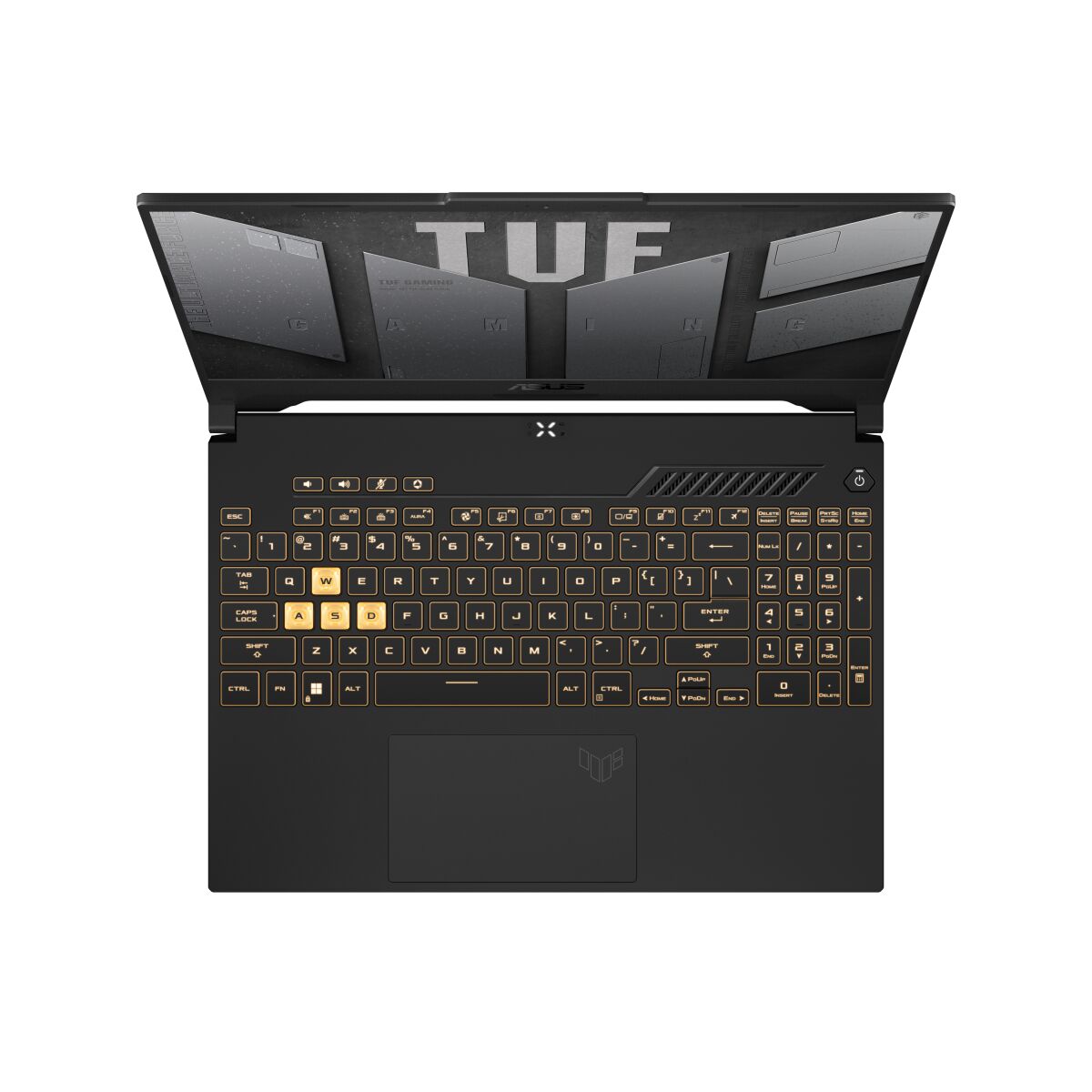
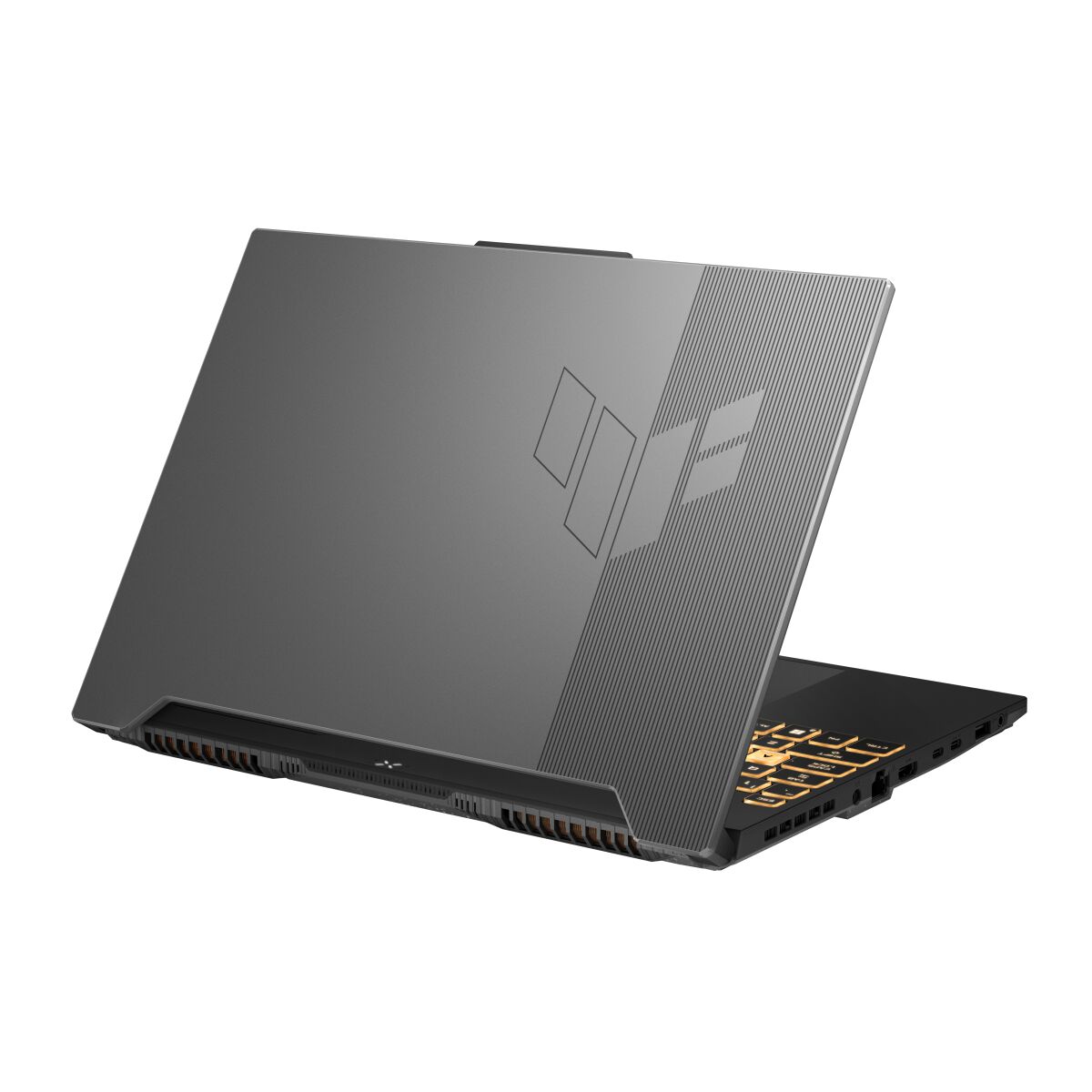
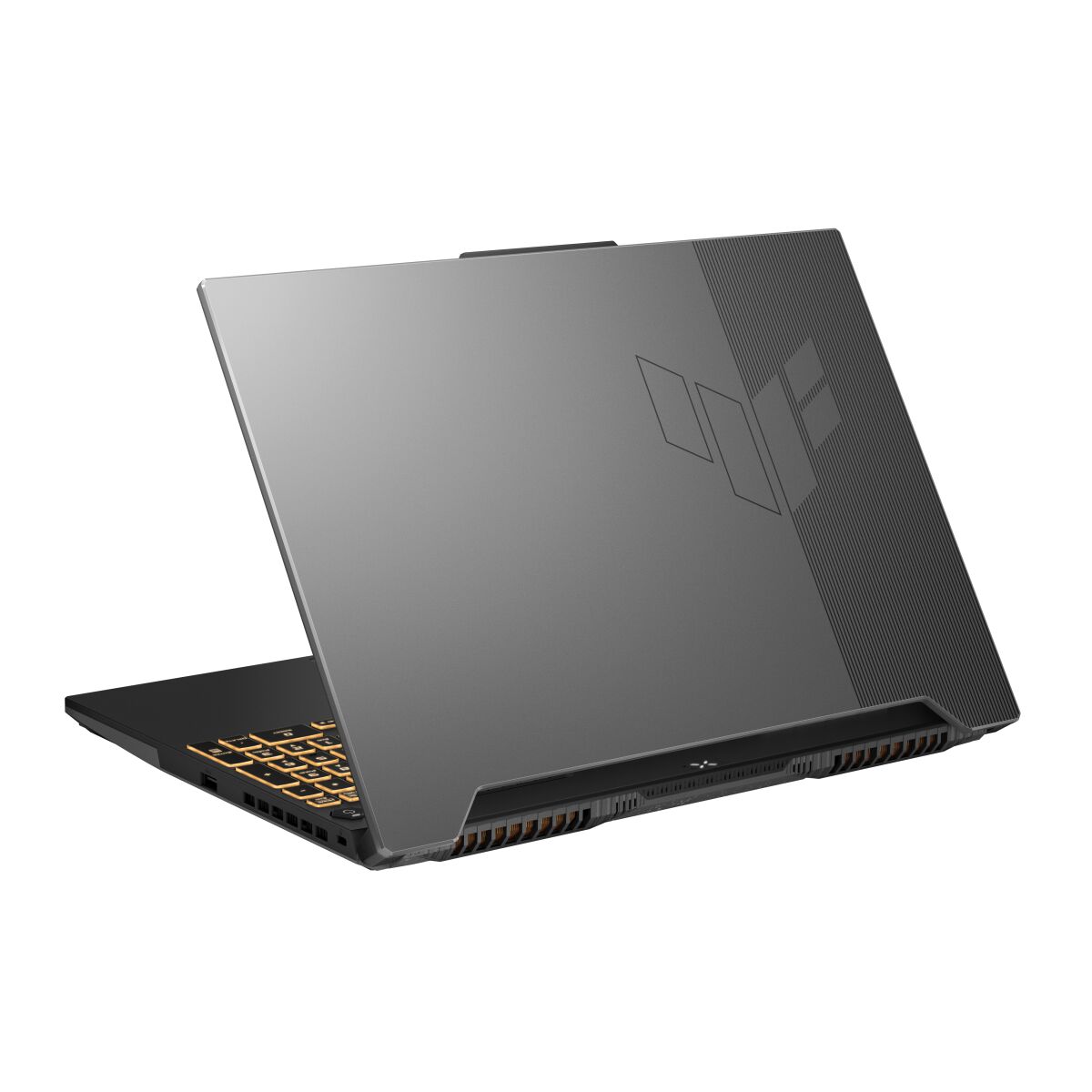
ASUS TUF Gaming F15 FX507ZM-HF018W laptop memory upgrade specifications feature DDR5-SDRAM technology compatible with two SO-DIMM slots. Maximum RAM capacity reaches 32 GB total memory. Compatible upgrade modules operate at 4800 MHz frequency. Existing memory configurations support DDR5 standard specifications for enhanced performance. Slots accommodate SO-DIMM form factor modules only. System specifications allow dual-channel memory architecture through provided SO-DIMM slots.
Memory Upgrade Specifications
| Specification | Value |
|---|---|
| Memory slots | 2x SO-DIMM |
| Form factor | SO-DIMM |
| Memory type | DDR5-SDRAM |
| Frequency | 4800 MHz |
| Maximum RAM | 32 GB |
| Voltage | 1.1V |
| Number of pins | 262-pin |
| Interface | PC5 |
| PC Speed Rating | PC5-4800 (PC5-38400) |
| Bandwidth | 38.4 GB/s |
| Laptop Release date | 10 January 2022 |
Additional Notes
- The presence of 2 SO-DIMM slots allows for dual-channel memory configurations which doubles the theoretical bandwidth available to the processor compared to single-channel setups.
- The DDR5 architecture in the ASUS TUF Gaming FX507ZM-HF018W features On-Die Error Correction Code to improve system stability during high-load computing tasks.
- The 32 GB maximum capacity implies a hardware or BIOS limitation that prevents the utilization of newer 24 GB or 48 GB high-density modules.
- Upgrading memory requires the removal of the bottom chassis cover which may involve prying plastic clips and management of captive screws to maintain structural integrity.
- Running asynchronous capacities between the two slots will result in a partial dual-channel mode where only the matched portion operates at full efficiency.
- Power consumption efficiency is increased over previous standards due to the integrated power management integrated circuit located directly on the memory module rather than the motherboard.
- Latency performance is influenced by the 4800 MHz base clock which standardizes the communication speed between the memory controller and the installed hardware.