ASUS TUF Gaming FX507ZM-HN001 RAM upgrade specifications
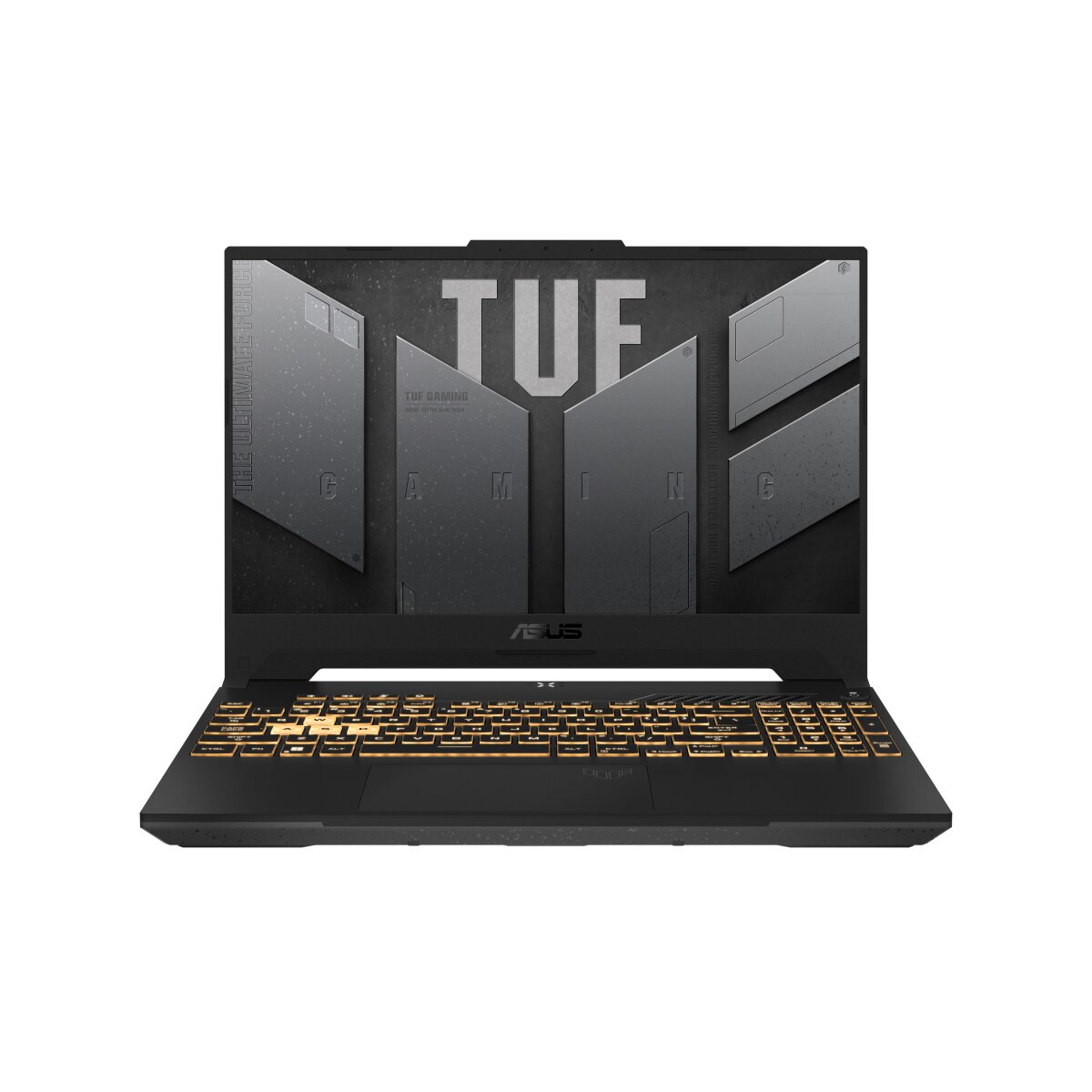
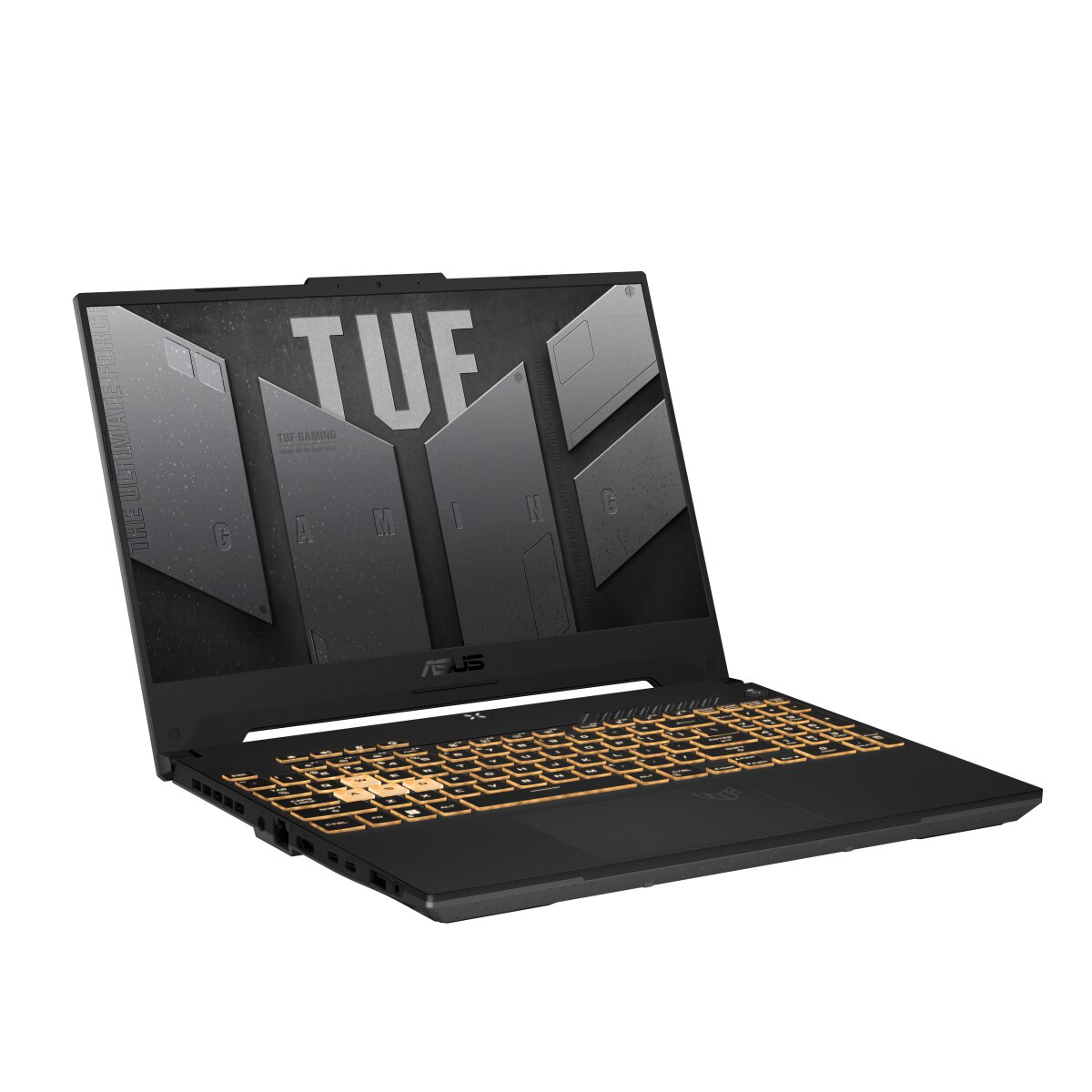
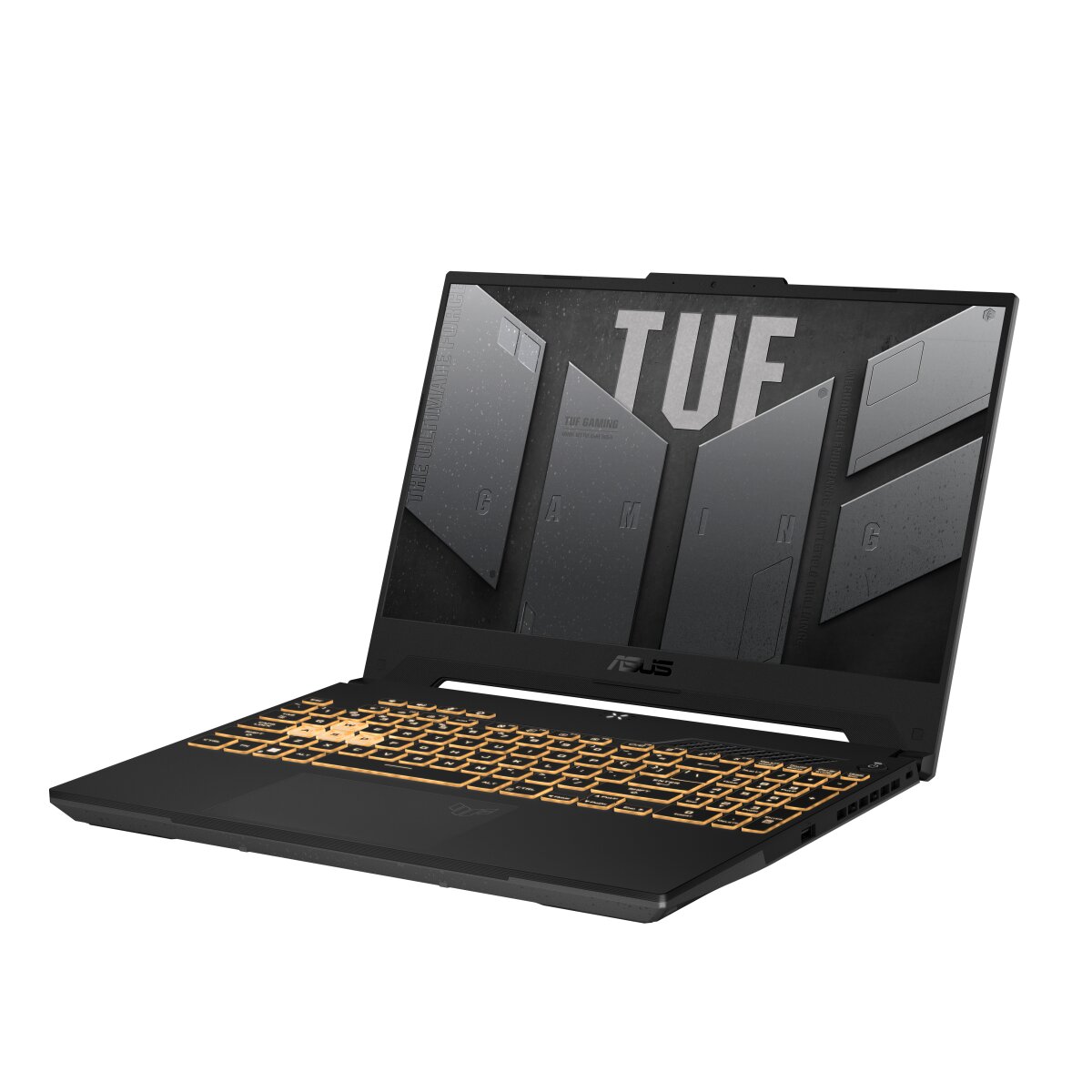
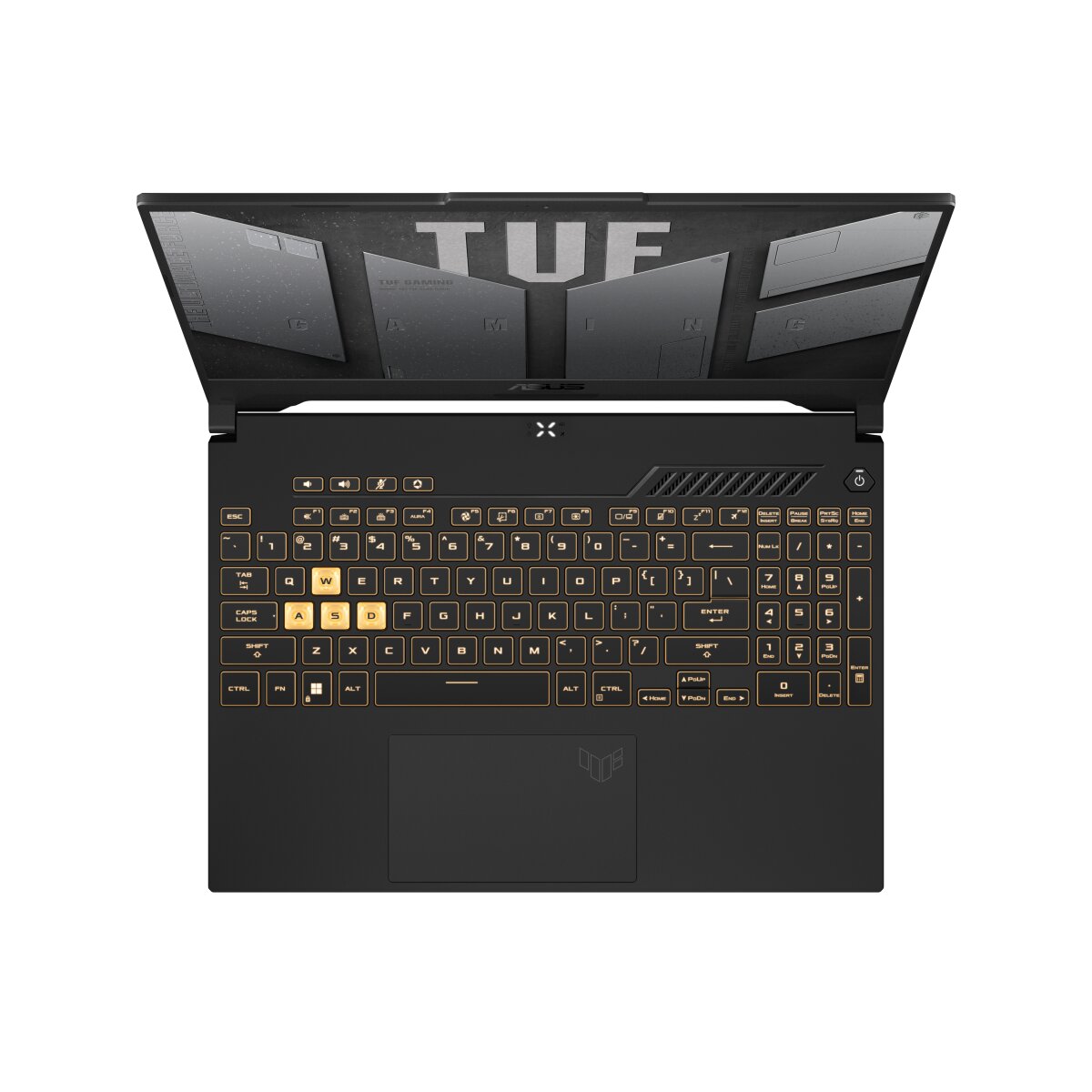
ASUS TUF Gaming F15 FX507ZM-HN001 laptop RAM upgrade specifications include DDR5-SDRAM memory with maximum capacity of 32 GB across two SO-DIMM slots. Compatible memory modules operate at 4800 MHz frequency. The FX507ZM-HN001 supports DDR5 memory upgrades in SO-DIMM form factor, allowing users to install compatible memory modules up to 16 GB per slot for maximum 32 GB total system memory. Specifications provide information on upgrade compatibility and memory configuration options for the ASUS FX507ZM-HN001 model.
Memory Upgrade Specifications
| Specification | Value |
|---|---|
| Memory slots | 2x SO-DIMM |
| Form factor | SO-DIMM |
| Memory type | DDR5-SDRAM |
| Frequency | 4800 MHz |
| Maximum RAM | 32 GB |
| Voltage | 1.1V |
| Number of pins | 262-pin |
| Interface | PC5 |
| PC Speed Rating | PC5-4800 (PC5-38400) |
| Bandwidth | 38.4 GB/s |
| Laptop Release date | 01 February 2022 |
Additional Notes
- The ASUS TUF Gaming FX507ZM-HN001 uses DDR5 SO-DIMM architecture, which means replacement modules must match the SO-DIMM physical form factor and DDR5 protocol; DDR4 memory is physically incompatible and will not install.
- With 2 slots populated and a 32 GB ceiling, maximum practical expansion requires 16 GB modules per slot; mixing capacities (such as 8 GB with 16 GB) reduces total addressable memory to the dual-channel effective capacity and wastes potential bandwidth.
- The 4800 MHz frequency specification defines the validated operational speed; modules rated below this speed may downclock automatically, while modules exceeding this speed will be throttled to specification, negating any performance premium from higher-rated components.
- SO-DIMM slot depth and retention clip geometry create a tight physical envelope; aftermarket heatspreaders wider than OEM module specifications risk contact with surrounding chipset components or M.2 drive slots during installation, requiring clearance verification before purchase.
- DDR5 SO-DIMM modules contain integrated voltage regulation (PMIC), so non-certified third-party brands may trigger system stability issues or BIOS compatibility warnings even when rated for the correct frequency and capacity.
- Upgrading from factory configuration to maximum capacity requires both slots to be populated; removing existing modules to install higher-capacity replacements incurs full memory loss during the transition period and may void partial warranty coverage if original modules are not retained as documented spares.