ASUS TUF Gaming FX507ZM-HQ113W RAM upgrade specifications


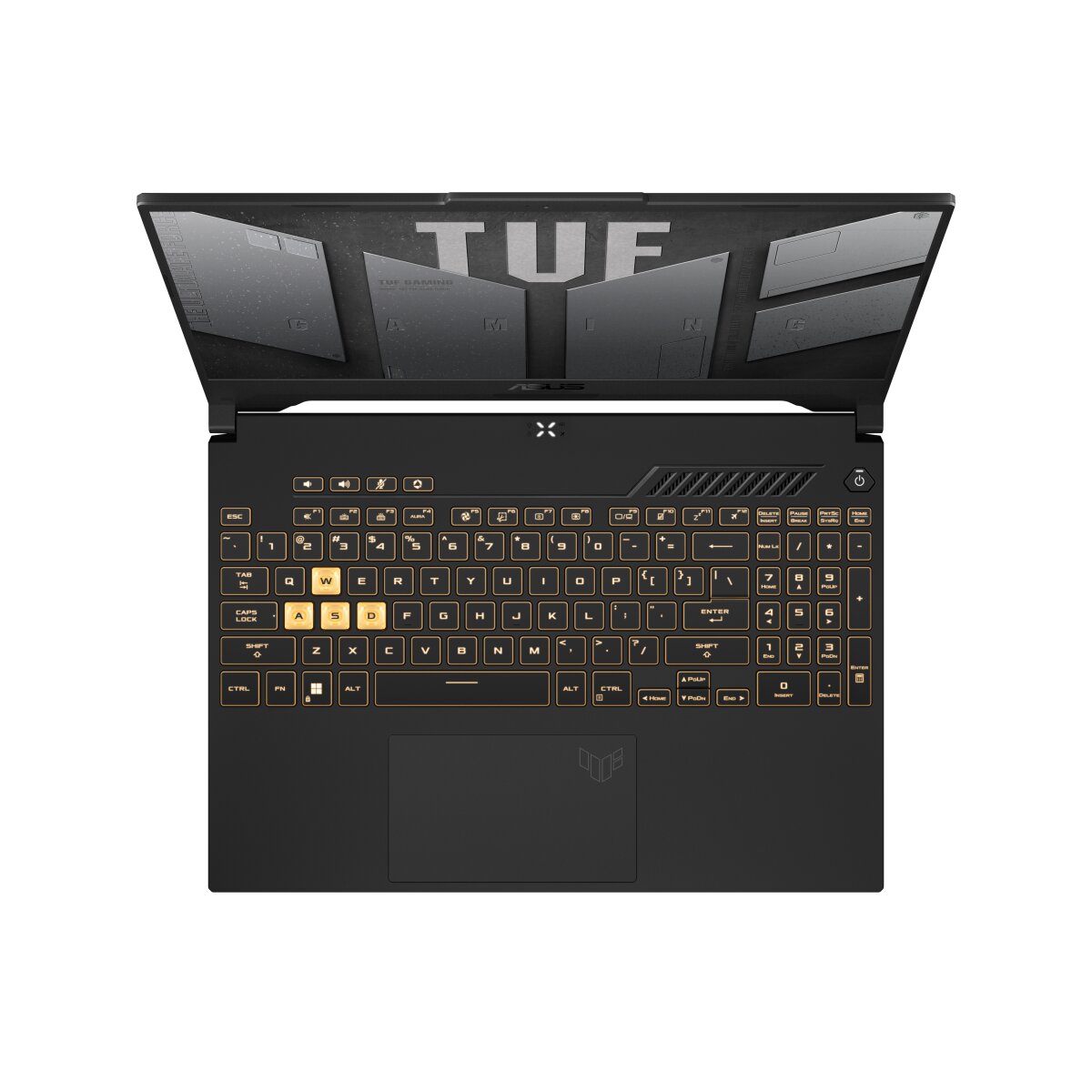

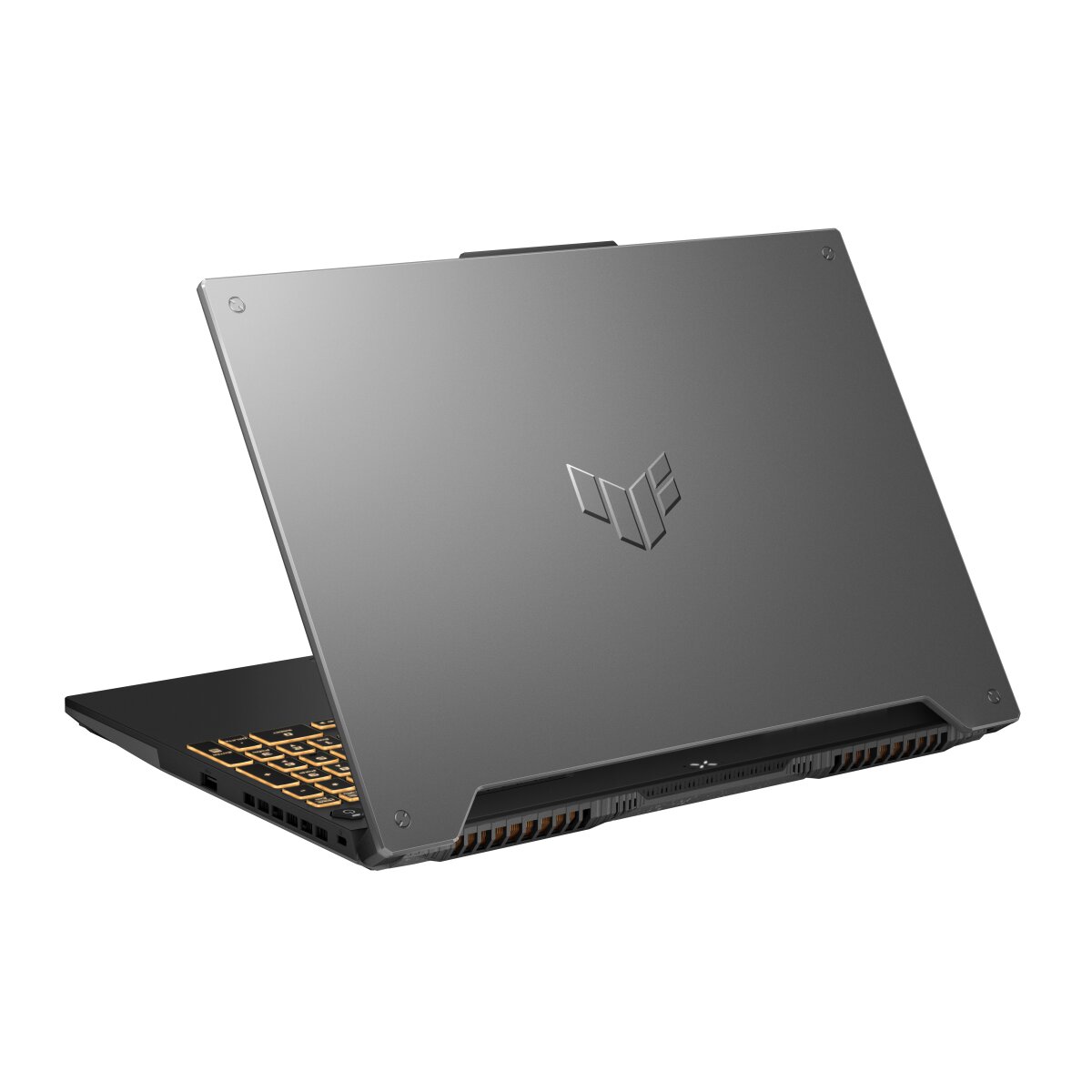
ASUS TUF Gaming F15 FX507ZM-HQ113W laptop features two SO-DIMM slots supporting DDR5-SDRAM memory upgrades. Maximum compatible RAM capacity reaches 32 GB total. Memory specifications include DDR5-4800 MHz frequency support. Upgrade slots accommodate SO-DIMM form factor modules. Existing memory configuration allows for single or dual-module installation to achieve maximum specifications.
Memory Upgrade Specifications
| Specification | Value |
|---|---|
| Memory slots | 2x SO-DIMM |
| Form factor | SO-DIMM |
| Memory type | DDR5-SDRAM |
| Frequency | 4800 MHz |
| Maximum RAM | 32 GB |
| Voltage | 1.1V |
| Number of pins | 262-pin |
| Interface | PC5 |
| PC Speed Rating | PC5-4800 (PC5-38400) |
| Bandwidth | 38.4 GB/s |
| Laptop Release date | 20 April 2022 |
Additional Notes
- The presence of 2 SO-DIMM slots confirms that the ASUS FX507ZM-HQ113W utilizes a non-soldered configuration, allowing for the complete replacement of existing modules rather than relying on fixed onboard memory.
- Operating on the DDR5 standard provides increased memory bandwidth and lower power consumption compared to older DDR4 architectures, though it requires specific 262-pin hardware and is not backward compatible.
- Reaching the 32 GB threshold suggests the motherboard firmware or chipset imposes a ceiling that prevents the utilization of 32 GB individual sticks for a 64 GB total capacity.
- Dual-channel mode functionality depends on installing 2 identical modules, which significantly enhances integrated processing speeds and reduces data latency during heavy workloads.
- The 4800 MHz clock speed indicates a high-frequency baseline that minimizes data transfer bottlenecks between the central processor and the system memory.
- Physical access to the memory slots typically involves removing the bottom chassis panel, which requires careful handling of internal ribbon cables and static discharge protection to maintain hardware integrity.
- Internal space restrictions within the laptop chassis generally limit memory upgrades to standard height modules, making oversized heat spreaders incompatible with the casing.