ASUS TUF Gaming FX507ZM-RS73 RAM upgrade specifications
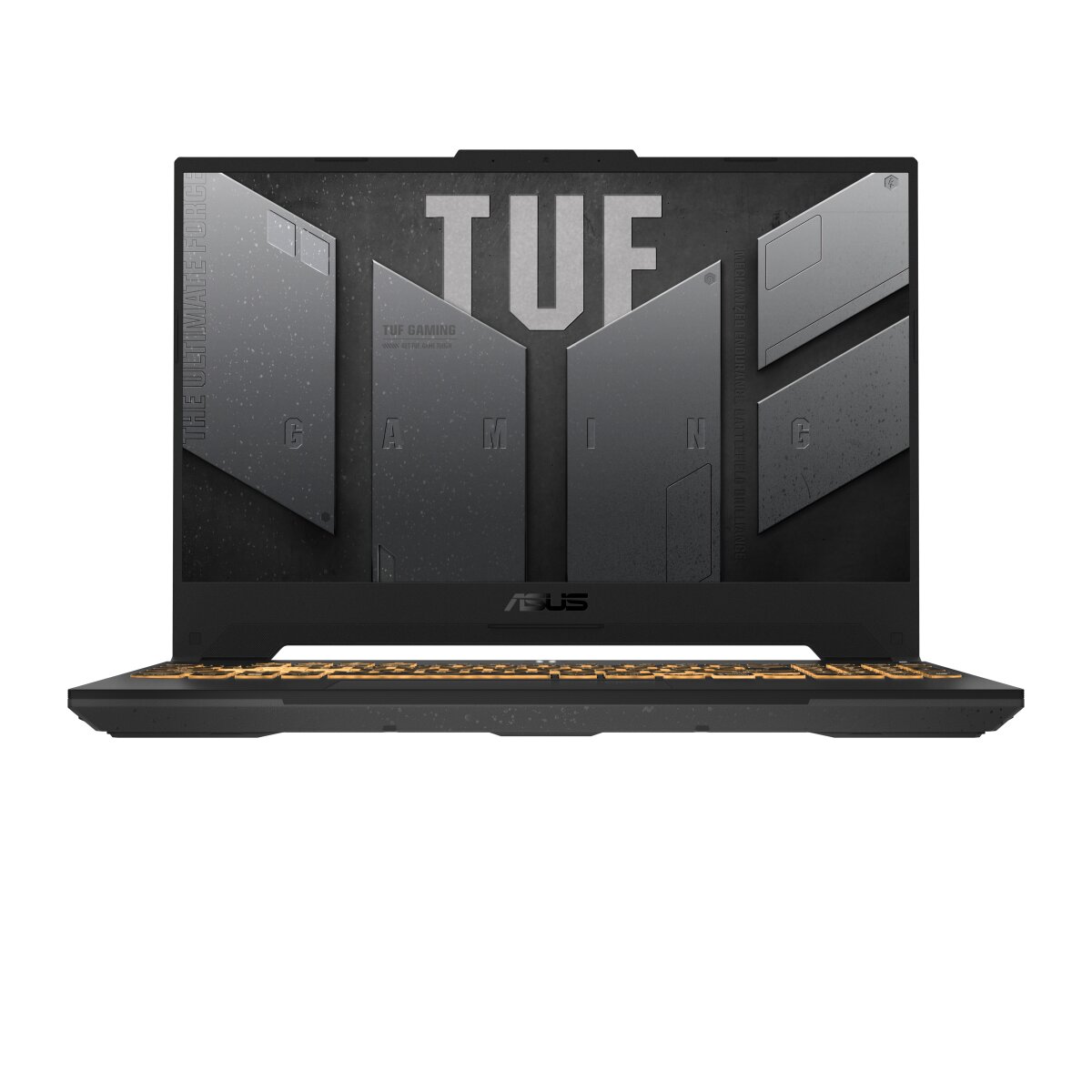



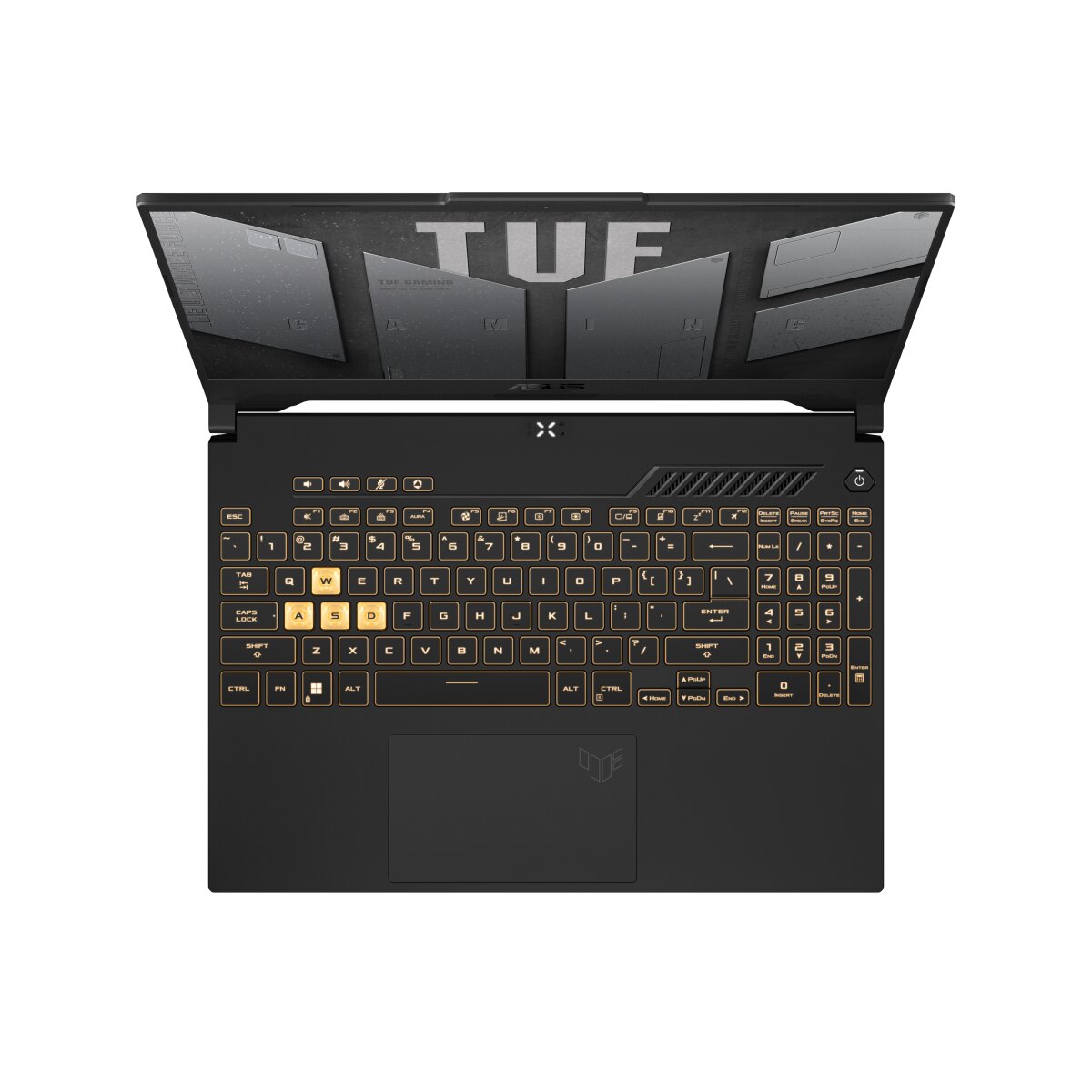
ASUS TUF Gaming F15 FX507ZM-RS73 laptop features two SO-DIMM memory slots supporting DDR5-SDRAM upgrade specifications. Maximum RAM capacity reaches 24 GB with compatible modules operating at 4800 MHz frequency. Upgrade path allows installation of additional DDR5 memory modules in available slots to enhance system performance. Specifications confirm SO-DIMM form factor compatibility for RAM expansion on this gaming laptop model.
Memory Upgrade Specifications
| Specification | Value |
|---|---|
| Memory slots | 2x SO-DIMM |
| Form factor | SO-DIMM |
| Memory type | DDR5-SDRAM |
| Frequency | 4800 MHz |
| Maximum RAM | 24 GB |
| Voltage | 1.1V |
| Number of pins | 262-pin |
| Interface | PC5 |
| PC Speed Rating | PC5-4800 (PC5-38400) |
| Bandwidth | 38.4 GB/s |
| Laptop Release date | 19 March 2022 |
Additional Notes
- The ASUS TUF Gaming FX507ZM-RS73 supports only DDR5 modules, preventing the use of any DDR4 memory despite physical SO-DIMM compatibility in form factor.
- The 24 GB maximum capacity limitation suggests an asymmetric dual-channel configuration, typically 16 GB paired with 8 GB, which may reduce memory interleaving efficiency compared to matched pairs.
- Both memory slots utilize SO-DIMM sockets without soldered components, allowing full user replacement without warranty concerns related to integrated memory.
- The 4800 MHz specification represents the supported speed ceiling; modules rated at higher frequencies will downclock to this native speed without performance benefit.
- DDR5 SO-DIMM modules operate at 1.1V baseline voltage, differing from DDR4's 1.2V standard, making cross-generation testing or transplanting from older systems incompatible.
- The dual-slot configuration without onboard memory means zero-cost capacity exists; both slots must be populated to achieve the stated maximum.
- Accessing SO-DIMM slots in gaming chassis typically requires bottom panel removal rather than dedicated access doors, necessitating a complete shutdown and potential thermal paste considerations if heatsink interference exists.
- Early DDR5 modules at 4800 MHz generally exhibit higher CAS latencies (CL40-CL46) compared to equivalent DDR4-3200 speeds, affecting latency-sensitive applications despite bandwidth increases.
- The absence of ECC designation indicates standard unbuffered memory support only, excluding server-grade or workstation error-correcting modules.
- Mixing modules from different manufacturers or production batches at this frequency may trigger stability issues requiring manual timing adjustments in BIOS, though matched kits avoid this complexity.