ASUS TUF Gaming FX507ZU4-LP040 RAM upgrade specifications
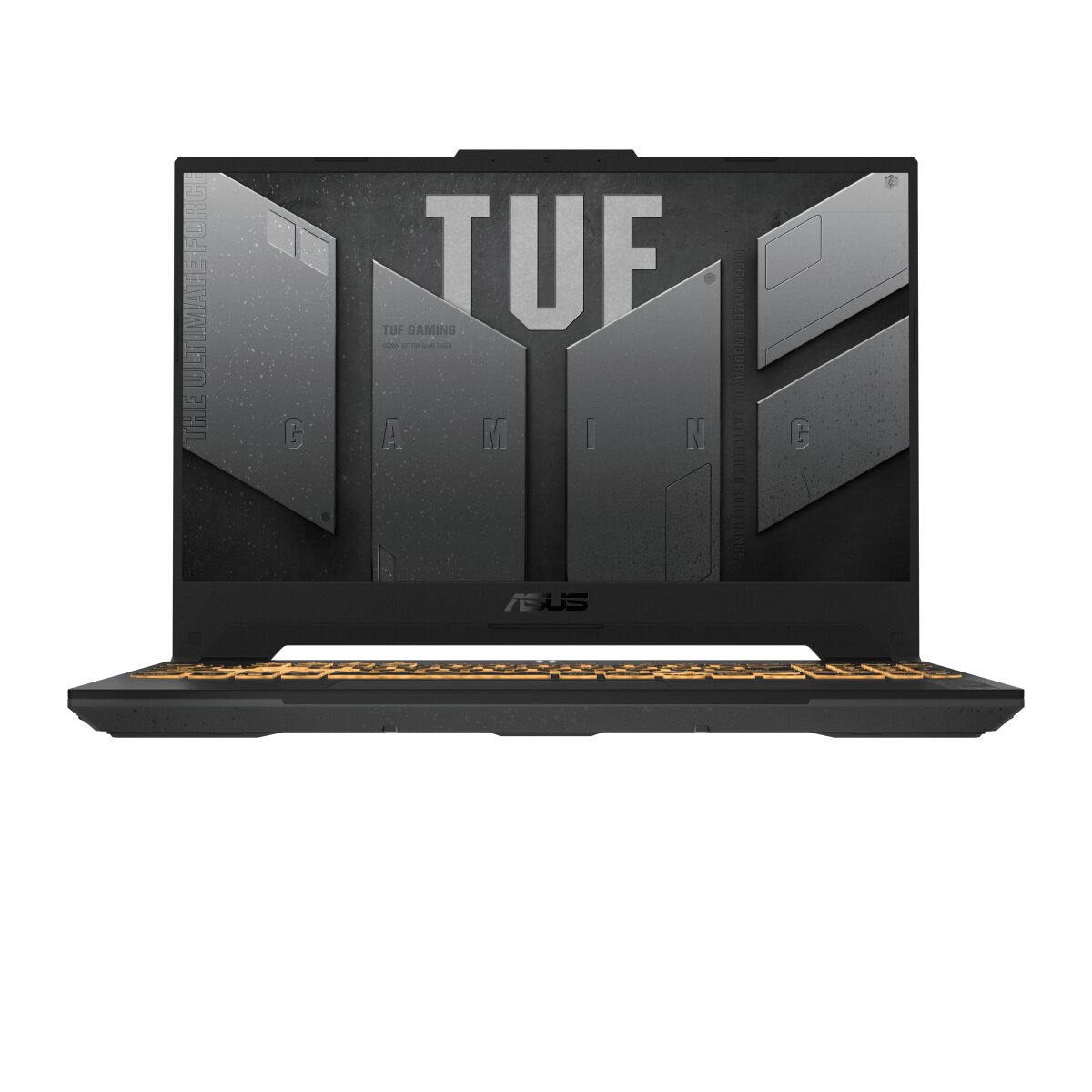
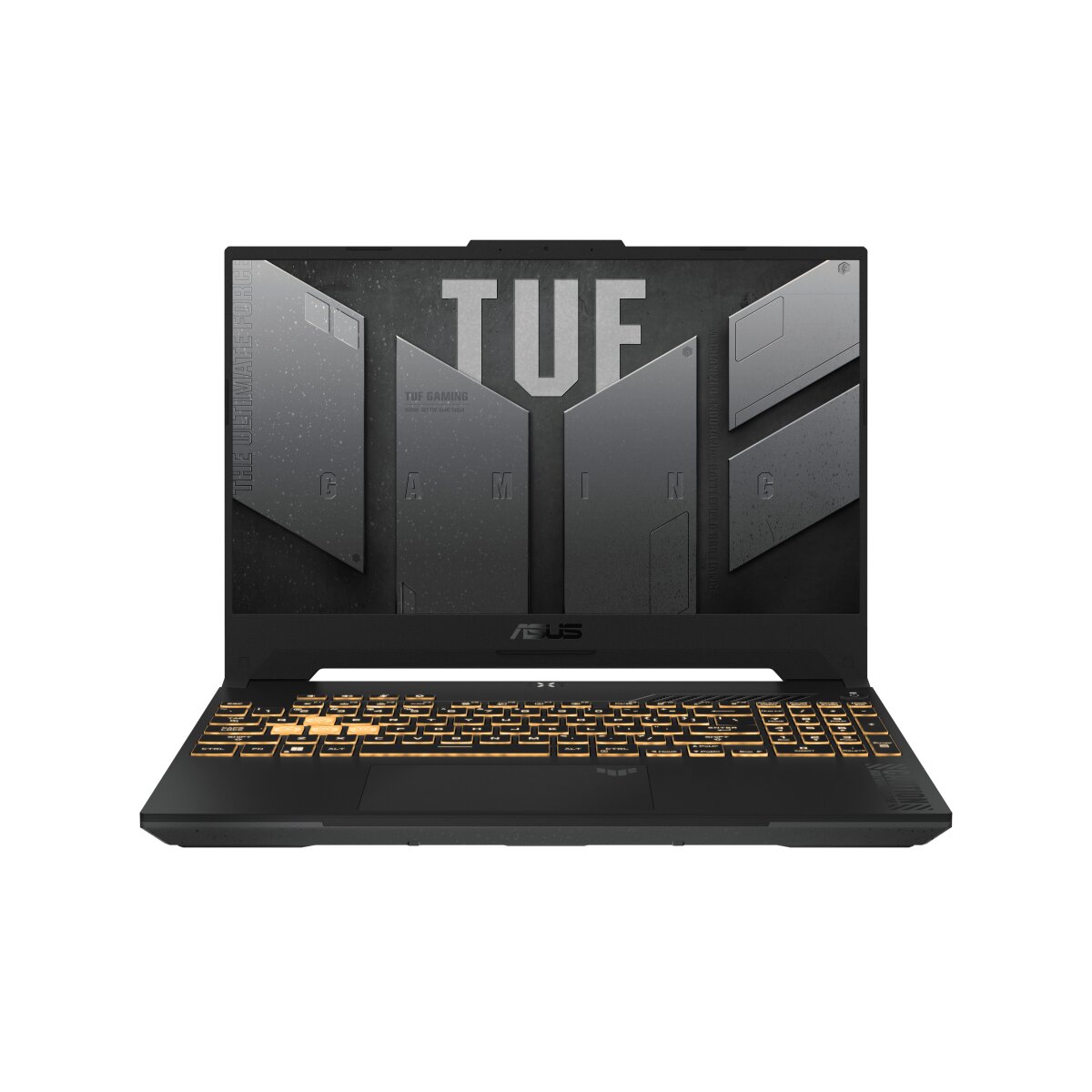
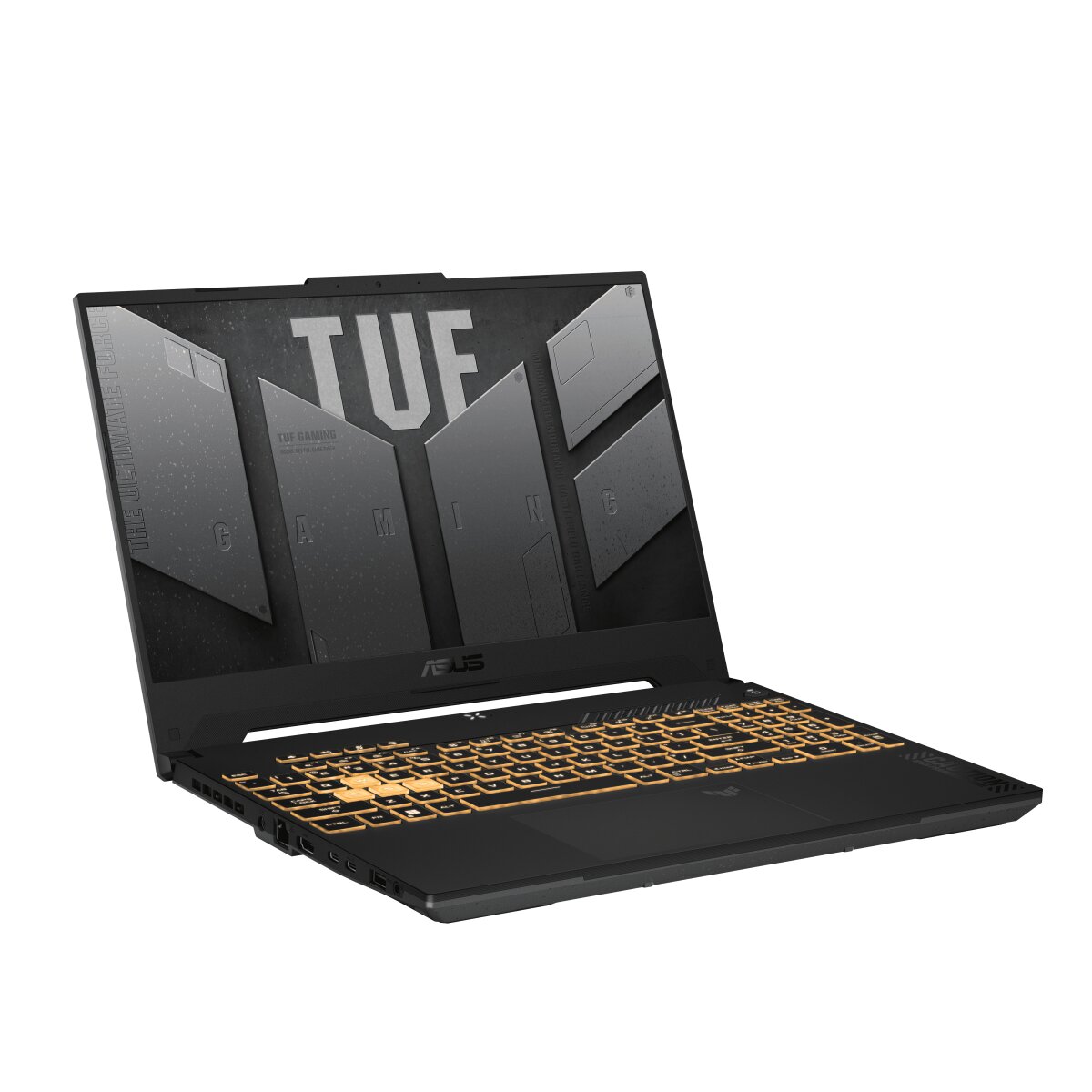
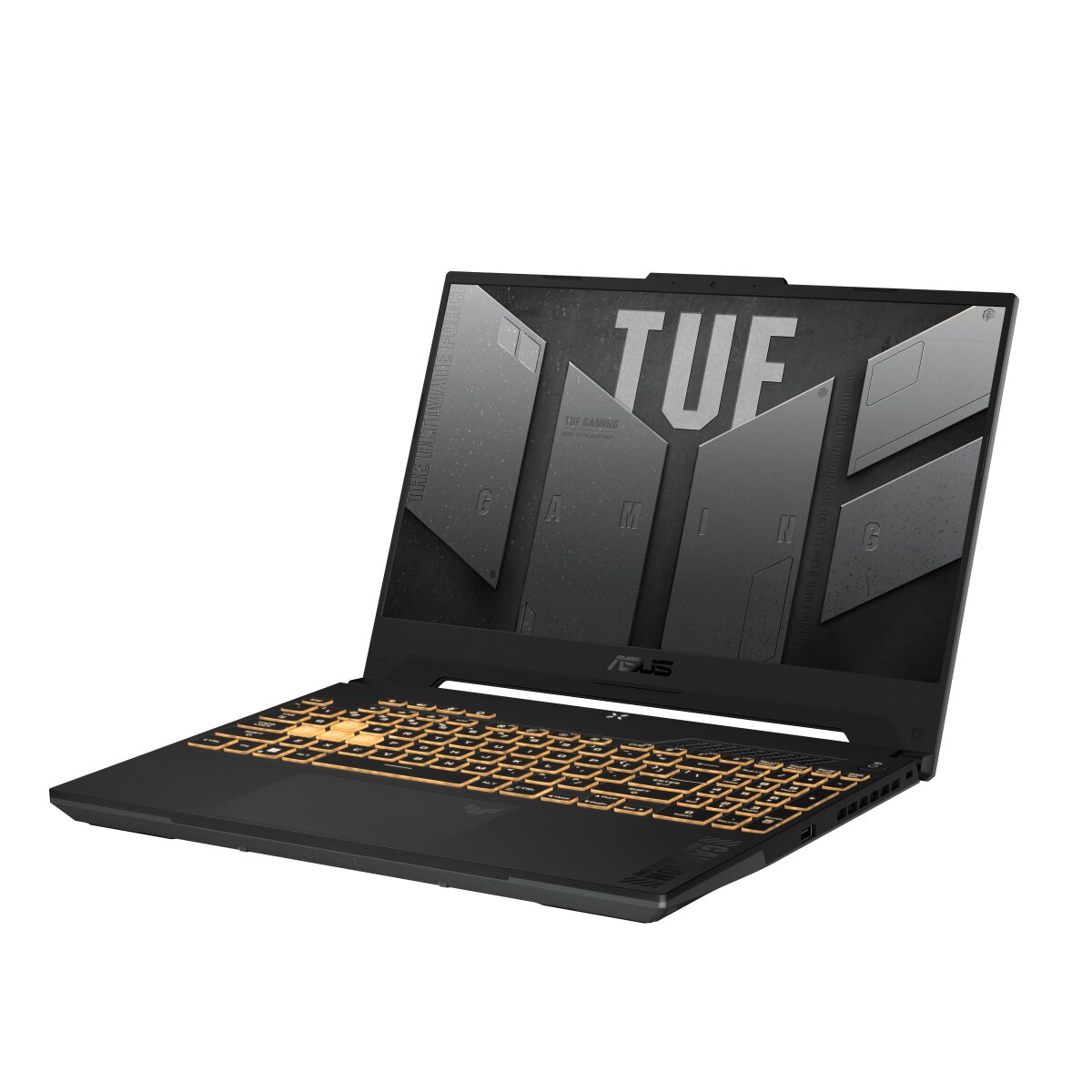
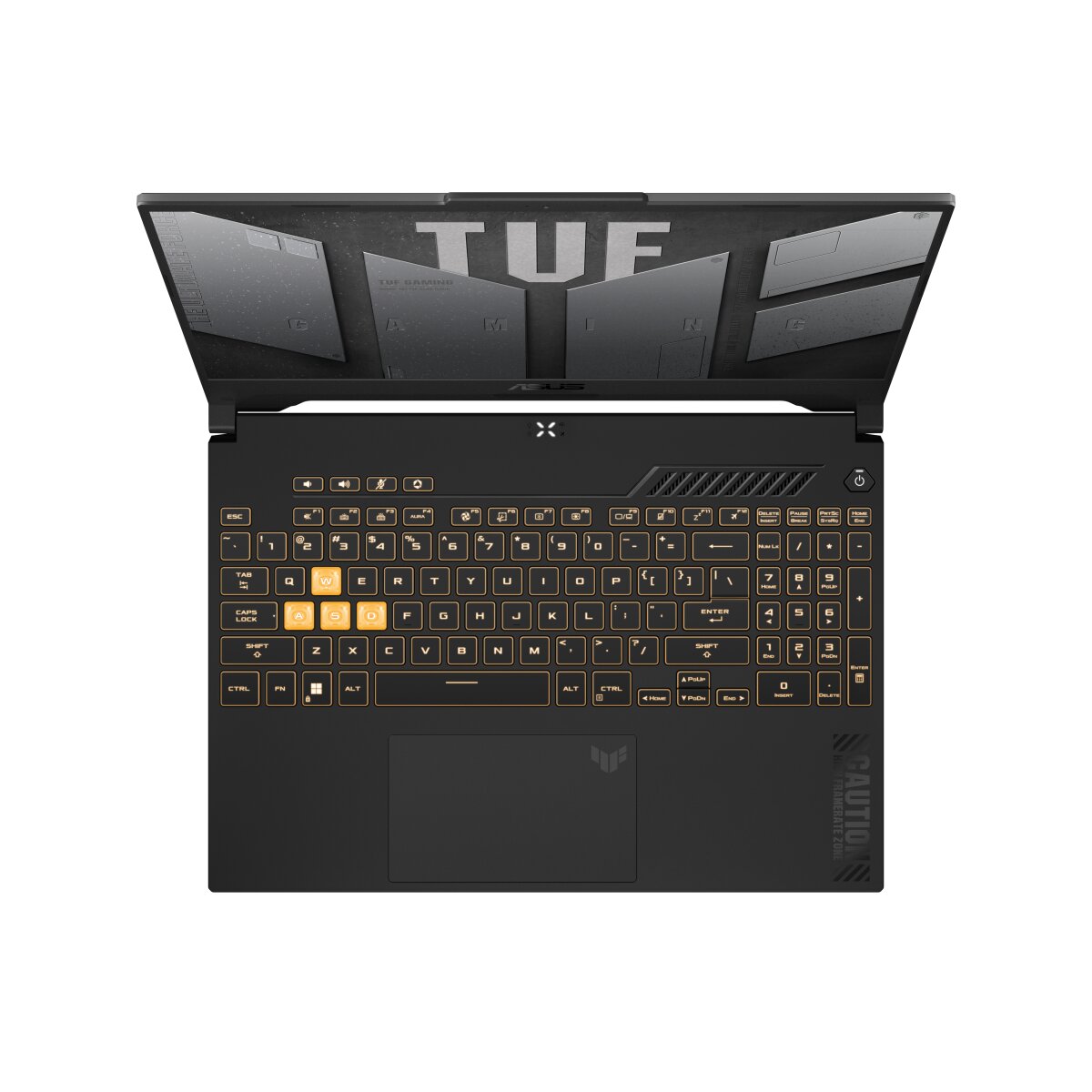
The ASUS TUF Gaming F15 FX507ZU4-LP040 laptop features DDR4-SDRAM memory upgrade capabilities with 2x SO-DIMM slots. Maximum memory capacity reaches 32 GB when both slots are populated. Compatible memory modules operate at 3200 MHz frequency. The SO-DIMM form factor specifications define the physical and electrical requirements for memory upgrades on this gaming laptop model.
Memory Upgrade Specifications
| Specification | Value |
|---|---|
| Memory slots | 2x SO-DIMM |
| Form factor | SO-DIMM |
| Memory type | DDR4-SDRAM |
| Frequency | 3200 MHz |
| Maximum RAM | 32 GB |
| Voltage | 1.2V |
| Number of pins | 260-pin |
| Interface | PC4 |
| PC Speed Rating | PC4-3200 (PC4-25600) |
| Bandwidth | 25.6 GB/s |
| Laptop Release date | 06 January 2023 |
Additional Notes
- The ASUS TUF Gaming FX507ZU4-LP040 architecture limits total system memory to 32 GB, constraining workloads that require larger memory pools such as virtual machine hosting with multiple concurrent instances or large-scale data analysis applications.
- DDR4-SDRAM technology operates at higher voltages than DDR5 alternatives, resulting in increased thermal output during sustained memory-intensive operations and marginally reduced power efficiency compared to newer generation modules.
- The 3200 MHz frequency represents a standard mid-range specification for DDR4, providing adequate bandwidth for most gaming and productivity tasks but falling short of DDR4-3600 or DDR4-4000 configurations that could reduce memory latency in CPU-bound scenarios.
- Dual-channel configuration becomes available only when both SO-DIMM slots contain matched capacity modules, as single-module installations default to single-channel mode with approximately 50% reduced memory bandwidth.
- SO-DIMM physical specifications require modules measuring 67.6 mm in length, preventing installation of standard desktop DIMM memory and necessitating laptop-specific components during upgrades.
- The 2-slot configuration prohibits incremental capacity expansion beyond initial dual-module installation, forcing complete replacement of existing modules when upgrading to higher capacities rather than adding supplementary memory.
- Modules exceeding 3200 MHz rated speeds may physically install but will downclock to system maximum specifications, negating performance benefits and potential cost premiums associated with higher-frequency components.
- Non-matching memory timings between installed modules can force the memory controller to adopt the slowest common timing profile, potentially degrading performance below the capability of faster individual modules.
- Systems populated with maximum 32 GB capacity using 16 GB modules leave no headroom for future expansion without discarding existing hardware, representing a fixed upgrade ceiling.
- Mixing memory modules from different manufacturers or with varying chip configurations may introduce stability issues despite identical frequency and capacity specifications, as differing integrated circuit designs can create compatibility conflicts.