ASUS TUF Gaming FX507ZR-HN001W RAM upgrade specifications
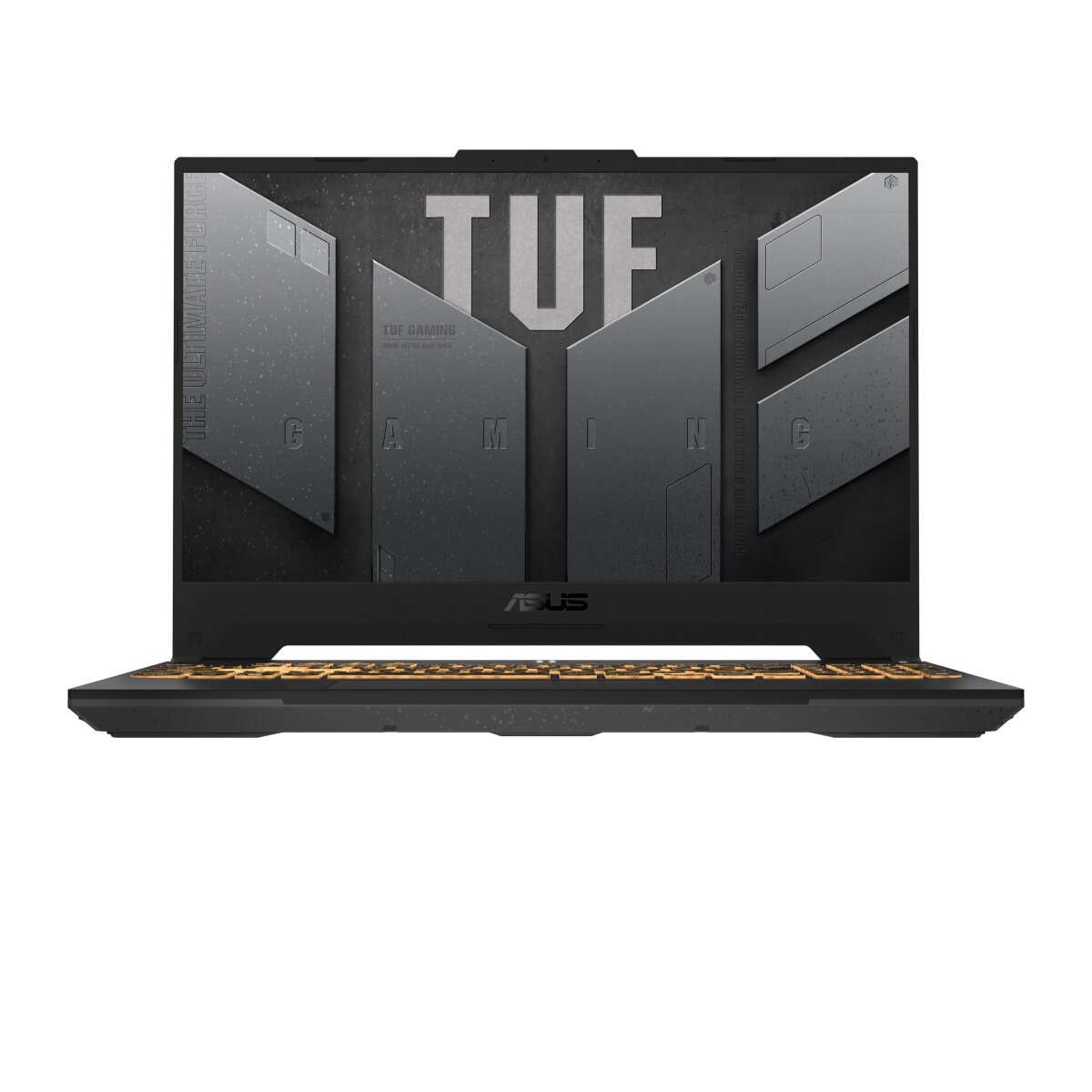

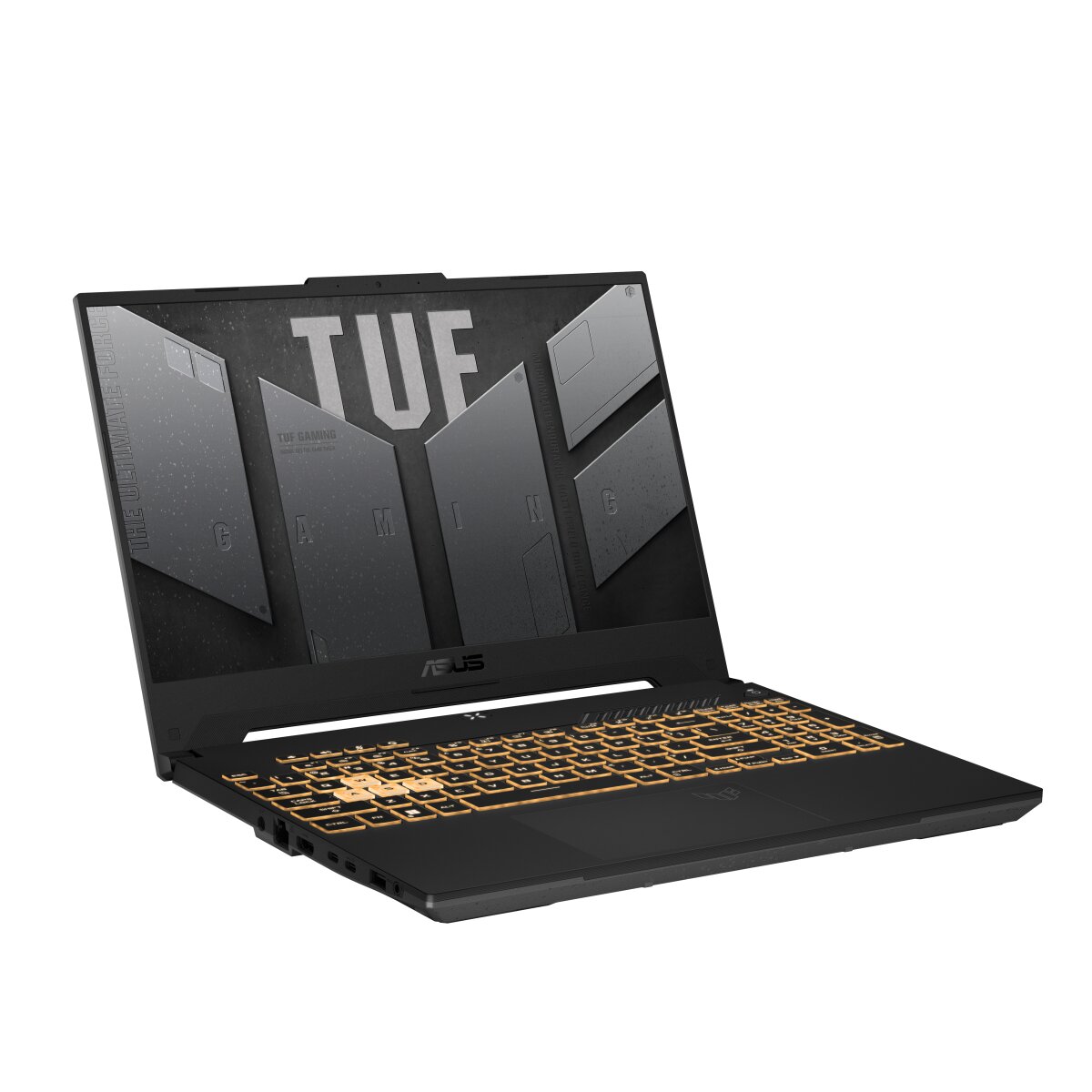
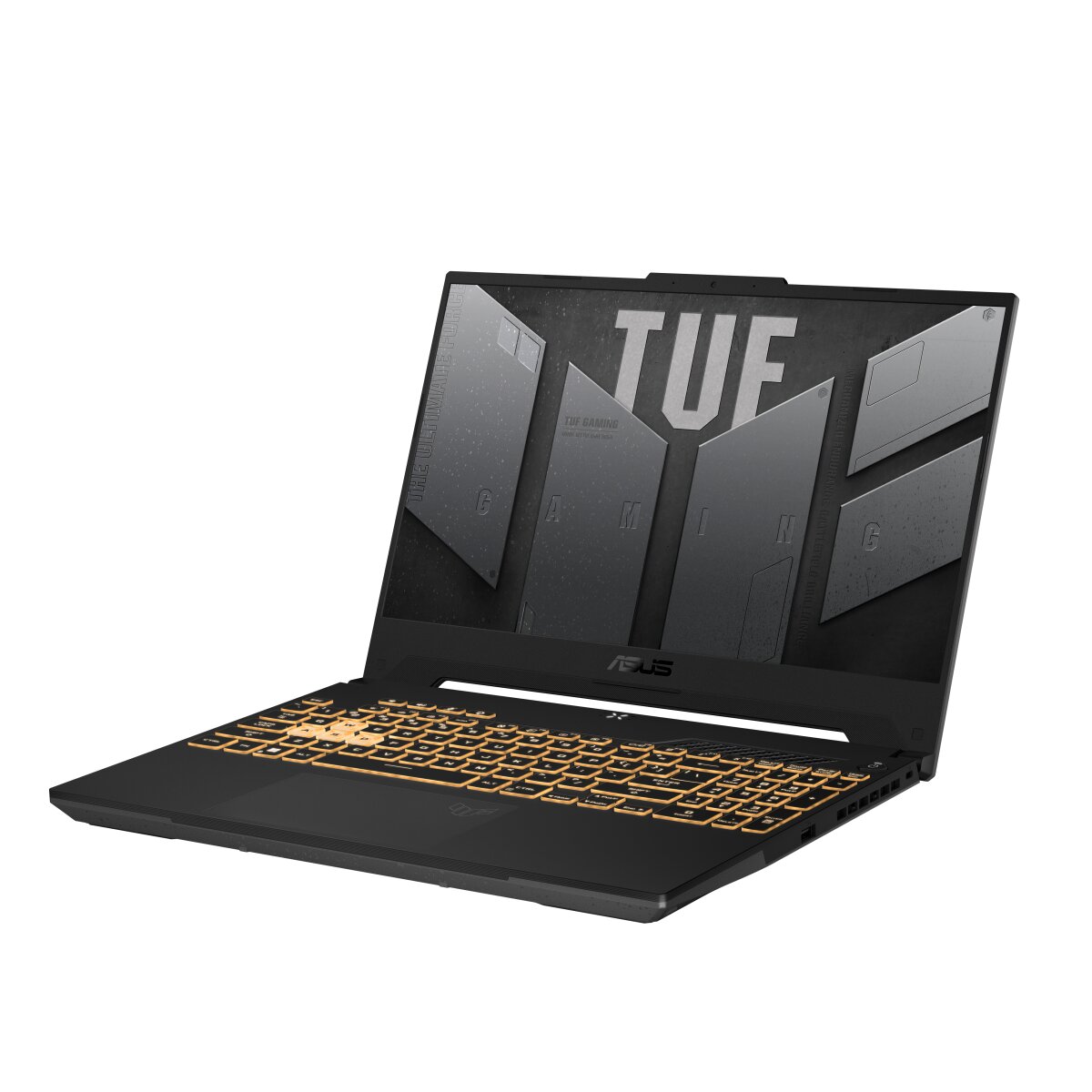
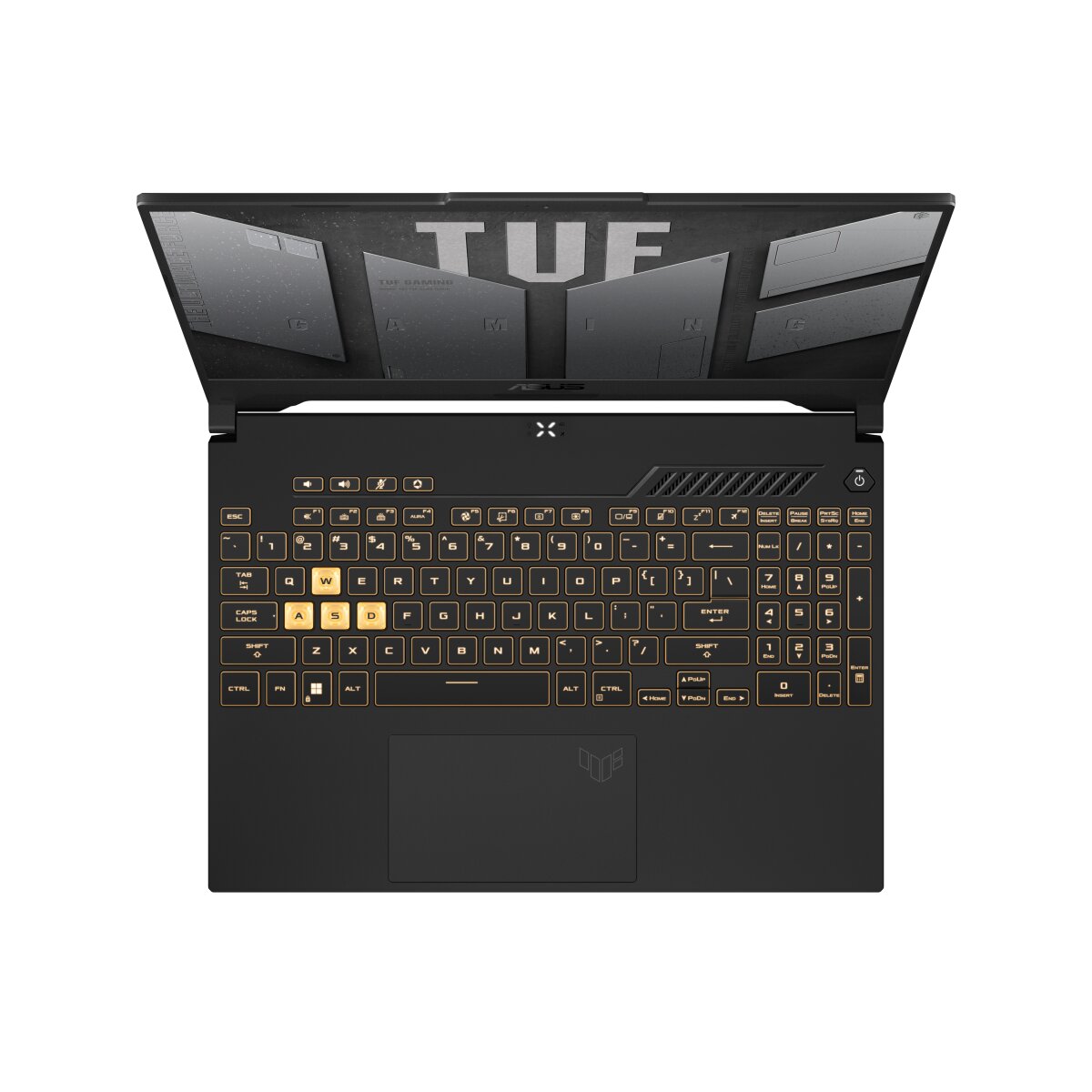
ASUS TUF Gaming F15 FX507ZR-HN001W laptop RAM upgrade specifications include DDR5-SDRAM memory type with 2x SO-DIMM slots for expansion. Maximum RAM capacity reaches 32 GB total, supporting DDR5-4800 MHz frequency specifications. Compatible memory upgrades utilize SO-DIMM form factor modules. Existing memory configuration can be expanded to the maximum supported capacity through compatible DDR5 SO-DIMM modules meeting specifications.
Memory Upgrade Specifications
| Specification | Value |
|---|---|
| Memory slots | 2x SO-DIMM |
| Form factor | SO-DIMM |
| Memory type | DDR5-SDRAM |
| Frequency | 4800 MHz |
| Maximum RAM | 32 GB |
| Voltage | 1.1V |
| Number of pins | 262-pin |
| Interface | PC5 |
| PC Speed Rating | PC5-4800 (PC5-38400) |
| Bandwidth | 38.4 GB/s |
| Laptop Release date | 04 August 2022 |
Additional Notes
- The presence of 2 physical SO-DIMM slots allows for dual-channel memory configurations which doubles the available bandwidth for the integrated graphics processor and CPU compared to single-stick setups.
- Upgrading the ASUS TUF Gaming FX507ZR-HN001W requires specific DDR5 modules because the architecture is physically incompatible with older DDR4 slots due to a different notch position.
- The 32 GB architectural ceiling implies that the BIOS or chipset firmware likely restricts the recognition of high-density 32 GB or 4800 MHz 64 GB kits even if the processor technically supports higher capacities.
- The 4800 MHz frequency provides a significant lead in data transfer rates over previous generations but results in higher CAS latency which impacts specific memory-sensitive computational tasks.
- Maintaining a symmetrical configuration with 2 identical modules is necessary to ensure the system operates at the intended clock speeds without triggering downclocking or stability issues.
- Accessing the internal memory slots typically involves removing the base panel which requires standard tools but necessitates caution to avoid static discharge or mechanical damage to the internal ribbon cables.
- The move to DDR5 technology introduces on-die Error Correction Code which improves system reliability during long renders or heavy gaming sessions compared to non-ECC DDR4 memory.