ASUS TUF Gaming FX507ZM-HN010W RAM upgrade specifications

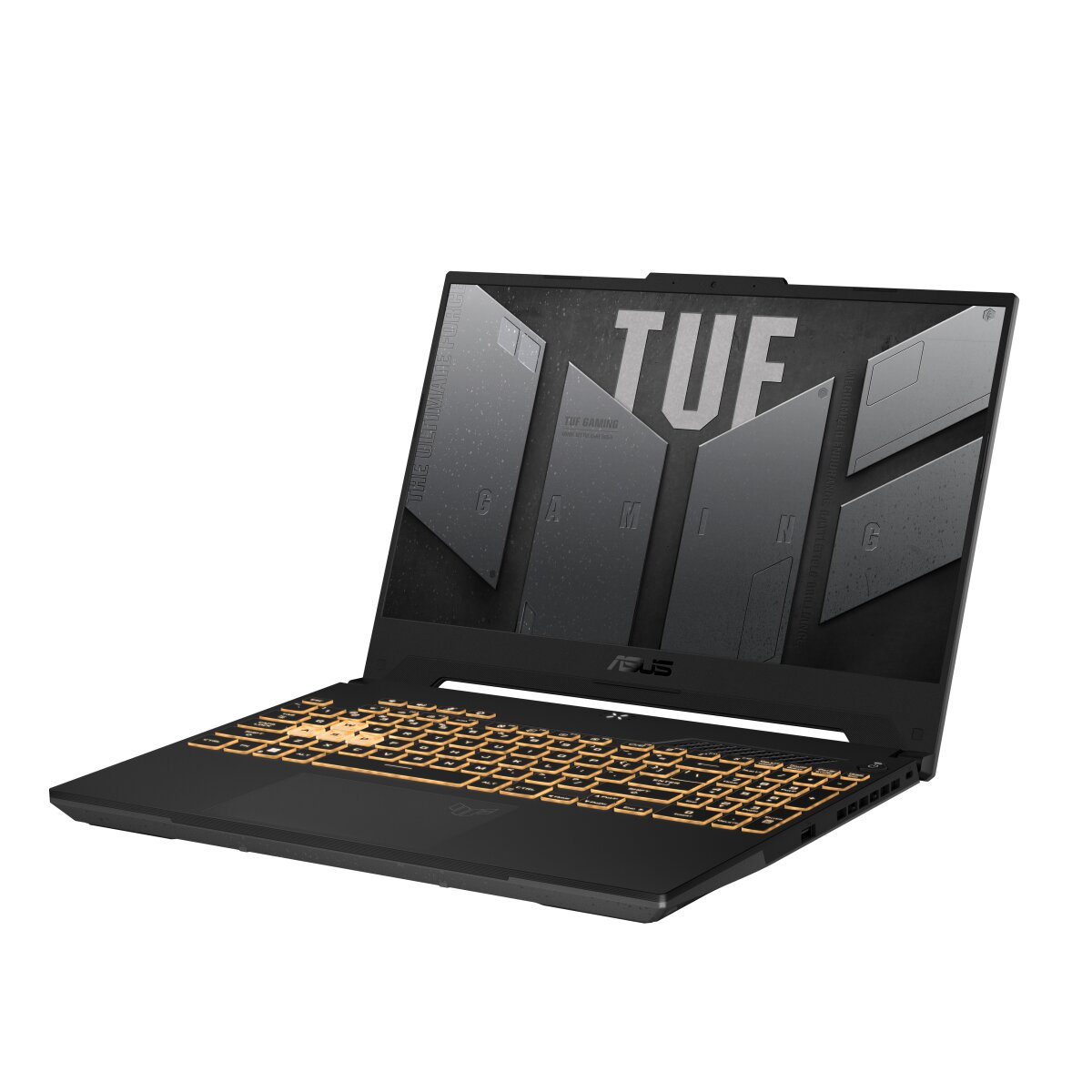
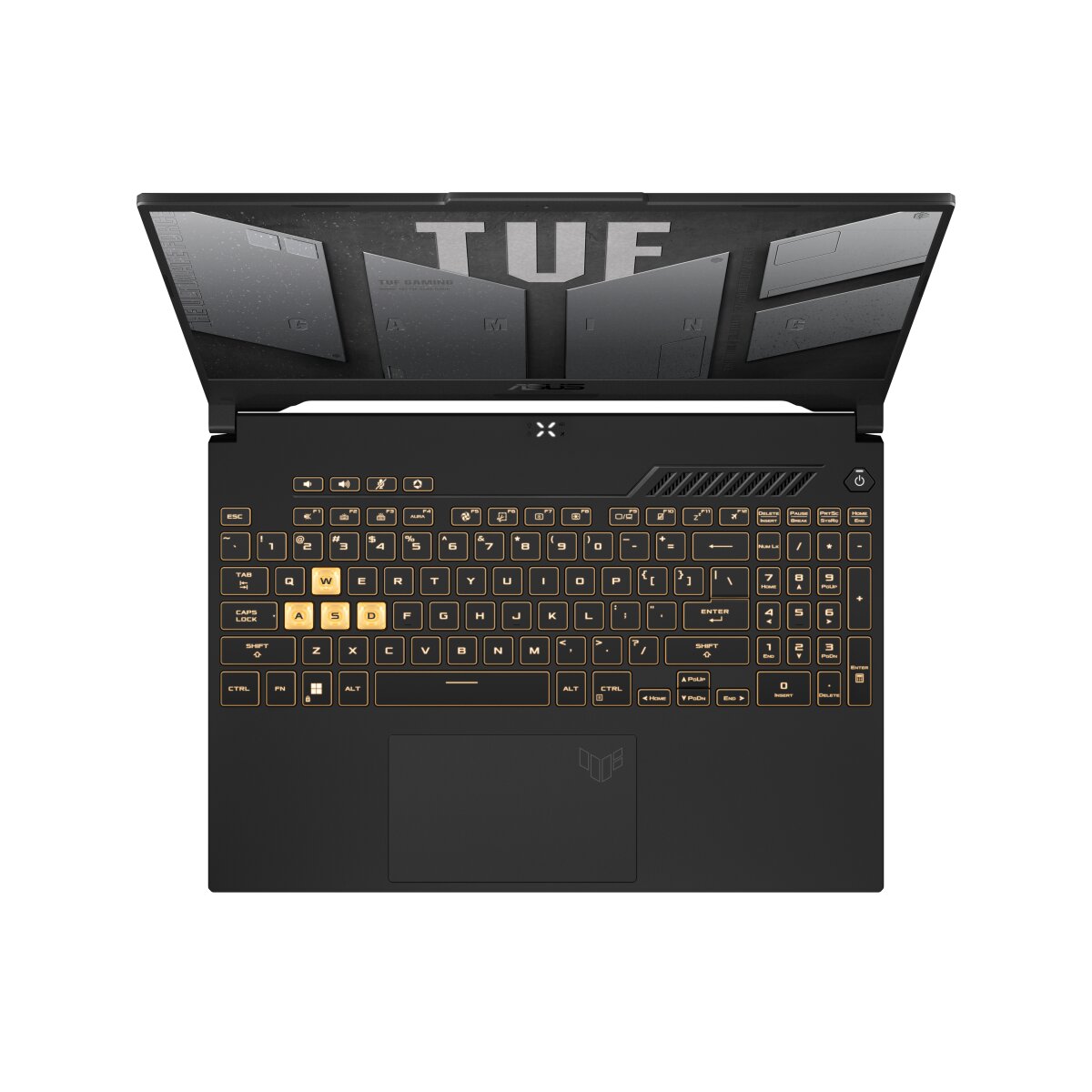

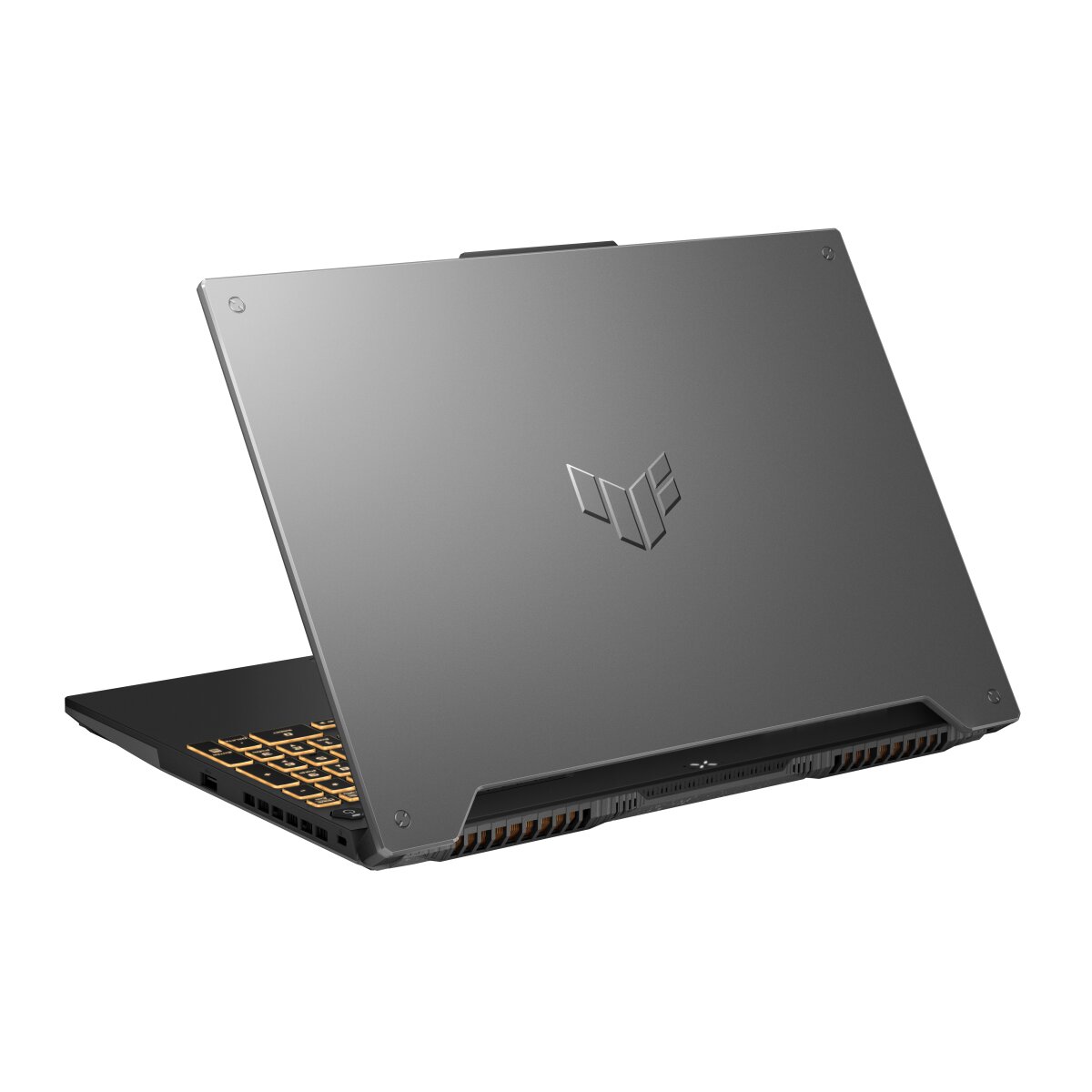
The ASUS TUF Gaming F15 FX507ZM-HN010W features DDR5-SDRAM memory upgrade specifications with 2x SO-DIMM slots supporting maximum capacity of 32 GB. Compatible RAM operates at 4800 MHz frequency using SO-DIMM form factor. Upgrade slots allow installation of DDR5 memory modules to expand system memory capacity beyond factory configuration. Specifications indicate support for high-speed DDR5 technology across both available memory slots.
Memory Upgrade Specifications
| Specification | Value |
|---|---|
| Memory slots | 2x SO-DIMM |
| Form factor | SO-DIMM |
| Memory type | DDR5-SDRAM |
| Frequency | 4800 MHz |
| Maximum RAM | 32 GB |
| Voltage | 1.1V |
| Number of pins | 262-pin |
| Interface | PC5 |
| PC Speed Rating | PC5-4800 (PC5-38400) |
| Bandwidth | 38.4 GB/s |
| Laptop Release date | 22 October 2021 |
Additional Notes
- The presence of 2 physical SO-DIMM slots implies that reaching the maximum capacity requires a matched pair of 16 GB modules to enable dual-channel memory architecture.
- Utilizing DDR5 4800 MHz technology signifies a shift toward higher base bandwidth and lower operating voltages compared to previous generations, though it introduces increased CAS latency during initial data bursts.
- The ASUS TUF Gaming FX507ZM-HN010W architecture limits total addressable memory to 32 GB, preventing the installation of high-density 32 GB or 48 GB single sticks for workstation-level tasks.
- Manual upgrades to sticks with faster timings or higher clock speeds will result in the system downclocking the hardware to the maximum supported system bus frequency of 4800 MHz.
- Accessing the memory slots necessitates the removal of the bottom chassis panel, which requires a Phillips head screwdriver and non-marring pry tools to avoid damaging the internal plastic retention clips.
- Replacing factory-installed modules with aftermarket equivalents typically remains within warranty parameters provided no internal components suffer physical damage during the installation process.
- Memory stability is dependent on the integrated memory controller within the processor, meaning that mixing different brands of RAM can lead to system instability or failure to boot into the operating system.