ASUS TUF Gaming FX507ZV4-LP055W RAM upgrade specifications




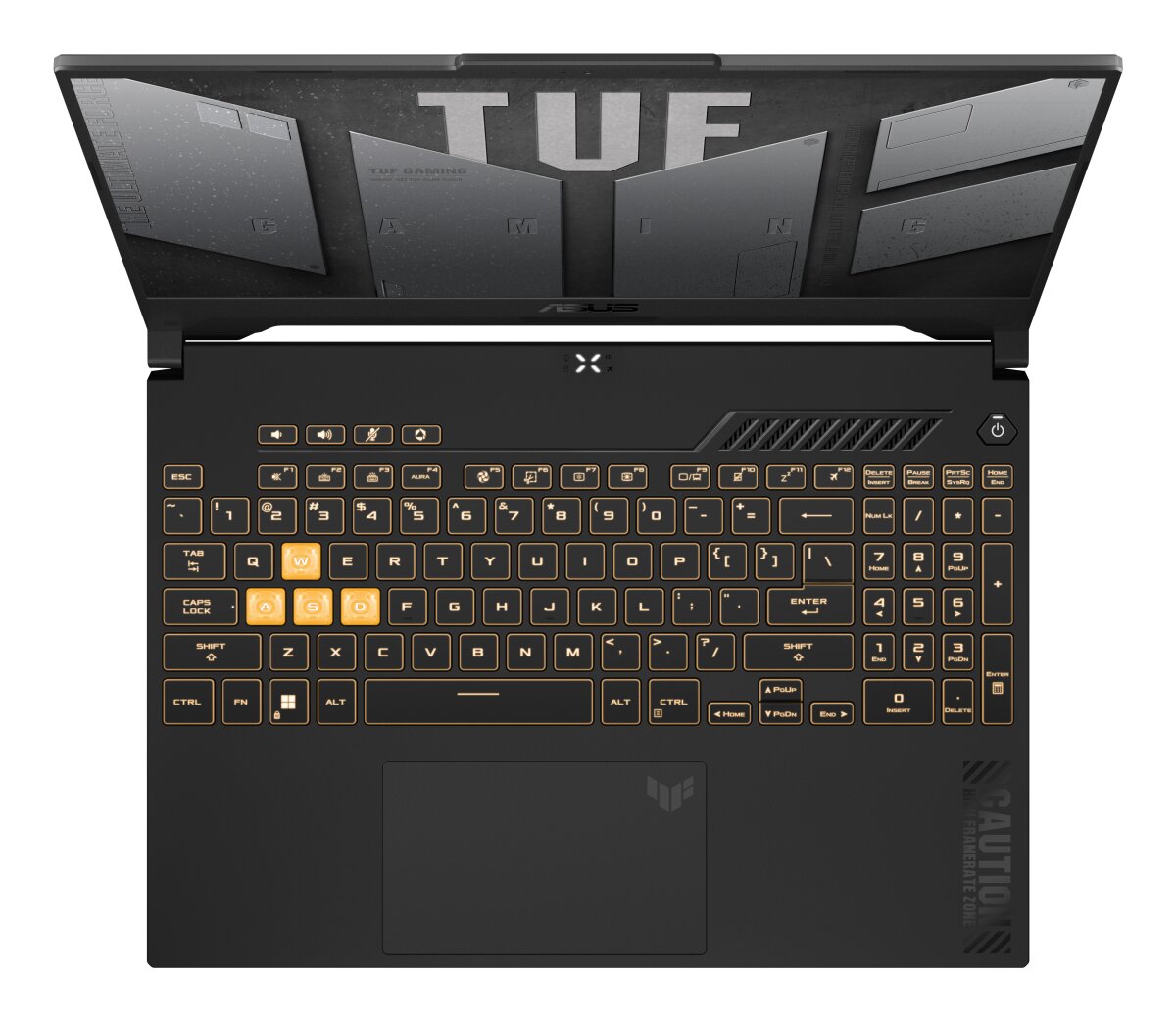
The ASUS TUF Gaming F15 FX507ZV4-LP055W features 2x SO-DIMM slots for memory expansion. This laptop model supports DDR4-SDRAM memory operating at 3200 MHz frequency. Maximum RAM capacity reaches 32 GB when both slots are populated. Compatible memory upgrades utilize the SO-DIMM form factor. Current specifications and upgrade options allow users to expand existing memory configurations up to the supported maximum capacity. DDR4 memory modules meeting these specifications are compatible with FX507ZV4-LP055W hardware.
Memory Upgrade Specifications
| Specification | Value |
|---|---|
| Memory slots | 2x SO-DIMM |
| Form factor | SO-DIMM |
| Memory type | DDR4-SDRAM |
| Frequency | 3200 MHz |
| Maximum RAM | 32 GB |
| Voltage | 1.2V |
| Number of pins | 260-pin |
| Interface | PC4 |
| PC Speed Rating | PC4-3200 (PC4-25600) |
| Bandwidth | 25.6 GB/s |
Additional Notes
- The presence of 2 SO-DIMM slots allows for dual-channel memory configurations which doubles the theoretical bandwidth compared to single-channel setups.
- Upgrading the ASUS TUF Gaming FX507ZV4-LP055W beyond 32 GB is restricted by firmware limitations despite the processor architecture potentially supporting higher capacities.
- The use of DDR4 technology requires lower voltage modules than older standards but lacks the higher base clock speeds and power efficiency found in DDR5 systems.
- Achieving the 3200 MHz frequency necessitates modules with compatible SPD profiles to avoid the system defaulting to lower JEDEC frequencies.
- Physical installation involves a standard 260-pin interface which demands precise horizontal alignment within the chassis to prevent pin damage during seating.
- Replacing existing modules is mandatory for maximum capacity expansion since all available slots are utilized in the peak 32 GB configuration.
- Thermal management under sustained loads relies on the proximity of the RAM slots to the heat pipes and cooling fans located within the internal layout.
- Mismatching memory timings between the 2 slots will force the system to operate at the latency of the slowest module installed.