ASUS TUF Gaming FX507ZV4-LP090W RAM upgrade specifications


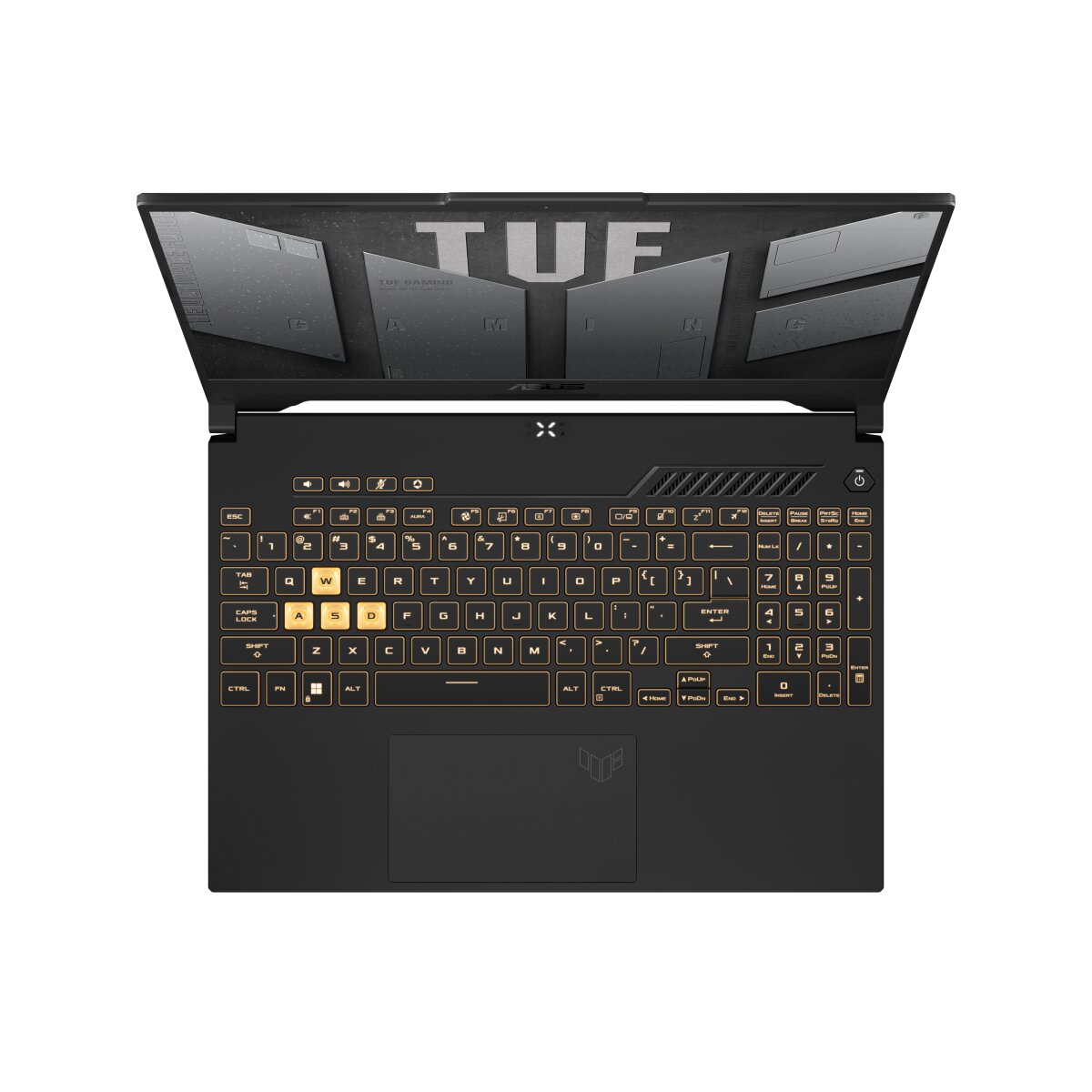
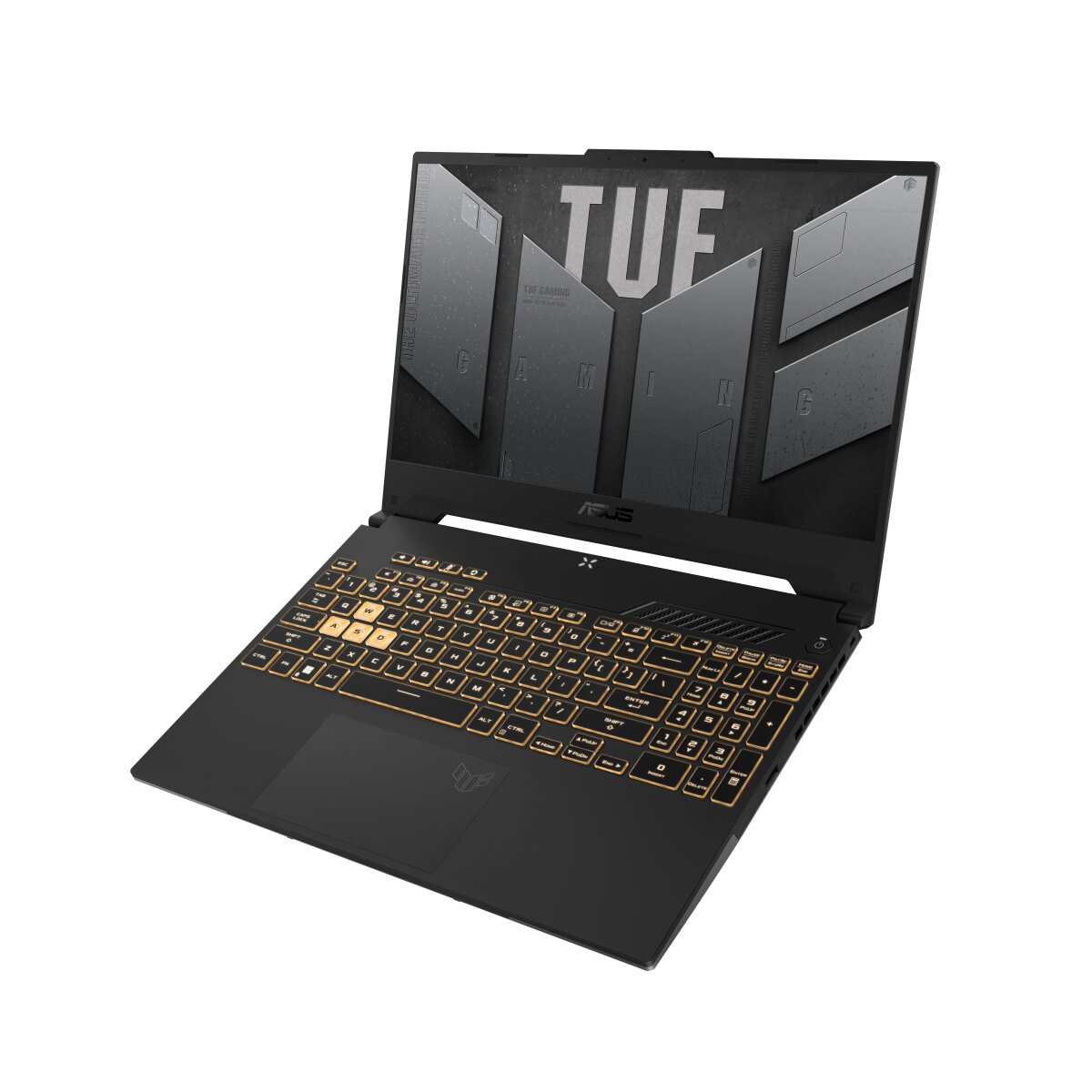
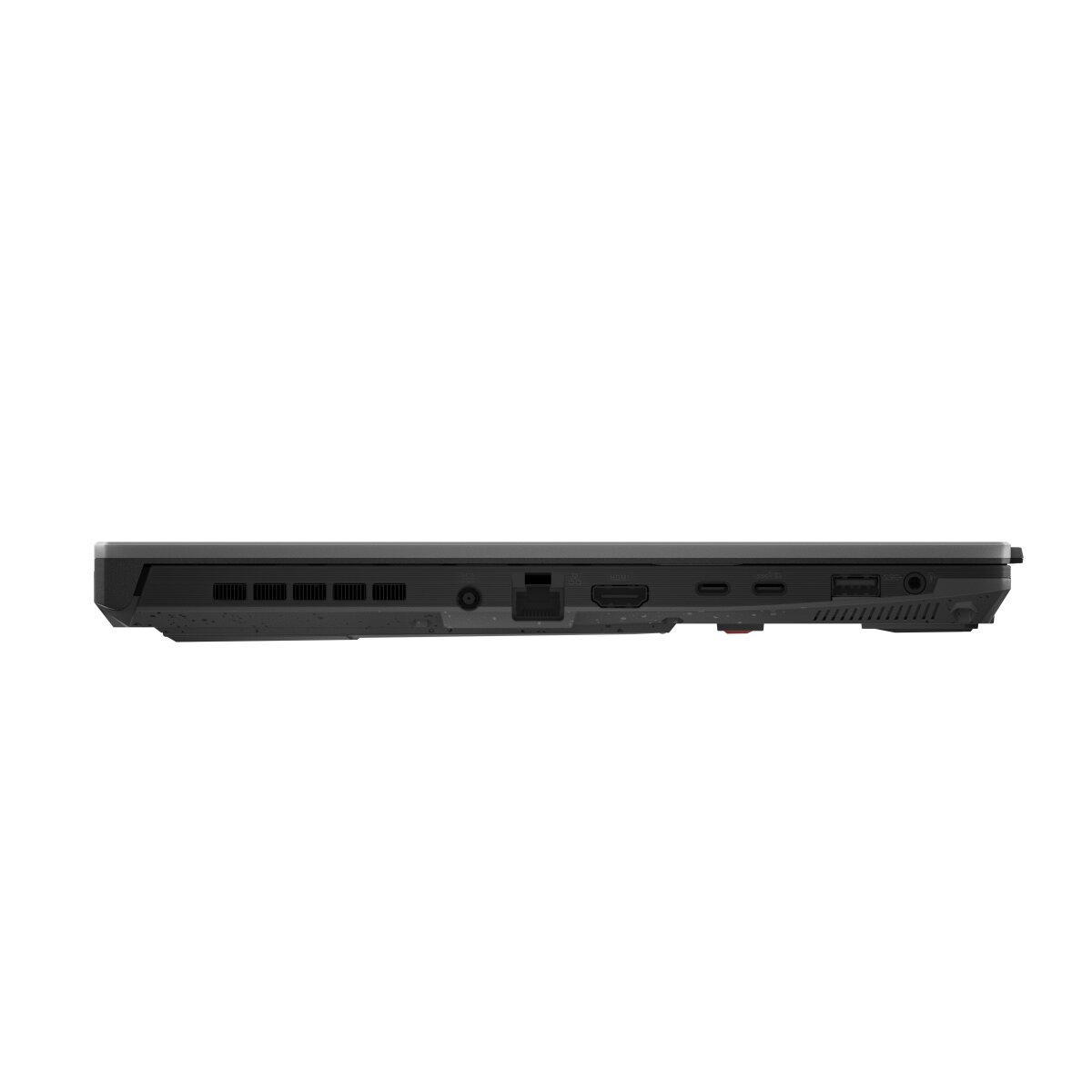
ASUS TUF Gaming F15 model FX507ZV4-LP090W supports DDR4-SDRAM memory upgrades with one SO-DIMM slot available. Maximum memory capacity reaches 32 GB through compatible RAM modules operating at 2300 MHz frequency. The laptop specifications indicate a single memory slot configuration, allowing users to upgrade existing RAM or expand total system memory to the maximum supported capacity of 32 GB DDR4-SDRAM.
Memory Upgrade Specifications
| Specification | Value |
|---|---|
| Memory slots | 1x SO-DIMM |
| Form factor | SO-DIMM |
| Memory type | DDR4-SDRAM |
| Frequency | 2300 MHz |
| Maximum RAM | 32 GB |
| Voltage | 1.2V |
| Number of pins | 260-pin |
| Interface | PC4 |
| PC Speed Rating | PC4-2300 (PC4-18400) |
| Bandwidth | 18.4 GB/s |
| Laptop Release date | 16 April 2023 |
Additional Notes
- The presence of a single SO-DIMM slot implies that the factory memory is either partially soldered to the motherboard or the system operates strictly in single-channel mode, which limits maximum theoretical memory bandwidth compared to dual-channel configurations.
- Upgrading the ASUS TUF Gaming FX507ZV4-LP090W to the 32 GB threshold requires the removal of the existing module, as no secondary expansion slot is available for additive capacity.
- The 2300 MHz clock speed indicates a downclocked state or a specific bus architecture limitation that may prevent higher-speed modules from reaching their rated XMP or JEDEC profiles.
- Future-proofing is restricted by the 32 GB ceiling, which serves as a hardware-defined boundary for professional virtualization or heavy video editing workflows.
- Physical installation requires a standard Philips head screwdriver and a plastic pry tool to release the bottom chassis clips without compromising the structural integrity of the plastic casing.
- Latency performance will be dictated by the slowest memory rank present, making it necessary to match CAS latency timings to avoid system instability or boot failures.
- Thermal dissipation for the memory module relies on passive internal airflow, so choosing modules with thick heat spreaders may cause clearance issues within the compact chassis height.