ASUS TUF Gaming FX516PR-HN002T RAM upgrade specifications




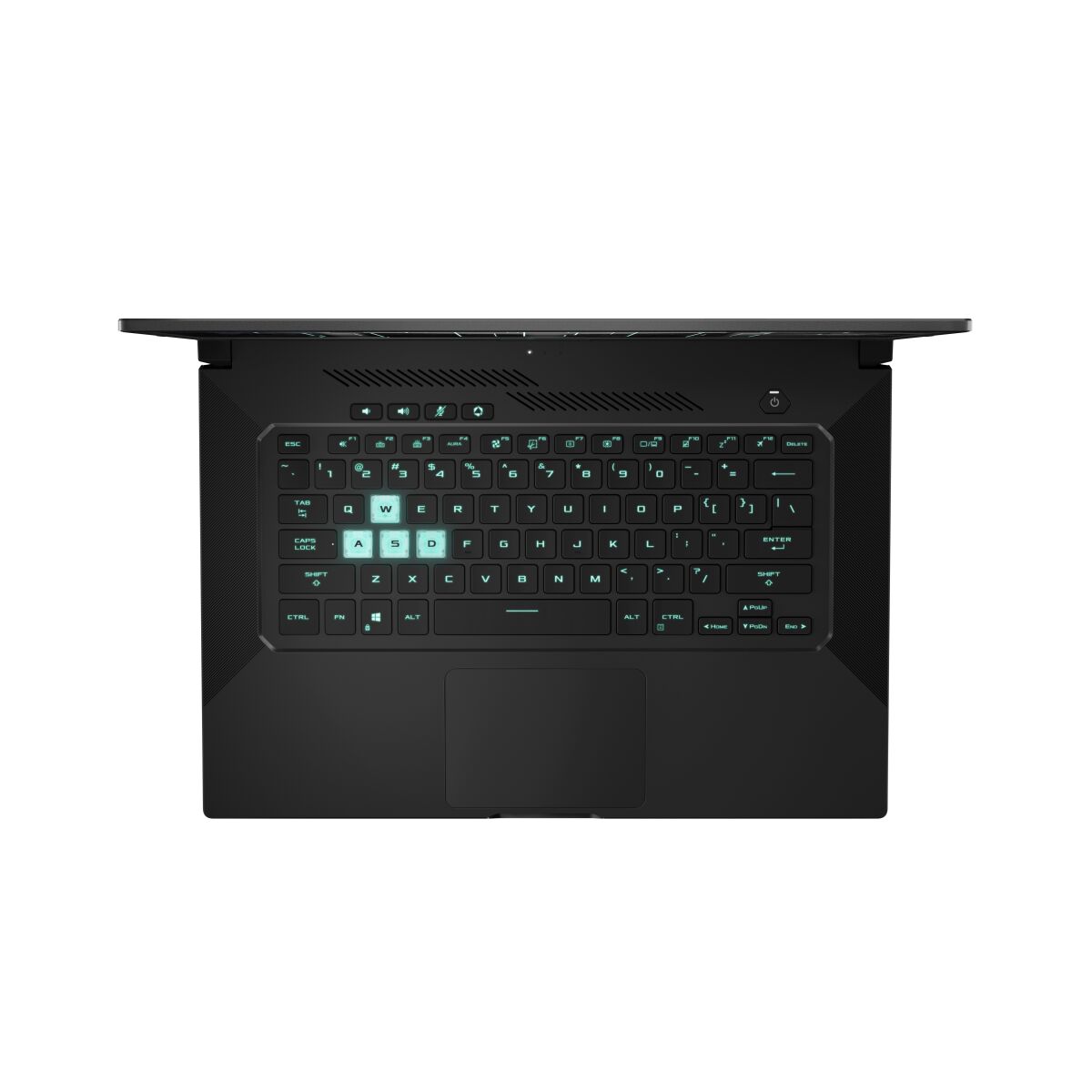
ASUS TUF Gaming F15 FX516PR-HN002T RAM upgrade specifications include DDR4-SDRAM memory compatible with 3200 MHz frequency. The laptop features one SO-DIMM slot for memory expansion, with maximum RAM capacity of 32 GB. Memory configuration comprises on-board integrated memory plus expandable SO-DIMM module. Specifications indicate single slot upgrade configuration supporting DDR4 technology standards.
Memory Upgrade Specifications
| Specification | Value |
|---|---|
| Memory slots | 1x SO-DIMM |
| Form factor | On-board + SO-DIMM |
| Memory type | DDR4-SDRAM |
| Frequency | 3200 MHz |
| Maximum RAM | 32 GB |
| Voltage | 1.2V |
| Number of pins | 260-pin |
| Interface | PC4 |
| PC Speed Rating | PC4-3200 (PC4-25600) |
| Bandwidth | 25.6 GB/s |
| Laptop Release date | 23 April 2021 |
Additional Notes
- The presence of on-board memory combined with a single 1x SO-DIMM expansion slot results in an asymmetric memory configuration when modules of different capacities are paired.
- Dual-channel performance is limited to a matched capacity threshold, after which the remaining memory operates in single-channel mode, potentially impacting high-bandwidth gaming or rendering tasks.
- The ASUS TUF Gaming FX516PR-HN002T utilizes a soldered base memory architecture that cannot be replaced or repaired, making the 32 GB maximum capacity dependent on the specific density of the integrated chips.
- Installing a module with a frequency higher than 3200 MHz will result in automatic downclocking to match the hard-coded speed of the soldered memory chips.
- Total system memory capacity is restricted by the single physical expansion point, requiring the removal of the existing module to facilitate any capacity increase.
- Latency timings will synchronize to the highest common denominator between the fixed on-board RAM and the user-installed SO-DIMM, which may lead to suboptimal CAS latency if the timings are mismatched.
- Physical access to the memory slot requires the removal of the bottom chassis panel, which requires careful handling of internal ribbon cables and localized thermal pads.