ASUS TUF Gaming PX507ZV4-HQ116X RAM upgrade specifications
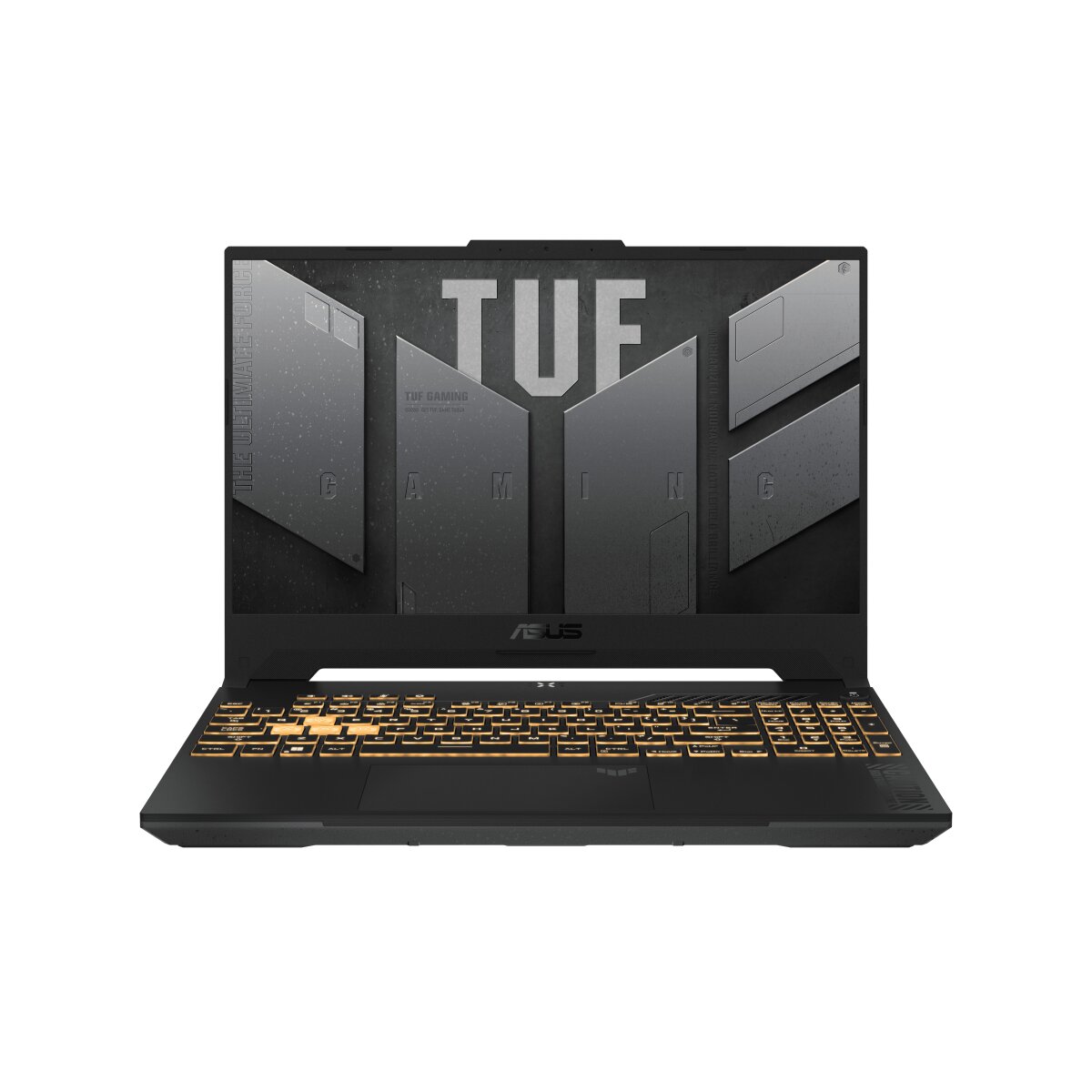
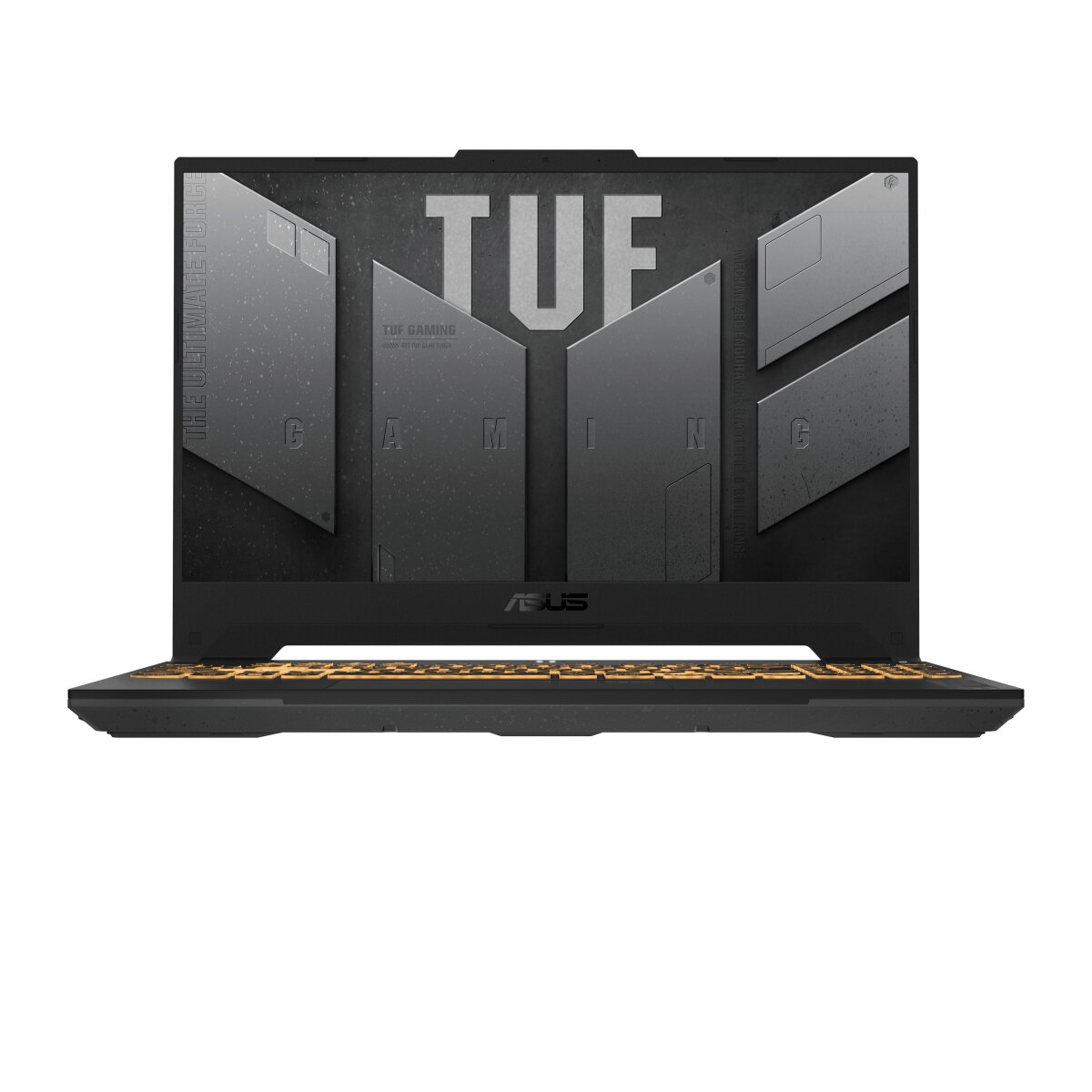
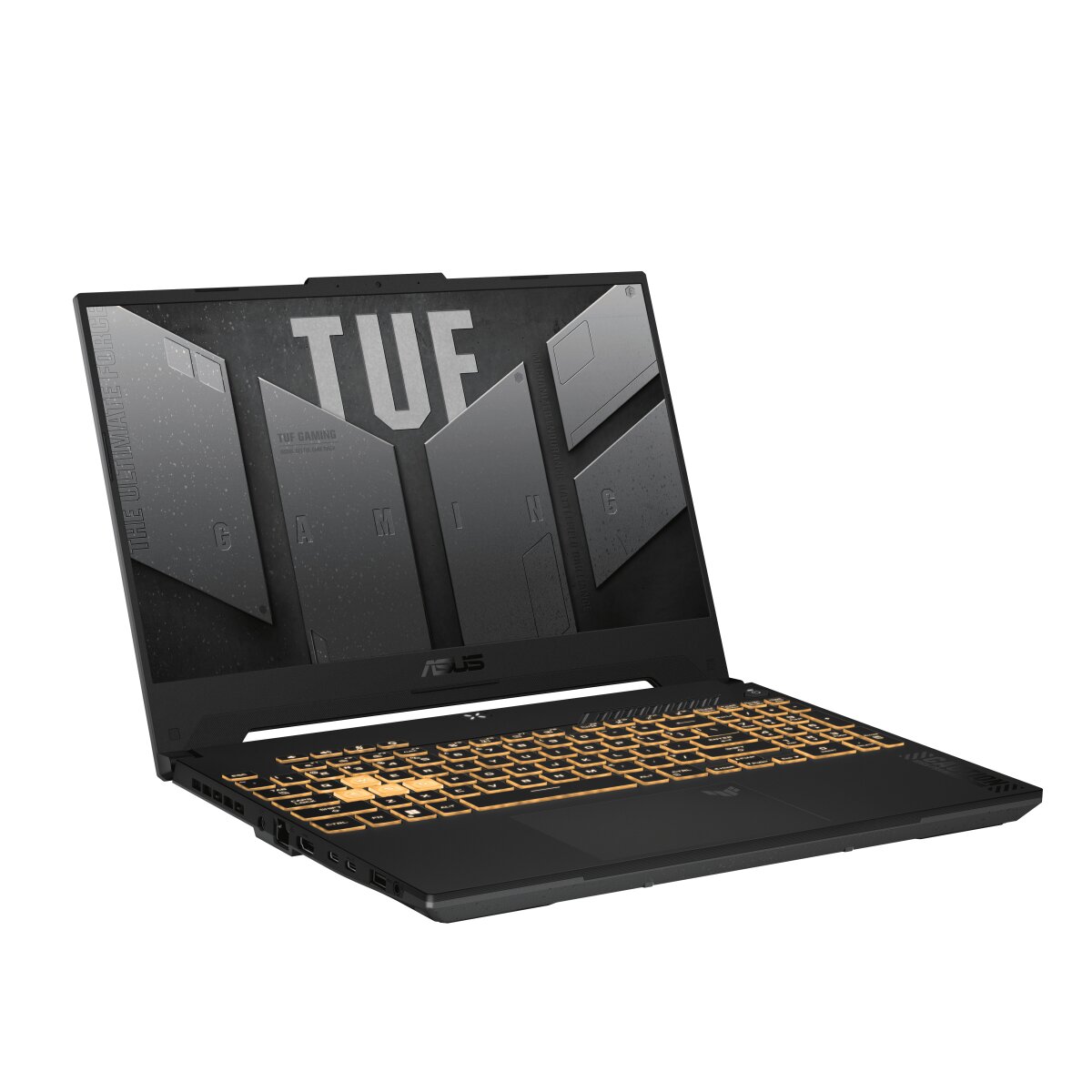
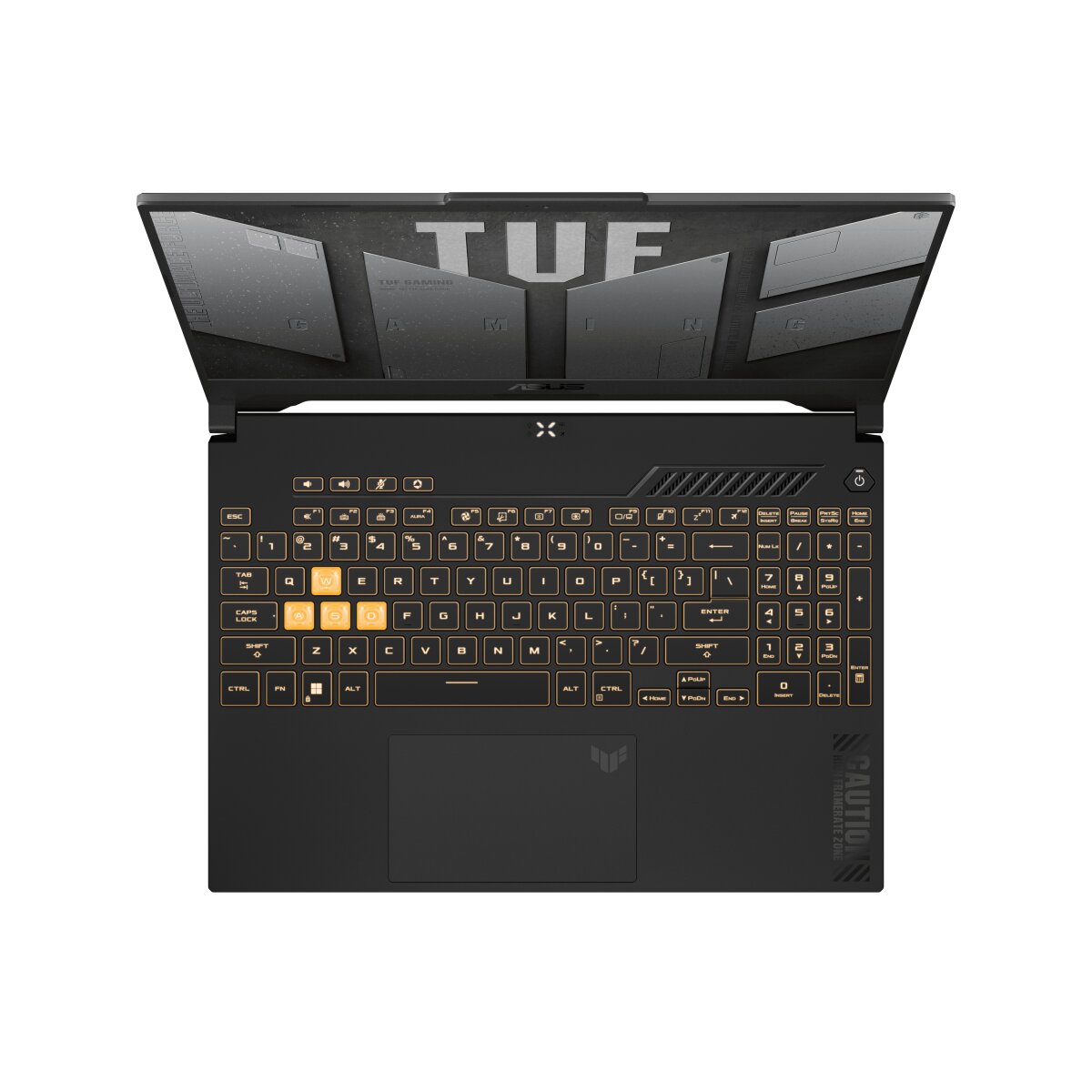
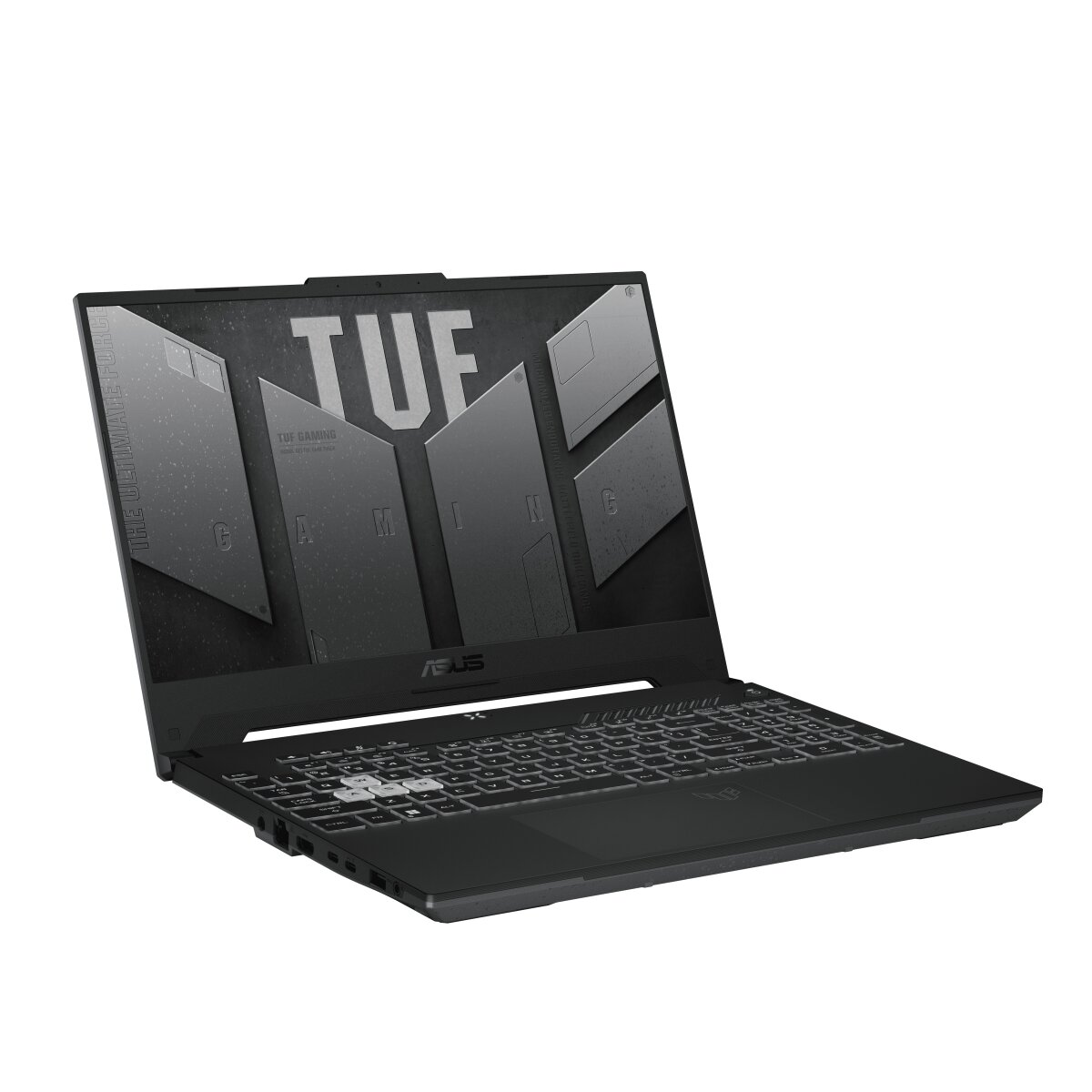
ASUS TUF Gaming F15 series model PX507ZV4-HQ116X supports DDR4-SDRAM memory upgrades. The laptop features 2x SO-DIMM slots with maximum RAM capacity of 32 GB. Compatible memory operates at 3200 MHz frequency. Specifications indicate SO-DIMM form factor for memory modules. The upgrade configuration supports up to 16 GB per slot for maximum capacity. DDR4 memory specifications define compatible RAM for this TUF Gaming F15 model.
Memory Upgrade Specifications
| Specification | Value |
|---|---|
| Memory slots | 2x SO-DIMM |
| Form factor | SO-DIMM |
| Memory type | DDR4-SDRAM |
| Frequency | 3200 MHz |
| Maximum RAM | 32 GB |
| Voltage | 1.2V |
| Number of pins | 260-pin |
| Interface | PC4 |
| PC Speed Rating | PC4-3200 (PC4-25600) |
| Bandwidth | 25.6 GB/s |
| Laptop Release date | 22 March 2023 |
Additional Notes
- DDR4 technology limits this ASUS TUF Gaming PX507ZV4-HQ116X to a theoretical maximum bandwidth of 25.6 GB/s per channel, which may create bottlenecks in memory-intensive workloads compared to DDR5 implementations.
- The 32 GB ceiling requires dual 16 GB modules in both slots, preventing future expansion beyond this threshold without complete memory replacement.
- SO-DIMM form factor compatibility restricts module selection to laptop-specific variants, which typically carry higher per-gigabyte costs than desktop DIMM equivalents at identical specifications.
- Operating at 3200 MHz necessitates CL22 or lower latency modules to maintain optimal timing ratios, as higher CAS latencies introduce performance degradation in latency-sensitive applications.
- Dual-channel population enables aggregate bandwidth of 51.2 GB/s, but mismatched module capacities force single-channel operation and halve this throughput.
- Non-ECC DDR4 architecture provides no error correction capabilities, making this configuration unsuitable for applications requiring data integrity verification.
- Access panel location determines whether memory upgrades qualify as user-serviceable maintenance or require warranty-voiding disassembly of primary chassis components.
- Mixing modules with different voltage requirements (1.2V vs 1.35V) can cause instability or force the system to operate all modules at the higher voltage specification.
- Occupied slot configuration affects heat dissipation patterns, as fully populated dual-channel arrangements may require additional cooling consideration in sustained high-load scenarios.
- JEDEC-standard DDR4-3200 compatibility ensures broad module availability, though XMP-profiled gaming modules offer no advantage without BIOS support for overclocking profiles.