ASUS TUF Gaming PX507VV4-LP098X RAM upgrade specifications
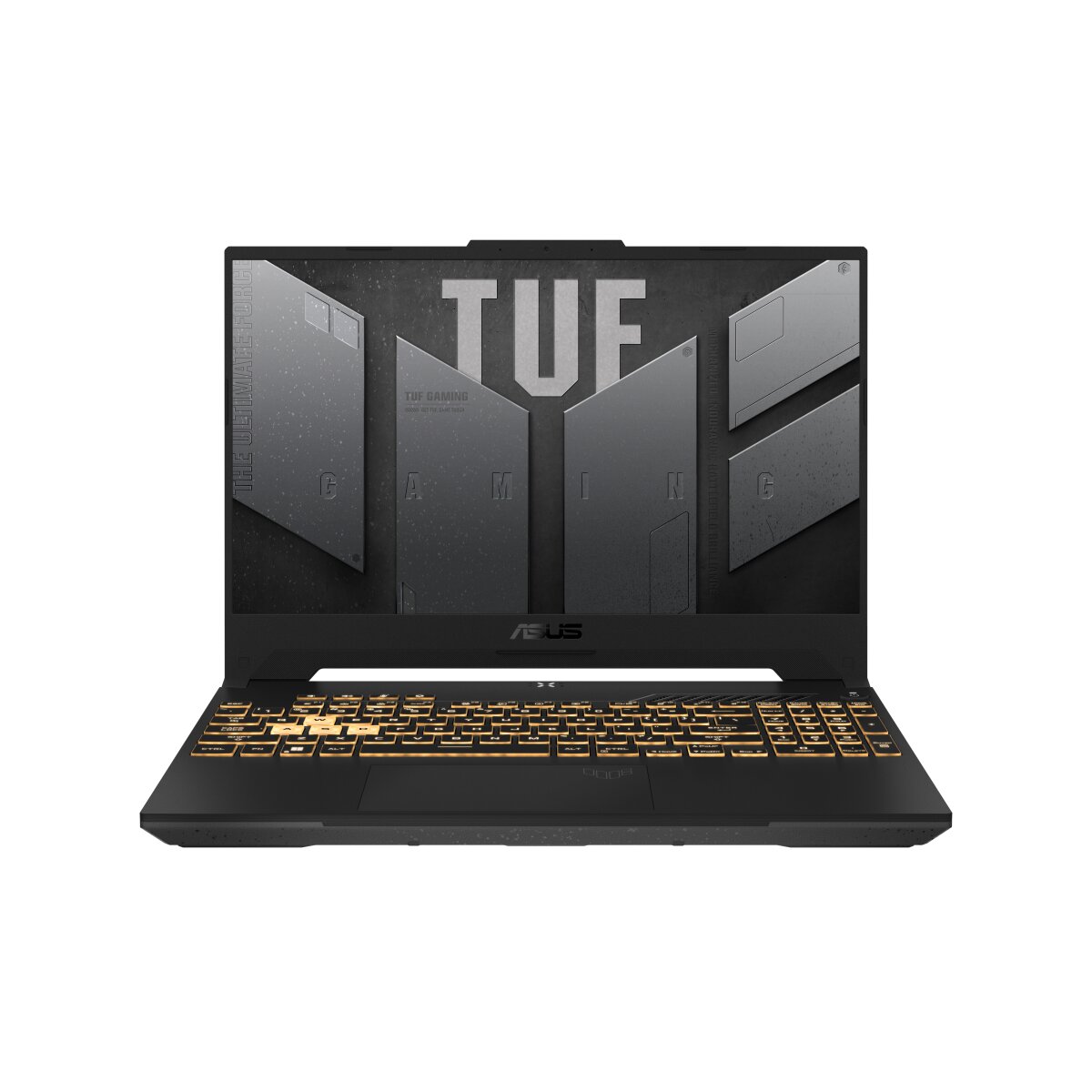
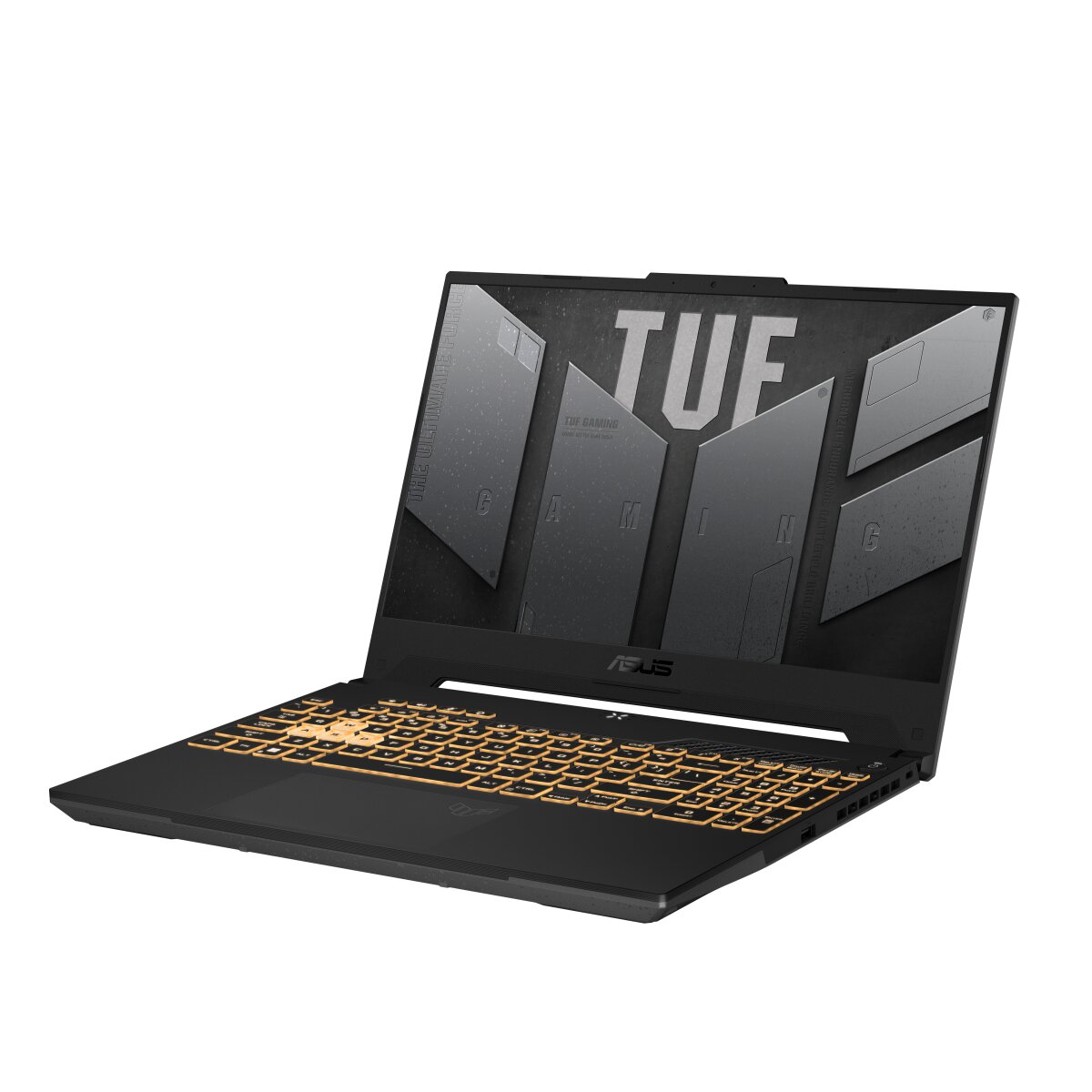
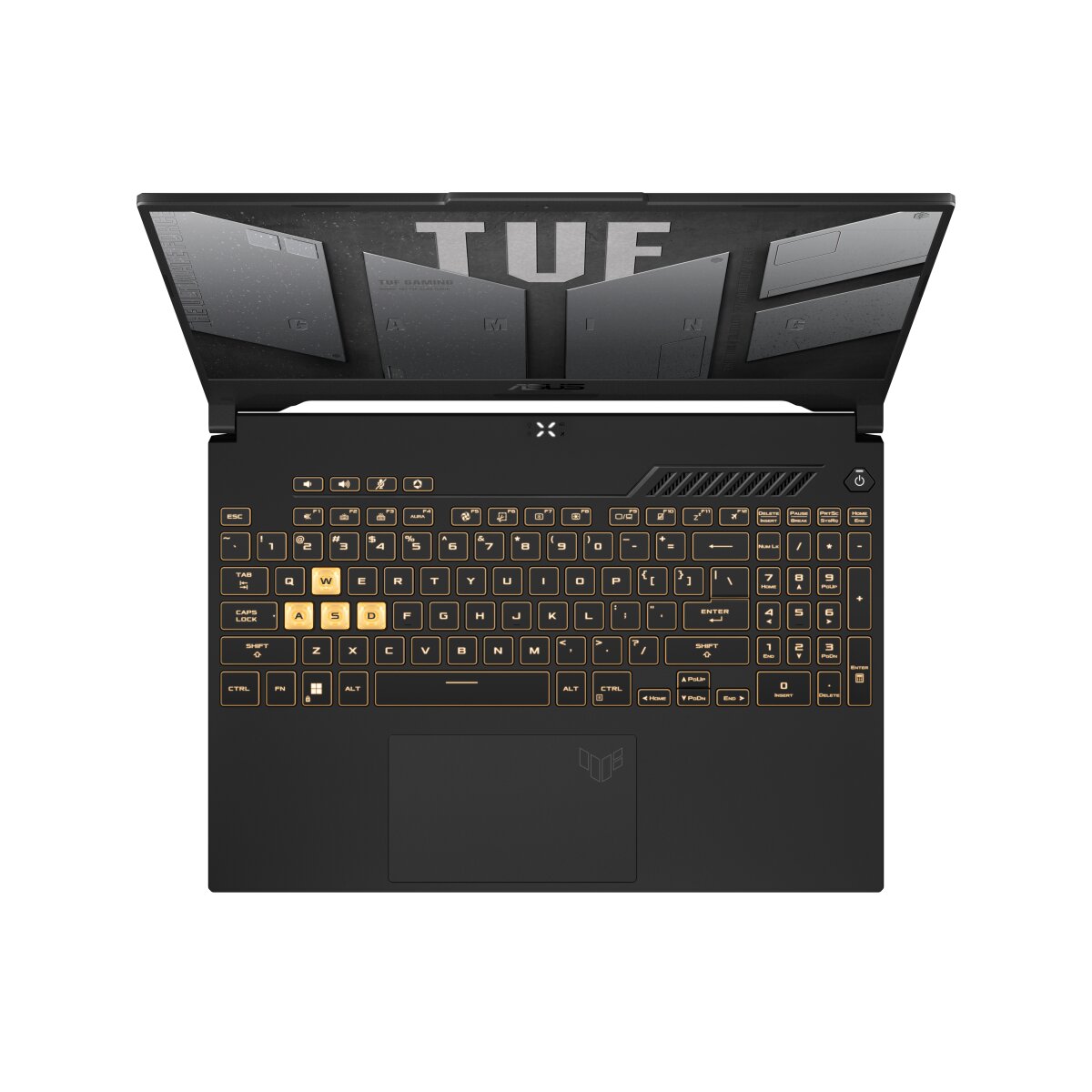
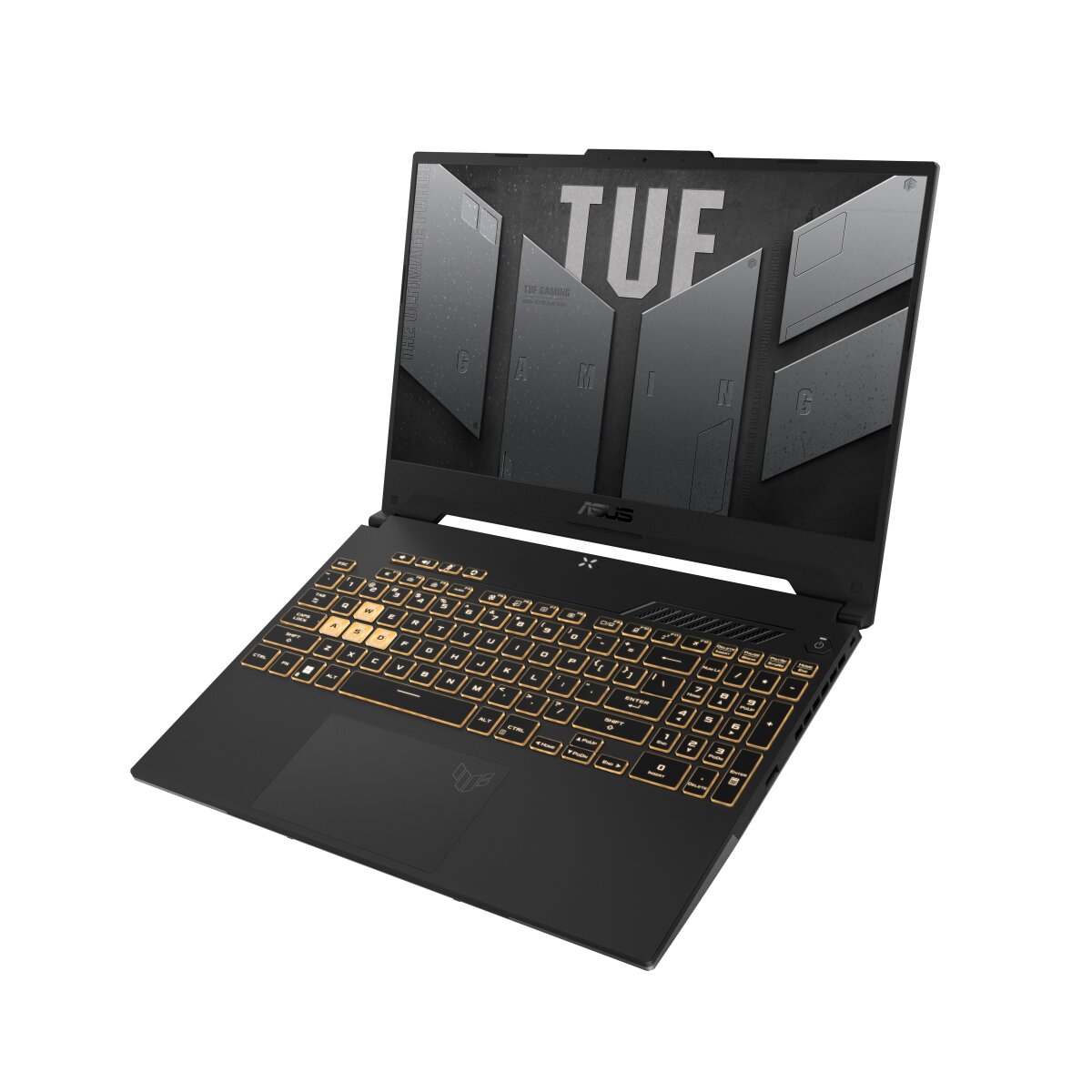
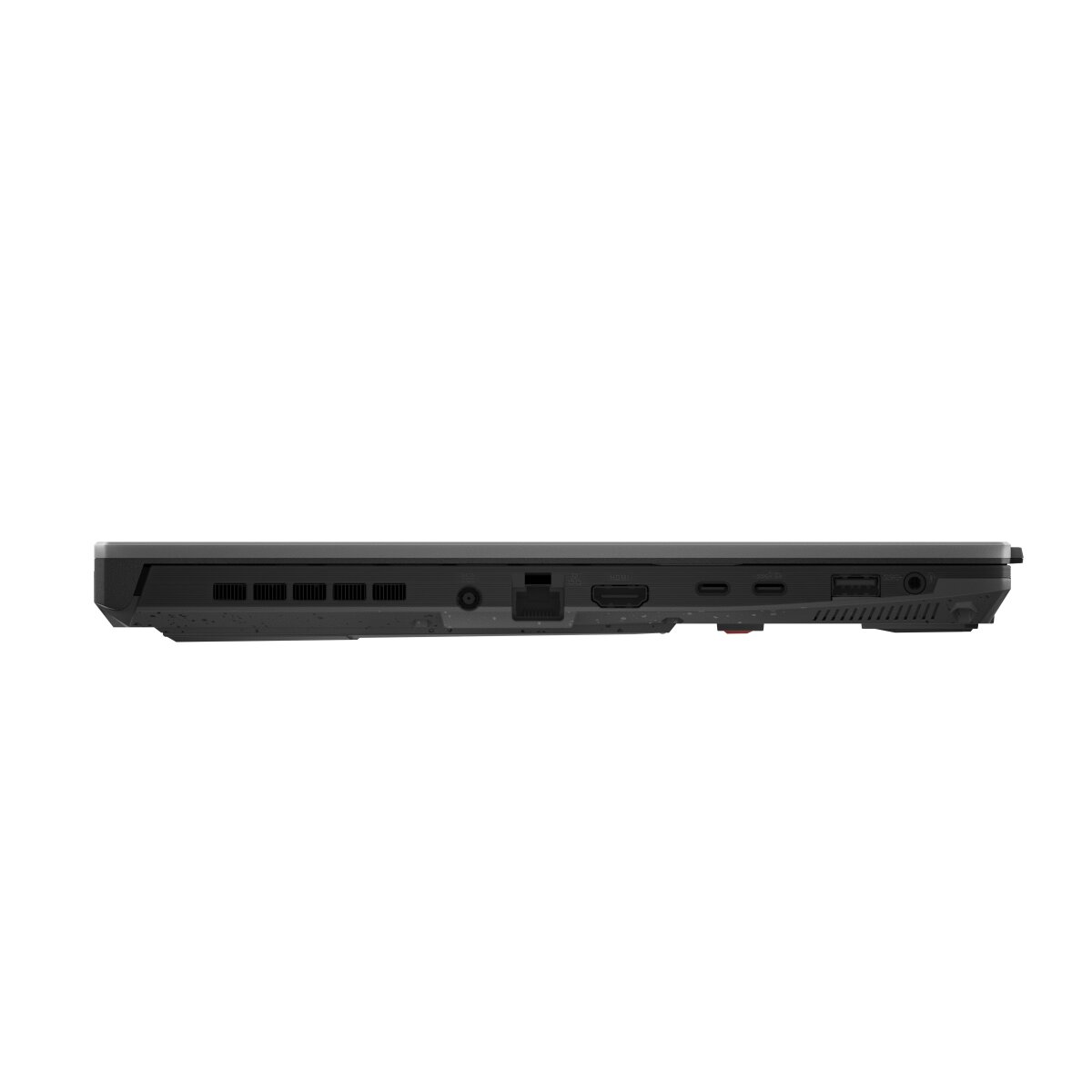
ASUS TUF Gaming F15 PX507VV4-LP098X laptop features DDR4-SDRAM memory specifications supporting RAM upgrades through dual SO-DIMM slots. Compatible memory includes DDR4 modules at 3200 MHz frequency. Maximum memory capacity supported reaches 32 GB total. Specifications indicate two upgrade slots available for memory expansion, allowing users to install compatible DDR4-SDRAM SO-DIMM modules up to stated maximum capacity limits. Memory upgrade compatibility requires DDR4-SDRAM modules conforming to SO-DIMM form factor and 3200 MHz operational frequency.
Memory Upgrade Specifications
| Specification | Value |
|---|---|
| Memory slots | 2x SO-DIMM |
| Form factor | SO-DIMM |
| Memory type | DDR4-SDRAM |
| Frequency | 3200 MHz |
| Maximum RAM | 32 GB |
| Voltage | 1.2V |
| Number of pins | 260-pin |
| Interface | PC4 |
| PC Speed Rating | PC4-3200 (PC4-25600) |
| Bandwidth | 25.6 GB/s |
| Laptop Release date | 22 March 2023 |
Additional Notes
- The DDR4-SDRAM architecture in this ASUS TUF Gaming PX507VV4-LP098X restricts forward compatibility with newer DDR5 modules due to fundamental differences in slot keying, voltage requirements, and signaling protocols.
- Peak theoretical memory bandwidth reaches 51.2 GB/s when both slots operate in dual-channel mode at 3200 MHz, though asymmetric population degrades this to single-channel performance.
- The 32 GB ceiling necessitates installing 2 modules of 16 GB each to reach maximum capacity, as single 32 GB SO-DIMM modules exceed the controller's per-slot density limit.
- SO-DIMM physical dimensions differ from standard DIMM modules used in desktop systems, preventing interchange between laptop and tower platforms despite electrical compatibility.
- Installing modules faster than 3200 MHz results in automatic downclocking to this native frequency, wasting the cost premium of higher-speed memory.
- Mixed-capacity configurations maintain functionality but force the memory controller to operate in flex mode rather than optimized dual-channel, introducing minor latency penalties.
- Non-volatile module specifications like CAS latency and XMP profiles matter less on this platform compared to desktop systems, as laptop BIOSes typically enforce conservative timing profiles regardless of module capabilities.
- Accessing the SO-DIMM slots requires bottom panel removal, which on many modern laptops voids manufacturer warranties unless performed by authorized service centers.
- Heat dissipation characteristics of SO-DIMM modules without aftermarket heatspreaders rely entirely on chassis airflow, making ambient cooling design critical during sustained high-bandwidth operations.
- Mixing modules from different manufacturers introduces potential stability risks from variance in chip binning and PCB design, though JEDEC standards minimize these incompatibilities.
- The 3200 MHz specification represents the JEDEC standard speed rather than an overclocked profile, eliminating stability concerns associated with running memory beyond validated specifications.