ASUS TUF Gaming PX507ZV4-LP143X RAM upgrade specifications
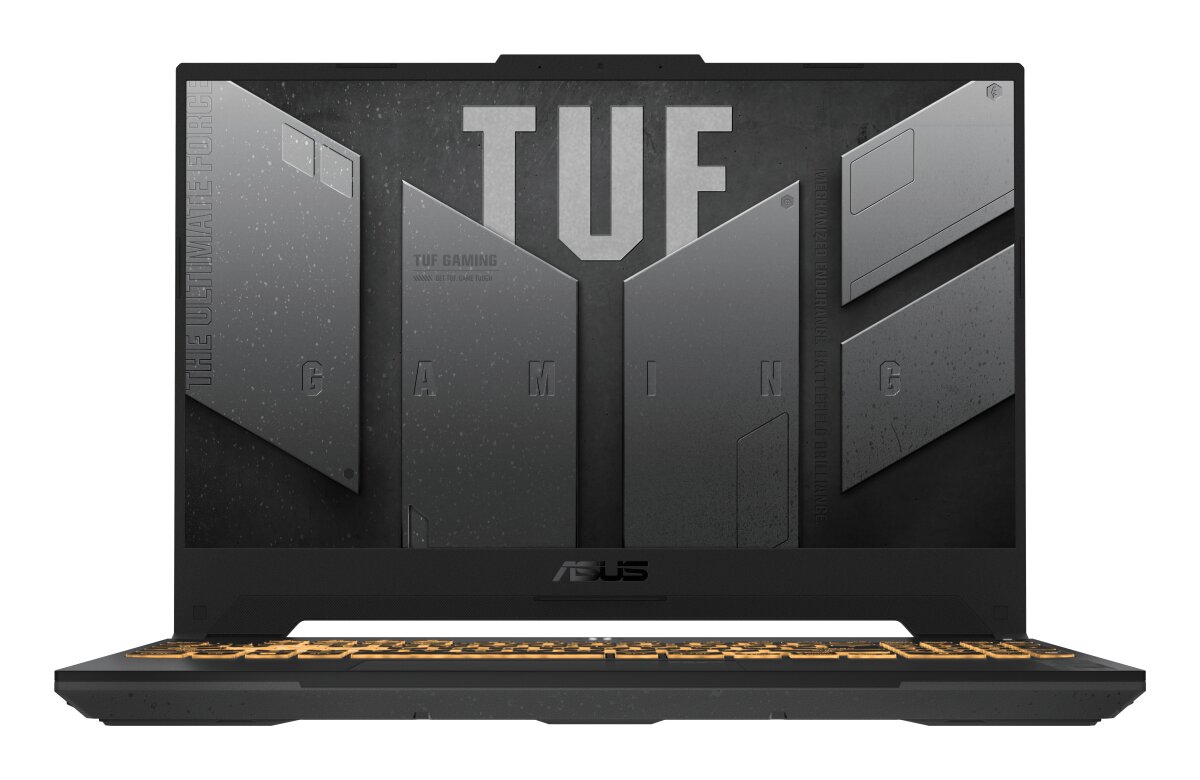



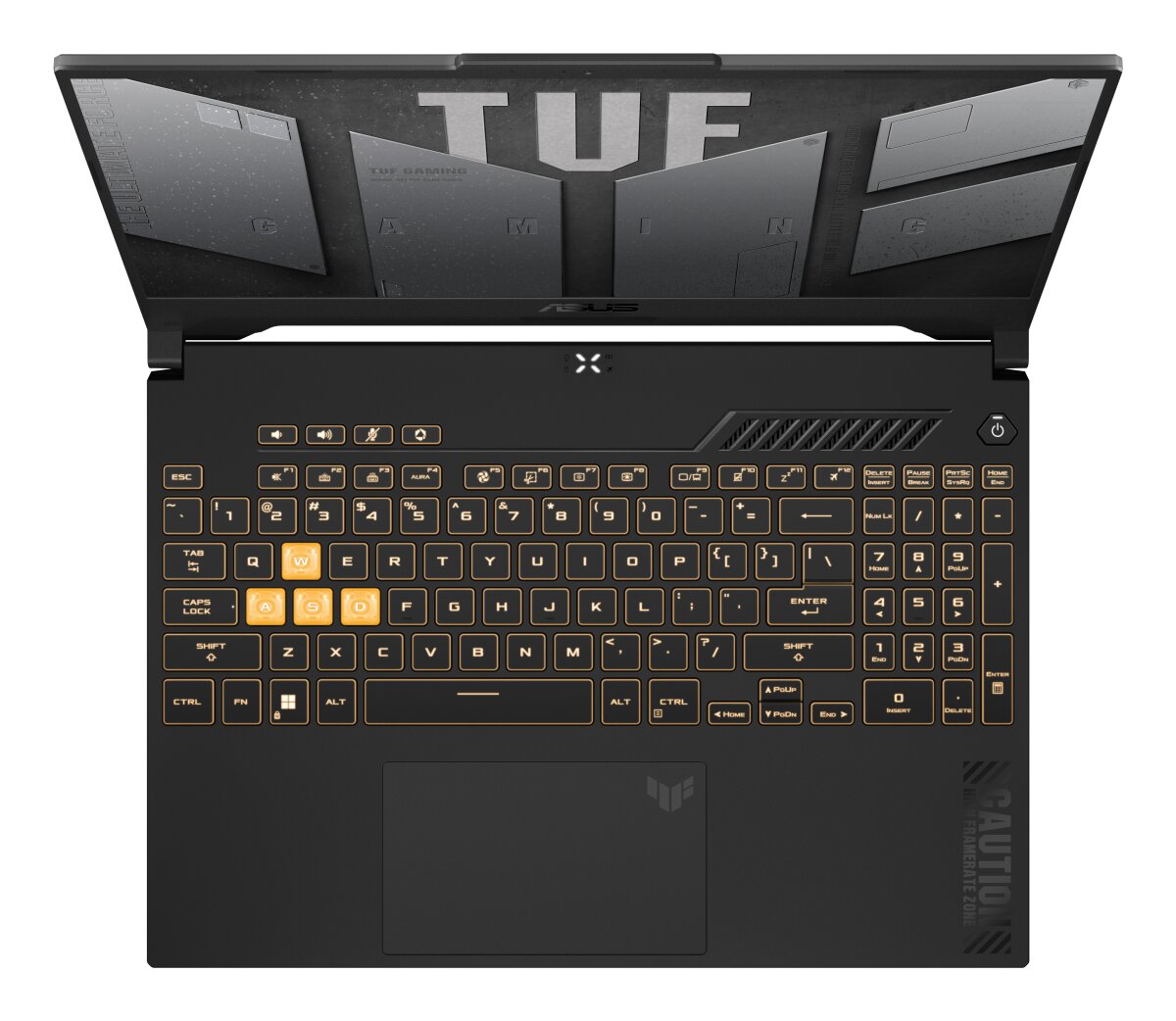
ASUS TUF Gaming F15 PX507ZV4-LP143X supports DDR4-SDRAM memory upgrades through two SO-DIMM slots. Maximum RAM capacity reaches 32 GB total. Compatible memory operates at 3200 MHz frequency. Specifications indicate SO-DIMM form factor for RAM modules. Upgrade options allow expansion from factory configuration to maximum supported capacity across available memory slots.
Memory Upgrade Specifications
| Specification | Value |
|---|---|
| Memory slots | 2x SO-DIMM |
| Form factor | SO-DIMM |
| Memory type | DDR4-SDRAM |
| Frequency | 3200 MHz |
| Maximum RAM | 32 GB |
| Voltage | 1.2V |
| Number of pins | 260-pin |
| Interface | PC4 |
| PC Speed Rating | PC4-3200 (PC4-25600) |
| Bandwidth | 25.6 GB/s |
Additional Notes
- The 2x SO-DIMM slot configuration in the ASUS TUF Gaming PX507ZV4-LP143X supports symmetric dual-channel architecture, meaning both slots must be populated with identical capacity modules to achieve rated memory bandwidth. Mismatched capacities will function but operate in single-channel mode on the smaller module's capacity.
- DDR4-3200 MHz frequency represents the JEDEC standard for this memory generation. Modules rated higher than 3200 MHz will downclock to 3200 MHz unless BIOS overclocking profiles are manually enabled, which may void warranty coverage on non-qualified components.
- The 32 GB maximum capacity ceiling (16 GB per slot) restricts future expansion beyond this point without complete module replacement. Upgrading from 8 GB to 16 GB per slot captures the full addressable memory range without requiring retention of the original modules.
- SO-DIMM form factor is soldered to the system board with keyed notches that prevent physical installation of incompatible memory types (DDR3, DDR5) or incorrectly oriented modules, eliminating accidental incompatibility during installation.
- The 64-bit data bus connected to DDR4-3200 modules delivers approximately 51.2 GB/s theoretical bandwidth. This throughput becomes a performance constraint for memory-intensive workloads when paired with high-core-count processors, as the gap between processor cache bandwidth and main memory bandwidth widens.