ASUS TUF Gaming FX507ZV4-LP058 RAM upgrade specifications




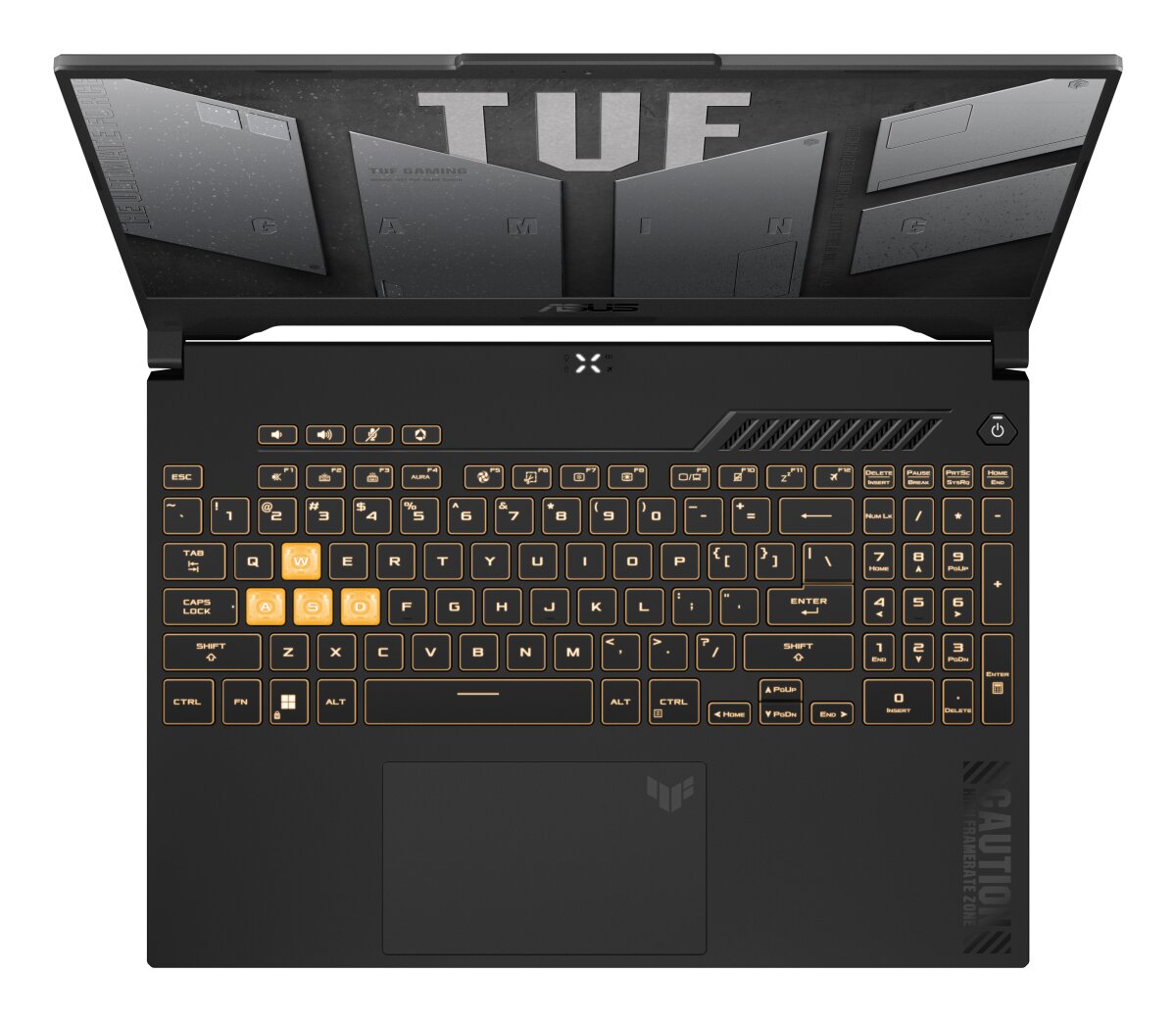
ASUS TUF Gaming F15 model FX507ZV4-LP058 supports DDR4-SDRAM memory upgrades with maximum capacity of 32 GB across 2 SO-DIMM slots. Compatible memory operates at 3200 MHz frequency. Specifications enable RAM upgrade configurations up to the 32 GB maximum limit using standard SO-DIMM form factor memory modules. DDR4-SDRAM upgrades provide performance enhancement for gaming and professional applications on this laptop model.
Memory Upgrade Specifications
| Specification | Value |
|---|---|
| Memory slots | 2x SO-DIMM |
| Form factor | SO-DIMM |
| Memory type | DDR4-SDRAM |
| Frequency | 3200 MHz |
| Maximum RAM | 32 GB |
| Voltage | 1.2V |
| Number of pins | 260-pin |
| Interface | PC4 |
| PC Speed Rating | PC4-3200 (PC4-25600) |
| Bandwidth | 25.6 GB/s |
Additional Notes
- The DDR4-3200 specification indicates this ASUS TUF Gaming FX507ZV4-LP058 cannot accept DDR5 modules, eliminating future-generation memory as an upgrade option regardless of physical compatibility.
- The 32 GB ceiling across 2 slots requires 16 GB modules per slot to reach maximum capacity, as mixing densities would leave performance on the table.
- SO-DIMM form factor limits thermal headroom compared to full-size DIMMs, potentially causing throttling under sustained loads if high-density modules generate excessive heat in the confined laptop chassis.
- Dual-channel operation depends on populating both slots with matched modules; a single-stick configuration would halve memory bandwidth even if total capacity appears sufficient.
- The 3200 MHz frequency represents JEDEC standard speed rather than overclocked XMP profiles, meaning stability remains vendor-guaranteed but leaves no headroom for frequency tuning.
- Voltage requirements for DDR4-3200 typically settle at 1.2V, reducing compatibility issues with low-voltage-only systems but preventing use of performance-oriented 1.35V modules sometimes marketed for gaming laptops.
- The SO-DIMM slot mechanism lacks the reinforcement of desktop DIMM slots, making insertion force and retention clip durability potential failure points after multiple upgrade cycles.
- Accessing both memory slots may require full motherboard removal depending on chassis design, transforming a simple upgrade into a warranty-risk procedure if internal ribbon cables sustain damage.
- Mismatched CAS latency between existing and new modules forces the memory controller to adopt the slower timing across all sticks, negating any performance advantage from premium-grade replacements.
- The 3200 MHz specification assumes the CPU's memory controller supports this speed natively; pairing with older or lower-tier processors could force downclocking to 2933 MHz or 2666 MHz.