ASUS TUF Gaming TUF506HC-HN131T RAM upgrade specifications
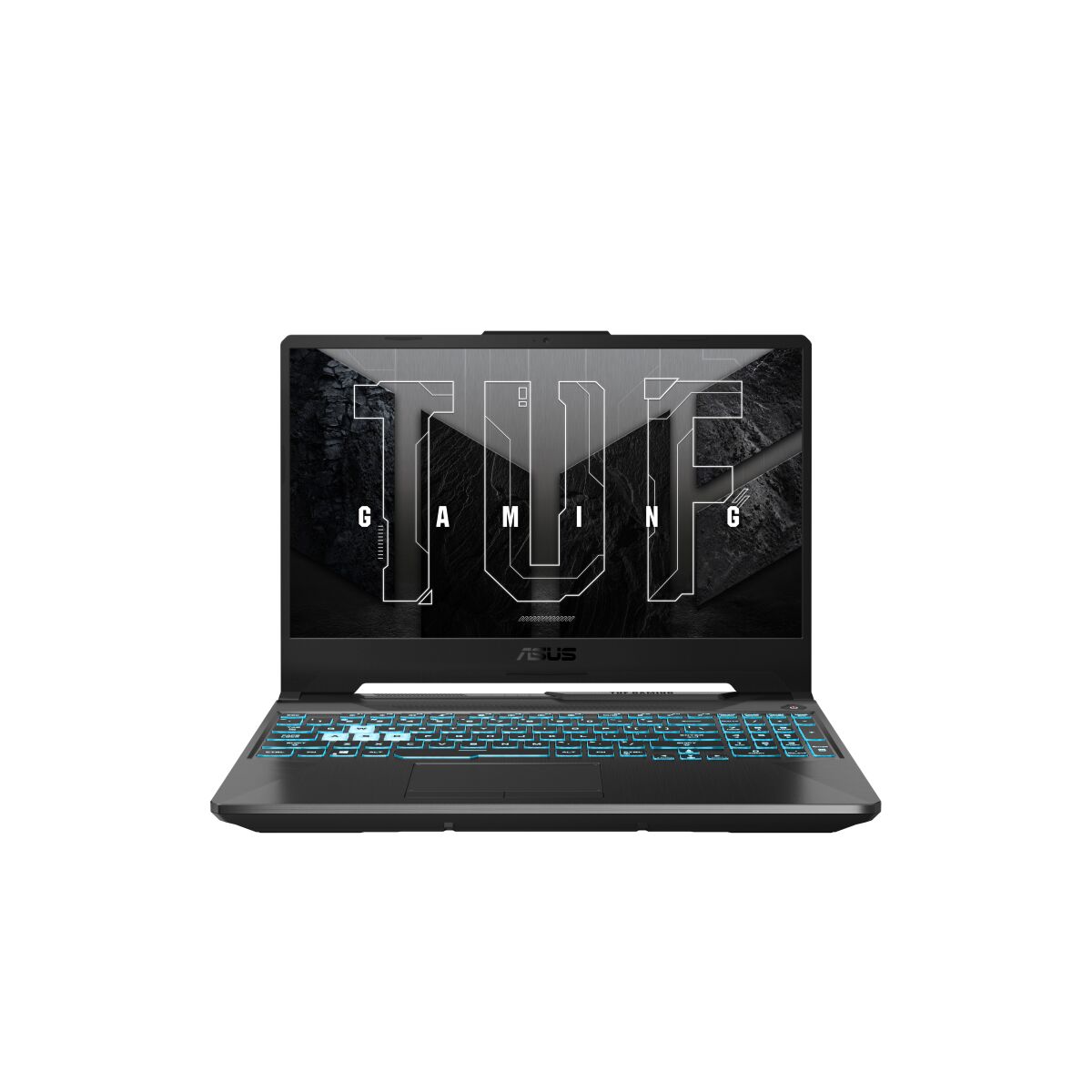



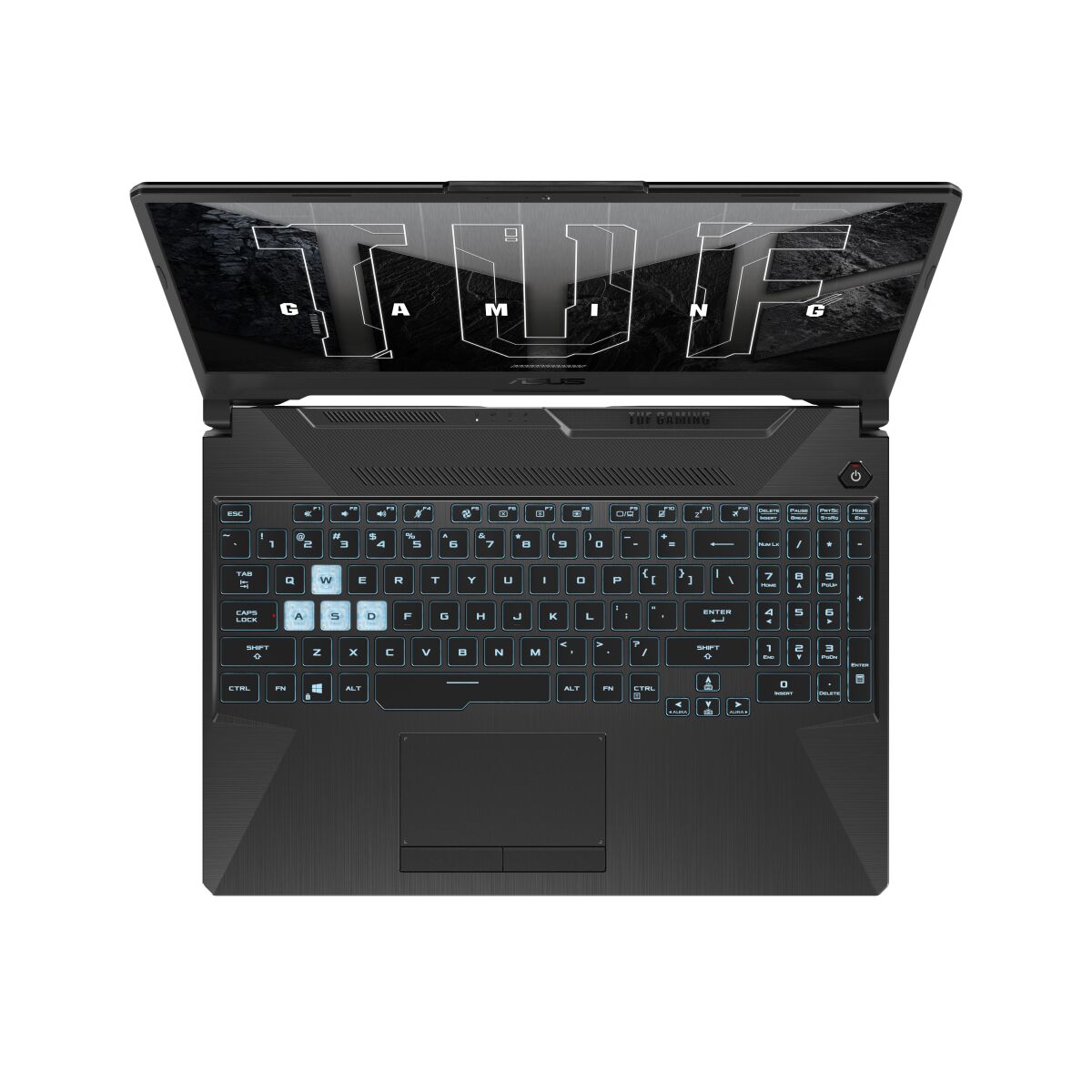
ASUS TUF Gaming F15 series model TUF506HC-HN131T features DDR4-SDRAM memory upgrade capabilities. The laptop contains 2x SO-DIMM memory slots supporting maximum RAM capacity of 32 GB. Compatible upgrades utilize SO-DIMM form factor DDR4 modules operating at 2933 MHz frequency. Memory specifications enable flexible upgrade configurations to enhance system performance and multitasking capacity on this gaming-focused platform.
Memory Upgrade Specifications
| Specification | Value |
|---|---|
| Memory slots | 2x SO-DIMM |
| Form factor | SO-DIMM |
| Memory type | DDR4-SDRAM |
| Frequency | 2933 MHz |
| Maximum RAM | 32 GB |
| Voltage | 1.2V |
| Number of pins | 260-pin |
| Interface | PC4 |
| PC Speed Rating | PC4-2933 (PC4-23464) |
| Bandwidth | 23.5 GB/s |
| Laptop Release date | 25 May 2021 |
Additional Notes
- The ASUS TUF Gaming TUF506HC-HN131T chipset enforces a 32 GB ceiling due to addressing limitations in the integrated memory controller, preventing recognition of higher-density modules even if physically compatible.
- DDR4-2933 operation requires JEDEC-compliant SPD programming, as XMP profiles designed for desktop platforms may cause POST failures or force fallback to lower JEDEC speeds in mobile architectures.
- Dual-channel bandwidth peaks at 46.9 GB/s when both SO-DIMM slots populate matching 2933 MHz modules, but mixing different speeds downgrades all modules to the lowest common frequency.
- Single-rank versus dual-rank module topology affects interleaving efficiency, with dual-rank configurations sometimes yielding 5-10% higher throughput in memory-intensive workloads despite identical capacity and frequency ratings.
- SO-DIMM installation requires bottom panel removal on this chassis design, which typically voids seals on manufacturer warranty labels unless regional consumer protection laws explicitly permit user-serviceable RAM access.
- Thermal headroom in compact gaming enclosures favors modules with maximum 1.2V operating voltage, as higher-voltage DDR4 variants generate additional heat that may trigger thermal throttling during sustained CPU/GPU loads.
- Mixing module capacities between slots maintains functionality but prevents symmetric interleaving, forcing the memory controller into flex mode with asymmetric channel population and reduced parallelism.
- Native 2933 MHz support eliminates manual BIOS tuning requirements, but modules rated at higher speeds like 3200 MHz will automatically downclock without performance penalty beyond the unused frequency headroom.
- Maximum configuration utilizing 2x16 GB modules leaves no expansion path for future upgrades, making initial capacity planning critical for workloads with growing memory footprints.
- Mismatched CAS latencies between modules force synchronization to the slower timing value, introducing nanosecond-level delays that compound in latency-sensitive applications like simulation or real-time rendering.