ASUS TUF Gaming TUF506HC-HN185W RAM upgrade specifications
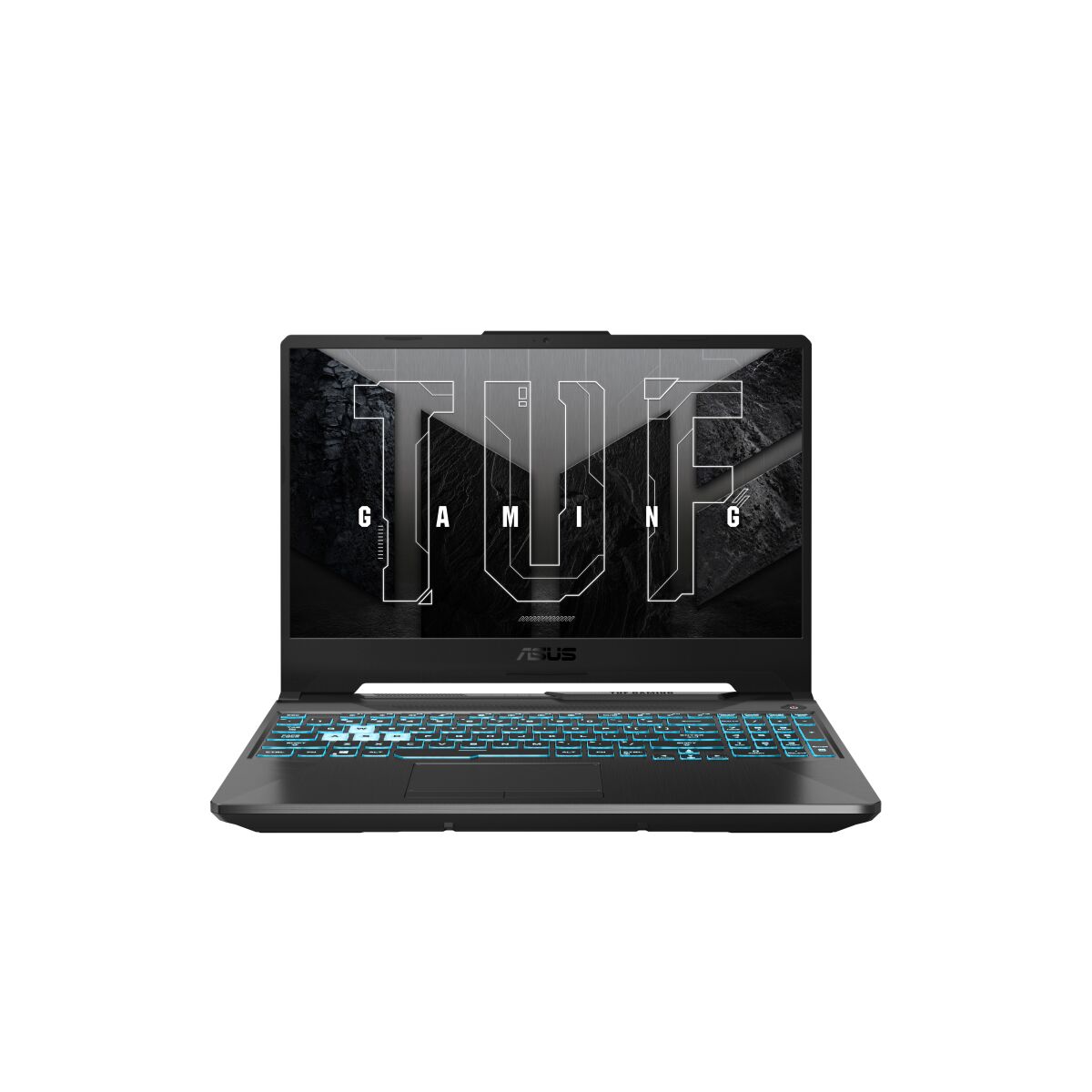



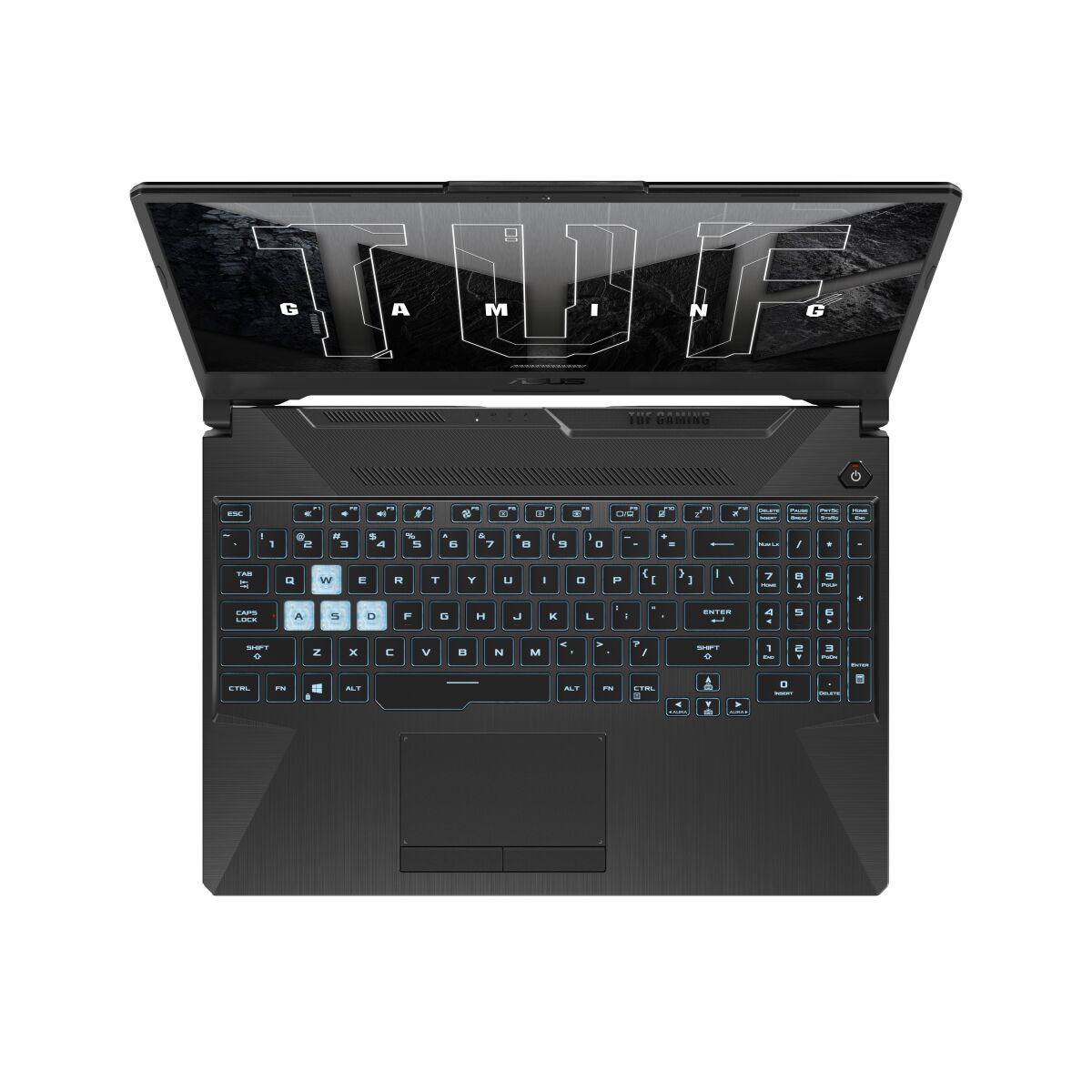
ASUS TUF Gaming F15 series model TUF506HC-HN185W features DDR4-SDRAM memory upgrade specifications. The laptop contains 2x SO-DIMM slots for RAM expansion. Maximum supported capacity reaches 32 GB total memory. Compatible upgrades use SO-DIMM form factor modules operating at 2933 MHz frequency. Memory specifications enable hardware expansion to enhance system performance and multitasking capabilities.
Memory Upgrade Specifications
| Specification | Value |
|---|---|
| Memory slots | 2x SO-DIMM |
| Form factor | SO-DIMM |
| Memory type | DDR4-SDRAM |
| Frequency | 2933 MHz |
| Maximum RAM | 32 GB |
| Voltage | 1.2V |
| Number of pins | 260-pin |
| Interface | PC4 |
| PC Speed Rating | PC4-2933 (PC4-23464) |
| Bandwidth | 23.5 GB/s |
| Laptop Release date | 31 January 2022 |
Additional Notes
- The ASUS TUF Gaming TUF506HC-HN185W operates at DDR4-2933 MHz, which runs below standard JEDEC DDR4-3200 specifications. This creates a potential bottleneck where faster third-party RAM modules will throttle down to match the platform's native frequency, negating any performance gain from premium memory purchases.
- Dual SO-DIMM slot configuration limits upgrade flexibility. Maximum capacity reaches 32 GB total, requiring both slots to be populated with 16 GB modules. Filling one slot for partial upgrades leaves significant headroom unused and constrains future scalability compared to platforms supporting 64 GB or higher configurations.
- SO-DIMM form factor is laptop-specific and incompatible with desktop DDR4 modules. Replacement or expansion requires purchasing laptop-grade memory exclusively, eliminating any option to repurpose components from external systems.
- Upgrading from factory configurations to the 32 GB maximum requires removing the original memory modules entirely. Extraction of seated SO-DIMMs involves careful angled lever manipulation in confined laptop spaces; warranty coverage remains intact only if non-invasive installation procedures are followed without force or improper handling.
- Memory frequency of 2933 MHz suggests first-generation Ryzen or Intel 10th-generation mobile processors with corresponding memory controllers. Substituting modules with incompatible timings (CAS latency mismatches) or higher frequency variants may trigger BIOS errors or force automatic downclocking, potentially requiring manual CMOS reset or BIOS reflash to resolve.