ASUS TUF Gaming TUF506HE-DS74 RAM upgrade specifications
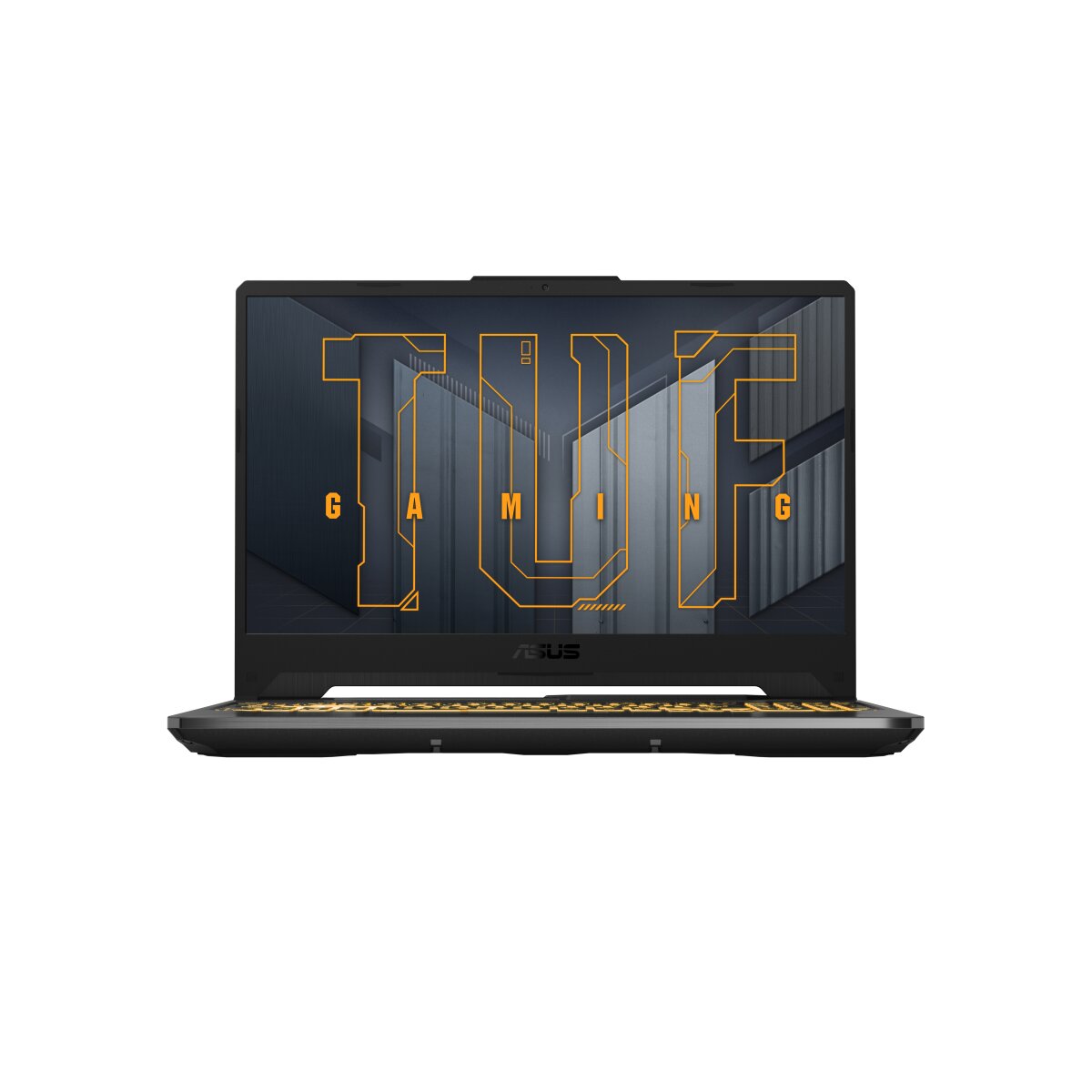
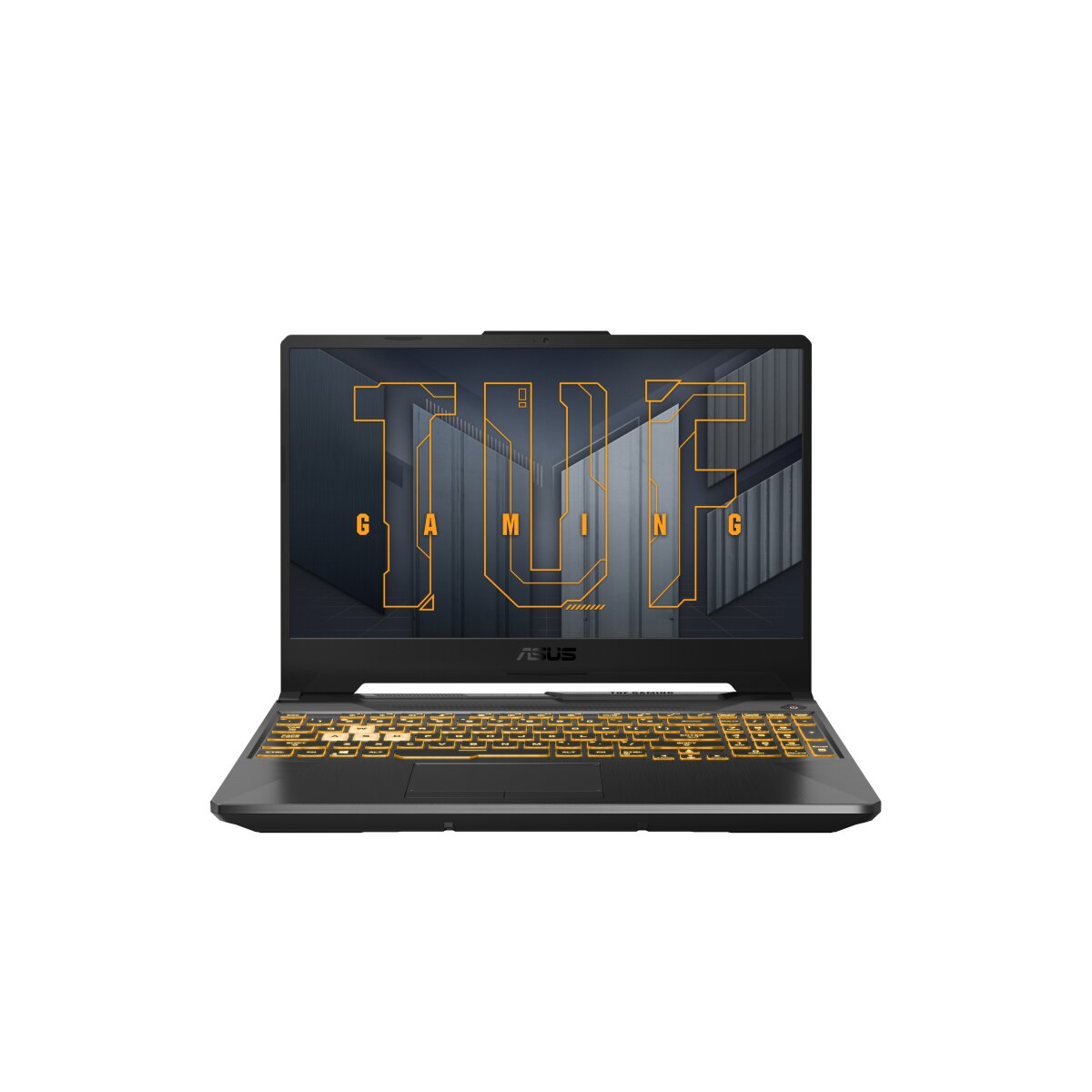
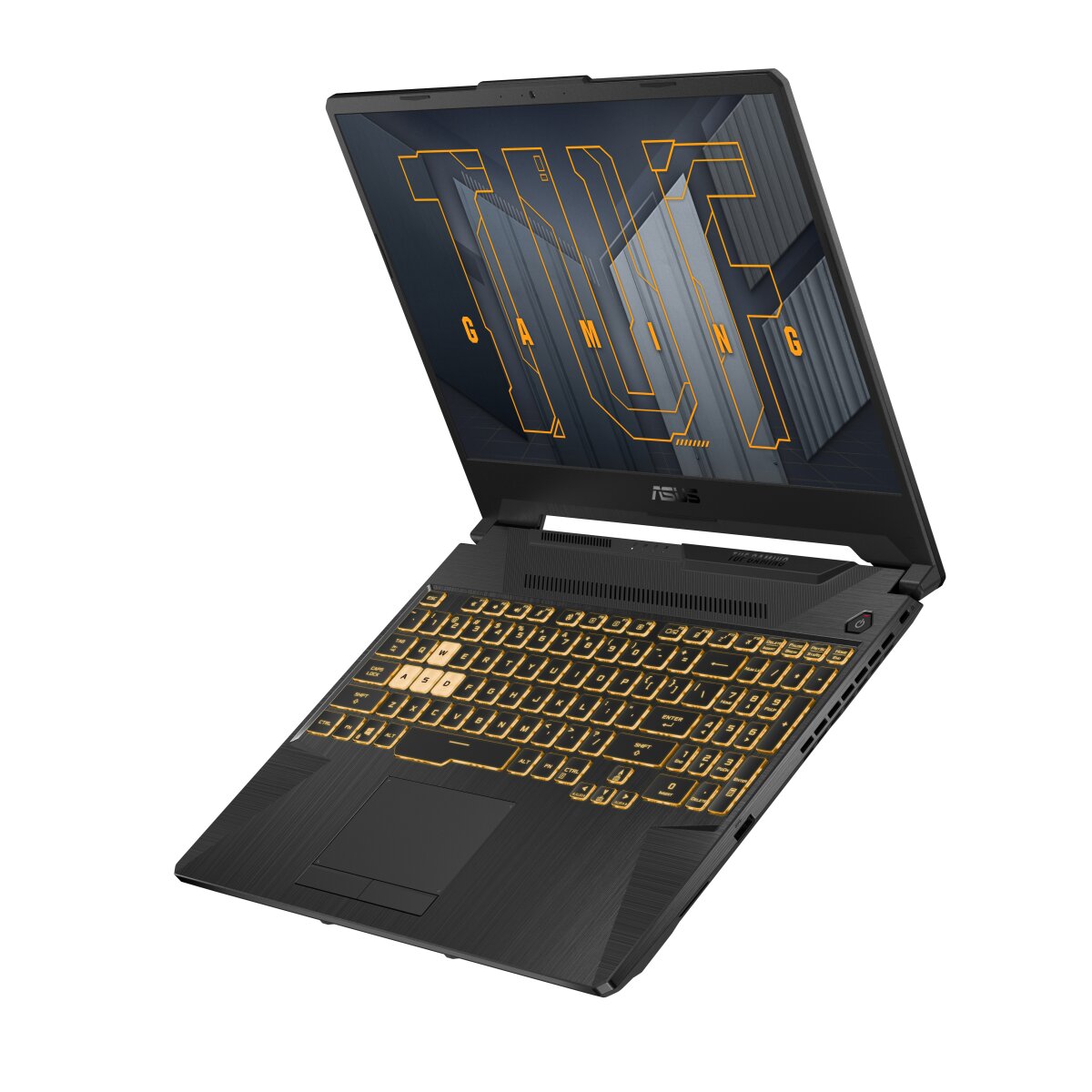
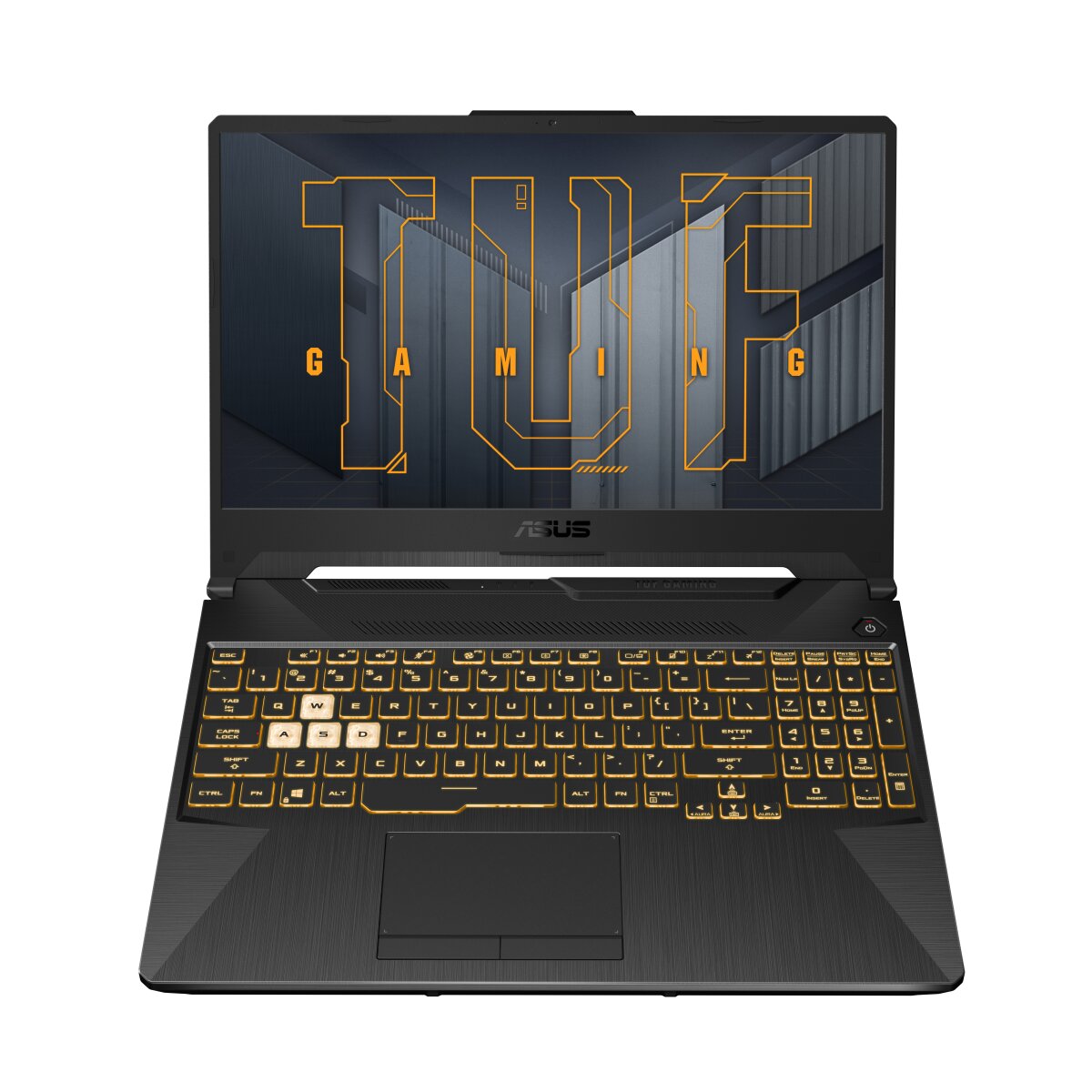
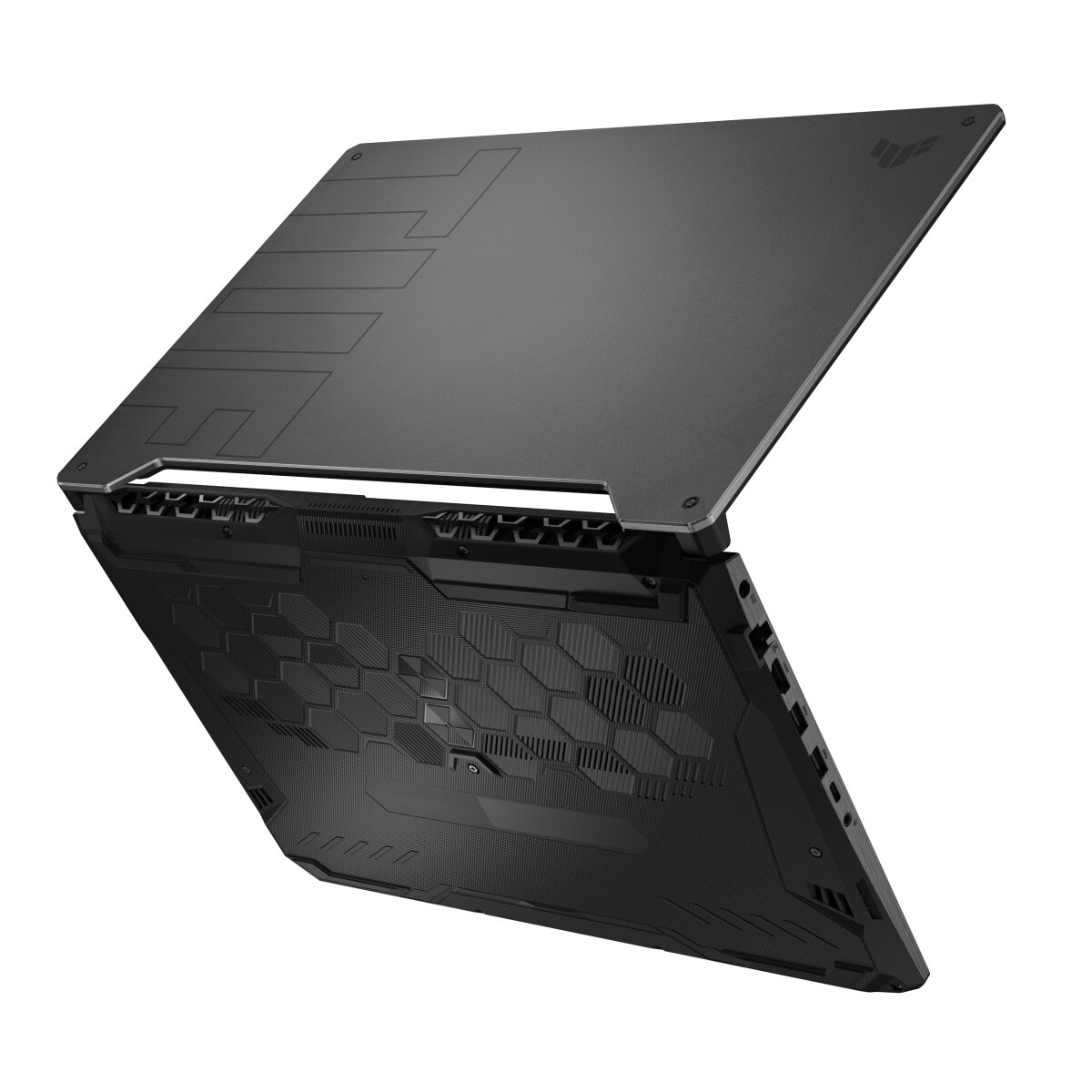
ASUS TUF Gaming F15 model TUF506HE-DS74 supports DDR4-SDRAM memory upgrades with maximum capacity of 32 GB total. The laptop features two SO-DIMM memory slots for RAM installation. Compatible memory operates at 3200 MHz frequency. Specifications indicate support for standard SO-DIMM form factor modules. Upgrade capacity per slot reaches 16 GB maximum, allowing full population of both memory slots for optimal system performance.
Memory Upgrade Specifications
| Specification | Value |
|---|---|
| Memory slots | 2x SO-DIMM |
| Form factor | SO-DIMM |
| Memory type | DDR4-SDRAM |
| Frequency | 3200 MHz |
| Maximum RAM | 32 GB |
| Voltage | 1.2V |
| Number of pins | 260-pin |
| Interface | PC4 |
| PC Speed Rating | PC4-3200 (PC4-25600) |
| Bandwidth | 25.6 GB/s |
| Laptop Release date | 07 June 2021 |
Additional Notes
- The ASUS TUF Gaming TUF506HE-DS74 utilizes a dual-channel memory architecture that requires matched SO-DIMM pairs for optimal bandwidth delivery to the CPU and integrated graphics subsystem.
- DDR4-3200 operates at 1.2V standard voltage, reducing thermal output compared to DDR4-2666 or DDR4-2933 modules while maintaining higher data transfer rates at 25.6 GB/s per channel.
- The 32 GB ceiling indicates chipset-level addressing limitations that prevent recognition of higher-capacity modules even if physically compatible SO-DIMMs are installed.
- SO-DIMM installation requires access through the bottom panel, where static discharge precautions become critical due to exposed PCB traces near the memory slots.
- Mixing different speed-rated modules forces all installed RAM to downclock to the slowest module's frequency, negating any performance advantage of faster DIMMs.
- Non-matching capacity configurations between slots preserve dual-channel mode only up to the size of the smaller module, with remaining capacity reverting to single-channel operation.
- Factory-installed memory may occupy one or both slots, requiring physical inspection before purchasing additional modules to avoid incompatible configurations.
- Third-party RAM installation typically preserves manufacturer warranty coverage, though verification of specific warranty terms prevents potential claim denial.
- JEDEC-standard DDR4-3200 modules ensure automatic SPD profile detection, while XMP-rated gaming RAM may require BIOS configuration that laptop firmware often does not support.
- CAS latency variations between CL16, CL18, and CL22 modules at identical frequencies produce measurable differences in memory-intensive workloads despite matching MHz ratings.