ASUS TUF Gaming TUF506HEB-DB74 RAM upgrade specifications
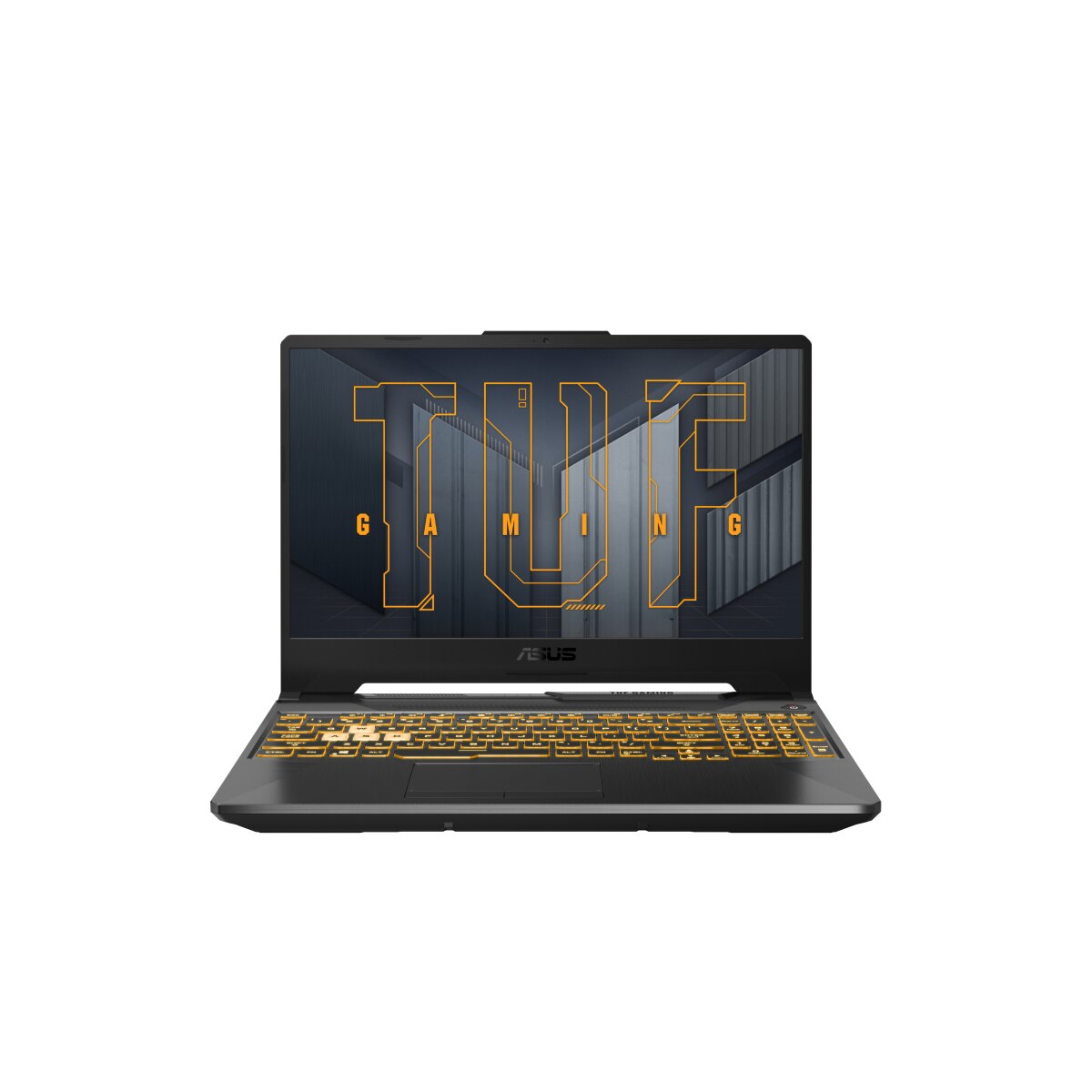
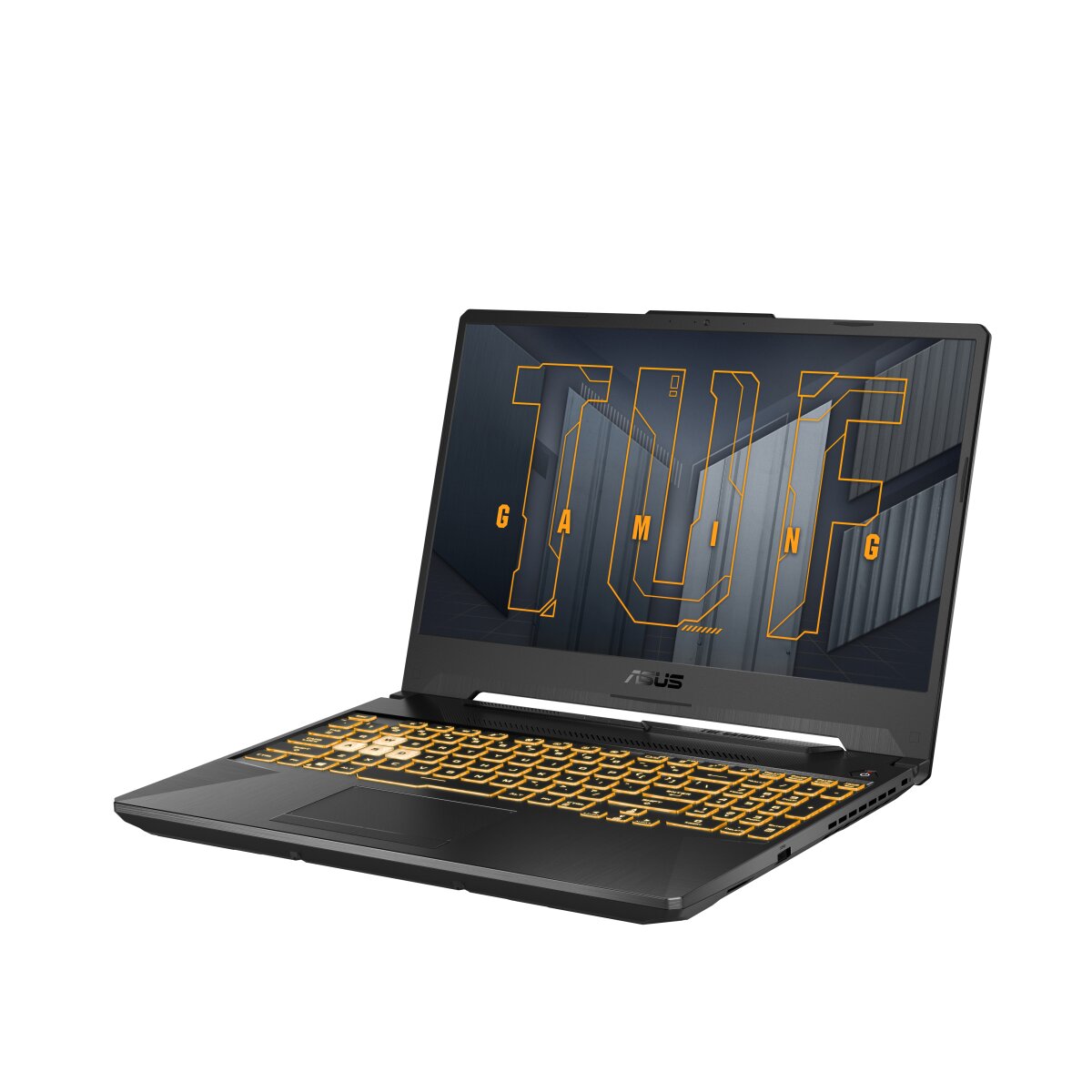
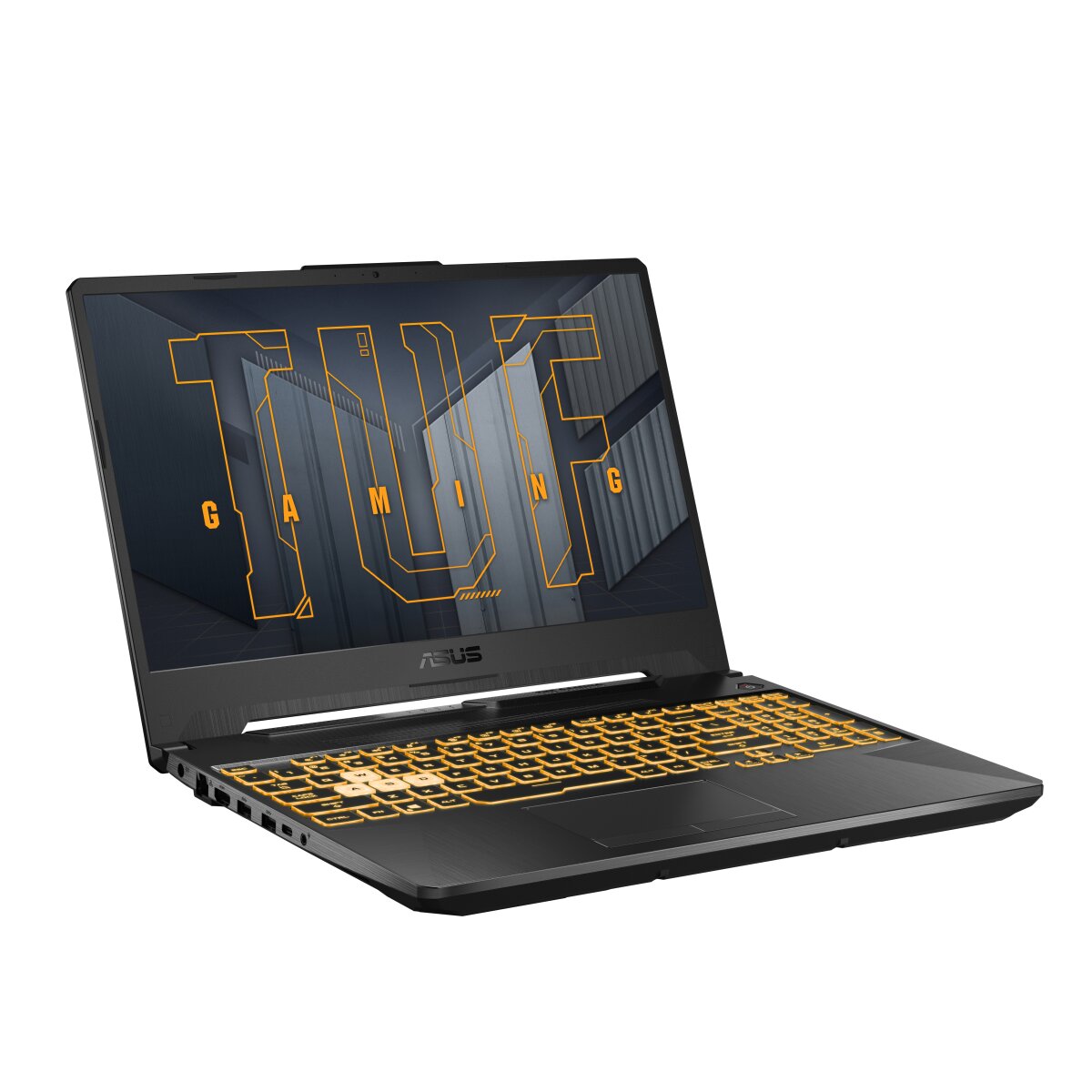
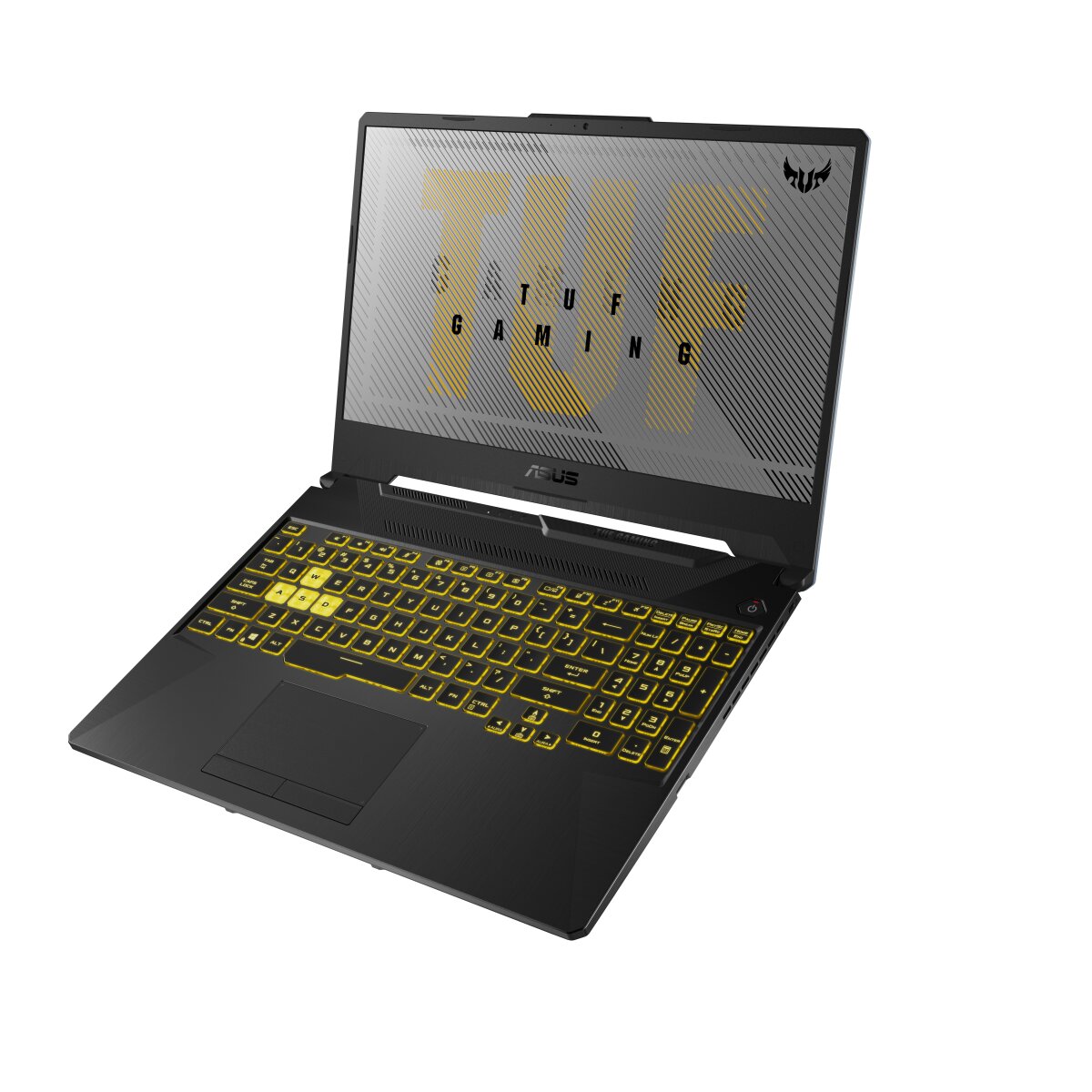
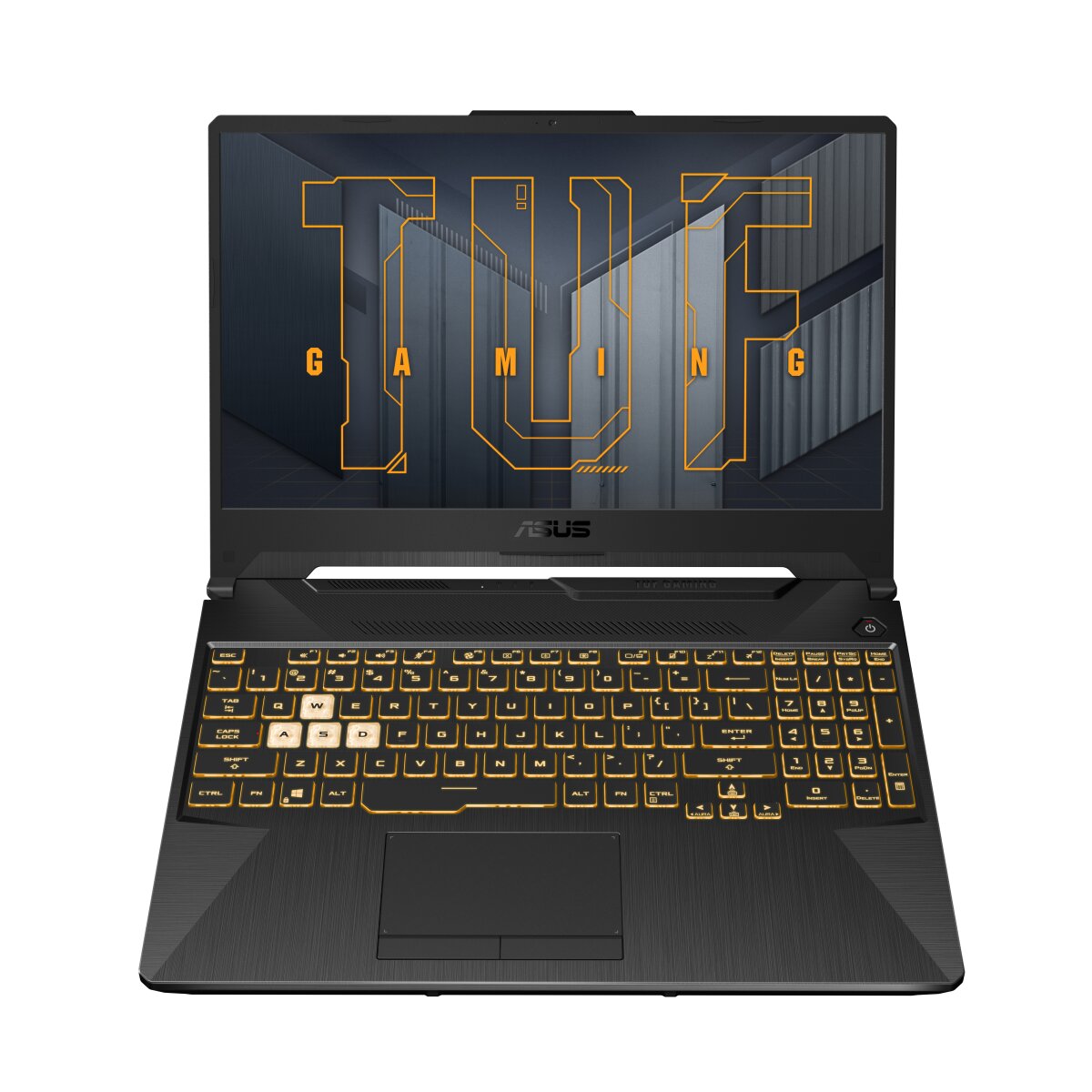
The ASUS TUF Gaming F15 series model TUF506HEB-DB74 features DDR4-SDRAM memory upgrade specifications with two SO-DIMM slots supporting maximum capacity of 32 GB. Compatible RAM operates at 3200 MHz frequency. The laptop memory slots accommodate SO-DIMM form factor modules, enabling users to upgrade existing RAM configurations up to the maximum supported capacity. Specifications indicate DDR4 compatibility for this TUF Gaming F15 model.
Memory Upgrade Specifications
| Specification | Value |
|---|---|
| Memory slots | 2x SO-DIMM |
| Form factor | SO-DIMM |
| Memory type | DDR4-SDRAM |
| Frequency | 3200 MHz |
| Maximum RAM | 32 GB |
| Voltage | 1.2V |
| Number of pins | 260-pin |
| Interface | PC4 |
| PC Speed Rating | PC4-3200 (PC4-25600) |
| Bandwidth | 25.6 GB/s |
| Laptop Release date | 10 August 2021 |
Additional Notes
- The ASUS TUF Gaming TUF506HEB-DB74 uses laptop-class SO-DIMM slots rather than desktop UDIMM form factor, restricting upgrades to mobile-specific memory modules and preventing repurposing of standard desktop RAM.
- 2 slots with 32 GB maximum capacity indicates each slot supports 16 GB modules maximum. Asymmetric configurations (one 16 GB and one 8 GB module) function but operate in single-channel mode, reducing effective bandwidth by approximately 50 percent compared to matched pairs.
- DDR4-3200 MHz specification establishes the baseline speed. Installing faster DDR4 modules (3600 MHz or higher) will downclock to 3200 MHz, negating any speed premium paid for higher-rated memory.
- The 32 GB ceiling requires both slots to be occupied with maximum-capacity modules. Upgrading from stock configuration likely consumes both available slots, eliminating future expansion capacity without removing existing memory.
- DDR4 technology carries inherent latency characteristics. Upgrading from slower stock configurations to 3200 MHz rated modules provides measurable gains only in memory-intensive workloads; gaming and general productivity tasks show minimal real-world improvement.
- SO-DIMM modules generate more heat per watt than desktop equivalents due to higher component density in the same form factor. Sustained operation with both slots populated at maximum capacity may require thermal validation, particularly during extended gaming sessions.