ASUS TUF Gaming TUF506HM-ES76 RAM upgrade specifications
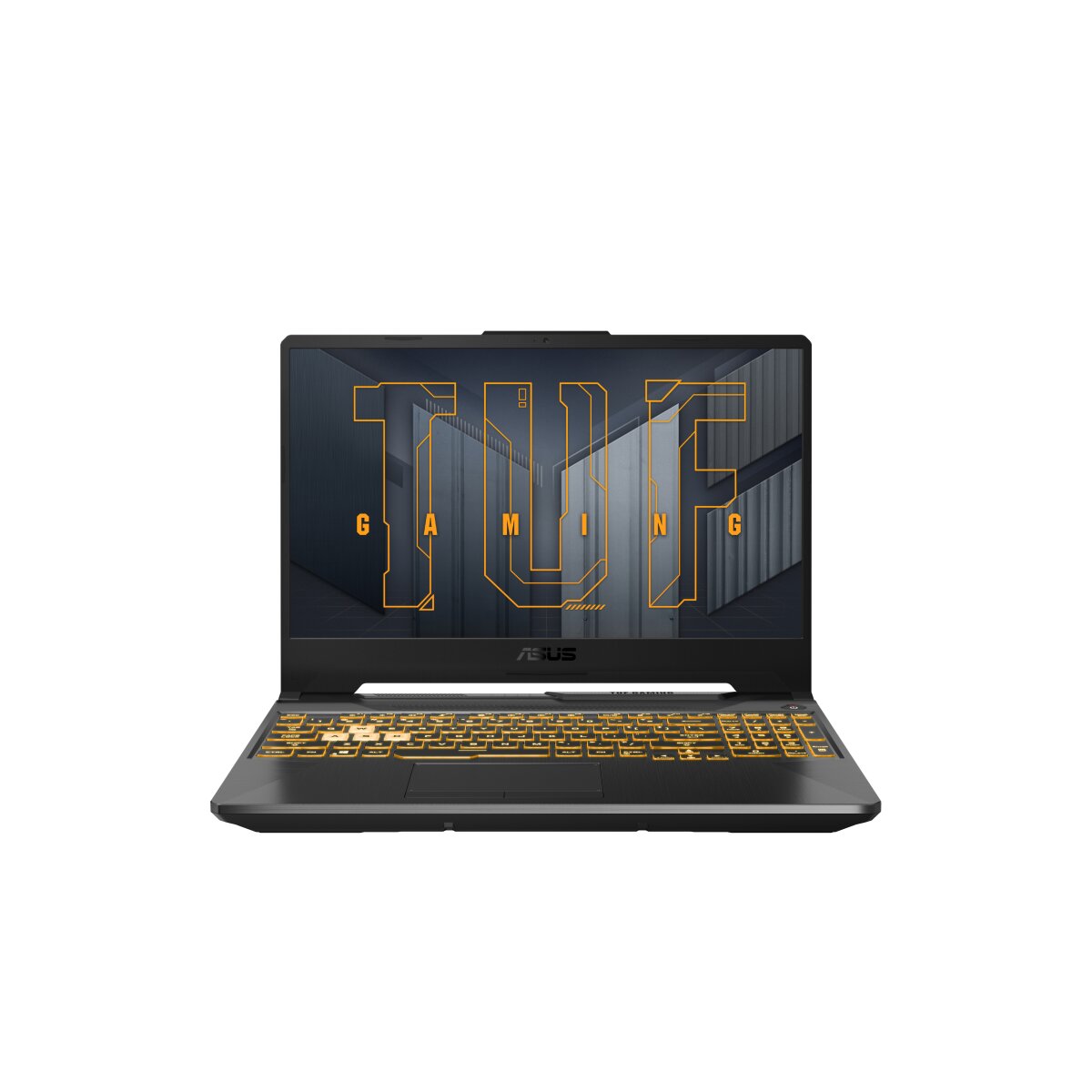
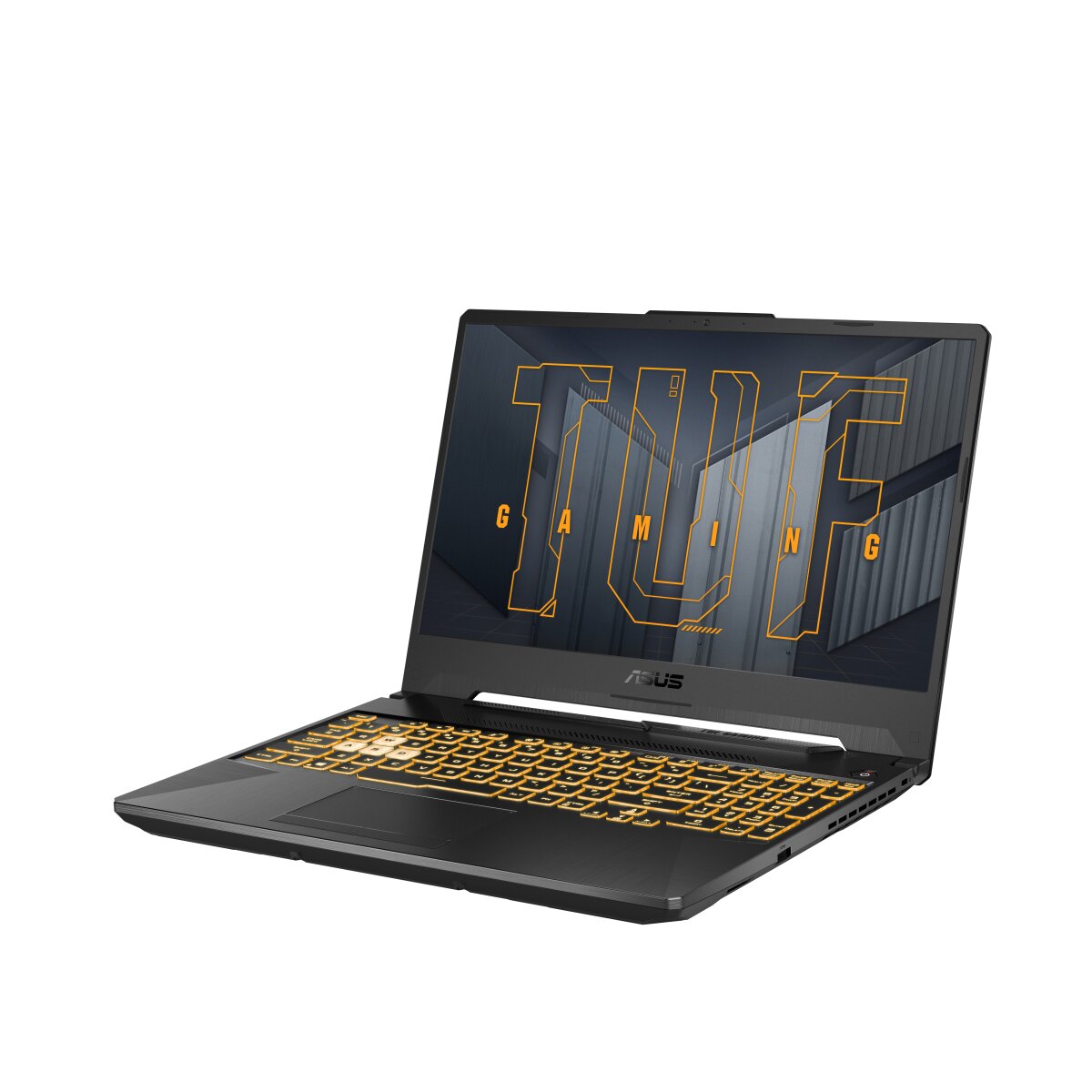
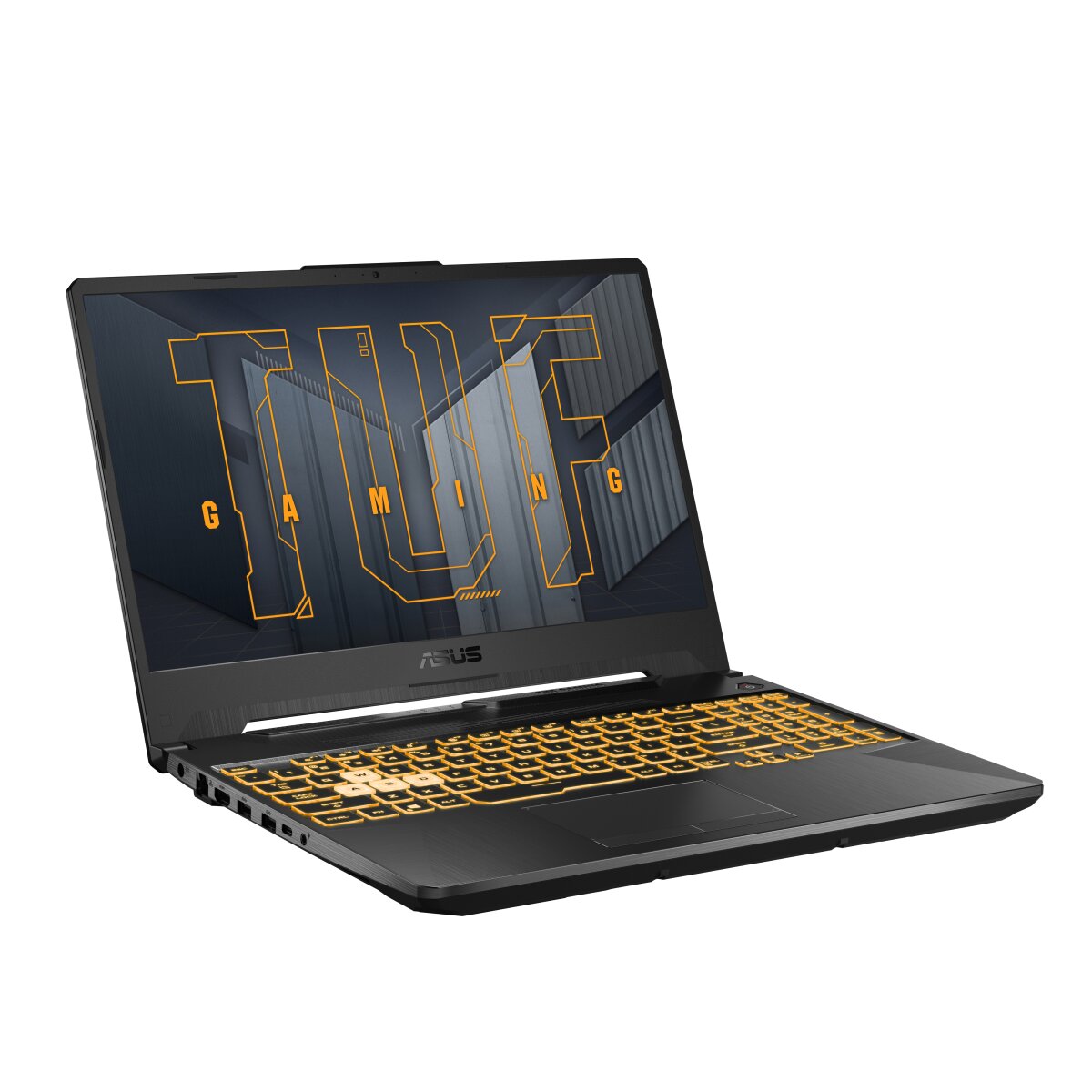
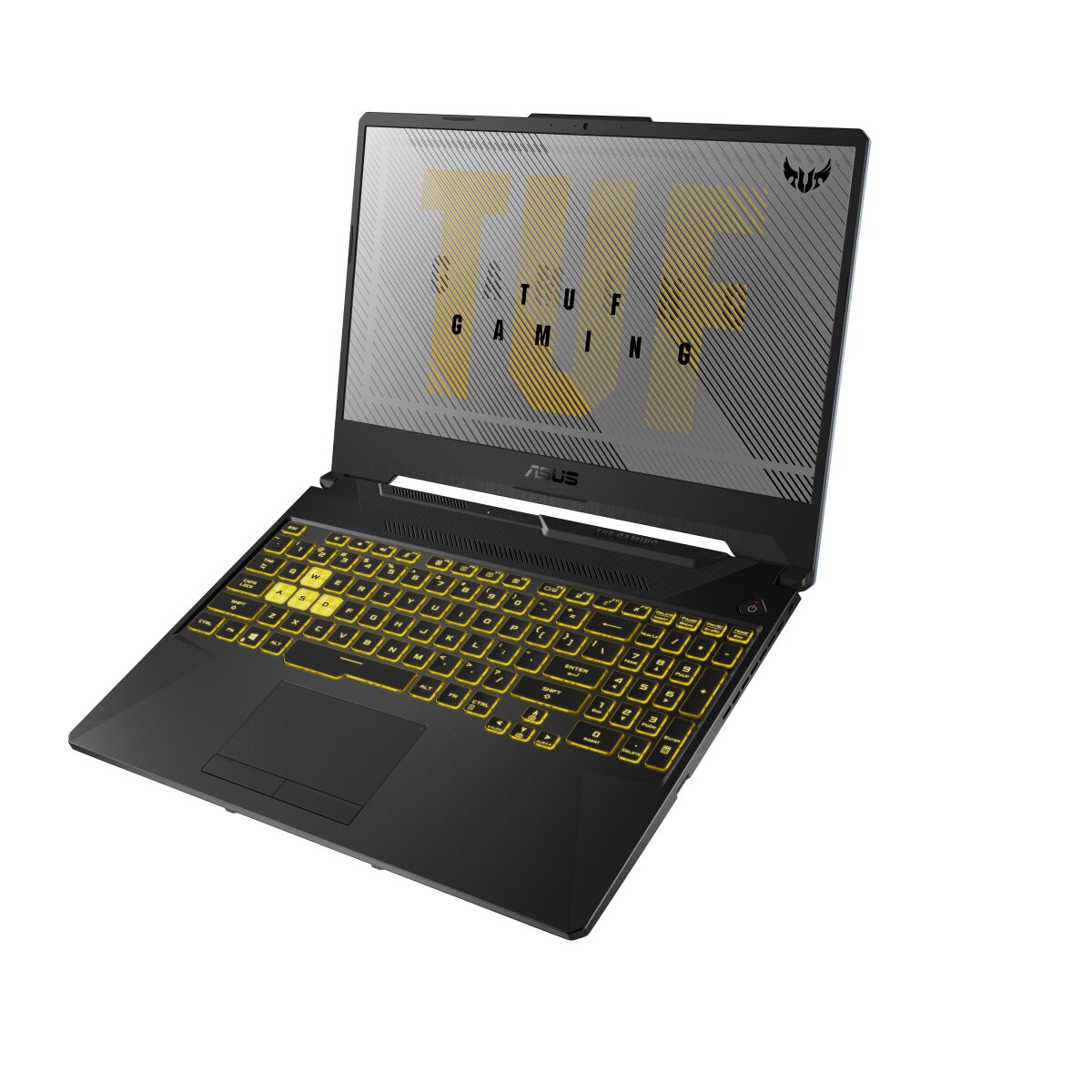
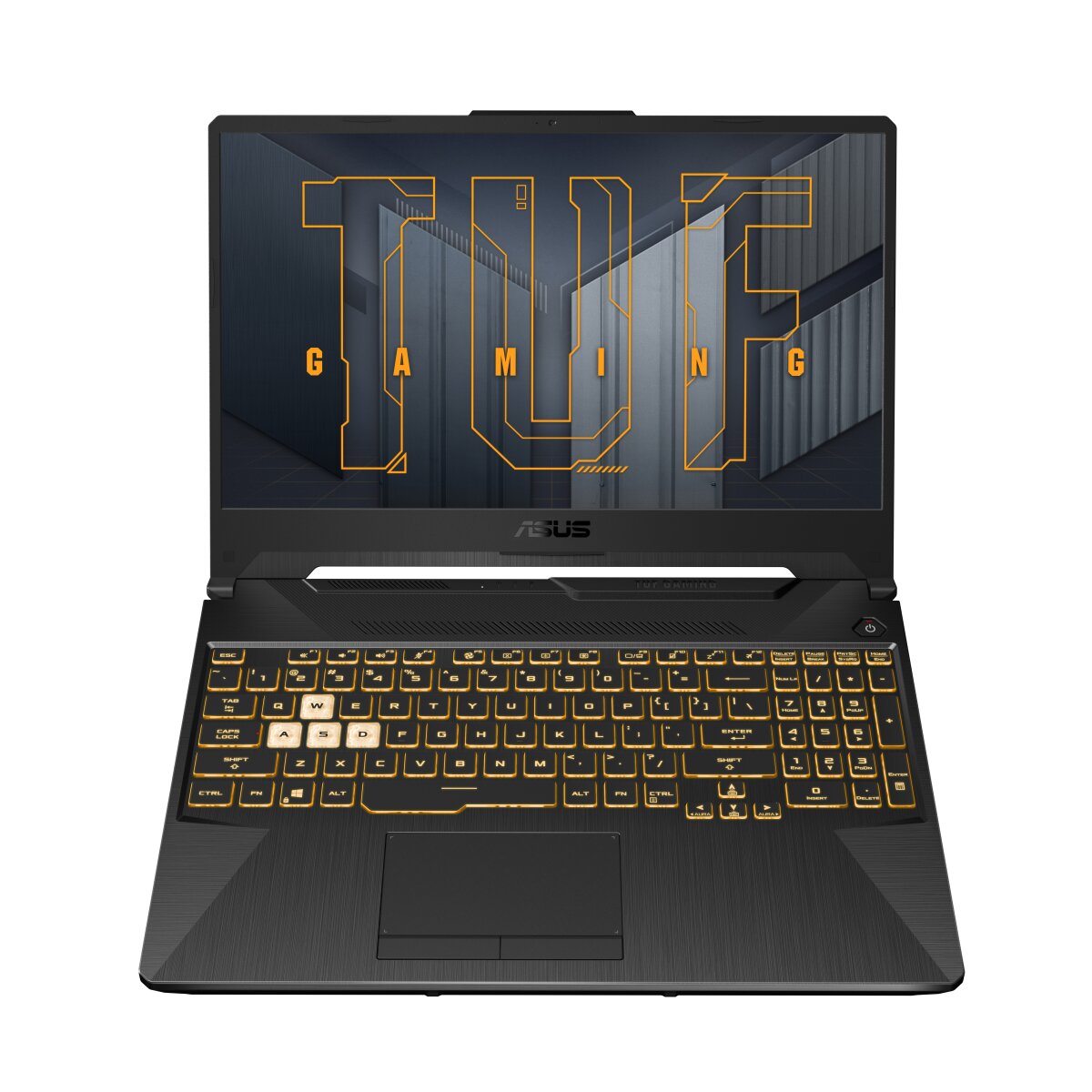
The ASUS TUF Gaming F15 TUF506HM-ES76 features DDR4-SDRAM memory with two SO-DIMM slots for RAM upgrade capability. The laptop supports maximum memory capacity of 32 GB total, with compatible modules operating at 3200 MHz frequency. Memory upgrade specifications include SO-DIMM form factor slots, enabling users to expand the system's memory configuration according to performance requirements.
Memory Upgrade Specifications
| Specification | Value |
|---|---|
| Memory slots | 2x SO-DIMM |
| Form factor | SO-DIMM |
| Memory type | DDR4-SDRAM |
| Frequency | 3200 MHz |
| Maximum RAM | 32 GB |
| Voltage | 1.2V |
| Number of pins | 260-pin |
| Interface | PC4 |
| PC Speed Rating | PC4-3200 (PC4-25600) |
| Bandwidth | 25.6 GB/s |
| Laptop Release date | 16 June 2021 |
Additional Notes
- The ASUS TUF Gaming TUF506HM-ES76 requires SO-DIMM modules specifically, making standard desktop DIMM memory physically incompatible due to different pin counts and module lengths.
- The 32 GB maximum capacity limitation originates from chipset and BIOS constraints, meaning individual 32 GB SO-DIMM modules cannot be utilized even if purchased.
- Optimal configuration involves two 16 GB modules to reach maximum capacity, as single-module operation sacrifices dual-channel bandwidth and reduces memory throughput by approximately 50 percent.
- DDR4-3200 represents the JEDEC-rated speed, but actual operation depends on CPU memory controller support; incompatible processors may downclock modules to 2933 MHz or 2666 MHz.
- Memory slots positioned under the bottom panel typically require complete base cover removal, voiding certain regional warranty provisions unless performed by authorized service centers.
- Mixing modules with different speeds forces all memory to operate at the lowest common frequency, creating performance degradation if pairing 3200 MHz with slower modules.
- Non-matching CAS latencies between installed modules can trigger stability issues or POST failures, even when frequency specifications align correctly.
- The dual SO-DIMM configuration leaves no expansion slots after reaching 32 GB, requiring complete module replacement rather than incremental additions for future upgrades.
- Voltage specifications for DDR4 SO-DIMM typically standardize at 1.2V, but higher-performance XMP modules may require BIOS support unavailable in gaming laptop implementations.
- Single-rank versus dual-rank module architecture affects compatibility, with some systems exhibiting reduced stability when populating both slots with dual-rank 16 GB modules at 3200 MHz.