ASUS TUF Gaming TUF506HM-HN204 RAM upgrade specifications

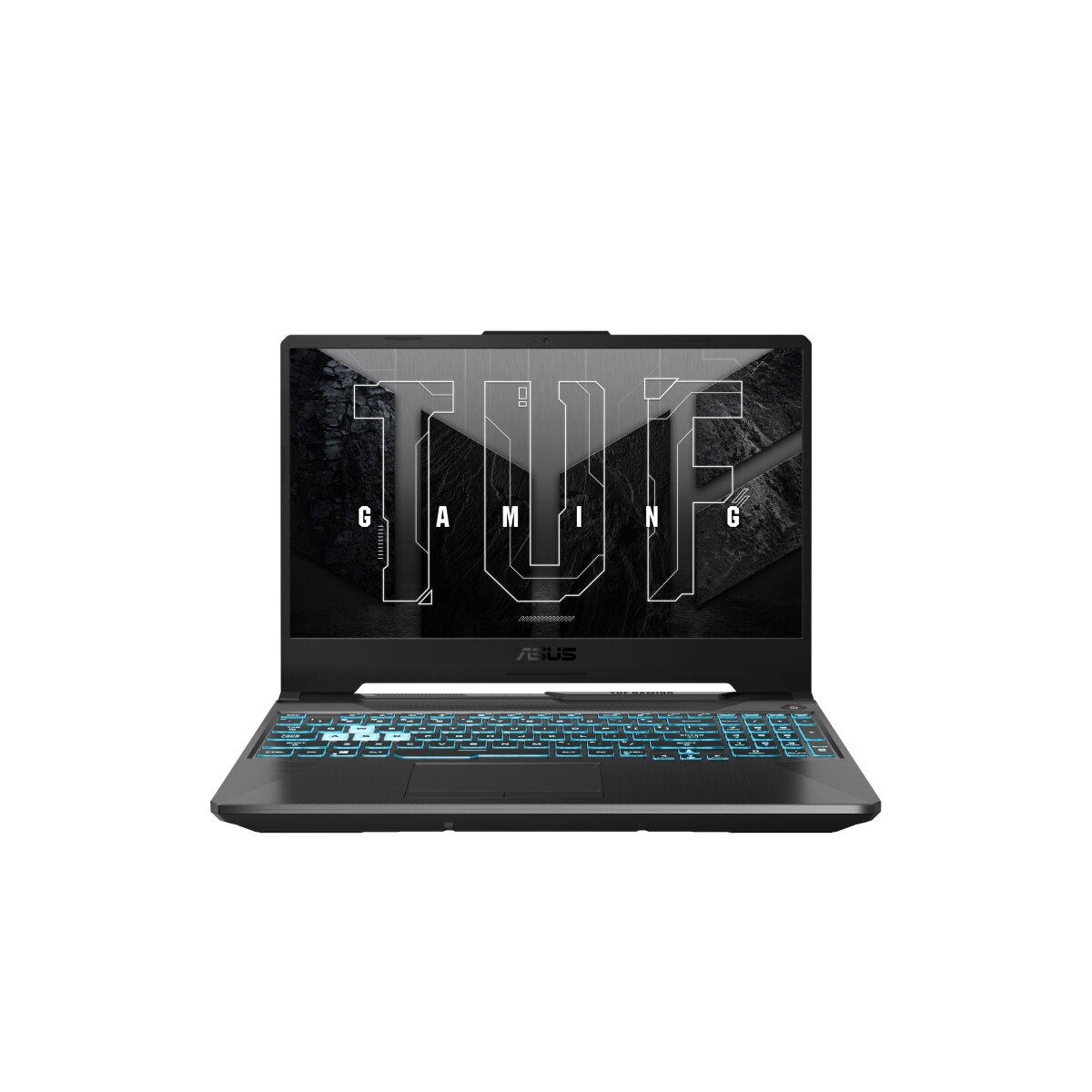

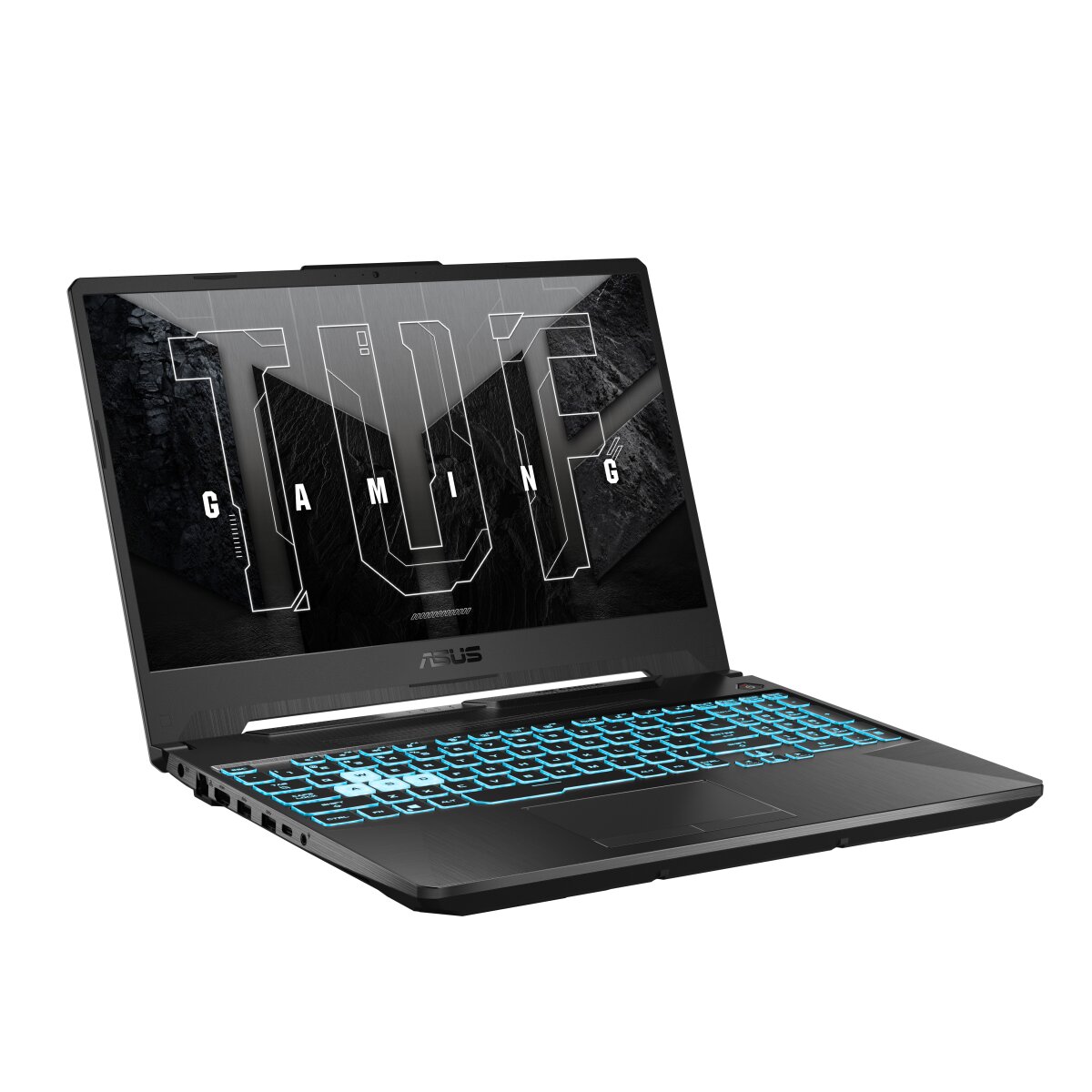
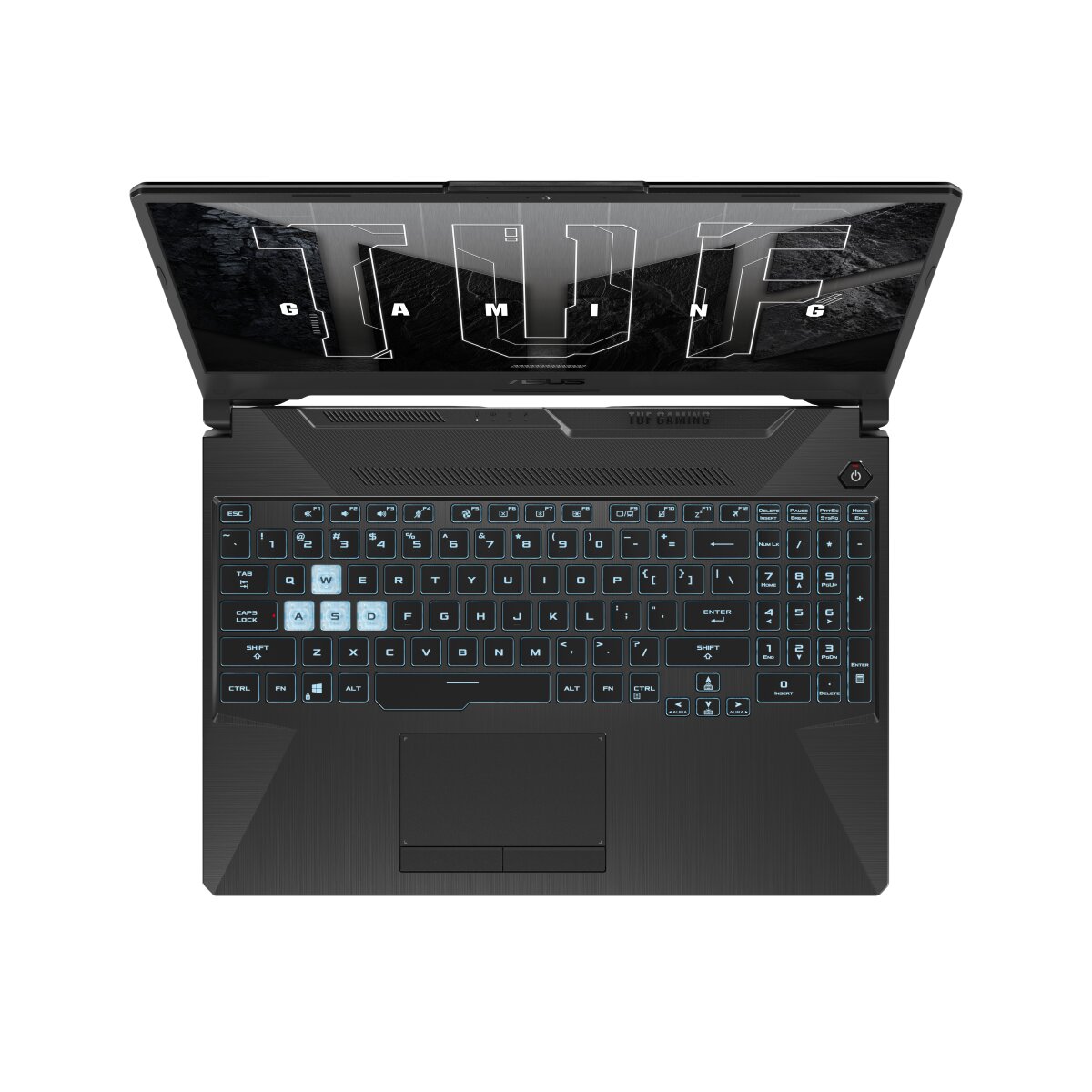
ASUS TUF Gaming F15 series model TUF506HM-HN204 supports DDR4-SDRAM memory upgrades with two SO-DIMM slots. Maximum memory capacity reaches 32 GB total. Compatible RAM operates at 3200 MHz frequency. Specifications allow for modular memory expansion using SO-DIMM form factor modules. Upgrade options enable users to configure memory from stock capacity up to maximum supported capacity of 32 GB across both available slots.
Memory Upgrade Specifications
| Specification | Value |
|---|---|
| Memory slots | 2x SO-DIMM |
| Form factor | SO-DIMM |
| Memory type | DDR4-SDRAM |
| Frequency | 3200 MHz |
| Maximum RAM | 32 GB |
| Voltage | 1.2V |
| Number of pins | 260-pin |
| Interface | PC4 |
| PC Speed Rating | PC4-3200 (PC4-25600) |
| Bandwidth | 25.6 GB/s |
| Laptop Release date | 12 November 2021 |
Additional Notes
- The ASUS TUF Gaming TUF506HM-HN204 architecture limits total capacity to 32 GB due to chipset addressing constraints, preventing future expansion beyond this threshold regardless of module availability.
- DDR4-3200 represents the maximum validated frequency for this platform. Modules rated at higher speeds will downclock to 3200 MHz, negating any premium paid for faster specifications.
- Both SO-DIMM slots must be populated with matched modules to enable dual-channel operation, which doubles memory bandwidth from 25.6 GB/s to 51.2 GB/s for the integrated memory controller.
- Mixing module capacities or speeds across the 2 slots forces single-channel mode or reduces operation to the lowest common frequency, creating a performance penalty in memory-intensive workloads.
- Modules exceeding 1.2V standard DDR4 voltage may trigger thermal throttling in the confined laptop chassis, as SO-DIMM slots typically lack dedicated active cooling.
- Accessing the SO-DIMM slots requires bottom panel removal, which may void manufacturer warranty if security seals are present or if disassembly is explicitly prohibited in warranty terms.
- The 32 GB ceiling requires 2 modules of 16 GB each, as no higher-capacity SO-DIMM standard exists within DDR4 specifications for consumer platforms.
- Non-ECC unbuffered modules are required. Server-grade ECC SO-DIMMs or registered memory will be incompatible with the consumer-class memory controller.
- DDR4-3200 CL22 represents the JEDEC standard latency profile. Lower CAS latency modules may offer marginal improvements but require XMP profile support, which is inconsistently implemented across laptop BIOS versions.
- Single-rank versus dual-rank module topology affects interleaving efficiency. Dual-rank configurations can provide 5-15% bandwidth improvement in specific applications despite identical rated speeds.