ASUS TUF Gaming TUF507VV4-LP068W RAM upgrade specifications

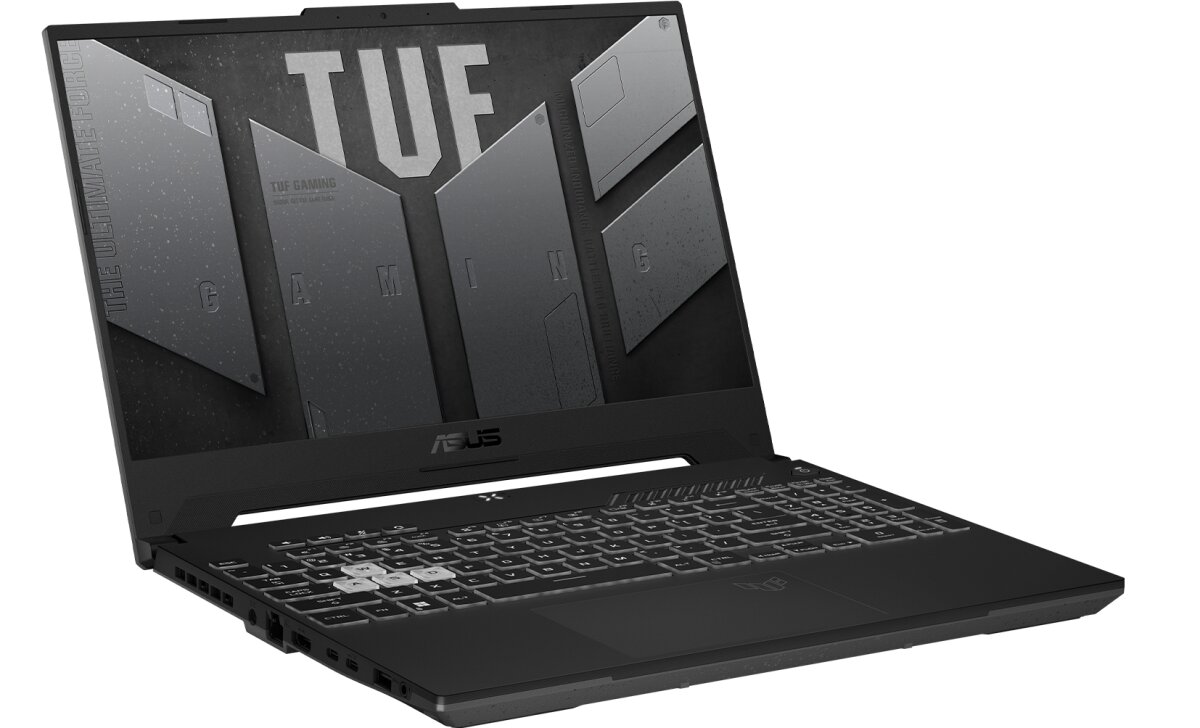
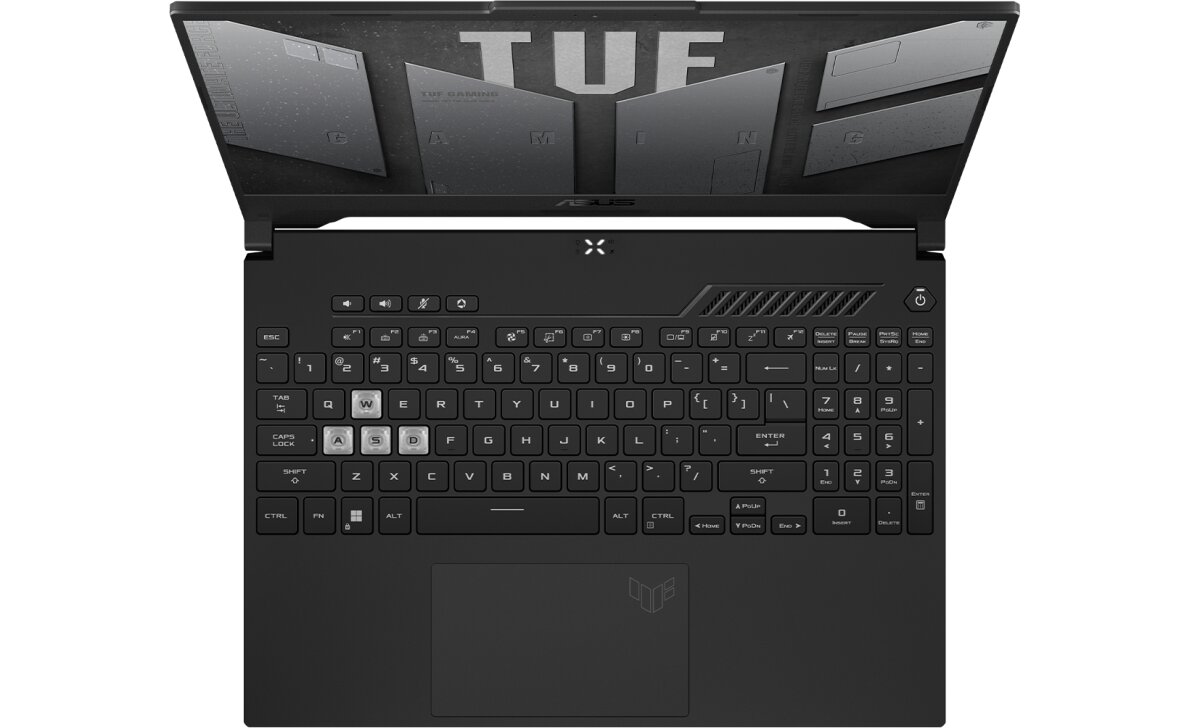
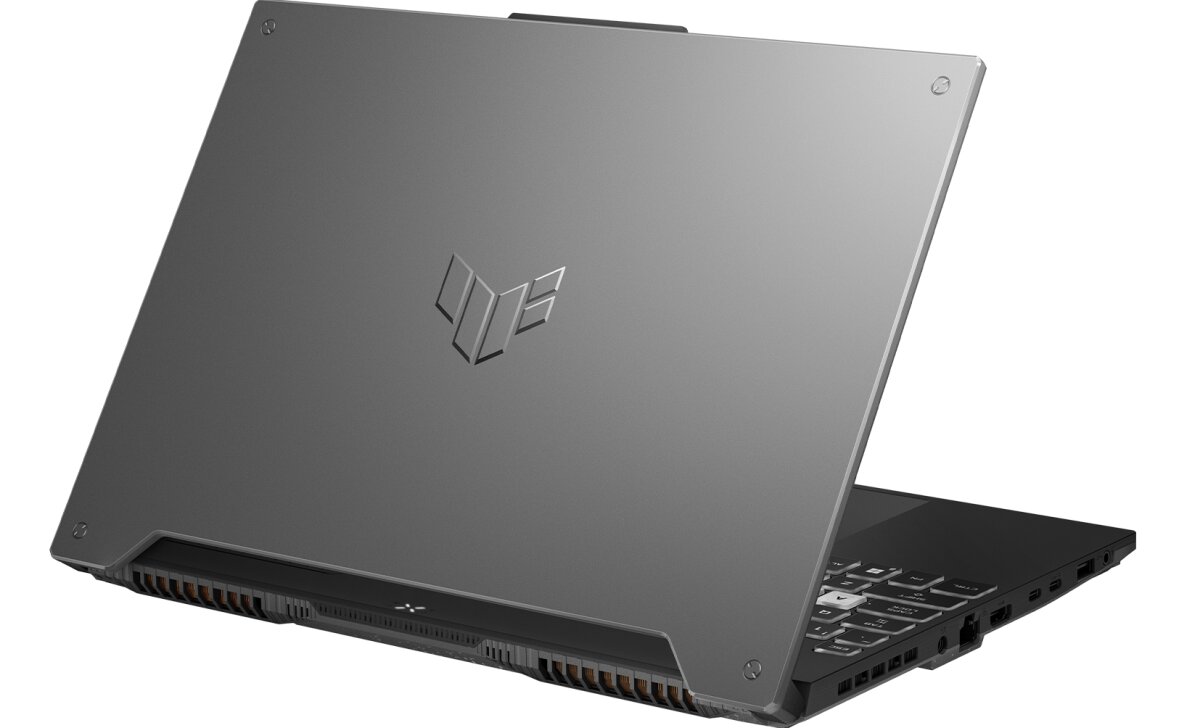
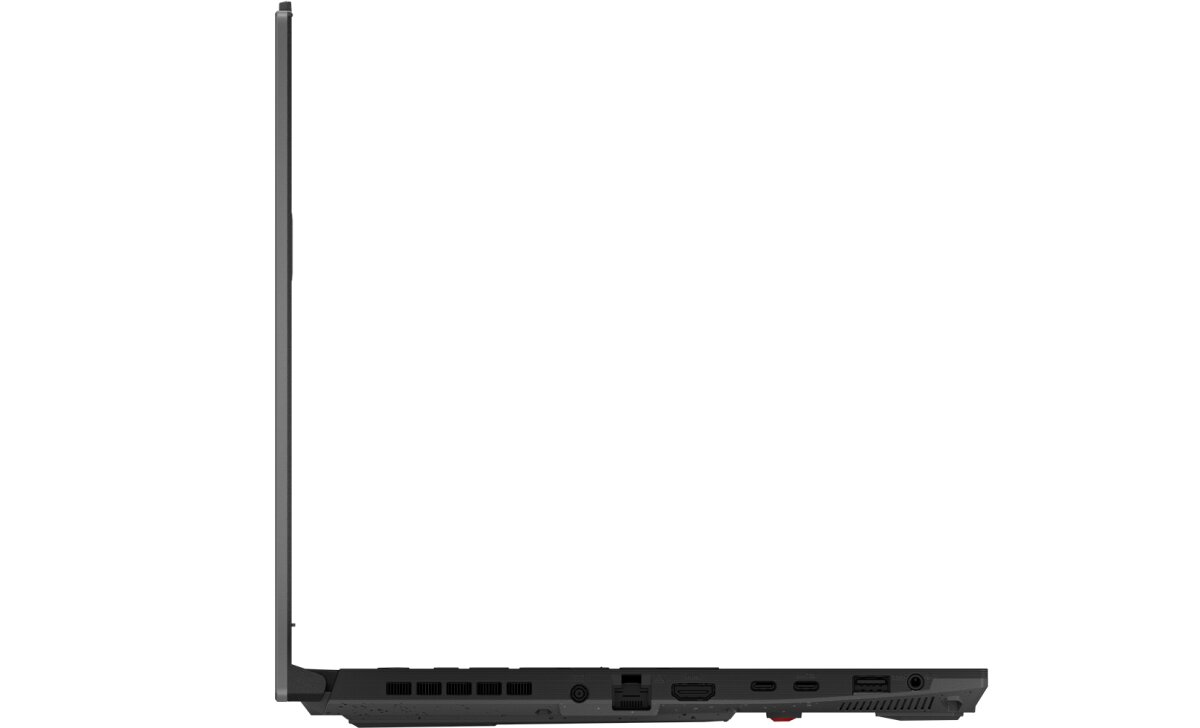
The ASUS TUF Gaming F15 series model TUF507VV4-LP068W supports DDR5-SDRAM memory upgrades with specifications including two SO-DIMM slots and a maximum RAM capacity of 32 GB. The memory operates at 4800 MHz frequency. Compatible upgrade modules utilize the SO-DIMM form factor, enabling expansion of the laptop's memory capacity through standard DDR5 memory modules.
Memory Upgrade Specifications
| Specification | Value |
|---|---|
| Memory slots | 2x SO-DIMM |
| Form factor | SO-DIMM |
| Memory type | DDR5-SDRAM |
| Frequency | 4800 MHz |
| Maximum RAM | 32 GB |
| Voltage | 1.1V |
| Number of pins | 262-pin |
| Interface | PC5 |
| PC Speed Rating | PC5-4800 (PC5-38400) |
| Bandwidth | 38.4 GB/s |
| Laptop Release date | 16 January 2023 |
Additional Notes
- The ASUS TUF Gaming TUF507VV4-LP068W supports DDR5-SDRAM at 4800 MHz, which means replacement modules must meet this frequency specification to avoid automatic downclocking to lower JEDEC standards and potential performance loss in latency-sensitive workloads.
- With 2 SO-DIMM slots and a 32 GB maximum capacity ceiling, each slot accommodates a maximum 16 GB module. Configurations exceeding 16 GB per stick will be incompatible with the motherboard's memory controller specifications.
- SO-DIMM form factor restricts upgrade options to laptop-grade modules only. Desktop DDR5-SDRAM (UDIMM) will not physically insert into the memory slots, making vendor selection critical for warranty protection during self-service upgrades.
- The dual-slot architecture creates a bandwidth dependency where single-slot populations may trigger single-channel operation, reducing memory throughput by approximately 50% compared to matched dual-channel configurations. Asymmetrical upgrades risk performance degradation in graphics-intensive or multithreaded applications.
- Achieving the full 32 GB capacity requires populating both slots with identical 16 GB DDR5 SO-DIMM modules at 4800 MHz. Mixed capacities or frequencies can result in both sticks operating at the lower specification, negating upgrade benefits.
- DDR5-SDRAM modules at 4800 MHz represent the baseline supported speed; higher frequency bins (5600 MHz, 6400 MHz) may function but will operate outside manufacturer specifications and carry no warranty coverage for stability or data integrity issues.