ASUS TUF Gaming TUF507ZC-QS72-CB RAM upgrade specifications
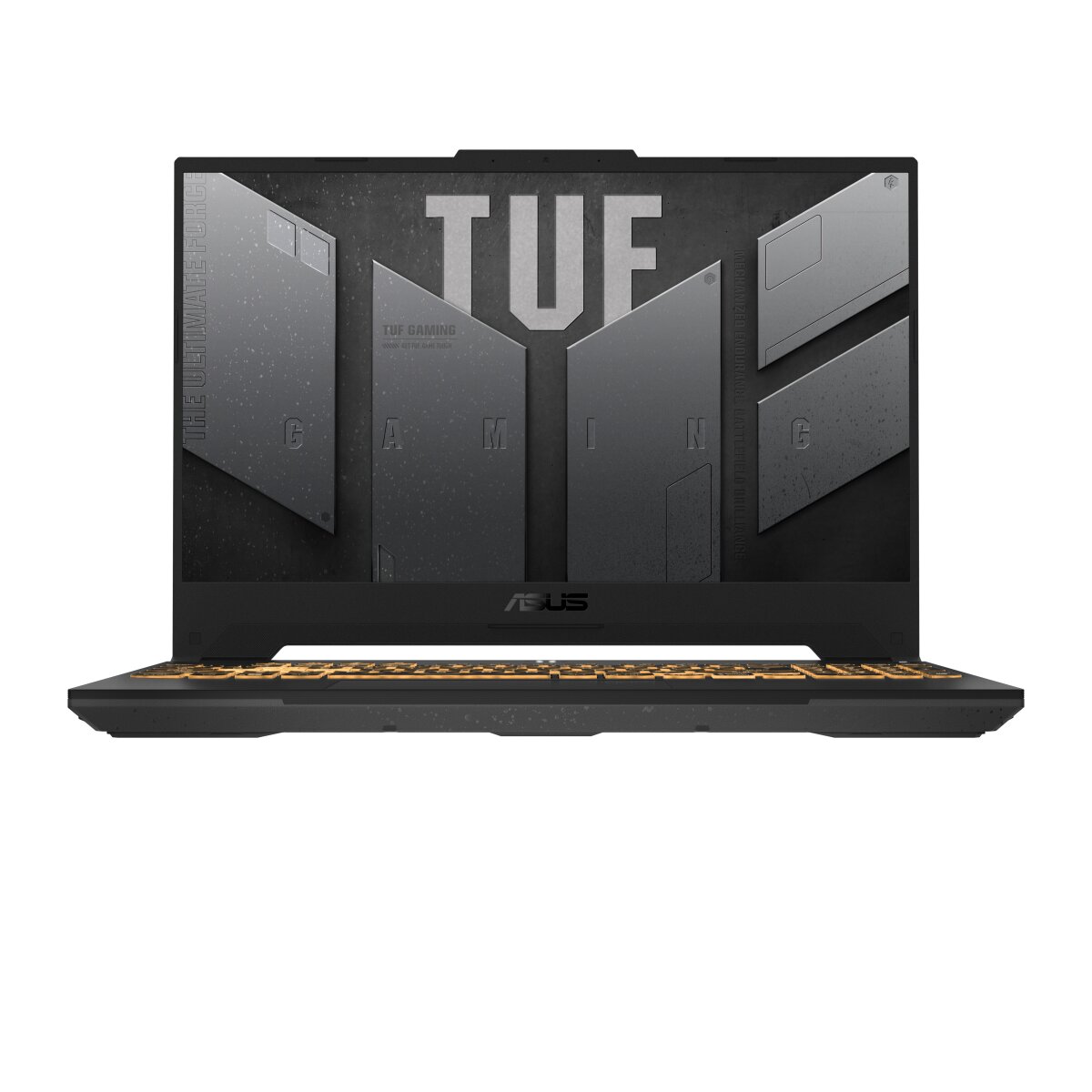
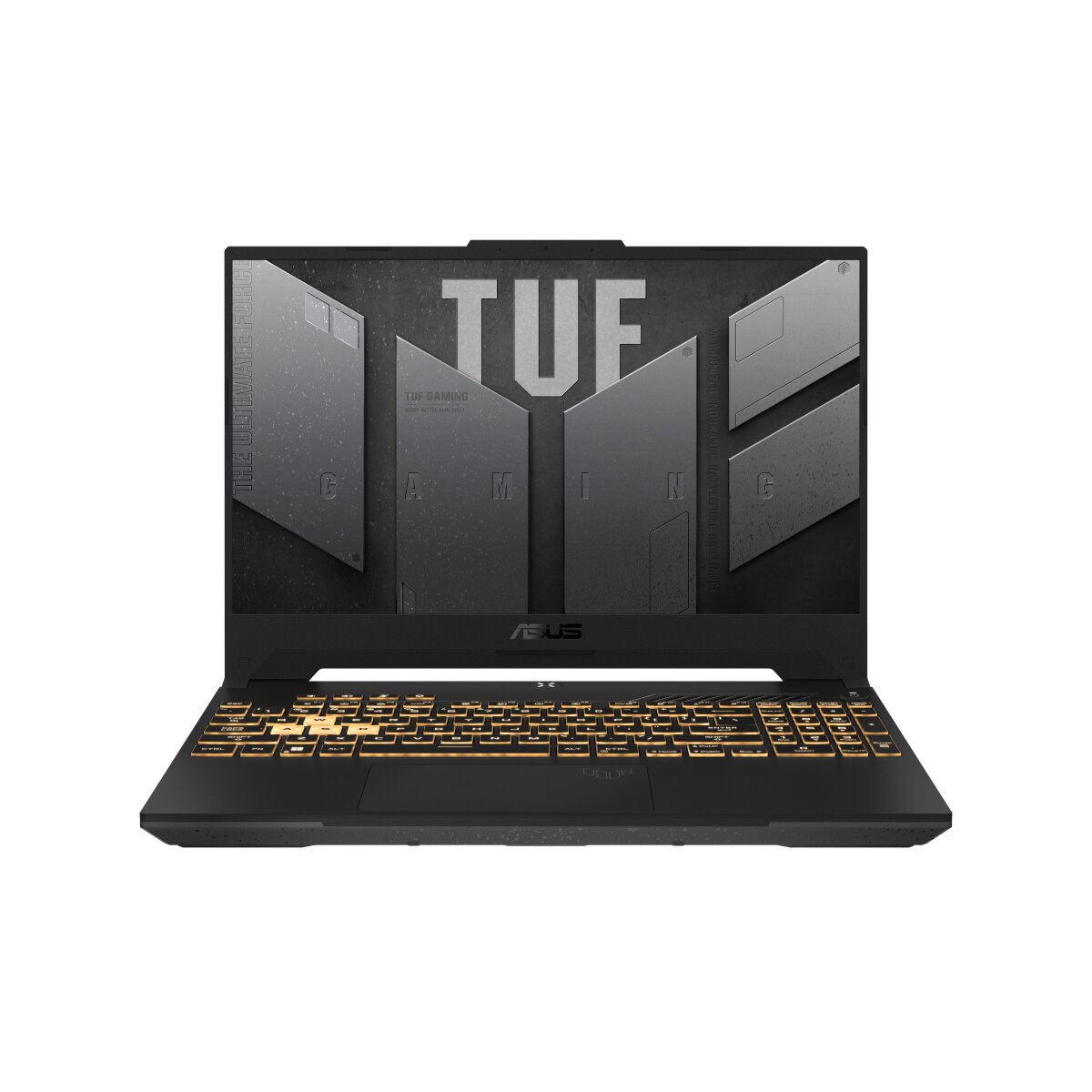
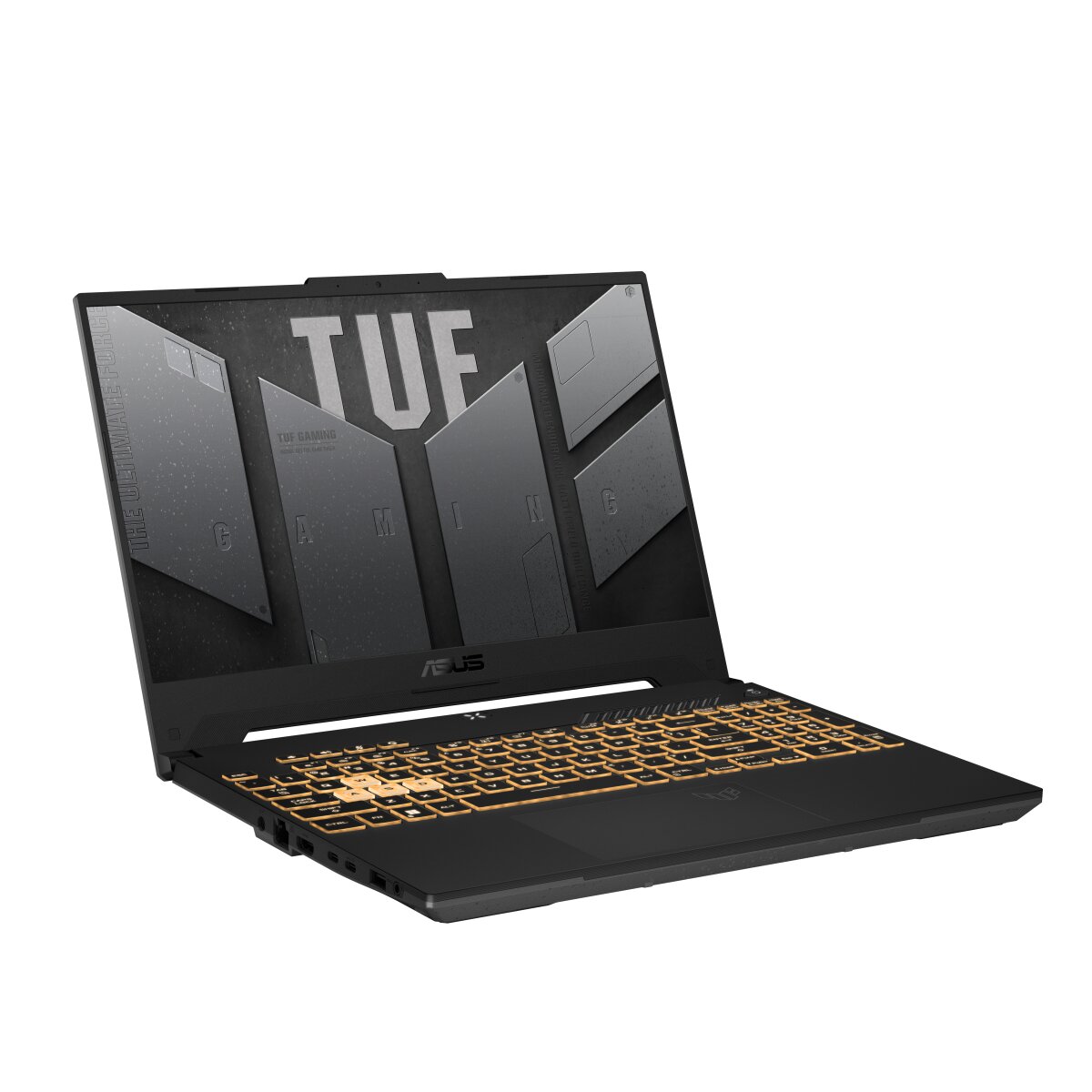
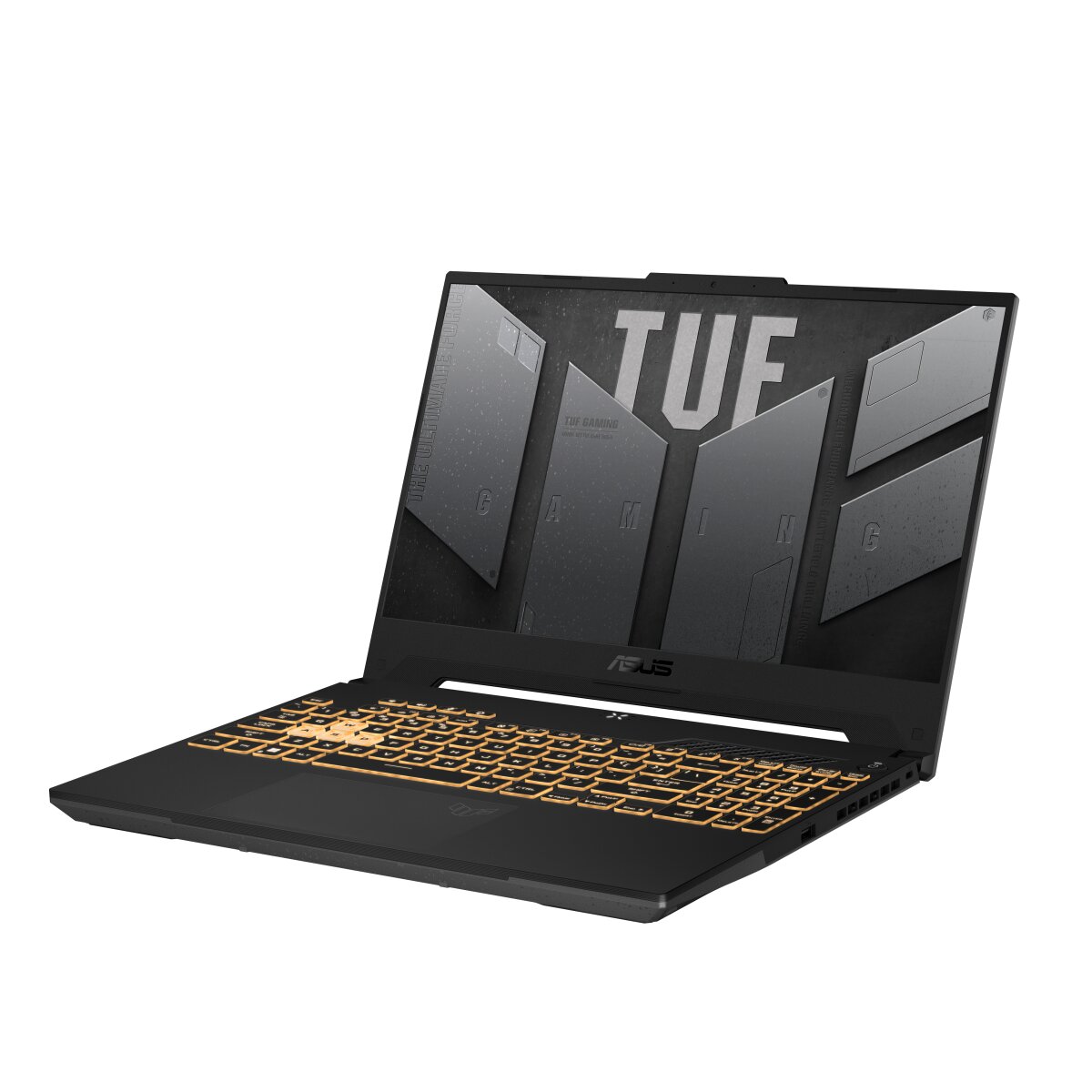
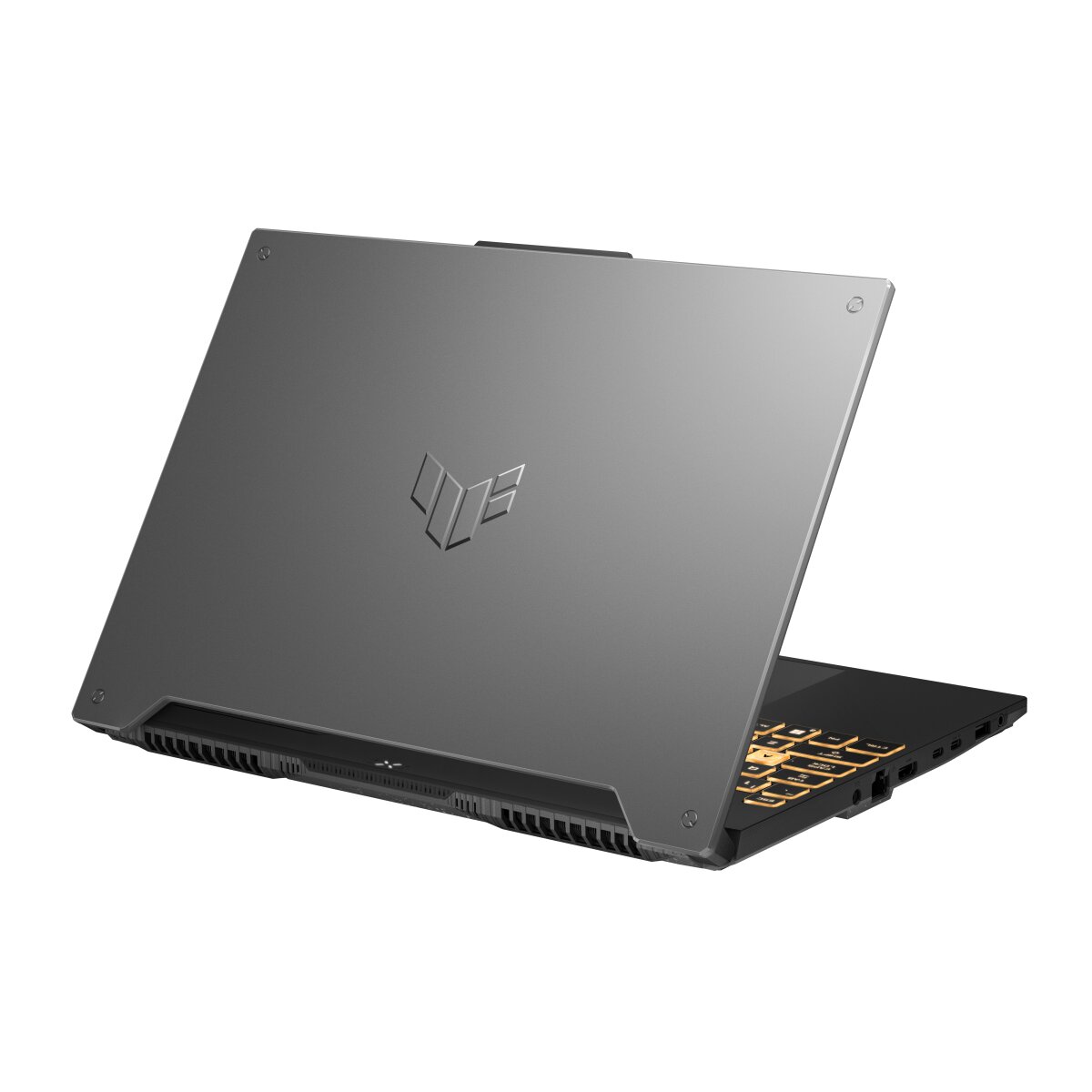
ASUS TUF Gaming F15 model TUF507ZC-QS72-CB features DDR5-SDRAM memory upgrade capability with two SO-DIMM slots supporting maximum 32 GB capacity. Compatible memory operates at 4800 MHz frequency. Specifications enable RAM expansion through dual SO-DIMM slot configuration, allowing users to upgrade memory capacity on TUF Gaming F15 series laptop. DDR5 memory form factor ensures compatibility with TUF507ZC-QS72-CB upgrade specifications.
Memory Upgrade Specifications
| Specification | Value |
|---|---|
| Memory slots | 2x SO-DIMM |
| Form factor | SO-DIMM |
| Memory type | DDR5-SDRAM |
| Frequency | 4800 MHz |
| Maximum RAM | 32 GB |
| Voltage | 1.1V |
| Number of pins | 262-pin |
| Interface | PC5 |
| PC Speed Rating | PC5-4800 (PC5-38400) |
| Bandwidth | 38.4 GB/s |
| Laptop Release date | 11 October 2022 |
Additional Notes
- The presence of 2 physical SO-DIMM slots ensures that dual-channel memory architecture is achievable, which significantly increases data throughput compared to single-channel configurations.
- The DDR5 architecture utilized in the ASUS TUF Gaming TUF507ZC-QS72-CB employs on-die Error Correction Code to improve system stability during high-intensity processing tasks.
- Operating at a 4800 MHz frequency creates a higher base bandwidth for the CPU, reducing latency in memory-intensive applications and frame-time consistency in software.
- Upgrading to the 32 GB threshold requires the replacement of existing modules since the motherboard lacks soldered memory, preventing the expansion of capacity without removing the factory-installed hardware.
- The 32 GB firmware limit indicates that 32 GB density sticks are incompatible, restricting the maximum module size to 16 GB per slot.
- System power efficiency is improved over previous generations due to the integrated power management integrated circuit found directly on the memory modules rather than the motherboard.
- Installation of modules with speeds exceeding 4800 MHz will result in automatic downclocking to match the internal bus limitations of the chipset.