ASUS TUF Gaming TUF507ZC4-HN040 RAM upgrade specifications
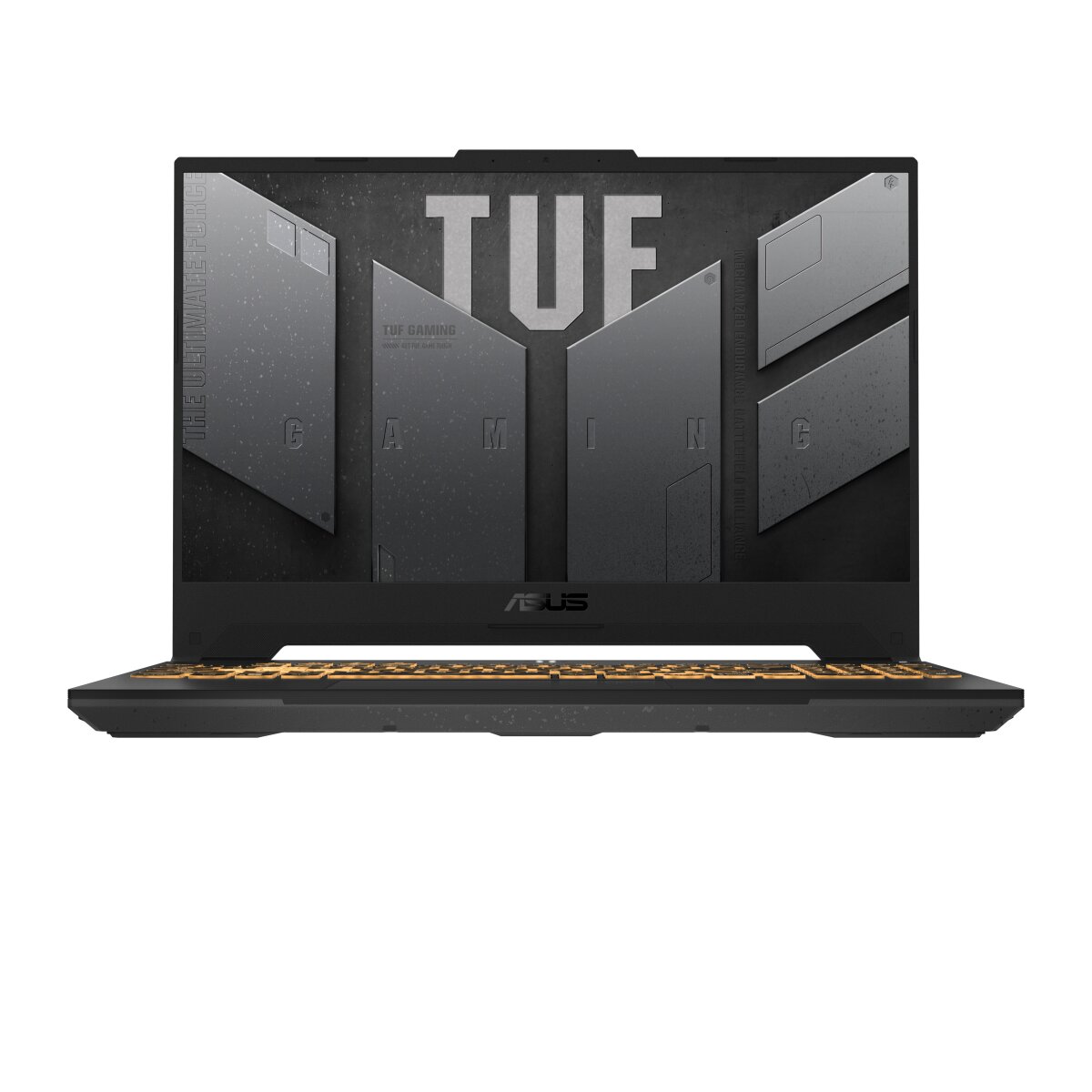
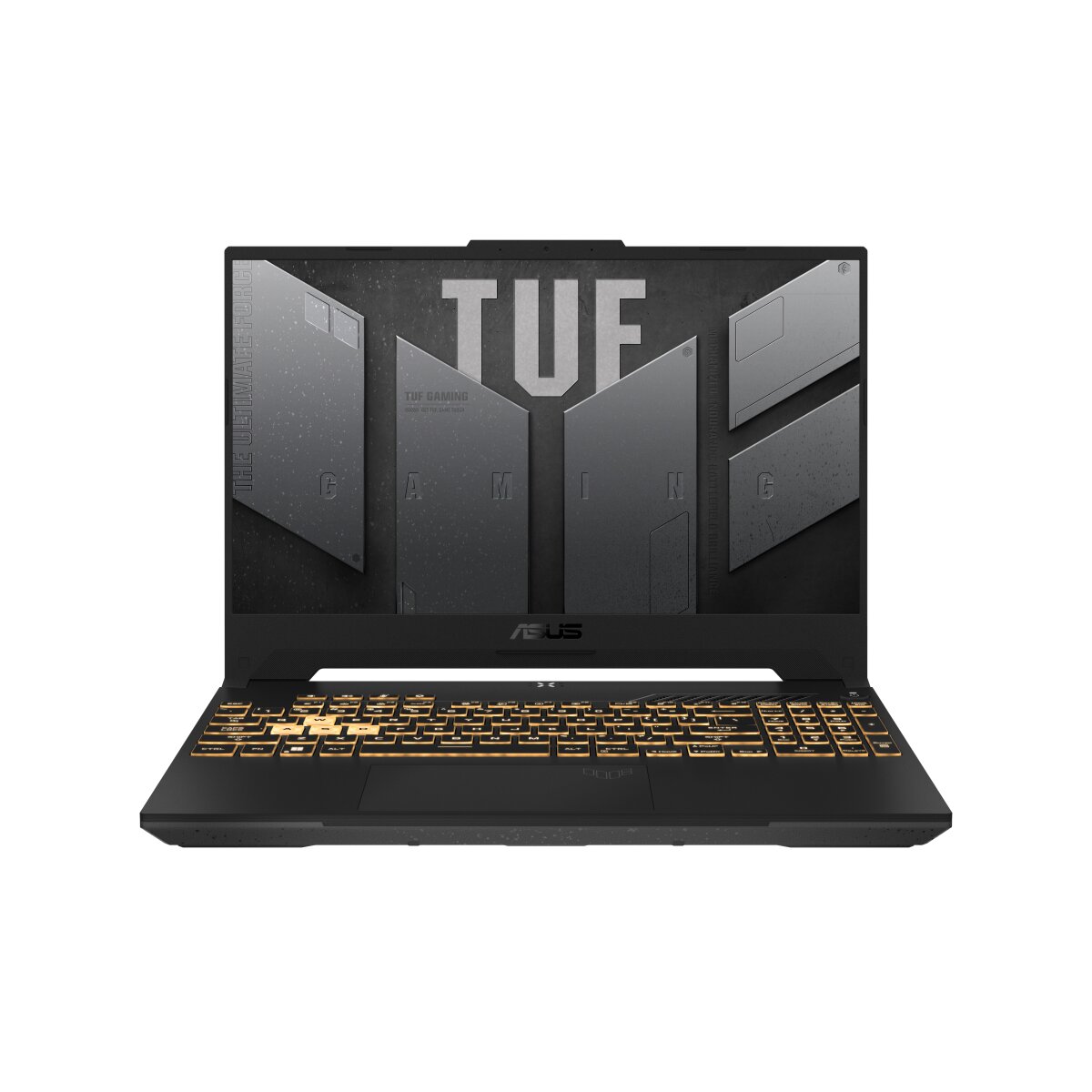
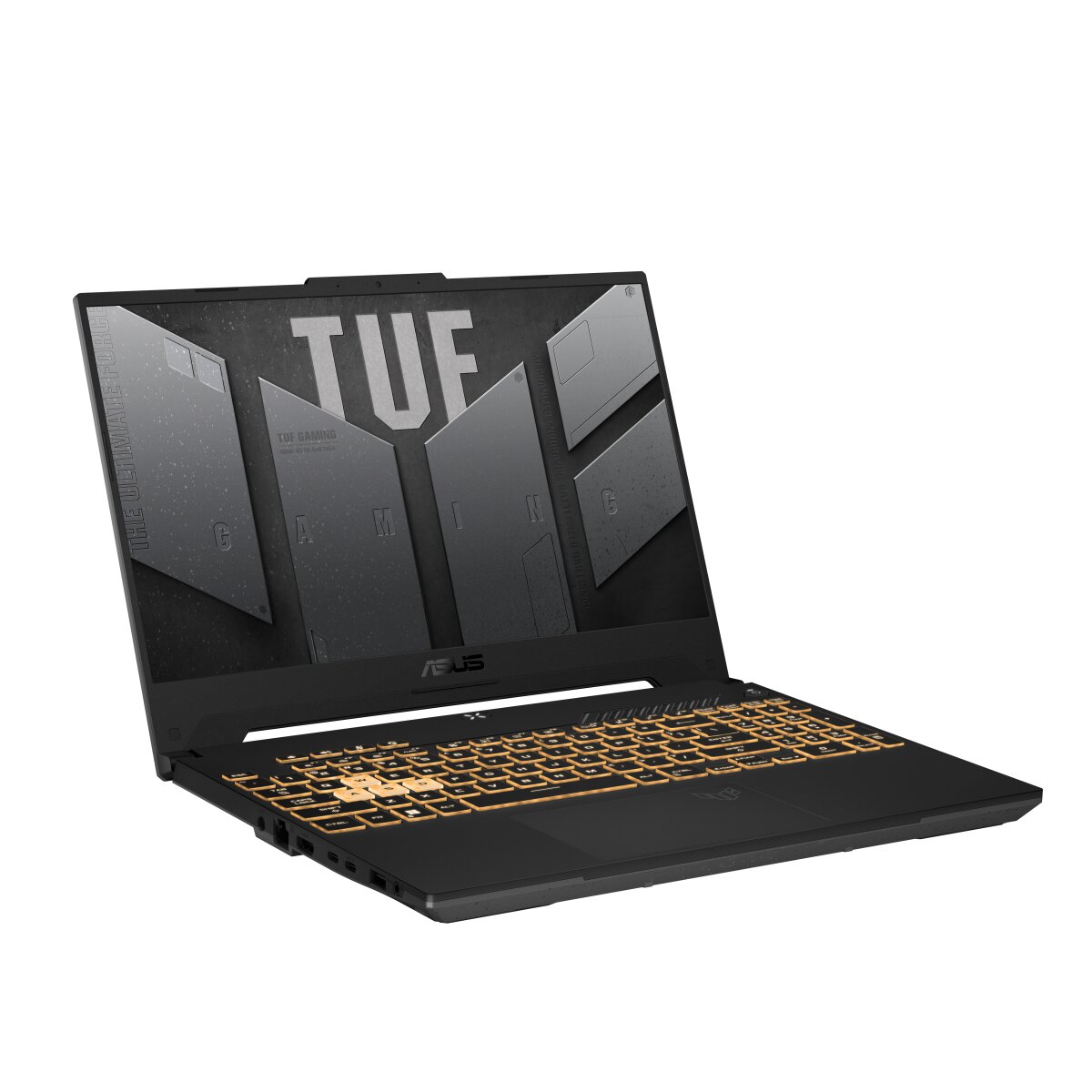
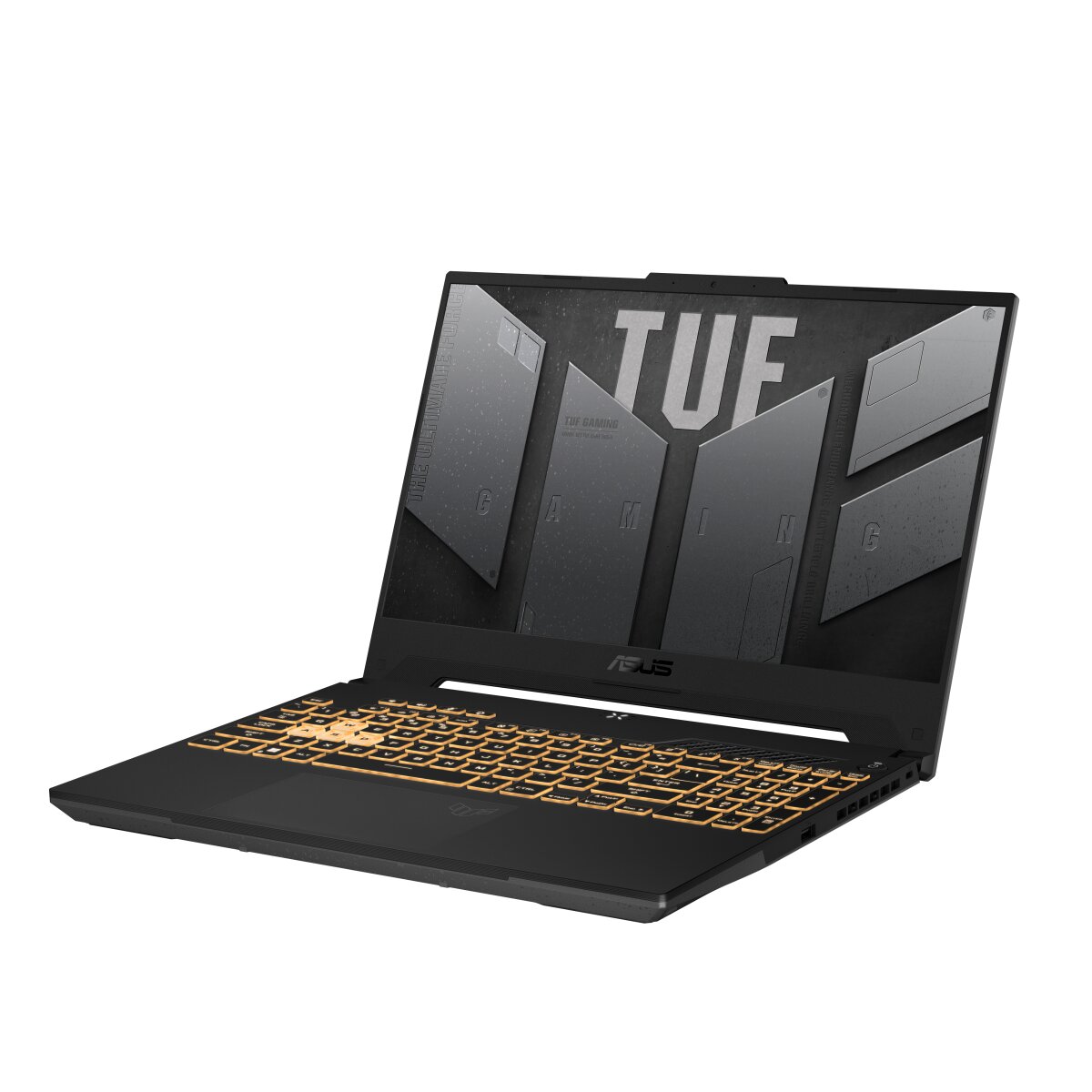
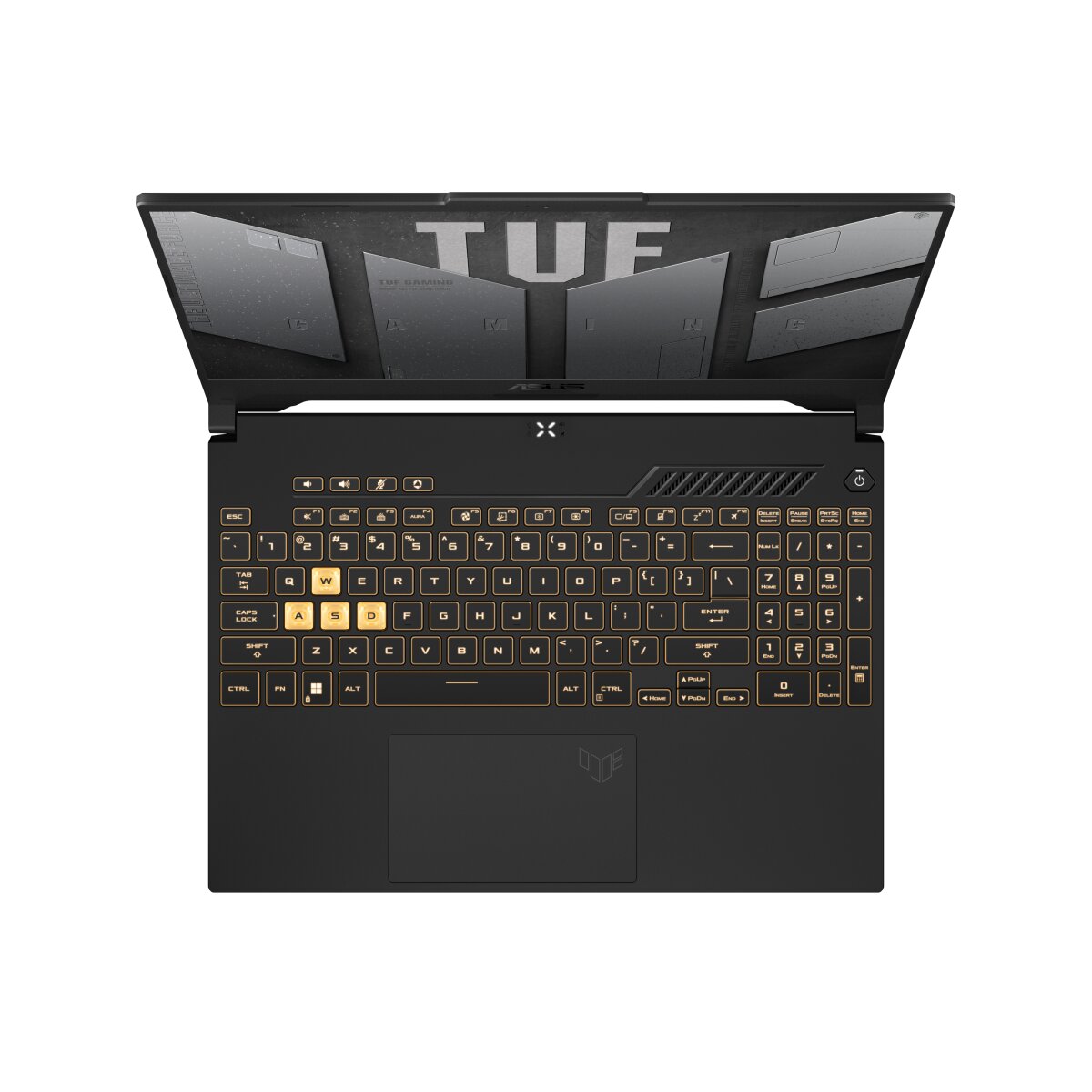
ASUS TUF Gaming F15 Series model TUF507ZC4-HN040 supports DDR5-SDRAM memory upgrades. The laptop contains 2x SO-DIMM slots for RAM expansion. Maximum supported memory capacity reaches 32 GB total. Compatible upgrades utilize SO-DIMM form factor modules operating at 4800 MHz frequency. Memory specifications enable users to upgrade the base configuration by installing additional DDR5 modules into available slots, subject to maximum capacity limitations and compatibility requirements with the TUF507ZC4-HN040 platform.
Memory Upgrade Specifications
| Specification | Value |
|---|---|
| Memory slots | 2x SO-DIMM |
| Form factor | SO-DIMM |
| Memory type | DDR5-SDRAM |
| Frequency | 4800 MHz |
| Maximum RAM | 32 GB |
| Voltage | 1.1V |
| Number of pins | 262-pin |
| Interface | PC5 |
| PC Speed Rating | PC5-4800 (PC5-38400) |
| Bandwidth | 38.4 GB/s |
| Laptop Release date | 23 September 2022 |
Additional Notes
- The 32 GB maximum capacity restriction requires both slots to use 16 GB modules, preventing future expansion beyond this ceiling regardless of module availability.
- DDR5-SDRAM at 4800 MHz represents the JEDEC baseline specification, meaning the system likely does not support higher XMP or overclocked profiles that enthusiast-grade modules may advertise.
- Mixing modules with different capacities across the 2 slots will force the controller into asymmetric or flex mode, potentially reducing dual-channel bandwidth efficiency in specific workloads.
- Installing DDR4 modules will cause immediate incompatibility, as DDR5 SO-DIMM uses a different pin count and notch position that physically prevents insertion.
- The ASUS TUF Gaming TUF507ZC4-HN040 requires modules rated at 1.1V standard voltage, as DDR5 does not support the 1.35V or 1.5V tolerances common in DDR4 systems.
- Thermal management depends on the module's onboard PMIC, meaning modules without adequate power regulation circuitry may throttle under sustained loads even if the laptop cooling is sufficient.
- Single-sided module designs may improve compatibility in thermally constrained laptop chassis, whereas dual-sided modules with components on both PCB faces could encounter clearance issues near the chassis lid.
- Operating speeds below 4800 MHz, such as 3200 MHz or 4000 MHz DDR5 modules, will function but represent overpriced purchases since DDR5 baseline starts at 4800 MHz.
- Non-ECC unbuffered modules are required, as SO-DIMM form factor and consumer laptop chipsets do not accommodate registered or error-correcting memory architectures.
- Warranty preservation typically requires avoiding physical damage to the slot latches or PCB traces during installation, as memory upgrades generally remain user-serviceable under most manufacturer policies.